
As a quail owner, choosing the right starter feed for your baby birds is one of the most crucial decisions you’ll make. Quails have specific nutritional needs that must be met to ensure healthy growth and optimal productivity from an early age. However, with so many options available in the market, selecting the perfect starter feed can be overwhelming. In this article, we’ll guide you through the process of choosing a high-quality quail starter feed that meets your birds’ nutritional requirements. We’ll discuss what to look for in a good starter feed, how to prepare it, and some tips on feeding your baby quails to set them up for success. By following our advice, you can give your quails the best possible start in life and enjoy a thriving flock.
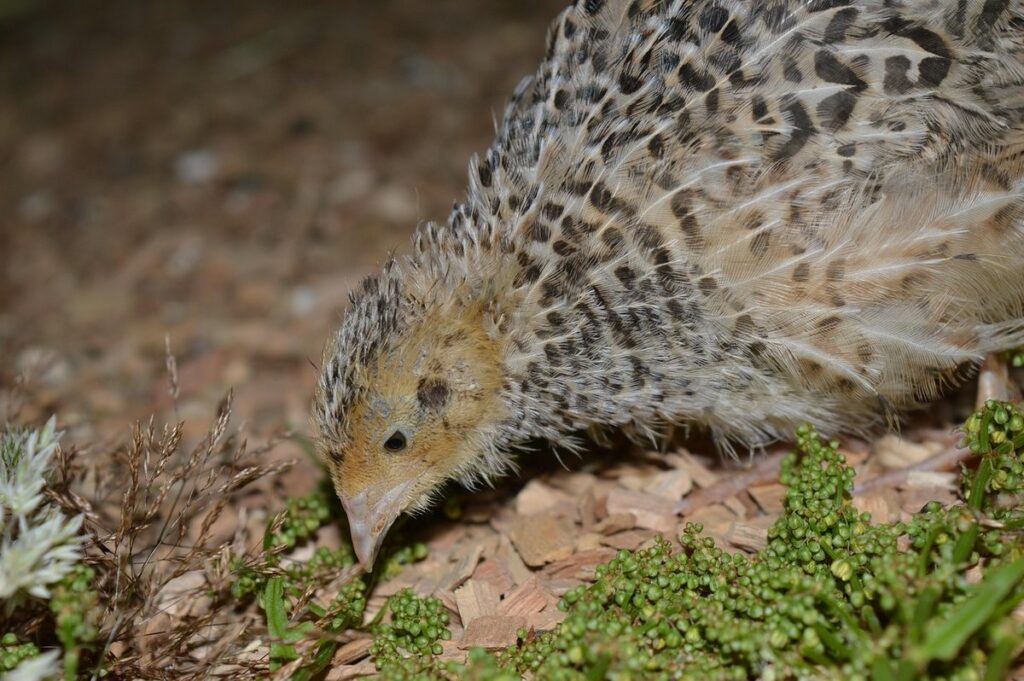
Introduction to Quail Starter Feed
When it comes to raising healthy baby quails, choosing the right starter feed is crucial for their growth and development. In this section, we’ll explore what makes a good quail starter feed.
Understanding Quail Nutrition Basics
When it comes to quail nutrition, providing the right balance of essential nutrients is crucial for healthy growth and development. Quails require a diet rich in protein, which should make up around 18-20% of their total daily intake. This can be derived from high-quality feed ingredients such as soybean meal, fishmeal, or insects.
Energy is another vital component, with quails requiring around 2,500 to 3,000 kilocalories per pound of body weight per day. To achieve this, starter feeds often contain a mix of carbohydrates, proteins, and fats. Vitamins and minerals are also essential, including vitamin A, calcium, phosphorus, and potassium.
A well-balanced quail starter feed should also include other vital components such as omega-3 fatty acids for healthy feather growth and immunity-boosting elements like vitamin E. When selecting a starter feed, look for products that meet or exceed these nutritional standards to ensure your baby quails get off to the best possible start in life.
For example, a good quality quail starter feed might contain around 20% protein, with 3,000 kilocalories per pound of body weight per day.
Importance of Proper Nutrition in Quail Development
Nutrition plays a pivotal role in determining the growth and overall health of baby quails. Inadequate feeding practices can lead to stunted growth, weakened immune systems, and increased susceptibility to diseases. A well-balanced diet is essential for quail development, particularly during their first few weeks of life.
Malnutrition can result from insufficient protein intake, which is crucial for muscle growth and repair. Baby quails require a diet rich in protein (around 20-25% protein content) during this critical period to support rapid growth. Insufficient vitamin and mineral intake can also have severe consequences, including impaired feather growth, weakened bones, and reproductive problems.
To avoid these issues, it’s essential to provide your baby quails with a high-quality starter feed that meets their nutritional needs. Look for a feed that contains a balanced mix of protein, vitamins, and minerals specifically formulated for quail development. A good rule of thumb is to stick to the recommended feeding schedule and quantity to ensure your birds receive all the necessary nutrients for optimal growth.
Types of Quail Starter Feed
When it comes to feeding your baby quails, understanding the different types of starter feeds available is crucial for their health and development. Let’s explore the various options you can consider.
Commercial vs. Homemade Starter Feed
When it comes to choosing a starter feed for your baby quails, you have two main options: commercial and homemade. Both have their benefits and drawbacks, which are essential to consider before making a decision.
Commercial starter feeds are convenient and readily available in most pet stores or online. They come in pre-packaged bags and contain a balanced mix of nutrients specifically formulated for quail chicks. One major advantage is that they provide a guaranteed nutritional profile, ensuring your baby quails get the necessary vitamins and minerals to grow healthy and strong.
However, commercial feeds can be expensive, especially if you’re raising a large flock. Additionally, some quail breeders may not appreciate the use of commercial feeds due to concerns over artificial additives and preservatives.
Homemade starter feed, on the other hand, offers a cost-effective solution, as you can purchase ingredients in bulk and avoid packaging waste. You can also choose the specific nutrients your baby quails need, allowing for greater control over their diet. Nevertheless, making homemade feed requires significant time and effort to ensure it’s nutritionally balanced and meets your quail chicks’ requirements.
Ultimately, whether you opt for commercial or homemade starter feed depends on your personal preferences and circumstances. If convenience and a guaranteed nutritional profile are top priorities, commercial feeds might be the better choice. However, if you’re willing to invest time and effort into creating a customized diet, homemade starter feed can be a cost-effective and healthier alternative.
Key Ingredients in Commercial Quail Starter Feed
Commercial quail starter feeds typically contain a blend of grains, proteins, and supplements that cater to the unique nutritional needs of baby quails. Grains such as corn, wheat, and oats provide energy and fiber, while proteins like soybean meal, fishmeal, or meat meal offer essential amino acids for growth and development. For instance, a commercial quail starter feed might contain 20% protein from soybean meal to support muscle growth.
Supplements are also crucial in ensuring the optimal health of baby quails. Calcium carbonate, often used as a calcium source, supports strong bone development, while vitamin D3 aids in calcium absorption and overall bone health. Phosphorus-rich ingredients like dicalcium phosphate contribute to enzyme function and nerve system maintenance. Other additives like probiotics promote gut health by regulating the microbiome. When selecting a commercial quail starter feed, look for products with these essential ingredients in suitable proportions. Always follow the manufacturer’s recommendations on feeding rates and ratios to avoid nutritional imbalances.
Choosing the Right Quail Starter Feed
When it comes to feeding your baby quails, choosing the right starter feed is crucial for their growth and development. In this section, we’ll break down what to look for in a good quail starter feed.
Factors to Consider When Selecting a Starter Feed
When selecting a starter feed for your baby quails, there are several key factors to consider. The age of your quail chicks is one crucial consideration. Baby quails under six weeks old require a different nutritional profile compared to those between six and eight weeks old. For example, younger quails need more protein and less calcium in their diet to support rapid growth.
Another important factor is the breed of your quails. Some breeds, such as button quails, have specific dietary requirements due to their small size. Look for starter feeds formulated specifically for these smaller breeds.
You should also evaluate the nutritional needs of your quail flock. A starter feed with a balanced mix of essential nutrients, including protein, calcium, and vitamins, is crucial for healthy growth and development. When evaluating different feeds, check the formulation and ingredient list to ensure it meets your quails’ specific requirements. Consider opting for a feed with added probiotics or other beneficial microorganisms to support digestive health.
Evaluating Nutritional Content in Quail Starter Feeds
When evaluating nutritional content in quail starter feeds, it’s essential to ensure that the feed meets the specific dietary needs of baby quails. One way to do this is by checking the ingredient list for key nutrients such as protein, fat, and fiber.
A good quail starter feed should contain around 20-25% protein from animal sources like soybean meal or fish meal. Look for feeds with a guaranteed analysis that clearly states the percentage of crude protein (CP), metabolizable energy (ME), and calcium content. For example, a high-quality quail starter feed might show a guaranteed analysis of 22% CP, 2,900 kcal/kg ME, and 1.5% calcium.
Red flags to watch out for include excessive levels of fillers like corn or wheat, which can displace more valuable protein sources. You should also be wary of feeds with artificial preservatives or additives that may compromise the health of your baby quails. Always check the manufacturer’s website or contact their customer support to verify the nutritional content and ingredients used in their feed.
Preparing Homemade Quail Starter Feed
To prepare homemade quail starter feed, you’ll need a few simple ingredients and some basic knowledge of nutrient ratios to ensure your baby quails are getting everything they need. Let’s dive into the details.
Basic Recipe for Homemade Quail Starter Feed
To create homemade quail starter feed, you’ll need some basic ingredients like grains and proteins. For a simple recipe, start with 2 cups of cracked corn, 1 cup of wheat flour, 1/2 cup of dried mealworms or crickets, and 1/4 cup of chopped fresh herbs like parsley or kale.
Mix these dry ingredients together thoroughly in a large bowl. In a separate container, mix 1 cup of warm water with 1 tablespoon of vegetable oil to help bind the feed. Gradually add this wet mixture to the dry ingredients and stir until everything is well combined.
Customize this recipe based on your quail’s individual needs. For example, if you’re raising quails that are prone to respiratory issues, adding a teaspoon of turmeric or ginger can be beneficial. You can also adjust the protein content by using different types of insects like mealworms or superworms.
When making homemade quail starter feed, remember to handle the ingredients safely and store them in a clean environment to prevent contamination. This basic recipe should provide a solid foundation for raising healthy baby quails.
Tips for Ensuring Nutritional Balance in Homemade Feeds
When preparing homemade quail starter feeds, it’s crucial to ensure that the nutrients are balanced to meet the baby quails’ specific requirements. A well-balanced feed should comprise a mix of protein sources, such as mealworms or commercial quail pellets, along with complex carbohydrates and essential vitamins and minerals.
To avoid deficiencies, consider the following tips:
* Use a variety of protein sources to provide a broad spectrum of amino acids.
* Include calcium-rich ingredients like crushed eggshells or oyster shells to support bone growth.
* Add vitamin supplements specifically designed for quails, as they have different requirements than other birds.
* Make sure to balance the phosphorus levels with adequate calcium intake to prevent skeletal issues.
Some examples of nutrient-dense ingredients you can include in your homemade feed are leafy greens like kale or spinach, and fermented foods such as probiotic-rich yogurt. However, always ensure that these additions are fresh, clean, and handled properly to avoid contamination risks.
Quail Starter Feed Formulations and Guidelines
When it comes to feeding your baby quails, understanding the right starter feed formulations is crucial for their growth and development. Here’s a breakdown of what to look for in a high-quality starter feed.
Breed-Specific Requirements and Quail Starter Feed Formulation
When it comes to formulating quail starter feed, different breeds of quails have varying nutritional requirements. For instance, Button quails require a slightly higher protein content (around 22-24%) compared to Japanese Coturnix quails (around 20-22%). This is because Button quails grow faster and reach maturity earlier, while Japanese Coturnix quails are bred for egg production.
The growth rate of the quail breed should be considered when formulating starter feed. Quails that grow rapidly require more energy and protein to support their accelerated development. In contrast, slower-growing breeds may benefit from a balanced formula with moderate protein levels (around 18-20%).
To formulate quail starter feed, consider factors such as the breed’s growth rate, egg production potential, and age at maturity. A well-balanced formula should include essential nutrients like vitamins, minerals, and amino acids to support overall health and development.
For example, if you’re raising Button quails, your starter feed formulation might look like this:
* Protein content: 22-24%
* Energy density: Moderate to high
* Calcium and phosphorus levels: Balanced to support bone growth
Keep in mind that these are general guidelines. Consult with a qualified poultry nutritionist or veterinarian to determine the specific nutritional requirements for your quail breed.
Recommended Starter Feed Age Ranges
When it comes time to transition your quails from starter feed to grower or finisher feeds, knowing the right age ranges is crucial for their continued health and development. Generally, quail starter feed is formulated for chicks between 0-4 weeks of age. As they approach this milestone, you’ll start to notice physical changes that signal it’s time for a nutritional upgrade.
Look out for signs such as rapid growth, increased appetite, and improved feathering. If your quails are showing these traits around the 4-week mark, it’s likely they’re ready to switch to grower feed, which provides more protein and energy to support muscle development. Quail growers typically transition between 4-6 weeks of age.
As for finisher feeds, these are usually introduced around 6-8 weeks of age when quails need a balanced mix of nutrients to support egg production or further growth.
Common Quail Health Issues Related to Diet
When it comes to feeding your baby quails, understanding common health issues related to diet is crucial for their growth and well-being. Let’s explore some of these key concerns together.
How Malnutrition Affects Quail Health and Productivity
Malnutrition can have severe consequences on quail health and productivity. When baby quails are not fed a balanced starter feed, they may develop weakened immune systems, making them more susceptible to diseases and infections. This can lead to reduced egg production, even if the quails reach maturity. Inadequate feeding practices can also cause stunted growth and development in young quails.
Quails require a specific blend of nutrients, including proteins, carbohydrates, vitamins, and minerals, to maintain optimal health. A lack of essential nutrients can result in conditions such as poor feather condition, soft eggshell production, or reduced fertility rates. It’s essential to provide baby quails with high-quality starter feed that meets their nutritional needs.
To avoid these issues, ensure you’re providing your quail chicks with a consistent and balanced diet from the start. Monitor their growth and adjust their feeding schedule accordingly. Regularly check their droppings for signs of malabsorption or nutrient deficiencies. A healthy and well-fed quail flock is more likely to thrive and reach its full potential.
Strategies for Addressing Diet-Related Health Issues in Quails
When it comes to quail health issues related to diet, some common concerns include poor nutrition leading to stunted growth, weakened immunity, and increased susceptibility to diseases. To identify potential diet-related problems, look for signs such as lethargy, ruffled feathers, or changes in droppings. Regularly monitoring your quails’ behavior and physical condition can help you catch any issues early on.
To address these concerns, focus on providing a balanced starter feed that meets their nutritional needs. This can be achieved by incorporating a mix of high-quality protein sources (such as mealworms or commercial quail pellets), whole grains like oats or barley, and fresh fruits and vegetables. A good rule of thumb is to provide 1/4 cup of starter feed per bird per day, along with occasional treats like crushed eggshells for calcium enrichment.
By paying close attention to your quails’ dietary needs and making adjustments as needed, you can help ensure optimal health outcomes.
Conclusion
Now that you’ve learned how to choose and prepare quail starter feed, let’s review what you need to know to raise healthy baby quails.
Recap of Key Takeaways
When selecting or preparing quail starter feed for your baby quails, remember that providing the right nutrients from an early age is crucial for their growth and development. Key takeaways from this comprehensive guide emphasize the importance of a balanced diet, adequate protein content, and minimal inclusion rates of mycotoxins.
A well-formulated quail starter feed should contain between 16 to 20% protein to support rapid growth during the first few weeks of life. Include a mix of both plant-based (e.g., soybean meal, sunflower seeds) and animal-based ingredients (such as fishmeal or bone meal) to provide essential amino acids.
When preparing your own starter feed, ensure you’re using clean water, avoiding cross-contamination with wild birds’ droppings that can contain pathogens like Histoplasma capsulatum. For commercial feeds, look for reputable manufacturers and labels indicating low mycotoxin levels (e.g., DON or aflatoxins) to safeguard your quails’ health.
Lastly, always introduce new foods gradually to prevent digestive upsets in young birds.
Final Thoughts and Recommendations
As you conclude this comprehensive guide on quail starter feed, it’s essential to remember that proper nutrition and care are crucial for raising healthy baby quails. To ensure their optimal growth and development, make sure to provide a balanced diet that includes all the necessary nutrients.
Here are some final recommendations:
* Provide fresh water at all times to prevent dehydration.
* Mix quail starter feed with clean water according to the manufacturer’s instructions.
* Introduce a high-quality calcium supplement to support strong bone growth and development.
* Monitor your baby quails’ weight, appetite, and overall health regularly.
* Ensure their coop is well-ventilated, clean, and maintained at a comfortable temperature.
By following these guidelines, you’ll be well on your way to raising happy and healthy baby quails. Remember that every flock is unique, so be prepared to make adjustments as needed. With patience, attention to detail, and the right nutrition, you can enjoy a thriving and successful quail-keeping experience.
Frequently Asked Questions
Can I mix different types of quail starter feed to create a custom blend?
Yes, mixing different types of quail starter feed can be done to create a custom blend that meets the specific needs of your birds. However, it’s essential to consult with a veterinarian or poultry expert to ensure you’re creating a balanced diet. Consider factors like protein content, energy levels, and nutritional requirements for your quails’ age and breed.
How often should I change my quail starter feed?
Quail starter feeds typically have a short shelf life due to the high moisture content of ingredients like insects or fishmeal. It’s recommended to replace the feed every 7-10 days to prevent spoilage and maintain nutritional quality. Always check the feed for any signs of mold, musty odors, or pest infestations before serving it to your quails.
What are some common health issues related to malnutrition in quails?
Malnutrition can lead to a range of health problems in quails, including stunted growth, weakened immune systems, and increased susceptibility to diseases. Common issues include rickets, leg weakness, and feather pecking due to nutritional deficiencies or imbalances. Regularly monitoring your birds’ health, adjusting their diet accordingly, and providing supplements as needed can help prevent these issues.
Can I use homemade quail starter feed for young chicks?
While homemade feeds can be a cost-effective option, they require careful formulation to ensure the necessary nutrients are present in the right balance. Young chicks have specific nutritional needs that must be met, particularly high protein content and essential vitamins like vitamin D3. Before switching to homemade feed, consult with an expert or veterinarian to create a recipe tailored to your birds’ age and breed.
How do I store quail starter feed to maintain its quality?
Proper storage is crucial for maintaining the nutritional integrity of quail starter feeds. Store the feed in a cool, dry place, away from direct sunlight and moisture. Use airtight containers or bins with secure lids to prevent pests and spoilage. Check the feed regularly for signs of degradation or contamination, and replace it promptly if necessary.