
Are you considering starting a backyard egg-laying flock, but torn between raising quails or chickens? You’re not alone! Both quails and chickens can provide fresh, delicious eggs right in your own yard, but they have some key differences that make them better suited to different types of households. From space requirements to egg-laying capacity, nutrition needs to predator protection, it’s essential to weigh the pros and cons of each option before making a decision.
In this article, we’ll break down the main advantages and disadvantages of raising quails versus chickens for eggs in your backyard. We’ll cover everything from the initial investment and ongoing costs to the types of care and attention each bird requires. Whether you’re looking for a small, low-maintenance flock or a more substantial egg-laying operation, this guide will help you make an informed decision that suits your needs and lifestyle.
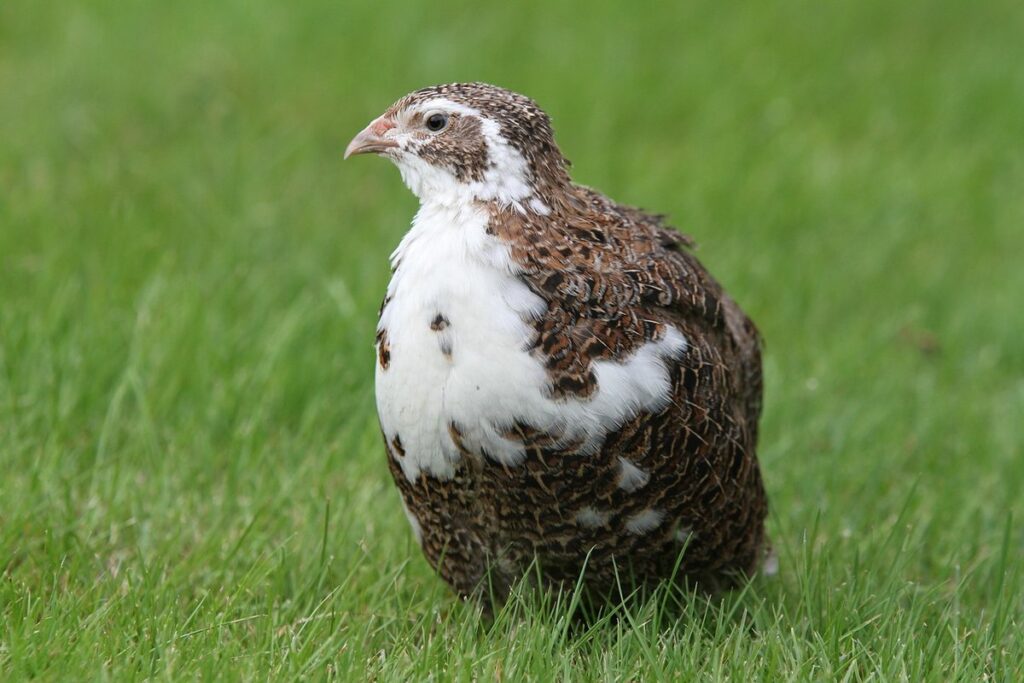
Benefits of Raising Quails and Chickens
Raising quails and chickens comes with a host of benefits, from fresh eggs to low-maintenance care. Let’s explore how these advantages can boost your backyard egg-laying endeavors!
Advantages of Quails for Small Spaces
Quails are an excellent choice for small spaces due to their compact size. They require minimal space to roam, making them perfect for urban backyards or even indoor coops. A single quail can thrive in a 2×3 foot enclosure, whereas chickens need at least 8-10 square feet of space per bird.
Another advantage of raising quails is their relatively low noise level. Quails are much quieter than chickens and will not disturb your neighbors. If you live in a densely populated area or have noise restrictions, quails are an ideal choice. In terms of egg-laying capacity, quails are prolific producers. Some breeds can lay up to 300 eggs per year, which is comparable to some chicken breeds.
To maximize space efficiency with quails, consider using vertical coops or nesting boxes. This will allow you to raise multiple quails in a small footprint while keeping the area clean and organized.
Space Requirements for Chickens vs. Quails
When it comes to raising quails and chickens for eggs, one of the most significant differences is their space requirements. Chickens need a lot more room to roam compared to quails. A good rule of thumb for chicken coops is to provide at least 2-4 square feet per bird inside the coop, with an additional 8-10 square feet per bird in the outdoor run.
Quails, on the other hand, are much smaller and require less space. They can thrive in coops as small as 1-2 square feet per quail inside, with a corresponding outdoor area of about 4-6 square feet per quail.
To give you a better idea, consider that a single chicken breed like the Leghorn needs about 30 square feet of outdoor space to be comfortable, while a group of 12 quails can do just fine in an area of around 24 square feet. This difference is crucial when planning your backyard egg-laying setup.
To maximize efficiency and ensure both birds are happy and healthy, consider allocating more space for chickens if you have the room and dividing your outdoor areas into separate sections for each group.
Egg-Laying Capacity: A Comparison of Quail and Chicken Eggs
When it comes to egg-laying, you might be wondering how quails compare to chickens in terms of output. Let’s crack open this comparison and see which bird lays more eggs for your backyard needs.
Egg Size and Quality Comparison
When it comes to egg size and quality, quail eggs stand out from their larger chicken counterparts. Quail eggs are significantly smaller, typically measuring about 1-2 inches in length, while chicken eggs range between 2-3 inches long. This compact size makes them ideal for delicate dishes where a small amount of egg is needed.
In terms of density, quail eggs pack more nutritional punch per ounce than their larger counterparts. With less water content and higher concentration of protein, fats, and other nutrients, they’re often considered the “superfood” of eggs. For example, a single quail egg contains about 6 grams of protein compared to only 5 grams in a chicken egg.
In cooking, the size difference is a significant advantage for quail eggs. They can be poached whole or halved and added as a garnish, making them perfect for dishes like sushi, salads, or even cocktails. Their rich flavor and creamy texture also make them ideal for baking delicate pastries or desserts.
Quantity of Eggs Produced by Each Fowl
When it comes to egg-laying capacity, both quails and chickens have their own unique characteristics. On average, a healthy quail can lay around 200-300 eggs per year, which translates to about 3-4 eggs per week or 12-15 eggs per month. In contrast, a chicken can produce anywhere from 280 to 320 eggs per year, depending on the breed and living conditions.
To give you a better idea, let’s consider some popular quail breeds: Japanese Coturnix quails are known for their high egg production, laying around 300 eggs per year, while Button quails tend to lay fewer eggs at about 200 per year. For chickens, Leghorns are one of the most prolific layers, producing up to 320 eggs annually.
When choosing between quails and chickens for your backyard flock, consider your space and resources. If you have limited space but still want a steady egg supply, quails might be a better fit. However, if you’re looking for maximum egg production, chickens may be the way to go.
Feed and Nutrition Requirements for Quails and Chickens
When it comes to feeding your backyard quail and chickens, their nutritional needs differ significantly, making it crucial to understand what they require for optimal health and egg production. Let’s explore these unique feed requirements together.
Dietary Needs of Quails vs. Chickens
When it comes to dietary needs, quails and chickens have distinct requirements that set them apart from each other. Quails are known to thrive on a more protein-rich diet compared to chickens, which means you’ll need to provide them with a balanced mix of high-protein feed, including ingredients such as mealworms, crickets, or even small amounts of fish.
A good rule of thumb is to aim for 20-25% protein content in your quail’s feed, whereas chickens can do well with a more moderate protein diet ranging from 15-18%. Providing the right balance of nutrients is crucial, as an overabundance of protein can lead to health issues such as kidney problems.
For example, if you’re raising Japanese quails specifically for egg-laying, they require a minimum of 20% protein in their feed. In contrast, chickens can tolerate a slightly lower protein content and may even benefit from a more varied diet that includes fruits and vegetables. By understanding these differences and catering to the unique dietary needs of your birds, you’ll be well on your way to raising happy and healthy quails or chickens for your backyard egg-laying endeavors.
Health Risks Associated with Poor Nutrition in Both Birds
When it comes to backyard egg-laying fowl, both quails and chickens require proper nutrition to stay healthy. However, inadequate nutrition can lead to serious health risks for these birds.
One of the most significant concerns is vitamin deficiencies, particularly vitamin D3 deficiency, which can cause softening of bones and an increased risk of osteomalacia in birds. Quails are more prone to this condition due to their smaller body size and lower vitamin D3 reserves. Chickens, on the other hand, may develop symptoms such as lethargy, weight loss, and impaired immune function if they don’t receive adequate nutrition.
Additionally, a diet lacking essential nutrients can make your birds more susceptible to diseases such as respiratory infections, coccidiosis, and Marek’s disease. A balanced feed that includes all the necessary vitamins and minerals is crucial in preventing these conditions. As a quail or chicken owner, it’s essential to provide a nutrient-rich diet that meets their specific needs, including fresh fruits and vegetables, calcium supplements, and probiotics.
By ensuring your birds receive proper nutrition, you can reduce the risk of health problems and keep them healthy for years to come.
Life Expectancy and Longevity of Quails vs. Chickens
When it comes to choosing between quail and chickens for your backyard egg-laying needs, understanding their life spans is crucial for long-term planning. Let’s dive into the average life expectancy of each bird.
Average Lifespan of Quails vs. Chickens
When it comes to deciding between quails and chickens for your backyard egg-laying needs, one factor to consider is their average lifespan. Quails typically live for 2-5 years, while chickens can live up to 5-7 years.
There are several factors that influence a bird’s longevity, including diet, health conditions, and living environment. Quails, being smaller birds, may be more susceptible to health issues due to their compact size and high metabolism. Chickens, on the other hand, tend to be more hardy and adaptable, making them a popular choice for backyard flocks.
However, quails have some advantages when it comes to longevity. For one, they are easier to care for in terms of space and resources, which can be beneficial for small-scale backyard farmers or those with limited experience caring for birds. Additionally, quails tend to breed more quickly than chickens, allowing farmers to replace aging stock more frequently.
To maximize the lifespan of your birds, regardless of whether you choose quails or chickens, make sure to provide a balanced diet, regular veterinary care, and a clean living environment. By doing so, you can enjoy fresh eggs from your backyard flock for years to come.
Factors Affecting the Lifespan of Both Birds
When it comes to the lifespan of both quails and chickens, several environmental and health factors come into play. Disease is a significant concern for backyard flocks, with many common diseases such as avian influenza and salmonella posing a threat to both species. However, quails tend to be more resilient in this regard due to their smaller size and lower immune system response.
Predation is another critical factor affecting lifespan, particularly for chickens who are often targeted by predators such as foxes, coyotes, and hawks. Quails, being smaller and more agile, are less likely to be preyed upon. Management practices also play a crucial role in determining the lifespan of both birds. For example, regular cleaning and disinfection of enclosures can help prevent disease outbreaks.
To minimize risks, it’s essential to implement proper management strategies such as providing a safe and secure enclosure, maintaining optimal living conditions, and implementing a vaccination program (if necessary). Regular health checks and parasite control measures are also vital for extending the lifespan of your flock.
Predator Protection: Securing Your Backyard Flock from Predators
When it comes to safeguarding your backyard flock, protecting them from predators is a top priority, and we’ll cover some effective ways to do just that. Let’s take a closer look at securing your quail or chicken coop.
Common Predators Targeting Quails and Chickens
When it comes to backyard egg-laying needs, both quails and chickens can be a great choice. However, when it comes to predator protection, understanding the common threats that target each bird is crucial for securing your flock. Quails are particularly vulnerable to aerial predators such as hawks, which can swoop in quickly and quietly to snatch them up. Foxes, on the other hand, also pose a significant threat to quail populations.
Chickens, while more robust than quails, have their own set of predators. Dogs, both domesticated and feral, are a major concern for backyard chicken keepers. Coyotes are another predator that can easily infiltrate urban areas in search of prey, and chickens are often on the menu. It’s essential to be aware of these threats and take necessary precautions such as using secure enclosures, covering your coops at night, and implementing noise-making deterrents like motion-activated sprinklers.
Regularly inspecting your coop for signs of predator activity and keeping a clean yard can also help deter predators.
Effective Strategies for Predator Deterrence
To safeguard both quail and chicken flocks from predators, it’s essential to implement effective strategies for predator deterrence. Securing the coop is a crucial step – ensure the enclosure is sturdy, well-maintained, and covered with hardware cloth or chicken wire that extends at least 12 inches below ground level. Regularly inspect the coop for any weak points or gaps where predators could potentially enter.
Using deterrents can also be an effective measure. Motion-activated sprinklers, ultrasonic repellent devices, and hot pepper sprays have been shown to successfully ward off predators like coyotes, foxes, and raccoons. Implementing management practices is equally important – keep the flock indoors at night when predators are most active, and consider rotating pasture areas to avoid creating a pattern that may attract predators.
Some practical tips include installing electric fencing around the perimeter of your property and trimming back any trees or shrubs that could provide a hiding place for predators.
Care and Maintenance: Essential Tasks for Healthy Quail and Chicken Flocks
To ensure your backyard fowl thrive, it’s essential to understand the unique care requirements of both quails and chickens. We’ll walk you through the vital tasks for their health and well-being.
Hygiene and Sanitation Practices for Both Birds
Maintaining clean coops and reducing disease risk is crucial for the health and well-being of both quail and chicken flocks. For backyard egg-layers, it’s essential to establish good hygiene and sanitation practices to prevent the spread of diseases.
Firstly, ensure that your coop has adequate ventilation to remove moisture and ammonia buildup from droppings. This can be achieved by installing windows or vents that allow for airflow. Regularly clean out the coop, removing soiled bedding materials, droppings, and uneaten food. Disinfect all surfaces with a pet-safe solution to eliminate bacteria and viruses.
For quail coops in particular, it’s recommended to use dust-free bedding materials such as shredded paper or pine shavings. These absorb moisture better than traditional straw, reducing ammonia levels and making the coop healthier for your birds. Daily cleaning tasks should include removing uneaten food, checking for signs of illness, and monitoring temperature fluctuations.
By following these hygiene and sanitation practices, you’ll create a safe environment that supports the health and productivity of both quail and chicken flocks.
Regular Health Checks and First Aid for Emergencies
Regular health checks are crucial to maintaining the well-being of both quail and chicken flocks. It’s essential to inspect their living conditions daily, ensuring clean water, food, and a safe environment free from predators. Look for signs of illness or stress such as labored breathing, lethargy, or loss of appetite.
Quail, being more prone to respiratory issues due to their compact size and increased metabolism, may exhibit symptoms like wheezing or coughing when stressed or unwell. Chickens, on the other hand, can be more susceptible to parasites, especially if they’re not properly vaccinated or kept in unsanitary conditions.
In case of an emergency, basic first aid is essential. For example, if a quail has an injury, gently clean the area with soap and water, and apply a thin layer of antibiotic ointment. If you notice a broken egg tooth or other minor injuries in chicks, you can carefully trim the excess nail or remove any debris.
In case of severe illness or injury, such as a quail being unable to stand or breathe properly, it’s crucial to contact your local veterinarian for advice and proper treatment.
Frequently Asked Questions
What is the best way to introduce quails or chickens to my existing backyard flock?
Introducing new birds to an existing flock can be challenging, but it’s essential for a harmonious household. Start by keeping the new birds separate from the rest of the flock and allow them to get accustomed to their new environment. Gradually introduce them under close supervision, monitoring their behavior and body language. Provide a safe space for both groups and ensure each bird has its own feeding and watering station.
Can I raise quails or chickens in an area with extreme weather conditions?
Yes, both quails and chickens can adapt to various climates but require proper care and protection during harsh weather. For hot climates, provide plenty of shade and ventilation to prevent heat stress. In cold climates, ensure adequate shelter and insulation to keep them warm. Keep an eye on temperature extremes and take necessary precautions to protect your birds.
How often should I collect eggs from my quails or chickens?
It’s essential to collect eggs daily to maintain a clean and healthy environment for both you and the birds. Regular egg collection also helps prevent breakage and damage, reducing waste and keeping your flock happy and stress-free. Set a reminder or schedule regular visits to ensure consistent egg gathering.
Are there any specific health risks I should be aware of when raising quails versus chickens?
Both quails and chickens can be susceptible to various diseases, so maintaining good hygiene and sanitation practices is crucial. Monitor their behavior, appetite, and droppings regularly for signs of illness or stress. Research common health issues in your region and take preventative measures, such as vaccinations and parasite control.
Can I raise both quails and chickens together in the same flock?
Yes, it’s possible to raise both quails and chickens together, but it requires careful planning and management. Ensure you have enough space and resources for both groups, considering their different needs and requirements. Introduce them slowly under close supervision, and be prepared to address any potential conflicts or health issues that may arise.