
If you’re anything like me, you’ve probably had your fair share of loud and rowdy chickens. But what if I told you there’s a whole world of quiet bantam breeds out there just waiting to be discovered? These tiny marvels are perfect for backyard chicken enthusiasts who want a peaceful and stress-free flock. Not only do they come in a variety of sizes, from the teeny-tiny Japanese Bantams to the slightly larger Dutch Bantams, but they’re also known for their calm and gentle nature.
In this comprehensive guide, we’ll delve into the unique characteristics of quiet bantam breeds, exploring their temperament, size variations, and health considerations. Whether you’re a seasoned chicken owner or just starting out, this article will help you choose the right quiet bantam breed for your flock. So if you’re ready to bring some serenity to your backyard, let’s dive in and explore the wonderful world of quiet bantams together!
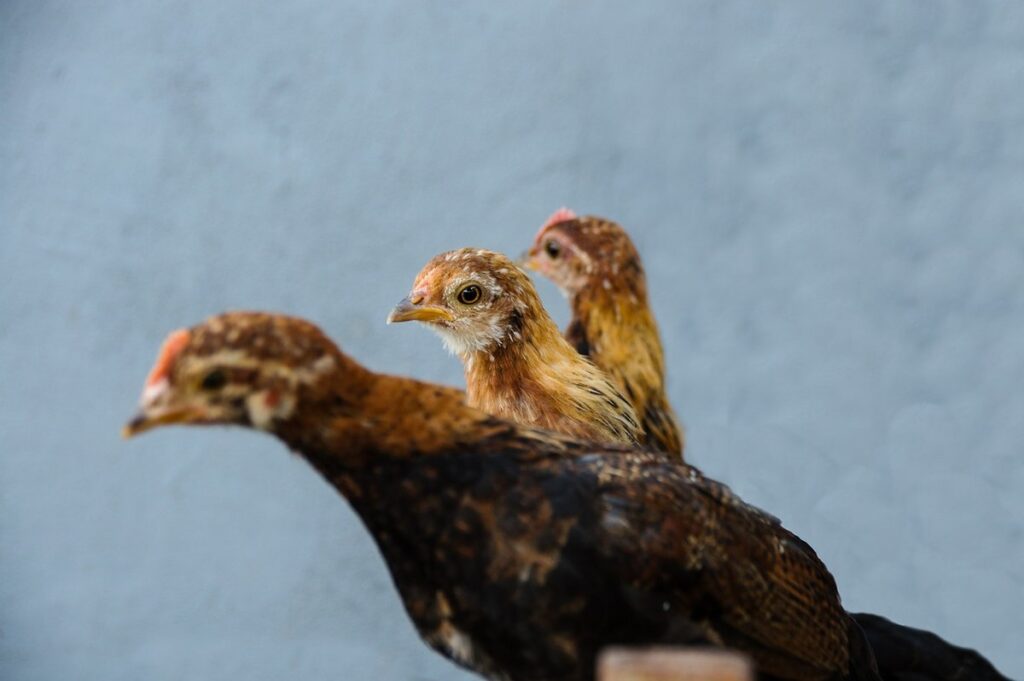
Introduction to Bantams
Let’s start with the basics: bantam breeds are smaller, more compact versions of standard chickens, and understanding their characteristics is crucial when choosing a quiet companion. We’ll explore these foundational aspects together.
What are Bantams?
Bantams are a type of domesticated chicken that have captured the hearts of many backyard chicken enthusiasts. These tiny birds may be small in stature, but they pack a big punch when it comes to personality and charm. One of the defining characteristics of bantams is their friendly nature – they are often described as affectionate, docile, and eager to please.
If you’re new to keeping chickens, bantams can make an excellent introduction to backyard flock-keeping. Not only do they require less space than larger breeds, but they also produce fewer eggs and tend to be quieter overall, making them a great choice for urban or suburban areas where noise ordinances may be a concern. With over 100 recognized breeds of bantam chicken, there’s sure to be one that fits your unique style and preferences.
In addition to their friendly demeanor, bantams are also prized for their rich diversity in breeds. From the sleek and slender Leghorn Bantam to the fluffy and endearing Polish Crested Bantam, each breed has its own unique characteristics and charms.
History of Bantam Breeds
The history of bantams is rich and diverse, spanning thousands of years. These tiny birds have their origins dating back to ancient Asia, where they were first domesticated from wild jungle fowl. The earliest recorded evidence of bantam breeding dates back to the 16th century in Southeast Asia.
As trade routes expanded, bantams were introduced to Europe and the Americas, where breeders began experimenting with different varieties. This cross-breeding led to the development of various breeds, each with its unique characteristics. Some breeds were bred for their striking appearance, while others were prized for their egg-laying abilities or docile nature.
Quiet bantam breeds owe their origin to these early breeding programs. For instance, the Japanese Silkie was developed in the 17th century as a ornamental breed. Breeders sought to create birds that were not only visually stunning but also calm and friendly. Similarly, the Belgian Bearded d’Anvers was bred for its gentle disposition and compact size.
Over time, these quiet bantam breeds have been refined through selective breeding, resulting in the diverse range of peaceful and affectionate varieties we see today.
Characteristics of Quiet Bantam Breeds
When it comes to quiet bantam breeds, some characteristics stand out above the rest. These breeds typically possess a calm temperament and gentle nature that makes them perfect for beginners and experienced breeders alike.
Temperament and Friendliness
When it comes to quiet bantam breeds, temperament and friendliness are essential characteristics to consider. A calm and gentle nature is vital for a breed that’s meant to be a loving companion rather than a feathered alarm system.
Quiet bantams are known for their easy-going disposition, making them perfect for families with children or for those who live in close proximity to neighbors. One of the most notable breeds for its gentle temperament is the Japanese Bantam. These tiny birds are not only quiet but also affectionate and social, often forming strong bonds with their owners.
Another breed that stands out for its calm nature is the Belgian Bearded d’Anvers. With a reputation for being one of the friendliest bantams around, they’re perfect for those who want a quiet yet interactive pet. When choosing a quiet bantam breed, it’s essential to research and understand their temperament. Look for breeds that are known for their gentle disposition and calm nature.
In addition to researching specific breeds, it’s also crucial to spend time with your chosen bird before bringing it home. This will give you an idea of its personality and help ensure a harmonious relationship between you and your feathered friend.
Size and Weight Variations
Bantam breeds may be smaller than their standard counterparts, but that doesn’t mean they don’t come in a range of sizes and weights. When it comes to quiet bantams, breeders have selectively bred for not just small stature, but also temperament, resulting in some truly compact yet gentle giants.
The Japanese Bantam, for example, is one of the smallest breeds on average, weighing in at around 6 ounces (170g), while the Belgian Bearded d’Anvers can reach up to a pound and a half (680g) or more. Meanwhile, quiet bantams like the Dutch Campine or the Belgian D’Havet are often medium-sized, tipping the scales between 12-18 ounces (340-510g).
To give you a better idea of what to expect from these compact breeds, here’s a rough guide to their adult weights:
* Small bantams: Japanese Bantam (6 oz/170g), Dutch Bantam (8 oz/225g)
* Medium bantams: Belgian Bearded d’Anvers (1 lb 2 oz /510g), Campine (12-14 oz /340-390g)
* Large bantams: Belgian D’Havet (18 oz/510g) and others
When choosing a quiet bantam, don’t forget to consider your coop size and the specific needs of each breed. Some may require more space or special handling due to their small stature, so research carefully before making a decision.
Popular Quiet Bantam Breeds
If you’re looking for a peaceful companion, look no further than these popular quiet bantam breeds that are perfect for backyard flocks. Let’s take a closer look at some of our favorites!
Polish Bantams
Polish bantams are one of the most recognizable quiet bantam breeds due to their unique crest and bearded faces. These charming birds come in a variety of colors, including silver, white, and black. On average, Polish bantams weigh around 6-8 ounces (170-225 grams) and stand about 7 inches (18 cm) tall.
When it comes to temperament, Polish bantams are known for being friendly and outgoing. They make excellent pets due to their gentle nature and ability to bond with owners. However, they can be a bit skittish at times, so it’s essential to socialize them from an early age.
In terms of egg-laying, Polish bantams are moderate layers, producing around 100-120 eggs per year. They lay small to medium-sized white eggs and require regular feeding and care to maintain their health.
One important aspect to consider when keeping Polish bantams is their specific grooming needs. Their crests require daily cleaning, and their beards need regular trimming to prevent matting. Regular nail trimming and wing clipping are also necessary to keep them healthy and happy.
Silkie Bantams
If you’re looking for a quiet and affectionate bantam breed, look no further than the Silkie Bantams. These charming birds are known for their fluffy, soft feathers that resemble silk (hence their name), which come in a variety of colors including white, black, blue, and buff.
One of the most endearing qualities of Silkies is their gentle nature. They are friendly, docile, and love human interaction, making them an excellent choice as pets. In fact, Silkies are often described as “lap birds” due to their tendency to snuggle up in their owner’s lap.
In terms of egg-laying, Silkies are moderate producers, laying around 100-120 small to medium-sized eggs per year. They do require regular attention to their feathers, which can become matted and tangled if not properly maintained. However, with regular grooming sessions, they are relatively low-maintenance birds.
It’s worth noting that Silkies can be prone to health issues such as angel wings (a condition where the bird’s feathers grow in an abnormal way) and respiratory problems due to their flat face. Regular check-ups with a veterinarian and proper care can help prevent these issues.
Breeding and Raising Quiet Bantam Chicks
When it comes to raising quiet bantams, learning how to breed and raise healthy, gentle chicks is crucial for any backyard chicken enthusiast. Let’s dive into the specifics of nurturing your new additions from day one.
Choosing a Responsible Breeder
When selecting a responsible breeder for your quiet bantam chicks, it’s essential to prioritize temperament, health, and welfare in their breeding programs. Look for breeders who have a clear understanding of the importance of genetic diversity in maintaining healthy and well-adjusted birds.
Reputable breeders should be able to provide you with information about the lineage of their birds, including the parents’ temperaments and any known health issues. They should also be willing to share photos or videos of the parents and grandparents to give you an idea of what your chicks will inherit.
Genetic diversity is crucial in bantam breeds, as it helps prevent the proliferation of genetic disorders that can arise from inbreeding. A responsible breeder will aim to maintain a diverse gene pool by breeding birds with different temperaments and characteristics. This not only ensures healthier birds but also reduces the likelihood of inherited behavioral issues.
Before making a purchase, ask your potential breeder about their breeding philosophy and how they ensure genetic diversity in their program.
Caring for Baby Chicks
When you bring home newly hatched baby chicks, their care and handling require attention to detail to ensure they thrive. Nutrition is a top priority; chicks need a starter feed with 18-20% protein content for the first few weeks of life. It’s also crucial to provide a shallow dish of fresh water at all times, changing it frequently to prevent contamination.
Temperature control is another critical aspect of caring for baby chicks. A temperature range of 90-100°F (32-38°C) is ideal for the first week, gradually decreasing by 5-10°F each week until they reach around 70°F (21°C). Make sure their brooder is draft-free and provide adequate ventilation.
Socialization techniques are also essential for quiet bantam chicks. Handle them gently but frequently to help them become tame and confident birds. Spend time with them, talk to them, and encourage interaction with other chickens. By doing so, you’ll create a friendly and docile adult bird that will make an excellent addition to your flock.
Health Considerations for Quiet Bantams
When keeping quiet bantams as pets, it’s essential to consider their specific health needs, including potential vulnerabilities and necessary precautions to ensure their well-being remains top priority.
Common Health Issues in Bantams
When it comes to quiet bantam breeds, health issues can arise due to their small size and unique characteristics. One common issue is respiratory problems, which can be caused by obesity, genetics, or environmental factors such as dust and pollution. To prevent this, ensure your birds have plenty of space to exercise and provide a balanced diet that promotes healthy weight.
Feather pecking is another problem that affects quiet bantams. This behavior is often a result of boredom, stress, or nutritional deficiencies. To avoid feather pecking, keep your birds’ beaks trimmed, provide a stimulating environment with toys and foraging activities, and ensure they have access to fresh water and a balanced diet.
Egg binding is another health issue that can affect quiet bantam breeds, especially those that lay large eggs or are prone to egg laying. To prevent this, provide your birds with adequate calcium and vitamin D3 supplements in their feed. Regular check-ups with a veterinarian can also help identify any potential issues early on.
Managing Stress and Disease Prevention
When it comes to managing stress and disease prevention in your quiet bantam flock, there are several key factors to consider. A well-designed coop is essential for reducing stress levels and preventing the spread of disease. Ensure that your coop provides adequate ventilation, lighting, and space for each bird to move around comfortably. A minimum of 2-3 square feet per bird is recommended.
Proper socialization techniques are also crucial in maintaining a healthy flock. Introduce new birds slowly and under close supervision to prevent territorial aggression and stress. Provide toys and activities that promote exercise and mental stimulation, such as foraging games or scratching posts.
Nutrition plays a vital role in disease prevention, so ensure you’re feeding a high-quality commercial feed specifically formulated for bantams. Supplement with fresh fruits and vegetables daily, but avoid overfeeding to prevent obesity. Consider incorporating probiotics into their diet to support gut health and immune function. By implementing these strategies, you can significantly reduce the risk of stress-related illness and disease in your quiet bantam flock.
Conclusion
As you’ve made it through this comprehensive guide, now’s the time to summarize what we’ve covered and provide a final thought on these charming quiet bantam breeds. Let’s wrap up our exploration together!
Recap of Key Points
In conclusion to our comprehensive guide on quiet bantam breeds, let’s recap the key points that make these delightful birds a perfect fit for many backyard flocks. We explored several breeds known for their gentle nature and quiet demeanor, such as the Polish Bantam, Japanese Bantam, and Belgian Bearded d’Uccle.
We discussed how quiet bantams are an excellent choice for beginners, making them ideal pets for families with children or for those living in urban areas where noise restrictions may apply. These birds are not only low-maintenance but also provide endless entertainment and companionship.
Their small size and calm nature make them perfect for confined spaces, such as apartments or small backyards. Additionally, their quiet characteristics allow owners to enjoy them without the need for earplugs or worrying about disturbing neighbors.
Now that you’re aware of the wonderful benefits of quiet bantam breeds, we encourage you to explore these birds further and discover which breed best suits your lifestyle.
Final Thoughts on Quiet Bantams
As you’ve reached the end of this comprehensive guide to quiet bantam breeds, we hope you’re now more confident and excited about adding one of these gentle birds to your flock. If you’re still on the fence, let us encourage you to give it a try – your neighbors will thank you! Quiet bantams are not only adorable companions but also make wonderful additions to backyard flocks due to their friendly demeanor and relatively low maintenance.
When selecting a quiet bantam breed, remember that every bird is an individual, so be sure to spend time with the rooster or hen before making your final decision. Ask yourself: “Would I enjoy this bird’s company?” and “Do I feel comfortable having it in close proximity to my family and neighbors?” If the answer is yes, then you’ve found a great match.
Consider starting small by keeping just one quiet bantam as a companion or introducing it gradually into your existing flock. This will allow both you and the bird to get accustomed to each other’s presence. With patience, love, and proper care, you’ll soon find yourself enjoying the delightful company of your new feathered friend.
Frequently Asked Questions
Can I keep quiet bantams indoors with my family, or do they require outdoor space?
Quiet bantams are social birds that need regular exercise and mental stimulation. While they can adapt to indoor living, it’s essential to provide a safe outdoor enclosure for them to roam freely and engage in natural behavior. Consider a secure, predator-proof run with adequate ventilation and shade.
How often should I collect eggs from my quiet bantams?
Quiet bantams are prolific egg layers, producing an average of 200-300 eggs per year. Collecting eggs daily will help maintain their reproductive health and encourage continued production. Be gentle when collecting eggs to avoid stressing your birds.
Are quiet bantams suitable for small backyards or apartments with limited space?
Yes, quiet bantams are a great choice for urban chicken keepers due to their compact size and calm nature. They require minimal space and can thrive in small areas as long as you provide regular exercise and adequate care.
Can I breed my own quiet bantam chicks, or is it best to purchase from a reputable breeder?
Breeding your own quiet bantam chicks requires significant knowledge, experience, and resources. It’s often more practical and stress-free to purchase from a reputable breeder who has selected for desirable traits in their flock.
How can I ensure the health and well-being of my quiet bantams during the winter months when temperatures drop?
To keep your quiet bantams healthy and happy during cold weather, provide a dry, draft-free coop with adequate bedding material. Ensure access to fresh water, nutritious food, and regular exercise to maintain their physical and mental well-being.