
If you’re one of the many backyard chicken enthusiasts, you know how rewarding it is to raise your own flock. However, those furry bandits – raccoons – can be a significant threat to your chickens’ safety and your coop’s integrity. Not only do they pose a risk to your hens’ well-being, but they can also cause costly damage to your property.
In this article, we’ll share expert-approved raccoon-proof chicken coop tips to help you safeguard your flock and protect your investment. We’ll explore secure design principles, effective deterrents, and maintenance strategies that will keep those masked critters at bay. By the end of this post, you’ll be equipped with the knowledge to create a safe and secure haven for your chickens, free from raccoon-related worries. Let’s dive into the world of raccoon-proof chicken coops!
Understanding Raccoon Behavior and Their Love for Chicken Feed
To successfully raccoon-proof your coop, it’s essential to understand why these masked bandits are attracted to chicken feed in the first place. Let’s dive into their behavior and what drives their love for chicken treats.
Recognizing Raccoon Signs and Activity Patterns
To keep those pesky raccoons out of your chicken coop, you need to be aware of their presence and activity patterns. Recognizing signs of raccoon visits is crucial to preventing future break-ins. Start by looking for tracks or scat around the coop area. Raccoon tracks are usually small, about 1-2 inches in length, with five toes that are all roughly equal in size. Scat, on the other hand, can be identified by its dark brown or black color and cylindrical shape.
Pay attention to destroyed feed, as raccoons love chicken feed almost as much as they love raiding coops. They often visit during nighttime hours, so check your coop’s security around dawn when they tend to retreat back into their hiding spots. Be on the lookout for torn wires, broken latches, and scattered feed pellets – all signs that a masked bandit has been there.
To better understand raccoon activity patterns, consider the following: they are most active during spring and fall seasons when food is scarce, but they can visit your coop year-round if they find it consistently easy to access. By knowing their behavior and habits, you’ll be one step closer to creating a raccoon-proof chicken coop that keeps your flock safe and secure.
Understanding Raccoon Motivations for Attacking Coops
Raccoons are notorious bandits when it comes to chicken coops, and understanding their motivations is key to preventing attacks. These clever critters target coops for three main reasons: chicken feed, water sources, and sheltered areas.
When it comes to food, raccoons have a strong affinity for high-protein foods like chicken feed, which makes your coop’s storage area a prime target. A single raccoon can easily break into a feeder or tear open a bag of feed in search of an easy meal. To combat this, consider using secure feeders that are designed to withstand raccoon tampering.
Raccoons also seek out water sources, as they need access to fresh water for drinking and cleaning. If your coop’s water source is easily accessible, it may attract raccoons who can help themselves to a drink or even try to drown their way into the coop. Consider using a secure waterer that’s difficult for raccoons to tip over.
Finally, raccoons are attracted to sheltered areas like coops because they provide a safe haven from harsh weather and potential predators. If your coop is not designed with security in mind, it may be an inviting spot for raccoons to settle in and start causing trouble.
Chicken Coop Design and Construction: A Raccoon-Resistant Framework
When it comes to designing a chicken coop, raccoon resistance should be top of mind. Here, we’ll outline the essential features to keep these masked bandits at bay.
Building a Secure and Durable Chicken Coop
When it comes to building a secure and durable chicken coop, there are several key considerations to keep in mind. Raccoons are notorious for their dexterity and ability to manipulate objects, so it’s essential to use materials that can withstand their efforts.
Metal coops are an excellent option, as they’re difficult for raccoons to chew through or claw open. However, if you prefer a wooden coop, look for durable woods like cedar or cypress that are resistant to rot and insect damage. Regardless of the material, make sure it’s securely fastened together with screws or nails rather than relying on hinges or clips.
A secure locking mechanism is also crucial in preventing raccoon entry. Install sturdy latches that can be locked with a padlock or combination lock, and consider adding additional features like window guards or ventilation mesh to prevent raccoons from squeezing through narrow openings. By taking these precautions, you’ll create a safe and secure environment for your flock to thrive in.
Incorporating Physical Barriers and Deterrents
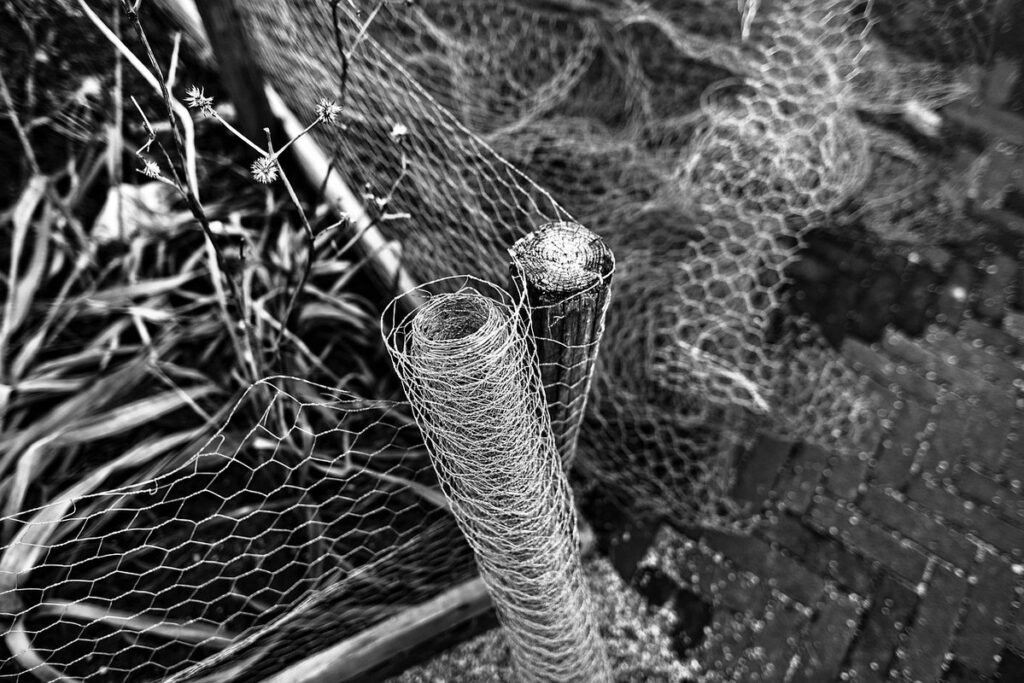
When it comes to designing a raccoon-resistant chicken coop, incorporating physical barriers and deterrents is crucial. One effective way to keep these pesky bandits out is by using mesh materials such as hardware cloth or chicken wire. These materials come in various gauges (thicknesses) and are ideal for creating a secure enclosure around your coop.
For optimal protection, choose a mesh with openings that are no larger than 1 inch square. This will prevent raccoons from squeezing through the gaps. Install the mesh material on all sides of the coop, including the roof and any vents or windows. Be sure to extend the mesh at least 12 inches below ground level to prevent burrowing.
Consider using hardware cloth for its added strength and durability. It’s available in a range of gauges, from 1/4 inch to 1 inch. For a more rustic look, you can opt for chicken wire with openings that are about 2-3 inches square. Whichever material you choose, make sure it’s securely attached to the coop using wire or screws to prevent raccoons from easily dislodging it.
To allow for air circulation and light penetration, leave about 1-2 inches of space between the mesh and the coop walls. This will also help reduce moisture buildup and prevent mold growth.
Coop Location and Placement: Avoiding Attraction Zones
When selecting a location for your chicken coop, consider areas that are farthest from potential food sources and attractive features to raccoons. Aim to keep it at least 10 feet away from any trees.
Identifying and Avoiding Food Sources and Water Features Near the Coop
When selecting a location for your chicken coop, it’s crucial to identify and avoid areas that may attract raccoons. One of the primary attractions for these masked bandits is food, so keep your coop far away from gardens or pet areas where they might be tempted to forage.
Raccoons are notorious for raiding compost piles, so make sure you store yours in a secure location at least 10 feet away from the coop. Similarly, if you have a pond or birdbath nearby, raccoons may view it as an all-you-can-eat buffet. Consider removing these features altogether or relocating them to a distance of at least 50 feet from the coop.
Some other food sources to be mindful of include pet food dishes and bird feeders. Raccoons are clever and will often rummage through trash cans, so keep these tightly sealed as well. By taking these precautions, you’ll significantly reduce the likelihood of raccoons being drawn to your coop and posing a threat to your flock.
Remember, it’s not just about keeping raccoons away from food – it’s also about reducing other attractants like shelter and water.
Considering Elevation and Proximity to Trees
When it comes to outsmarting raccoons and keeping them away from your chicken coop, elevating the structure and increasing its distance from nearby trees can be a game-changer. By choosing a higher elevation for your coop, you’ll make it more difficult for raccoons to access the area, as they’re less likely to climb or jump when they have to traverse vertical space.
Additionally, placing the coop at an increased distance from any nearby trees will also help deter raccoons. These clever bandits often use trees as a launchpad to reach your coop, so by removing this convenient entrance point, you’ll make their job much harder. In fact, research suggests that raccoons typically don’t like to travel more than 100 feet without cover before attacking a food source.
Consider siting your coop on a slope or hillside with some space between it and any surrounding trees – at least 10-15 feet should be the minimum distance. This will create an obstacle course for raccoons, making them less inclined to attempt entry. By incorporating these factors into your coop’s design, you’ll significantly reduce the likelihood of raccoon invasions and protect your flock from those pesky bandits.
Raccoon Deterrents: Using Repellents and Other Non-Lethal Methods
When raccoons start sniffing around your coop, it’s time to take action. Let’s explore some humane repellent methods and non-lethal deterrents to keep these masked bandits at bay.
Natural Repellents and Their Effectiveness
When it comes to keeping raccoons away from your chicken coop, using natural repellents can be an effective and humane solution. One popular option is hot peppers, which contain capsaicin that deters raccoons with its intense heat. You can sprinkle cayenne pepper or red pepper flakes around the perimeter of your coop, but make sure to wear gloves when handling it as it can irritate human skin.
Another natural deterrent is garlic, which has been shown to repel raccoons and other pests in various studies. Simply boil some garlic cloves in water, let the liquid cool down, and then spray it around the coop area. Predator urine, such as coyote or fox urine, can also be used to scare raccoons away. However, make sure to use a commercial product specifically designed for wildlife control, as using real animal urine can be messy and difficult to clean.
It’s essential to remember that natural repellents may need to be reapplied regularly, especially after rain or snowmelt, to maintain their effectiveness. Also, consider combining multiple deterrents for better results, such as using hot peppers in conjunction with garlic spray.
Installing Motion-Activated Sprinklers and Ultrasonic Devices
Installing motion-activated sprinklers and ultrasonic devices can be an effective way to startle raccoons and protect your chicken coop. These devices work on the principle of startling the raccoon, rather than harming them, making it a humane approach to deterring them.
Motion-activated sprinklers are a great option as they can be set up around the perimeter of the coop to detect movement. When a raccoon approaches, the sprinkler will activate, spraying water and startling the raccoon. This is often enough to deter them from returning. For example, a study by the University of Wisconsin-Madison found that motion-activated sprinklers were effective in reducing raccoon visits to bird feeders by 90%.
Ultrasonic devices, on the other hand, emit a high-frequency sound that’s undetectable to humans but unpleasant for raccoons. These devices can be placed around the coop and will startle raccoons when they get too close. When choosing an ultrasonic device, look for one with adjustable settings so you can fine-tune it to your needs.
When installing these devices, make sure to position them strategically around the coop to maximize their effectiveness. Also, consider combining them with other deterrents, such as removing attractants and using physical barriers, for a more comprehensive raccoon-proofing strategy.
Secure Fencing and Perimeter Protection: Keeping Raccoons Out
To keep raccoons from raiding your coop, it’s essential to consider a secure fence around your property that extends at least three feet underground.
Installing Coop-Friendly Fencing Materials
When it comes to installing coop-friendly fencing materials, you’ll want to focus on durability and ease of cleaning. Metal or plastic fencing are excellent choices for a raccoon-proof barrier. These materials are generally resistant to damage from raccoon claws and can withstand their attempts to dig or climb.
For added security, consider using metal fencing with openings of 1 inch or less in size. This will prevent raccoons from squeezing through even the tiniest openings. You may also want to opt for a mesh material that’s specifically designed to keep out wildlife. These meshes are often woven tightly enough to prevent raccoon claws from getting a grip.
When installing your fencing, be sure to bury the materials at least 12 inches underground to prevent digging. This will make it more difficult for raccoons to burrow underneath and access your coop. Remember to secure any loose ends or gaps with wire or clips to prevent damage from strong winds or animal attempts to breach the fence.
Overall, a well-designed and installed metal or plastic fencing system can provide a safe and secure barrier between your chicken coop and those pesky raccoons.
Creating a Secure Perimeter with Gates and Latches
When it comes to securing your chicken coop, a robust entrance system is just as crucial as the fence itself. Raccoons are notorious for their ability to exploit weaknesses in gates and latches, so it’s essential to use secure gates and latches designed specifically for chicken coop access.
First and foremost, opt for a gate made from durable materials such as metal or sturdy wood. Avoid flimsy or lightweight materials that can be easily compromised by raccoons’ sharp claws and teeth. When choosing a latch, look for one with a secure locking mechanism, such as a deadbolt or a lockbox. This will prevent raccoons from simply opening the gate or slipping through an unlocked entrance.
To take it to the next level, consider installing a magnetic catch on your coop door. These devices are designed specifically for chicken coops and can be easily released with a magnet, making it simple to access the coop without having to fumble with keys or locks.
Monitoring and Maintenance: Regularly Inspecting Your Coop and Landscaping
Regular inspections of your coop and surroundings are crucial to preventing raccoon invasions, so let’s dive into how to monitor and maintain a secure setup. This involves checking for weaknesses in fencing and structures.
Regular Cleaning and Disinfecting of the Coop
Regular cleaning and disinfecting of the coop is crucial to keep raccoons away from your chicken flock. These masked bandits are attracted to food waste and debris that accumulates inside the coop. To make it uninviting for them, remove all trash, uneaten feed, and droppings regularly.
Aim to clean the coop at least once a week during peak seasons when chickens produce more waste. Start by removing any nesting materials, bedding, or litter from the coop floor. Dispose of old bedding in sealed bins to prevent raccoons from accessing it. Wash all surfaces with a pet-safe detergent and rinse thoroughly with water.
Disinfecting is equally important as cleaning. Use a solution of 1 part white vinegar to 9 parts water to disinfect all surfaces, including feeding equipment and nesting boxes. Allow the solution to sit for 10-15 minutes before rinsing off. This will help eliminate any bacteria, viruses, or fungi that may have accumulated.
Don’t forget to remove any attractants like fallen fruit trees nearby or overhanging branches that allow raccoons to jump onto your coop roof. By maintaining a clean and disinfected coop, you’ll significantly reduce the likelihood of attracting unwanted visitors.
Identifying and Addressing Potential Entry Points
When it comes to raccoon-proofing your chicken coop, identifying potential entry points is crucial. Raccoons are notorious for their dexterity and ability to squeeze into tiny openings, so you’ll want to be thorough in your inspection.
Start by walking around the coop and surrounding areas with a critical eye, looking for any gaps or vulnerabilities that could allow raccoons to gain access. Check for holes around doors, windows, vents, and any other openings that lead to the coop. Also, inspect the fencing and enclosures surrounding the coop – even small gaps between boards can be exploited by determined raccoons.
Use a flashlight to inspect dark areas such as under eaves, rafters, and behind equipment like feeders and waterers. Raccoons often target these areas, so don’t overlook them during your inspection. Once you’ve identified potential entry points, make repairs promptly to prevent future invasions. Use hardware cloth or metal flashing to cover gaps, and consider installing raccoon-deterrent features such as electric fencing or motion-activated sprinklers to discourage unwanted visitors.
Frequently Asked Questions
What’s the most important aspect to consider when designing a raccoon-proof chicken coop?
When it comes to building a secure coop, it’s essential to focus on physical barriers and deterrents. A well-designed roof, walls, and door can help prevent raccoons from accessing your flock. Consider using sturdy materials like metal or wood, and ensure all openings are securely sealed.
How often should I inspect my coop for potential entry points?
Regular inspections are crucial in maintaining a raccoon-proof coop. Check for any signs of damage or weakness in the structure at least once a month. Look for gaps around vents, doors, and windows, and seal any holes with hardware cloth or expanding foam to prevent raccoons from exploiting them.
Can I use natural repellents as a sole solution against raccoons?
While natural repellents can be effective deterrents, relying solely on them may not be enough to keep raccoons away. Raccoons can become accustomed to certain scents and tastes over time, rendering the repellent less effective. Consider combining natural methods with physical barriers and other deterrents for maximum protection.
What’s the best way to secure a chicken coop when it’s elevated or near trees?
When building an elevated coop or one located near trees, consider using sturdy fencing materials like metal or electric fencing to protect against raccoon climbing and jumping attempts. Also, ensure that all gates and latches are securely locked, and install motion-activated sprinklers as an additional deterrent.
How can I address potential food sources and water features near the coop?
Identifying and addressing potential food sources is crucial in preventing raccoons from being attracted to your coop. Remove any nearby bird feeders or pet food dishes, and secure trash cans with tight-fitting lids. Also, consider using motion-activated sprinklers near water features to deter raccoons from accessing them.