
If you’re a backyard chicken keeper, you know how much joy your flock brings to your life. But those adorable faces come with a price: raccoons are notorious for raiding chicken coops, leaving destruction and disease in their wake. Not only do they target eggs, but they can also carry diseases that threaten the health of your entire flock. It’s time to take back control and protect your chickens from these masked bandits. In this article, we’ll explore effective prevention strategies, physical barriers, repellents, and environmental changes to keep raccoons at bay. From simple tweaks to more involved projects, we’ll cover it all, so you can safeguard your flock and enjoy the peace of mind that comes with knowing your coop is raccoon-proof.
Understanding the Risks and Threats
Now that we’ve covered how to prevent raccoons from getting into your coop, let’s talk about what can go wrong if they do manage to get inside.
The Dangers of Raccoons in Your Chicken Coop
Raccoons pose a significant threat to your chicken coop and its inhabitants. One of the most critical risks is the transmission of diseases such as rabies and distemper. These viruses can be spread through contact with infected raccoon saliva, urine, or feces, putting your chickens at risk of contracting these deadly diseases. If left unchecked, a single infected bird can quickly spread the disease throughout the flock.
Raccoons are also notorious egg thieves, often raiding coops in search of easy meals. A single visit from a determined raccoon can result in significant egg destruction and even more damage to your coop. Moreover, their dexterous hands make them skilled at opening doors, latches, and other entry points, giving them free rein to wreak havoc on your property.
To mitigate these risks, it’s essential to take proactive measures such as securing your coop with sturdy doors and latches that raccoons can’t open, removing attractants like food sources or standing water, and considering the use of electric fencing around the coop area.
Identifying Signs of Raccoon Activity
Recognizing signs of raccoon presence around your chicken coop is crucial to preventing these intelligent predators from raiding your flock. One of the most obvious indicators is footprints. Raccoons have dexterous hands and feet, with a distinctive “thumb” that helps them grasp objects. Look for prints with five toes on each foot, often accompanied by small impressions of their paws.
Droppings are another telltale sign. Raccoon feces resemble dark brown or black pellets, about 1/2 inch long and tapered at the ends. They may be scattered around the coop area, near entry points, or even within the coop itself. Be aware that raccoon scat can carry diseases like distemper and leptospirosis.
Torn mesh is a common result of raccoons attempting to access your coop. Check for shredded wire, ripped netting, or torn screening around windows, vents, or doors. Raccoons are skilled climbers and will often use their sharp teeth and claws to chew through barriers.
If you notice any of these signs, take action promptly by inspecting the coop and surrounding area for vulnerabilities. Secure loose wiring, repair torn mesh, and consider adding deterrents like hardware cloth or electric fencing around the perimeter.
Prevention Strategies for High-Risk Areas
If you live in an area prone to raccoon infestations, it’s essential to take extra precautions when securing your chicken coop. Raccoons are intelligent and dexterous creatures that can easily exploit weaknesses in your coop’s design or construction.
When identifying high-risk areas, consider the following:
* Check for any gaps or holes in the coop’s walls, floor, or roof, as raccoons can squeeze through openings as small as 3-4 inches.
* Inspect the coop’s doors and latches, ensuring they are securely fastened and tamper-proof. Raccoons have been known to use their dexterous hands to pry open doors or unscrew latches.
* Pay attention to any areas where food or water is accessible from the outside, as raccoons can easily access these resources.
To prevent raccoon invasions in high-risk areas, consider installing:
* Hardware cloth or metal mesh around vulnerable areas, such as vents and roof edges.
* Secure, raccoon-proof latches on doors and windows.
* A physical barrier, like a fence or gate, to restrict raccoon entry points.
Assessing Your Chicken Coop’s Vulnerability
When it comes to raccoon proofing your chicken coop, understanding its vulnerabilities is crucial. Let’s take a closer look at how to identify and assess potential weaknesses in your coop’s design and layout.
Evaluating Entry Points and Weak Spots
When inspecting your chicken coop for potential entry points, it’s essential to approach the task systematically. Begin by examining the roof vents, which are often a weak spot due to their design. Raccoons can easily pry open vent covers or chew through them if they’re made of low-quality materials. Check if your vent covers are secure and consider upgrading to tamper-proof models.
Next, move on to the doors and windows. Ensure that all openings are securely locked with heavy-duty latches or locks. Consider installing a raccoon-deterrent device, such as an electric eye sensor, which can detect movement and trigger a loud noise or spray deterrent. Don’t forget to inspect the coop’s fencing, paying attention to any gaps or holes between panels.
As you inspect your coop, remember that even the smallest openings can be exploited by determined raccoons. Take notes on all potential entry points, then prioritize addressing the most vulnerable areas first. This will help you develop an effective strategy for securing your chicken coop and protecting your flock from raccoon predation.
Identifying Food Sources Attracting Raccoons
When it comes to identifying food sources that might attract raccoons to your yard, it’s essential to consider common attractants. Pet food is a significant draw for raccoons, as they can easily raid outdoor pet bowls or even break into houses through pet doors. Leaving bird seed on the ground or in uncovered feeders is another magnet for these masked bandits.
To avoid attracting raccoons to your yard, make sure to secure any pet food and bird seed. Store them in airtight containers and keep them away from the coop area. If you must leave food out, consider using weighted feeders or ones with built-in predator guards. Also, be mindful of other potential attractants like compost piles, garden waste, and fallen fruits.
Take note that raccoons are opportunistic eaters, which means they’ll seize any available food source. By removing these common attractants, you can significantly reduce the likelihood of attracting raccoons to your coop area. Regularly inspecting your yard for potential food sources will also help you stay ahead of these clever critters.
Securing Your Coop with Physical Barriers
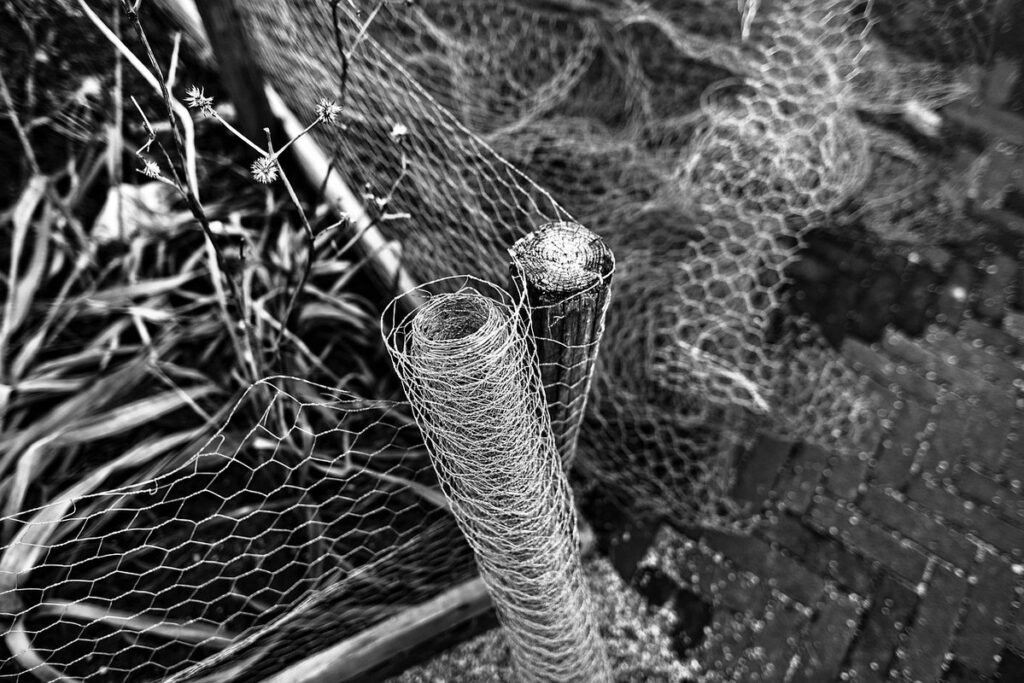
When it comes to securing your coop with physical barriers, you’ll want to focus on materials that are durable and difficult for raccoons to chew through. Hardware cloth is a popular choice because it’s made from metal wires woven together, making it nearly impossible for raccoons to gnaw through. You can wrap hardware cloth around any vulnerable areas of your coop, including the run and nesting boxes.
Another option is to use chicken wire with openings that are smaller than 1 inch by 1 inch. While raccoons can push through larger openings, they have trouble squeezing through tighter spaces. Make sure to bury at least 12 inches of the wire under the ground to prevent them from easily digging underneath.
In addition to these materials, consider adding some physical barriers around your coop’s perimeter. Install a roof or canopy over any areas where raccoons might try to access the coop. This will not only protect against predators but also keep rain and sunlight out.
Implementing Raccoon-Proofing Measures
Now that you’ve identified potential entry points for raccoons, it’s time to implement some effective raccoon-proofing measures in your chicken coop. Let’s walk through the steps to secure your flock’s safety and well-being.
Installing Hardware Cloth or Chicken Wire
When it comes to raccoon-proofing your chicken coop, using hardware cloth or chicken wire is an effective way to secure windows and vents. These materials are lightweight, easy to install, and can be cut to fit any size opening.
Hardware cloth is a sturdy mesh material that’s made from metal wires woven together. It’s ideal for covering larger openings like windows and vents because it provides excellent protection against raccoons’ sharp claws and teeth. To install hardware cloth, simply stretch it over the window or vent frame, securing it with wire or screws. Make sure to overlap the edges by at least 6 inches to prevent any gaps.
Chicken wire, on the other hand, is a more affordable option made from thin metal wires. While it’s not as durable as hardware cloth, chicken wire can still provide decent protection against raccoons if installed correctly. When using chicken wire, make sure to stretch it tightly over the opening and secure it with wire or twine.
When choosing between hardware cloth and chicken wire, consider the size of your openings and the level of raccoon activity in your area. Larger openings may require more robust materials like hardware cloth, while smaller openings can be secured with chicken wire. Always overlap edges to prevent any gaps, and make sure to secure the material tightly to ensure it doesn’t shift over time.
Adding Repellents and Deterrents
When it comes to raccoon-proofing your chicken coop, using repellents and deterrents can be an effective way to keep these masked bandits at bay. One popular option is motion-activated sprinklers, which can startle raccoons and keep them away from the coop area. These devices are easy to install and require minimal maintenance, making them a great choice for many chicken keepers.
Another repellent option you may consider is hot pepper sprays. These contain capsaicin, the active ingredient in chili peppers that deters raccoons with its intense heat. However, it’s essential to note that these sprays can also affect humans and other animals, so use them sparingly and follow the manufacturer’s instructions carefully.
Other repellents you may want to try include ammonia-soaked rags or commercial-grade raccoon repellents containing predator scents like coyote urine. While effectiveness can vary, a combination of multiple deterrents often yields better results than relying on a single method. Remember to reapply or recharge repellents regularly to maintain their potency and ensure continued raccoon deterrence.
For maximum effectiveness, consider using a layered approach by combining repellents with physical barriers and securing any vulnerable entry points. This holistic approach will provide your chicken coop with the best possible protection against curious raccoons.
Using Electrical Fencing to Protect Your Coop
When it comes to protecting your chicken coop from raccoons, electrical fencing is an effective and efficient solution. This type of fencing uses a low-voltage electrical current to deter predators, making it an ideal choice for securing your coop.
To install electrical fencing around your coop, start by choosing the right type of fencing material. You can use netting or wire mesh, but make sure it’s specifically designed for electric fencing. Next, determine the height and length of your fence based on the size of your coop and surrounding area.
When installing the fence, bury a grounding rod to prevent stray voltage from affecting nearby wildlife. Then, attach insulators to the fence posts to keep the wire or netting away from any moisture that could cause electrical issues. Finally, connect the fencing system to a reliable power source and set the voltage according to manufacturer’s instructions.
Regularly inspecting your electrical fencing is crucial for maintaining its effectiveness. Look for signs of damage or wear on the wires or netting, and repair or replace them as needed. By following these steps and performing routine checks, you can rest assured that your coop is protected from raccoons and other predators.
Integrating Environmental Changes for Raccoon Deterrence
Now that we’ve covered hardware and physical deterrents, let’s explore how to modify your chicken coop’s surroundings to discourage those pesky raccoons.
Planting Native Vegetation to Discourage Raccoons
Planting native vegetation around your chicken coop is an effective way to discourage raccoons from visiting. Raccoons are naturally wary of unfamiliar environments, so introducing plants they’re not used to can deter them. By creating a diverse and thriving ecosystem, you’ll make your coop less appealing to these masked bandits.
Choose plants that require deep root systems or have thorns, making it difficult for raccoons to dig and climb through. Some excellent options include lavender, rosemary, and daffodils. Incorporate native shrubs like hawthorn or juniper, which are unpalatable to raccoons. Avoid using mulch around your coop, as it can be easily dug up by determined raccoons.
When selecting plants, consider their mature size and growth habits to ensure they won’t encroach on your coop’s access points. Plant them in clusters rather than individual specimens to create a dense barrier. Regularly prune and maintain the vegetation to keep it healthy and robust. With proper care, native plants can help safeguard your chicken coop from unwanted visitors.
Eliminating Food Sources Through Waste Management
When it comes to keeping raccoons away from your chicken coop, proper waste disposal and storage are crucial aspects of raccoon-proofing. Raccoons have a keen sense of smell and will often follow the scent of food sources to get into your coop. By eliminating these attractants through effective waste management, you can significantly reduce the likelihood of raccoon invasions.
To begin with, it’s essential to separate organic waste from non-organic waste in your coop. This means keeping composting materials like eggshells and vegetable scraps away from areas where raccoons might easily access them. Store these items in airtight containers or bins with secure lids to prevent pests from getting into them.
Make sure to regularly clean up any spills, droppings, or debris around your coop, as these can also attract unwanted visitors. Keep your coop and surrounding areas free of clutter and maintain good hygiene practices to discourage raccoons from lingering in the area. By taking these simple steps, you’ll be creating an environment that’s less appealing to raccoons and more conducive to a peaceful coexistence with your feathered friends.
Modifying Your Yard’s Landscape Features
When it comes to raccoon proofing your chicken coop, modifying your yard’s landscape features is often overlooked but can be a crucial aspect of keeping these masked bandits at bay. Raccoons are attracted to easy access to food and water, so by changing the layout and design of your yard, you can make it less appealing to them.
One way to start is by removing any potential food sources, such as pet food or bird seed, from your yard. Store these items in secure containers that raccoons cannot easily open. You should also remove any clutter, such as leaves or branches, that may provide shelter for raccoons.
Another effective strategy is to alter the water source in your yard. Raccoons are particularly fond of birdbaths and shallow pools of water. Consider replacing these with a deep, covered pond that is less accessible to raccoons. Additionally, you can install motion-activated sprinklers or other noise-making devices around the coop to scare off any approaching raccoons.
By making these simple modifications to your yard’s landscape features, you can significantly reduce the likelihood of attracting raccoons and protect your chicken coop from potential damage or predator threats.
Monitoring and Maintenance for Long-Term Success
To ensure your hard work pays off, we’ll now dive into monitoring and maintenance tips to keep those pesky raccoons at bay long-term. Regular checks will save you headaches down the line.
Regularly Inspecting Your Coop for Damage or Vulnerabilities
As you’ve taken the necessary steps to raccoon-proof your coop initially, it’s essential to maintain this level of security over time. Raccoons are cunning and adaptable creatures, capable of exploiting even the smallest vulnerabilities in your coop’s defenses. To prevent them from finding a way back in, regular inspections are crucial.
Set aside time each week to walk around your coop, checking for any signs of damage or wear on wires, mesh, and other protective features. Look for gaps or holes that may have developed over time due to weathering, animal activity, or accidents. Pay particular attention to areas where raccoons tend to target the most, such as roof edges, vent openings, and door seals.
Make a list of any necessary repairs, no matter how minor they may seem, and address them promptly. This might involve tightening loose screws, replacing damaged mesh panels, or even reconfiguring your coop’s layout to eliminate potential entry points. By staying on top of maintenance tasks, you’ll ensure your coop remains raccoon-proof and your flock stays safe from these clever predators.
Maintaining a Clean and Sanitary Environment
Regular cleaning and disinfecting of your chicken coop is crucial to preventing disease transmission among your flock. When raccoons raid your coop, they can bring with them a host of diseases, including parasites, bacteria, and viruses. If these pathogens aren’t eliminated, they can spread quickly through the coop, putting your chickens’ health at risk.
To maintain a clean environment, start by removing any soiled bedding material, such as droppings or uneaten feed. Disinfect all surfaces with a solution of 1 part white vinegar to 9 parts water, making sure to scrub away any stubborn stains. Don’t forget to disinfect any feeders and waterers, which can harbor bacteria.
Regular cleaning should be done at least every two weeks, but ideally weekly if you have a large flock or live in an area with high raccoon activity. Remember to wear protective gloves and a mask when cleaning to prevent the spread of disease yourself. By keeping your coop clean and sanitary, you’ll create a healthy environment for your chickens to thrive in, reducing the risk of disease transmission and ensuring their long-term health and well-being.
Adapting to Seasonal Changes in Raccoon Behavior
As you work to raccoon-proof your chicken coop, it’s essential to consider the impact of seasonal changes on raccoon behavior. Raccoons are highly adaptable creatures that adjust their behavior according to the time of year and environmental conditions.
During spring and summer months, mother raccoons with young are particularly active in search of food for their kits (baby raccoons). They may become more aggressive and bold in their searches, increasing the likelihood of a coop raid. To mitigate this risk, ensure your coop’s defenses are robust during these peak periods. Consider adding extra layers of protection such as hardware cloth or expanding mesh to cover any openings.
In autumn and winter, raccoons tend to focus on finding warm shelter and food sources. They may be more likely to investigate potential hiding spots within your coop. Keep your coop’s interior clean and tidy, removing any debris that could attract raccoons. Regularly inspect the coop for signs of damage or vulnerability, making repairs promptly.
By understanding these seasonal patterns, you can tailor your raccoon-proofing efforts to address specific challenges posed by changing weather conditions.
Frequently Asked Questions
What if I’ve already had raccoons in my coop? How do I prevent them from coming back?
To prevent future raccoon invasions, thoroughly clean and disinfect your coop with a solution of one part bleach to ten parts water. Also, remove any attractants like food sources or standing water around the area. Consider implementing additional physical barriers, such as hardware cloth or chicken wire, and integrating repellents or deterrents.
Can I use just one method for raccoon-proofing my coop, or do I need a combination of strategies?
It’s best to combine multiple methods for effective raccoon-proofing. For example, installing hardware cloth can prevent entry points, but you’ll also want to consider adding repellents and maintaining a clean environment to discourage repeat visits.
How often should I inspect my coop for damage or vulnerabilities, especially after making changes?
Regularly inspect your coop every 1-2 months, checking for signs of wear, damage, or potential entry points. This will help you catch any issues before raccoons can exploit them. Keep an eye out for loose wires, torn mesh, or other weaknesses that could be exploited.
What if I live in an area with high raccoon activity – do I need to take extra precautions?
If you reside in a region known for raccoon populations, consider taking additional steps to secure your coop. This may include installing electrical fencing, using multiple repellents, or even working with a local wildlife control service to assess and address specific vulnerabilities.
Can I use natural deterrents like hot peppers or ultrasonic devices instead of commercial repellents?
While some natural deterrents can be effective, they often have limited long-term success. Commercial repellents specifically designed for raccoons tend to be more reliable and consistent in deterring them from your coop. However, you may find a combination of both natural and commercial methods works best for your situation.