
Raising chickens can be a fun and rewarding experience, but with so many breeds to choose from, it can be overwhelming to decide which one is right for you. If you’re considering bringing home a Plymouth Rock rooster to join your flock, you’re probably wondering what to expect. These birds have been around for over a century and are known for their friendly, docile nature – making them an excellent choice for backyard chicken keepers. In this article, we’ll delve into the history of the Plymouth Rock breed, explore their characteristics, health considerations, and more. Whether you’re a seasoned rooster owner or just starting out, our comprehensive guide will help you learn everything you need to know about raising a happy, healthy Plymouth Rock rooster.
Introduction to the Plymouth Rock Breed
Let’s dive into the fascinating world of Plymouth Rock chickens, specifically focusing on their majestic roosters. Here you’ll learn the essential characteristics that make these birds a popular choice among backyard farmers and enthusiasts alike.
History of the Plymouth Rock Breed
The Plymouth Rock chicken breed has a rich history that dates back to the 19th century in the United States. The breed was developed specifically for its versatility and ability to thrive on small farms and homesteads. Initially, the primary purpose of the Plymouth Rock was as a dual-purpose bird, providing both eggs and meat for families.
The story begins in the 1800s when farmers in Massachusetts crossed the Cochin and Brahma breeds to create a hardy and prolific layer. The resulting birds were known for their exceptional egg-laying abilities, producing up to 200 brown eggs per year. To further improve the breed’s characteristics, cross-breeding with other local fowl, such as the Dominique and Dorking, continued over several generations.
As farming practices evolved and demand for meat increased, the Plymouth Rock was also bred for its exceptional meat production qualities. Its fast growth rate and robust build made it an ideal choice for small-scale farmers looking to raise chickens on their property. By the early 20th century, the Plymouth Rock had become a staple in American agriculture, with millions of birds raised across the country.
Characteristics of the Plymouth Rock Rooster
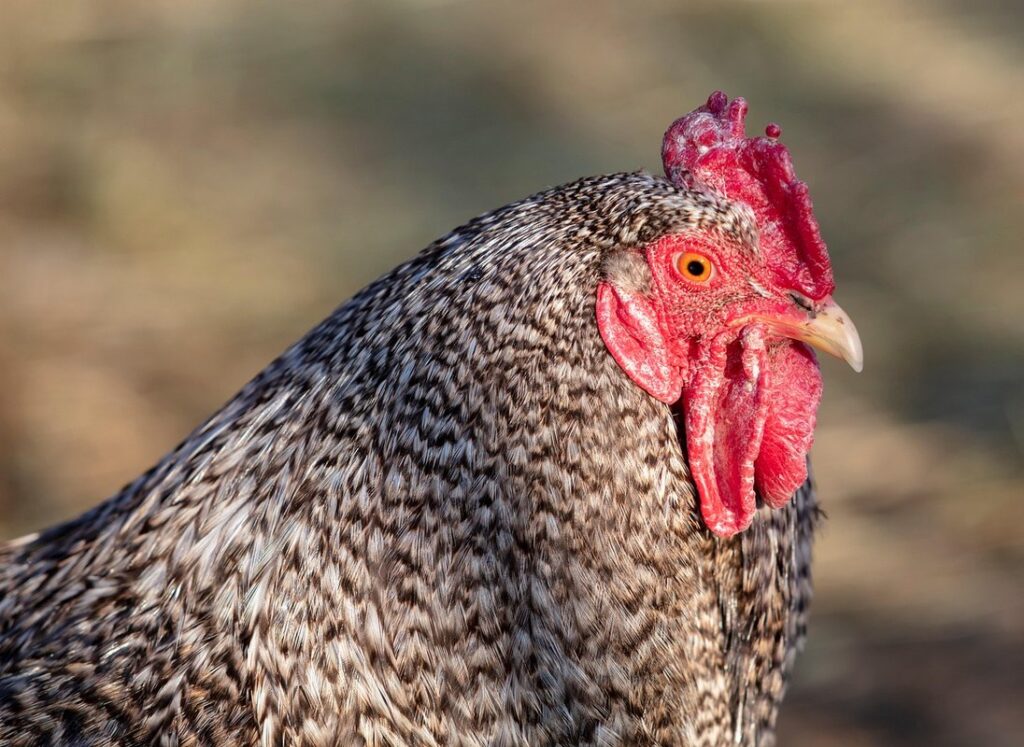
The Plymouth Rock rooster is an impressive sight to behold, with its sturdy build and striking plumage making it a standout on any farm or homestead. One of the most notable characteristics of this breed is its size, with adult males weighing between 9-12 pounds (4-5.4 kg) and standing at around 20-24 inches (51-61 cm) tall. This substantial build makes them well-suited for foraging and scratching in the yard.
Their plumage is another defining feature of the Plymouth Rock rooster, with a mix of silver and gold feathers giving them a beautiful, multi-tonal appearance. Their hackle feathers are particularly striking, often forming a prominent crest that adds to their overall majesty. The comb type on this breed is also worth noting – they typically have a single, large comb that sits atop the head, adding to their already impressive presence.
The combination of size, plumage, and comb type all contribute to the Plymouth Rock rooster’s impressive appearance, making them a valuable addition to any farm or homestead. Whether you’re looking for a bird to protect your flock or simply want to add some visual interest to your property, this breed is certainly worth considering.
Raising a Healthy Plymouth Rock Rooster
When it comes to raising a healthy Plymouth Rock rooster, you’ll want to focus on proper nutrition and regular health checks to prevent common issues like feather pecking. Providing adequate space for exercise is also crucial for their well-being.
Nutritional Requirements for Growth and Development
As you raise your young Plymouth Rock rooster, it’s essential to provide him with the right nutritional foundation for optimal growth and development. During critical growth stages, from hatch to 20 weeks old, proper nutrition is vital to support rapid growth, muscle development, and immune system maturation.
A well-balanced diet should include a mix of protein, carbohydrates, fats, vitamins, and minerals. For young roosters, a starter feed with 18-20% protein content is ideal for the first 8 weeks. As they grow, you can gradually transition to a finisher feed with 16-18% protein from 8-20 weeks.
Common nutritional deficiencies that can impact your rooster’s health include vitamin D3 deficiency leading to rickets, and inadequate calcium intake causing leg problems. Monitor their feed closely and ensure access to fresh water at all times. A good rule of thumb is to provide 1/4 to 1/2 pound of food per day for the first month, increasing it by a quarter pound every week thereafter.
Keep in mind that every bird is different, so observe your rooster’s individual needs and adjust feeding amounts accordingly.
Health Considerations for the Growing Rooster
As you raise your young Plymouth Rock rooster, it’s essential to be aware of potential health issues that may affect his overall well-being. One common concern is brooder pneumonia, a bacterial infection that can easily spread through contaminated water or feed. Look for symptoms such as labored breathing, wheezing, and a persistent cough. To prevent this, ensure your brooder has good ventilation, keep the environment clean, and disinfect any equipment regularly.
Another critical health issue to monitor is Marek’s disease, a viral infection that can cause weight loss, lethargy, and vision problems. Be on the lookout for swollen eyelids, difficulty walking, or an unsteady gait. To prevent Marek’s, maintain good hygiene practices, provide adequate space in the brooder, and consider vaccinating your chicks before they’re three weeks old.
Regularly inspect your rooster’s overall health by checking his droppings, eyes, and comb for any signs of infection. By staying vigilant and taking proactive steps to prevent these common issues, you can help promote a healthy and happy growing rooster.
Behavioral Traits of the Plymouth Rock Rooster
Plymouth Rock roosters are known for their friendly and curious nature, making them a delight to have around. Let’s dive into some of the key behavioral traits that make these birds so endearing.
Temperament and Socialization
The temperament of the Plymouth Rock rooster is generally considered to be docile and friendly. They are known for their gentle nature, which makes them an excellent choice for backyard flocks with families and children. However, like all roosters, they can have a tendency towards aggression, particularly if they feel threatened or territorial.
It’s essential to socialize young Plymouth Rock roosters from the outset to ensure they develop good flock dynamics. Start by introducing them to other chickens at a young age, allowing them to establish relationships and learn important skills like pecking order. You can also try pairing them with older, more experienced hens who will help teach them how to behave.
One practical tip is to handle your roosters regularly, starting from an early age. Get them accustomed to human presence by simply sitting near them or gently stroking their feathers. This will not only help reduce aggression but also make handling easier when they’re older. By investing time and effort into socialization, you’ll be rewarded with a calm and well-adjusted rooster that’s an asset to your flock rather than a liability.
Aggression and Dominance Issues in Roosters
As any seasoned chicken keeper will attest, Plymouth Rock roosters can be quite the handful when it comes to aggression and dominance issues. If you’re experiencing problems with your rooster’s behavior, rest assured that you’re not alone. In fact, it’s estimated that up to 70% of backyard chicken keepers encounter some level of aggression in their male birds.
So, what causes these issues? For Plymouth Rock roosters, it often comes down to genetics and breeding history. These birds were originally developed as dual-purpose chickens, bred for both meat and egg production. As a result, they can inherit traits like assertiveness and competitiveness from their ancestors. This doesn’t mean you can’t address the problem, though! One of the most effective ways is through training.
Try implementing positive reinforcement techniques, such as rewarding your rooster with treats when he exhibits calm behavior around others. You can also modify his environment by providing separate areas for eating, sleeping, and relaxing to reduce competition for resources. If all else fails, it may be necessary to consider culling the bird if his aggression poses a significant threat to human safety or other flock members.
Managing a Flock with Multiple Roosters
When you’re dealing with multiple roosters, it’s essential to understand how they’ll interact and breed within your flock, especially if you’re raising Plymouth Rock chickens. This section will guide you through managing a harmonious multi-rooster environment.
Establishing a Hierarchy
Establishing a clear pecking order within a flock of roosters and hens is crucial for maintaining harmony and reducing aggression. When multiple roosters are present, it’s essential to establish a hierarchy to prevent fighting and stress among the birds.
To introduce new birds to an existing flock, start by keeping them separate at first. This allows you to monitor their behavior and body language, making it easier to identify any potential conflicts. Begin with visual introductions, such as placing their enclosures next to each other or providing a shared view of the same space.
When introducing new roosters, it’s often beneficial to start with younger birds or those that are smaller in stature, allowing them to establish dominance over time. However, this should be done gradually and under close observation. Always prioritize the safety of your birds and take steps to prevent aggression by separating resources such as food, water, and perches.
Gradually increasing interaction time between new and existing birds will help them become familiar with each other’s presence. Provide plenty of space for the entire flock to move around freely, reducing competition and stress.
Tips for Keeping Multiple Roosters Healthy
Keeping multiple roosters healthy requires attention to detail and regular monitoring. First and foremost, ensure that all roosters are up-to-date on their vaccinations, particularly for diseases such as Marek’s disease and Newcastle disease. Consult with a veterinarian to determine the best vaccination schedule for your flock.
Regular parasite control is also crucial in maintaining the health of your roosters. Check for signs of internal parasites like worms or external parasites like mites or lice regularly. Use deworming medication as directed by a veterinarian, and ensure that the enclosure is clean and free from debris to prevent infestations.
Monitor each rooster’s behavior and physical condition closely. Be aware of any changes in appetite, droppings, or feather condition. Watch for signs of stress or injury, such as excessive pacing, wing flapping, or unusual vocalizations. If you notice anything out of the ordinary, separate the affected rooster immediately and consult a veterinarian.
In addition to regular checks, keep the enclosure clean and well-ventilated to prevent disease. Provide enough space for each rooster to move around comfortably, and ensure access to fresh water and nutritious feed at all times.
Caring for a Senior Plymouth Rock Rooster
Caring for a senior rooster requires special attention, especially when it comes to health issues that arise with age. This section will cover tips on managing common ailments in older Plymouth Rock roosters.
Age-Related Changes in Roosters
As your Plymouth Rock rooster ages, you’ll likely notice physical and behavioral changes that require attention. One of the first signs of aging is a decline in fertility. This can be due to reduced sperm count, lower testosterone levels, or other hormonal imbalances. Decreased fertility may lead to less frequent mating or even complete infertility.
Increased aggression is another common issue in older roosters. This can be caused by discomfort, pain, or anxiety related to age-related health issues. You might notice your usually docile rooster becoming more territorial, assertive, or even violent towards you or other flock members.
To identify and address these age-related issues, observe your rooster’s behavior closely. Look for signs of discomfort, such as limping, labored breathing, or difficulty walking. Consult with a veterinarian to rule out underlying health problems contributing to aggression or decreased fertility. Supportive care measures include providing a comfortable living space, ensuring adequate nutrition and hydration, and creating a stress-free environment.
Monitoring your rooster’s condition regularly will help you catch potential age-related issues early on, allowing for prompt intervention and better quality of life as they age.
Tips for Easing the Transition into Retirement
As you prepare to retire your trusty Plymouth Rock rooster, it’s essential to ease his transition into his new role. After years of being the flock leader, he may need some time to adjust to a quieter life.
When introducing him to other birds or pets, do so gradually and under controlled circumstances. Start by keeping them separated and allowing them to become familiar with each other’s scents and sounds. This can be done by placing their cages or enclosures near each other for several days before the big introduction.
Begin with visual introductions, then progress to supervised interactions, always monitoring body language and behavior. Reward calm behavior with treats, and intervene promptly if you notice any signs of aggression or stress.
Remember that even friendly birds can feel territorial, so be patient and give them time to adjust. With a gentle and gradual approach, your retired rooster will soon find his place in the flock and become an integral part of your household.
Conclusion: The Benefits of Raising Plymouth Rock Roosters
Now that we’ve explored the unique characteristics and needs of Plymouth Rock roosters, let’s take a closer look at why raising them can be such a rewarding experience.
Summary of Key Points
In conclusion to our comprehensive guide on Plymouth Rock roosters, let’s recap the essential points that make this breed a wonderful addition to any backyard flock. Firstly, we highlighted their impressive size and robust build, making them an ideal choice for farmers or homesteads looking for a reliable source of eggs and meat.
Their friendly and docile nature also makes them an excellent choice for families with children or those who want a low-maintenance pet. We discussed the importance of providing a balanced diet rich in protein and calcium to ensure their optimal growth and health. Additionally, we emphasized the need for regular exercise and adequate space to roam.
If you’re considering raising Plymouth Rock roosters, remember that they are social animals and thrive on interaction with humans and other birds. Make sure to provide plenty of attention, care, and affection to bring out their unique personalities. By following these guidelines, you’ll be well on your way to raising happy, healthy, and productive Plymouth Rock roosters that will bring joy to your family for years to come.
Final Thoughts on Raising Healthy, Happy Roosters
Raising a flock with multiple roosters can be a truly rewarding experience. Not only do these birds bring joy and entertainment to your backyard, but they also provide a sense of community and social interaction. With their lively personalities and unique characteristics, each rooster adds its own flavor to the flock.
As you’ve learned throughout this guide, Plymouth Rock roosters are known for their gentle nature, making them an excellent choice for families or beginners. But it’s not just about the breed – it’s about creating a harmonious environment that allows your birds to thrive. By providing adequate space, nutrition, and care, you can help your roosters live happy, healthy lives.
If you’re new to backyard chicken keeping, don’t be discouraged if things get tough along the way. Every flock has its own unique challenges, but with patience, persistence, and practice, you’ll become a seasoned expert in no time. Share your experiences, ask for advice from fellow keepers, and enjoy the journey of raising these amazing birds.
Frequently Asked Questions
What if I’m new to raising chickens, and I’ve never handled a rooster before? How do I prepare for introducing a Plymouth Rock rooster to my flock?
If you’re new to raising chickens or haven’t handled a rooster before, it’s essential to start with a gentle introduction. Begin by letting your rooster get accustomed to its surroundings, then gradually introduce him to the rest of the flock under close supervision. Monitor their behavior and body language, ensuring the transition is smooth.
Can I keep multiple Plymouth Rock roosters together in the same coop, or will they fight?
While Plymouth Rocks are known for their friendly nature, introducing multiple roosters can be challenging. It’s best to start with one dominant rooster and introduce additional birds gradually, ensuring there’s enough space (at least 5-7 square feet per bird) and adequate resources for all.
What if I notice my Plymouth Rock rooster is becoming aggressive or showing signs of dominance issues? How do I address this behavior?
Aggression in roosters can be a result of overcrowding, poor nutrition, or lack of exercise. To mitigate these issues, ensure your flock has ample space (at least 2 square feet per bird) and provide a balanced diet with adequate protein sources. You may also need to separate the aggressive rooster from the rest of the flock.
How do I know if my Plymouth Rock rooster is healthy, and what signs should I look out for in terms of aging or retirement?
Regularly inspect your rooster’s plumage, checking for any signs of mites, lice, or feather loss. Monitor his weight, appetite, and stool quality to ensure he’s receiving a balanced diet. As your rooster ages (typically around 3-4 years), you may notice changes in his behavior, such as decreased energy levels or difficulty walking.
Can I raise my Plymouth Rock rooster indoors, or do they require outdoor access?
While it’s possible to keep a Plymouth Rock rooster indoors, providing them with regular access to the outdoors is essential for their physical and mental health. Ensure your coop has adequate ventilation and natural light, and consider allocating at least 6 hours of outdoor time per day for exercise and foraging opportunities.