
Are you ready to join the flock of backyard chicken enthusiasts who are raising the bar on fresh, healthy eggs? If you’re looking for a way to differentiate your farm or homestead from the rest, consider adding blue egg chickens to the mix. These unique birds have been gaining popularity in recent years due to their stunning eggs and numerous benefits. Not only do blue eggs have a higher nutritional value than regular brown eggs, but they also command a premium price at market, making them a savvy business move for small farmers. But before you bring home your first batch of blue egg chickens, you’ll want to learn the ins and outs of choosing the right breed, providing proper care, and marketing these specialty eggs to maximize their value.
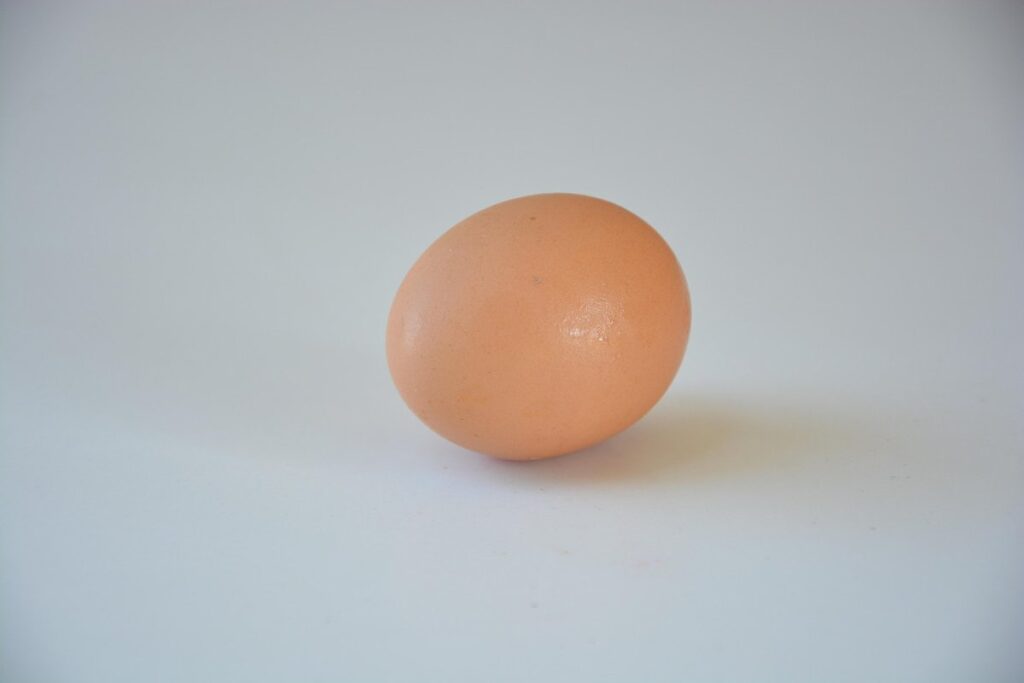
What Are Blue Egg-Laying Chickens?
Blue egg-laying chickens are a fascinating breed that lay eggs in a stunning shade of blue, but what exactly makes them special and how do they get their unique color.
Characteristics of Blue Egg Layers
Blue egg layers come in various breeds, each with its unique physical characteristics. Some common features among these birds include their plumage, which can range from lavender to slate gray, and their beak color, often a shade of blue or purple. The body shape and size also vary, with some breeds being more compact than others.
In terms of temperament, blue egg layers are generally known for being friendly and docile. They are easy-going birds that get along well with other pets in the household. Some popular breeds like the Easter Egger and Ameraucana are particularly known for their gentle nature. These birds also tend to be more curious than aggressive, making them a great choice for backyard flocks.
When it comes to egg-laying habits, blue egg layers are prolific producers. They can lay anywhere from 280 to 300 eggs per year, depending on breed and individual bird health. The eggs themselves are often described as having a blue-green tint or an iridescent sheen. To encourage healthy egg production, it’s essential to provide your birds with a balanced diet, plenty of fresh water, and adequate space to roam.
History and Origin of Blue Egg Chickens
The history of blue egg-laying chickens is a fascinating one. These birds have been bred for centuries to produce eggs with their unique, striking color. The exact origin of the first blue egg layers is unclear, but it’s believed that they were developed from crosses between various breeds in Europe.
One of the earliest recorded attempts at breeding blue egg layers was in 19th-century England, where breeders aimed to create a chicken that would lay eggs with a distinctive bluish tint. The goal was not only to produce visually appealing eggs but also to improve the overall hardiness and disease resistance of these birds.
The Araucana and Ameraucana breeds are two of the most well-known blue egg layers today, and they’ve been instrumental in spreading this trait among other chicken breeds. These birds originated from South America, where they were prized for their ability to thrive in harsh environments and produce eggs with a range of colors, including blue.
As you consider adding blue egg layers to your flock, it’s worth noting that these birds can be temperamental and may require extra attention and care. However, their unique characteristics make them a popular choice among chicken enthusiasts, and with the right management, they can thrive in any backyard flock.
Benefits of Keeping Blue Egg-Laying Chickens
If you’re considering raising blue egg-laying chickens, it’s essential to know the advantages they bring to your backyard flock and daily life. These benefits are what make them a popular choice among chicken enthusiasts worldwide.
Nutritional Value of Blue Eggs
When it comes to blue egg-laying chickens, one of the most significant advantages is their nutritional value. Blue eggs contain higher levels of omega-3 fatty acids compared to regular eggs. These essential fatty acids play a crucial role in heart health and brain function. In fact, research suggests that consuming eggs rich in omega-3s can lower triglycerides and blood pressure.
In addition to omega-3 content, blue eggs also boast antioxidant properties. Antioxidants help protect the body against free radicals, which can cause cell damage and contribute to various diseases. The antioxidants present in blue eggs come from the layer’s diet, which is typically enriched with foods high in beta-carotene, such as leafy greens and fruits.
To reap the benefits of blue eggs’ nutritional value, consider incorporating them into your diet 2-3 times a week. You can also experiment with different recipes to maximize their flavor and nutrient retention. For instance, try baking or poaching blue eggs to preserve their moisture and nutrients.
Increased Demand for Specialty Eggs
The demand for specialty eggs has been on the rise, driven by consumers seeking unique and high-quality products. Blue egg-laying chickens are increasingly sought after due to their distinctive eggs, which are prized for their vibrant blue color and rich flavor. By keeping blue egg layers, you can tap into this growing market and earn a significant income.
To start, consider joining local farmers’ markets or online platforms that connect consumers with specialty egg producers. You can also target high-end restaurants and cafes that are willing to pay premium prices for unique ingredients. To increase your chances of success, focus on developing a strong brand identity and building relationships with potential customers.
Some successful blue egg producers have reported earning up to $5 per dozen eggs, making this a lucrative venture for backyard chicken keepers. To maximize profits, consider diversifying your product line by offering value-added products such as farm-fresh egg cartons or artisanal baked goods using your own eggs. With careful planning and marketing, keeping blue egg layers can be a profitable business that not only provides you with a steady income but also connects you with like-minded individuals who share your passion for sustainable living and unique food products.
Choosing the Right Breed of Blue Egg Chicken
When selecting a blue egg chicken breed, it’s essential to consider factors such as egg size, temperament, and climate adaptability. We’ll walk you through the top breeds to choose from.
Popular Breeds of Blue Egg-Laying Chickens
If you’re looking for breeds that consistently produce blue eggs, there are several popular options to consider. One of the most well-known is the Araucana breed. Originating from South America, these birds have been prized for their unique ability to lay blue eggs for centuries. Known for their gentle nature and relatively small size, Araucanas make excellent pets for backyard chicken keepers.
Another breed that’s gaining popularity among blue egg enthusiasts is the Ameraucana. Hailing from North America, this hardy bird boasts a stunning array of characteristics, including its striking blue eggs. What’s more, Ameraucanas are known to be relatively low-maintenance, requiring less space and feed than some other breeds.
Last but certainly not least, the Cream Legbar is another breed worth mentioning. A cross between an Araucana and a Barred Plymouth Rock, this bird has inherited the best of both worlds – including its prized blue egg-laying ability. With their friendly demeanor and moderate size, Cream Legbars are perfect for families or those with smaller backyards.
In terms of choosing which breed to bring home, it’s worth considering factors like climate, available space, and your own lifestyle. Each breed has its unique quirks, so take the time to research and understand what you’re getting into before making a decision.
Considerations When Selecting a Breed
When selecting a breed of blue egg chicken, there are several key considerations to keep in mind. One of the most important factors is climate adaptability. If you live in an area with extreme temperatures, such as very hot or cold climates, it’s essential to choose a breed that can tolerate these conditions. For example, breeds like the Araucana and the Ameraucana are well-suited for cooler climates, while the Marans and the Barnevelder do better in warmer weather.
Another crucial factor is space requirements. If you have limited space on your homestead or farm, it’s essential to choose a breed that doesn’t require too much room to roam. For example, smaller breeds like the Bielefelder and the Booted Bantam are perfect for backyard flocks with limited space. On the other hand, larger breeds like the Australorp and the Sussex may require more space to move around.
Ultimately, it’s essential to consider your local climate and available space when selecting a breed of blue egg chicken. Researching different breeds and their needs will help you make an informed decision and ensure that you choose a breed that thrives in your environment.
Raising Blue Egg-Laying Chickens: Housing and Care
When it comes to raising blue egg-laying chickens, providing them with a safe and suitable living environment is crucial for their health and well-being. We’ll cover essential housing and care requirements in this section.
Providing Suitable Housing for Blue Egg Layers
When it comes to raising blue egg-laying chickens, providing suitable housing is crucial for their health and well-being. One of the most critical aspects of their living space is proper ventilation. Blue egg layers, like all chickens, produce a significant amount of ammonia-rich droppings, which can lead to respiratory problems if not managed properly. Ensure that your coop has adequate windows and vents to allow fresh air to circulate and stale air to escape.
Lighting is another essential consideration for blue egg chicken housing. These birds need sufficient light to regulate their circadian rhythms, which in turn affects egg production and overall health. Consider installing high-quality LED lighting specifically designed for poultry houses, which can be programmed to provide the optimal amount of daylight hours.
Nesting boxes are also vital for blue egg layers. Each bird needs a secure, clean place to lay her eggs without being disturbed by other hens. A good rule of thumb is to provide one nesting box per three to four birds, and ensure they’re positioned in a quiet, dark area of the coop. Line the boxes with soft bedding material like straw or hay to make them comfortable for your girls.
Nutrition and Health Considerations for Blue Egg Layers
When it comes to raising blue egg-laying chickens, understanding their nutritional needs is crucial for maintaining their overall health and well-being. Blue eggs are produced by Araucana and Ameraucana breeds, which have a genetic trait that causes them to lay blue eggs due to a condition called oocyanin.
Dietary needs of blue egg layers are similar to those of other chicken breeds, but they require a few essential nutrients in higher amounts. Provide your flock with a balanced layer feed that contains around 16-18% protein and includes essential vitamins and minerals like calcium, phosphorus, and vitamin D3. A good quality layer feed will also contain added supplements such as probiotics, omega-3 fatty acids, and electrolytes.
Some common health issues in blue egg layers include hypothyroidism, egg binding, and reproductive problems. Monitor your flock’s behavior, egg production, and overall health closely to catch any potential issues early on. Regular veterinary check-ups can also help identify any underlying conditions that may be affecting your birds’ well-being.
Collecting and Storing Blue Eggs
When collecting blue eggs, it’s essential to handle them gently to prevent breakage, as their delicate shells are more prone to cracking than regular eggs. Let’s explore some practical storage solutions for your precious blue eggs.
Tips for Gathering Blue Eggs Safely
When collecting blue eggs from your flock, it’s essential to handle them with care to avoid damage and contamination. One of the most common mistakes egg collectors make is not supporting the egg gently enough. To avoid this, try lifting the egg vertically by its base or gently cupping it in your hand.
Another crucial aspect of safe egg collection is handling eggs on a slanted surface. This allows any debris or dirt to roll off, reducing the risk of contamination. A clean and flat surface for collecting eggs is also vital, as it makes it easier to spot any potential issues with the eggs.
Regularly inspecting your flock’s nesting boxes can help you identify potential problems before they become serious. Make a habit of checking for cleanliness, adequate ventilation, and signs of damage or wear on the boxes themselves. By being mindful of these details, you’ll be able to collect blue eggs safely while maintaining the health and well-being of your birds.
To minimize the risk of breakage, it’s also essential to check the egg-laying schedule of your flock. Typically, most hens will lay their eggs in the morning, making this an ideal time for collection.
Storage Methods for Fresh and Frozen Blue Eggs
When it comes to storing blue eggs, you’ll want to keep them fresh for as long as possible. There are several methods you can use, but the most common ones involve refrigeration and freezing.
Refrigerating Blue Eggs:
Store blue eggs in their original carton or a covered container on the middle or top shelf of your refrigerator. Keep them away from strong-smelling foods, as they can absorb odors easily. Aim to store them at a consistent temperature below 40°F (4°C). You can also keep them in a cool, well-ventilated area if you don’t have refrigeration.
Freezing Blue Eggs:
If you have more blue eggs than you can consume before they spoil, consider freezing them. Wash and dry the eggs, then place them in an airtight container or freezer bag. Make sure to label the containers with the date and contents. Frozen blue eggs are perfect for baking and cooking later on. When you’re ready to use them, simply thaw them overnight in the refrigerator or under cold running water.
Remember that frozen eggs will not have the same texture as fresh ones, but they’ll still work well in most recipes. Always check for any visible signs of spoilage before storing your blue eggs, and enjoy their unique beauty in your kitchen!
Marketing and Selling Blue Egg-Laying Chickens and Their Products
If you’re considering breeding blue egg-laying chickens for sale, it’s essential to develop a solid marketing strategy to showcase their unique features and appeal to potential customers. We’ll walk you through the key considerations for successful marketing and sales.
Strategies for Marketing Specialty Eggs and Chicken Products
When it comes to marketing specialty eggs and chicken products from blue egg-laying chickens, you want to emphasize their unique characteristics and appeal to customers who are looking for something new and exciting. Start by highlighting the benefits of blue eggs, such as their rich, dark color and the fact that they’re produced by a distinct breed.
To connect with potential customers, consider partnering with local chefs, bakeries, or restaurants to feature your blue eggs on their menus. This can help generate buzz and create a sense of exclusivity around your product. You can also leverage social media platforms like Instagram to showcase the beauty of blue eggs and share recipes that incorporate them.
Another effective strategy is to emphasize the nutritional benefits of blue eggs. Studies have shown that they have higher levels of antioxidants and omega-3 fatty acids than regular eggs, making them a healthier choice for consumers. Highlighting these unique selling points can help you stand out in the market and attract customers who are looking for high-quality, specialty products.
Building a Brand Around Your Blue Egg-Laying Operation
Building a strong brand around your blue egg-laying operation is crucial to differentiate yourself from others and attract loyal customers. A well-crafted brand identity will not only make your farm stand out but also create an emotional connection with potential buyers.
Start by developing a unique logo that represents your farm’s values and character. This visual element should be consistent across all marketing materials, including social media profiles, packaging, and even the farm’s website. Invest in high-quality photography to showcase your blue egg-laying hens and their beautiful eggs.
Create engaging content on social media platforms like Instagram, Facebook, and Twitter to share stories about your farm, such as daily life with your chickens, tips on chicken care, and recipes using blue eggs. Interact with customers by responding to comments and messages promptly, sharing behind-the-scenes moments, and offering special promotions or discounts.
Consider partnering with local businesses or influencers to expand your reach and create a loyal customer base. Develop a brand voice that reflects your personality and values, making it easier for customers to connect with you on an emotional level. Remember, building a strong brand takes time and effort, but the rewards are well worth it – increased sales, customer loyalty, and a reputation as a trusted blue egg provider.
Frequently Asked Questions
Can I start raising blue egg-laying chickens with a small flock or do they require a large setup?
Yes, you can raise blue egg-laying chickens even with a small flock. They have similar space and housing requirements as other chicken breeds. However, it’s essential to ensure your coop provides enough space for the birds to move around comfortably.
What is the ideal climate for raising blue egg layers, and do they tolerate heat or cold well?
Blue egg layers are relatively adaptable to different climates but prefer temperatures between 40°F and 80°F (4°C and 27°C). They can tolerate some heat, but extreme temperatures above 90°F (32°C) may cause stress. In cold climates, provide extra insulation and ventilation in the coop.
Can I mix blue egg layers with other chicken breeds, or do they need to be kept separate?
Blue egg layers can get along well with other friendly breeds, especially if introduced at a young age. However, some breeds may have conflicting personalities or require separate housing due to noise or resource competition. Observe your flock’s dynamics and adjust accordingly.
How long does it take for blue egg-laying chickens to start producing eggs, and what is the average egg-laying capacity?
Blue egg layers typically reach maturity at around 20-24 weeks of age and begin laying eggs within a few months. Their average egg-laying capacity varies depending on breed but can range from 280 to 300 large blue eggs per year.
Can I sell my blue eggs as organic or do they require additional certification?
To market your blue eggs as organic, you’ll need to comply with local and national regulations regarding organic farming practices. This may involve separate documentation, inspections, and labeling requirements. Consult relevant authorities for specific guidelines in your area.