
Are you looking to start or expand your backyard flock? Perhaps you’re wondering how to maximize egg production while keeping your chickens happy and healthy? If so, then this guide is for you. Choosing the right breed of egg laying chicken can be overwhelming, but with a little knowledge, you’ll be well on your way to collecting fresh eggs from your very own coop. But it’s not just about selecting the best breed – managing your flock effectively and maintaining a clean, safe environment are crucial for sustainable egg production.
In this article, we’ll cover everything you need to know to become an expert in raising egg laying chickens. From choosing the right breed to tips on maximizing egg laying efficiency, we’ve got it all covered. We’ll also share advice on how to maintain a healthy coop and ensure your flock remains happy and productive for years to come.
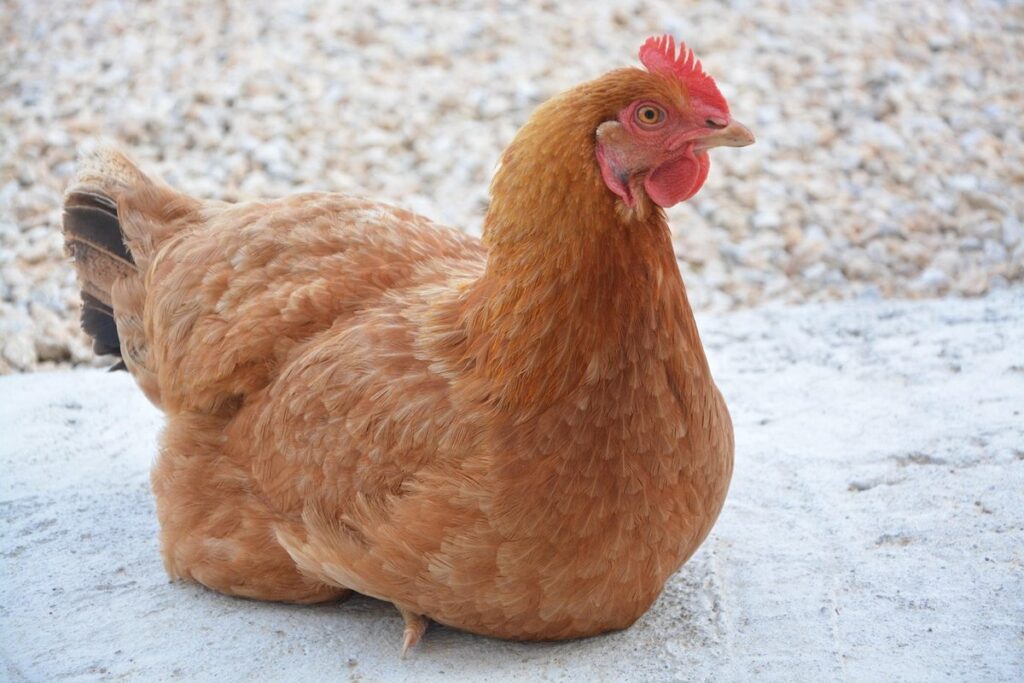
Choosing the Right Breed
When it comes to adding some feathered friends to your flock, selecting a breed that’s right for you is crucial. This section will help you navigate the many options and find the perfect egg-laying companion.
Factors to Consider When Selecting a Bred
When selecting an egg laying breed, there are several key factors to consider beyond just their egg production rate. For instance, you’ll want to think about the temperament of the breed. Some breeds, such as Leghorns and Rhode Island Reds, are known for being docile and easy-going, making them a great fit for families with children or first-time chicken keepers. Others, like Silkies and Polish, can be quite flighty and may require more attention and handling.
Another crucial factor to consider is climate adaptability. If you live in an area with extreme temperatures, such as the scorching heat of summer or the freezing cold of winter, you’ll want a breed that’s hardy enough to thrive in those conditions. For example, Orpingtons are known for their ability to handle cooler temperatures and can even tolerate light snowfall.
Finally, consider how much space you have available for your flock. Some breeds, such as Bantams, require less room to roam than larger breeds like Brahma or Jersey Giants. Be sure to research the specific needs of each breed before making a decision.
Popular Egg-Laying Breeds for Beginners
When it comes to choosing an egg-laying breed for your backyard flock or small farm, there are several popular options that are perfect for beginners. These breeds not only produce a steady supply of fresh eggs but also thrive on minimal care and attention.
One of the most popular breeds among new chicken keepers is the Leghorn. Known for their high egg production, Leghorns can lay up to 300 eggs per year, making them an excellent choice for families or small-scale farmers looking for a reliable source of eggs. They are also relatively low-maintenance, requiring less space and care than some other breeds.
Another popular breed is the Rhode Island Red. These birds are known for their rich, brown eggs and can lay up to 200 eggs per year. They are friendly, docile, and easy to handle, making them an excellent choice for beginners who want a gentle, low-drama flock.
Australorp chickens are also gaining popularity among backyard chicken keepers. With an average of 250-300 eggs per year, they are a reliable source of fresh eggs. They are quiet, laid-back birds that require minimal care and attention, making them perfect for those with limited space or experience.
Ultimately, the best breed for you will depend on your specific needs and preferences. However, these three breeds offer a great starting point for beginners looking to establish a thriving backyard flock.
Understanding Egg Production Genetics
Genetics play a significant role in determining an egg-laying chicken’s fertility and productivity. Egg production is influenced by multiple genes that interact with each other to control traits like egg size, number of eggs laid per year, and broodiness. Understanding these genetic factors can help you select breeds that meet your needs.
Look for breeds known for their high fertility rates, such as Leghorns and Rhode Island Reds. These breeds have undergone selective breeding to prioritize egg-laying capacity over other traits. Some breeders also use techniques like embryo transfer and artificial insemination to further enhance fertility rates.
When choosing a breed, consider the genetic background of the parents. A dam (mother) with high fertility will likely pass on these traits to her offspring. Additionally, select breeds that are less prone to reproductive issues, such as egg binding or prolapse.
By understanding genetics and selecting breeds accordingly, you can increase the chances of successful hatching and improve overall flock productivity. Keep in mind that every breed has its unique characteristics, so research carefully before making a decision.
Health Considerations for Egg Laying Chickens
When it comes to raising egg laying chickens, understanding their health needs is crucial for a happy and thriving flock. Let’s dive into some essential considerations to keep your girls healthy.
Common Health Issues Affecting Egg Layers
Egg laying chickens are prone to various health issues that can impact their productivity and overall well-being. One of the most common health concerns is Marek’s disease, a viral infection that affects the nervous system and immune system of birds. Symptoms may not be apparent until the disease has progressed, making it essential for backyard chicken keepers to vaccinate their flock regularly.
Another significant health issue affecting egg laying chickens is salmonella, a bacteria that can cause intestinal problems and death in severe cases. Salmonella outbreaks are often linked to poor hygiene practices, so keeping your coop clean and disinfecting equipment regularly is crucial. Parasite infestations, such as internal parasites like worms and external parasites like lice and mites, are also common health issues.
Regular monitoring of your flock’s behavior, appetite, and egg production can help identify potential health problems early on. A balanced diet, adequate ventilation in the coop, and a clean living environment all contribute to maintaining healthy birds. It is also essential to maintain a good relationship with a veterinarian who can provide expert advice on disease prevention and treatment for your specific flock.
Nutritional Requirements for Optimal Health
Egg-laying hens require a balanced diet that meets their nutritional needs to maintain optimal health. The essential nutrients they need can be broken down into three main categories: energy-providing nutrients, protein-building blocks, and vitamins and minerals.
To provide the necessary energy, egg-laying hens need a source of carbohydrates, such as oats or barley, which should make up about 10-15% of their diet. They also require proteins from sources like soybean meal or fishmeal, making up around 15-20% of their diet. Vitamins and minerals are equally important, with calcium being a crucial component for maintaining strong eggshell production.
A common issue in backyard chicken keeping is calcium deficiency, which can lead to soft eggs and poor shell quality. To avoid this, it’s essential to provide a balanced layer feed that includes sufficient calcium content or supplement their diet with crushed oyster shells or dark leafy greens like kale and spinach. Aim for about 2-3% of their total diet to be composed of these essential nutrients for optimal egg production and overall health.
Implementing a Biosecurity Plan
Implementing a biosecurity plan is crucial to maintaining a healthy and productive flock. When it comes to egg laying chickens, disease outbreaks can be devastating, resulting in significant losses of birds, income, and emotional investment. A clean and secure coop is the foundation of a successful backyard flock.
To start, make sure your coop has good ventilation, as ammonia from bird droppings can spread diseases quickly. Regularly disinfect all surfaces, including nesting boxes, perches, and feeders. Use a 1:10 solution of bleach to water for effective cleaning, but always follow safety guidelines when handling chemicals.
Prevent outside contamination by sealing gaps and holes in the coop’s walls and windows. Install rodent-proof traps or exclusion devices around doors and vents. Ensure all visitors entering the coop wear clean clothes and shoes, removing any unnecessary items that may harbor diseases. Regularly inspect your flock for signs of illness and quarantine any birds showing symptoms.
By following these simple steps and maintaining a strict biosecurity plan, you can significantly reduce the risk of disease outbreaks in your egg laying chickens.
Building the Perfect Coop
When it comes to raising healthy, happy egg-laying hens, a well-designed coop is essential. In this next section, we’ll show you how to build a coop that meets your chickens’ needs and protects them from predators.
Essential Features for an Egg-Laying Hen House
When designing an egg-laying hen house, there are several essential features to consider for a happy and healthy flock. Ventilation is crucial, as it helps to remove moisture and ammonia from the coop, which can be toxic to hens. Ensure proper airflow by installing windows or vents on opposite sides of the coop, allowing fresh air to circulate.
Proper lighting is also vital for egg-laying hens. They require a 14-hour day-night cycle to produce eggs efficiently. Install LED lights specifically designed for chicken coops, as they are energy-efficient and can be programmed to provide the required light intensity during different times of the day.
Nesting boxes are another essential feature, providing a safe and comfortable spot for hens to lay their eggs. The general rule is one nesting box per three to four hens. Make sure the boxes are spacious enough (about 12 inches wide and 12 inches deep) and equipped with soft bedding material like straw or wood shavings.
A good coop design should also account for easy cleaning and maintenance. Consider a removable roof or walls, allowing you to access the interior for cleaning without disturbing the hens. This will help prevent disease and parasites from building up in the coop.
Tips for Maximizing Space Efficiency
When it comes to building a coop for your egg-laying chickens, space efficiency is crucial. You want to provide them with enough room to move around comfortably without sacrificing their health and well-being. Here are some valuable strategies to help you maximize space in small coops:
Consider vertical storage: Use wall-mounted perches, nesting boxes, and feeders to make the most of your coop’s vertical space. This not only saves floor space but also keeps the area clean and organized. For example, a simple wooden shelf can be installed above the nesting box for storing extra supplies.
Optimize nesting box placement: Typically, you’ll need about one nesting box per 3-4 hens. Position them in a quiet corner of the coop, away from drafts and predator access points. This will ensure your girls lay eggs safely and undisturbed.
Choose compact equipment: Select feeders and waterers that are designed for small coops, such as hanging or wall-mounted models. These space-saving solutions can help reduce clutter and make cleaning easier.
By implementing these space-efficient strategies, you’ll create a cozy and functional coop that meets your chickens’ needs while maximizing every inch of available space. Remember to always prioritize ventilation, lighting, and sanitation for optimal living conditions.
Choosing the Right Fencing Materials
When it comes to choosing the right fencing materials for your egg laying chicken coop, durability and predator resistance are top priorities. You want a fence that can withstand harsh weather conditions and keep those pesky predators out.
Consider using durable materials such as metal or high-quality wood for your fencing. Metal fencing is ideal for areas with heavy rainfall or extreme temperatures, while wooden fencing provides a more natural look and feel. For added security, consider adding a layer of chicken wire or hardware cloth around the perimeter of your fence to prevent predators from digging in.
Some popular options include:
• Chicken wire: A cost-effective and easy-to-install option that provides excellent ventilation for your flock.
• Hardware cloth: A sturdy mesh material that’s perfect for areas with high predator activity, such as coyotes or foxes.
• Metal fencing: A durable and low-maintenance option that’s ideal for large properties.
Remember to choose a fence height of at least 3 feet to prevent predators from jumping over. Also, make sure the fencing is securely attached to the coop and surrounding structures to prevent damage from strong winds or animals trying to escape. By selecting the right fencing materials, you’ll be able to protect your flock and ensure their safety for years to come.
Egg Laying Cycle: Understanding the Process
Understanding the egg laying cycle is crucial for any chicken keeper, as it helps you predict when your hens will start laying eggs and how often they’ll produce them. Let’s break down this essential process together.
Anatomy of an Ovary and Oviduct
The egg laying process is made possible by the intricate biology of a chicken’s reproductive system. Inside each hen lies two ovaries, which are responsible for producing and releasing eggs into the oviduct, where they’ll mature and receive their outer shell.
Let’s start with the ovary function: it produces yolks, or egg whites, in tiny sacs called follicles. Each yolk contains a cluster of cells that will eventually become an embryo if fertilized by a rooster. When an egg is ready to be laid, the ovary releases it into the oviduct through a muscular tube called the infundibulum.
From there, the egg travels down the oviduct where it receives its outer shell and membranes from glands along the way. The magnum gland adds layers of albumen (egg white) and mucous membrane to the yolk, while the uterus provides an inner lining for the eggshell. Finally, the infundibulum opens into a cloaca, a shared reproductive/urinary passageway, where the fully formed egg is released from the hen’s body.
Factors Influencing Egg Size and Quality
When it comes to egg laying chickens, several environmental factors can significantly impact the size, shape, and quality of their eggs. Temperature, for instance, plays a crucial role in determining egg size and quality. A study conducted by the University of California found that temperature fluctuations can cause an increase or decrease in egg size by as much as 10%. It’s essential to maintain a consistent temperature range between 40°F and 80°F (4°C and 27°C) for optimal egg production.
Lighting conditions also have a substantial impact on egg quality. Chickens require adequate light to stimulate their reproductive cycle, which is why supplemental lighting during the winter months can be beneficial for many breeds. However, excessive lighting can lead to decreased egg size and increased susceptibility to disease. Aiming for 14 hours of daylight and using LED bulbs specifically designed for poultry housing can help maintain a healthy balance.
Nutritional factors also come into play when considering egg quality. A balanced diet rich in protein, calcium, and other essential minerals is vital for producing high-quality eggs. Feeding your chickens a layer-specific feed or supplementing their diet with crushed oyster shells can significantly improve the size and consistency of their eggs.
How Age Affects Egg Production Rate
As hens mature, their egg-laying cycles undergo significant changes. When it comes to age and its impact on egg production rate, understanding the initial stages is crucial for optimal productivity. Most breeds begin laying eggs at around 18-24 weeks of age, with an average first egg being laid between 5-7 months.
During the initial stage, hens are still developing their reproductive systems, which can result in irregular egg-laying patterns and lower production rates. However, as they reach sexual maturity, typically by 6-8 months, their egg-laying frequency increases. Peak productivity usually occurs between 1-3 years of age, with some breeds laying up to 300 eggs per year.
Factors such as nutrition, health, and genetics play a significant role in determining the peak production rate of individual hens. Providing a balanced diet rich in calcium, protein, and other essential nutrients can support optimal egg-laying performance. As hens approach the end of their productive life cycle, typically around 4-5 years, their egg-laying frequency gradually declines.
To maximize your flock’s productivity, consider introducing new breeders at around 2-3 years to maintain a consistent supply of fresh eggs and replace aging layers.
Managing Your Flock for Sustainable Egg Production
To ensure a steady supply of fresh eggs, it’s crucial to manage your flock effectively and make informed decisions about feeding, breeding, and health care. Here are key considerations for sustainable egg production.
Tips for Encouraging Natural Behavior
When it comes to sustainable egg production, one of the most effective strategies is to encourage natural behavior in your hens. By doing so, you’ll not only promote their overall health and well-being but also optimize their egg-laying efficiency.
For example, providing a varied and nutritious diet that mimics their natural foraging habits can make a significant difference. Hens love to scratch and peck at the ground, searching for seeds, insects, and other tasty morsels. By incorporating a mix of grains, fruits, and vegetables into their feed, you’ll be stimulating their natural instincts.
Another crucial aspect is providing ample space for exercise and exploration. A well-designed coop with adequate ventilation and nesting boxes can help reduce stress and promote relaxed behavior. It’s also essential to rotate the hens’ access to different areas of the run to prevent boredom and fatigue.
In addition, consider introducing enrichment activities such as scratching posts, perches, or even a sandbox to keep your hens engaged and stimulated. By incorporating these simple yet effective strategies into your flock management routine, you’ll be well on your way to promoting natural behavior in your egg-laying chickens.
Best Practices for Managing Manure and Waste
Managing manure and waste effectively is crucial for maintaining a healthy coop environment and promoting sustainable egg production. It’s essential to create a plan that addresses the amount of waste generated by your flock, which can be substantial depending on the size of your operation.
Firstly, consider implementing a deep litter system in your coop. This involves adding a thick layer of bedding material such as wood shavings or straw, which helps to absorb moisture and odors. The deep litter is then removed periodically and replaced with fresh bedding. This method reduces the need for frequent cleaning and minimizes waste disposal.
Another approach is to compost manure on-site. You can set up a designated composting area and add manure, along with other organic materials such as vegetable scraps or coffee grounds. Regular turning of the compost helps to break down pathogens and create a nutrient-rich fertilizer for your garden.
Remember to always follow local regulations regarding waste disposal and ensure that you have adequate storage facilities for manure and waste materials. By implementing these strategies, you can maintain a clean and healthy coop environment while reducing your carbon footprint.
Creating a Long-Term Care Plan
Creating a Long-Term Care Plan for Sustainable Egg Production is crucial to ensure the health and productivity of your flock. A well-planned care strategy will help you anticipate and mitigate potential risks, such as disease outbreaks, that can impact egg production.
To begin planning, consider factors like feed costs, vaccination schedules, and parasite control measures. Establish a budget for regular veterinary check-ups, equipment maintenance, and emergency fund reserves. Allocate sufficient space and resources to maintain a stress-free environment for your flock.
Developing contingency plans is also essential. Prepare for potential disease outbreaks by identifying areas of vulnerability and implementing preventative measures such as biosecurity protocols, sanitation schedules, and vaccination programs. Review local regulations regarding animal health, ensure compliance with zoning laws, and develop relationships with nearby veterinarians to facilitate rapid response in case of emergencies.
Regularly review your care plan, updating it as necessary based on changes in weather patterns, flock demographics, or management decisions. This proactive approach will enable you to identify potential issues early on and implement effective solutions before they compromise the health and productivity of your flock.
Frequently Asked Questions
Can I raise egg laying chickens indoors if I have limited outdoor space?
Yes, it’s absolutely possible to raise egg laying chickens indoors with proper ventilation, lighting, and care. However, keep in mind that some breeds require regular exercise and fresh air, so ensure you provide a spacious indoor area or consider using a chicken run for outdoor access.
How often should I collect eggs from my flock?
Collecting eggs daily is essential to prevent breakage and maintain cleanliness. It’s also an excellent opportunity to inspect the coop and monitor your hens’ health. Consider implementing a schedule or assigning this task to a family member to ensure consistent egg collection.
What are some common mistakes beginners make when introducing new chickens to their flock?
Common mistakes include introducing too many new birds at once, not quarantining them properly, and neglecting to update vaccinations. To avoid these issues, start with one or two new birds, follow quarantine protocols, and consult with a veterinarian for advice on vaccination schedules.
Can I mix different egg-laying breeds in the same coop?
Mixing breeds can be beneficial if chosen carefully. However, it’s essential to consider factors like temperament, size, and egg-laying rate when introducing different breeds to the same flock. Research compatible breeds or consult with experienced chicken keepers to ensure a harmonious coop environment.
How long does it take for young hens to start laying eggs?
Young hens typically begin laying eggs between 16 to 24 weeks of age, depending on breed and nutrition. Ensure they receive optimal care, including proper feed and adequate lighting, to support their development and egg production.