
Are you tired of spending a fortune on lawn care services and chemicals that harm the environment? You’re not alone. Many homeowners are looking for eco-friendly solutions to manage weeds, but few have considered one of the most effective natural weed control methods: raising geese. That’s right – geese! These feathered friends can be harnessed as a powerful tool for controlling weeds on your property, saving you money and reducing your carbon footprint. But how do you get started? In this article, we’ll explore the benefits of using geese for weed control, best practices for raising them, and common challenges to watch out for. By the end of it, you’ll be well-equipped to join the ranks of those who’ve discovered the joys of geese-powered lawn care.
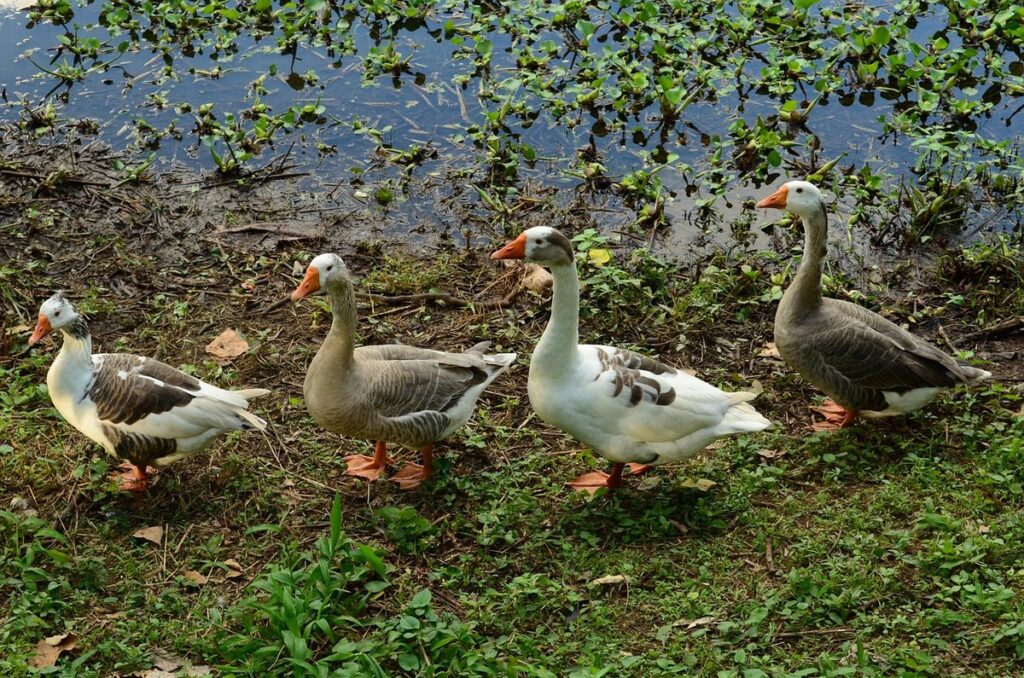
Benefits of Using Geese for Weed Control
One of the biggest advantages of using geese for weed control is their ability to selectively target and devour weeds, reducing your workload significantly. Let’s explore this benefit in more detail.
Advantages Over Traditional Methods
When it comes to managing weeds on your property, you’ve got options ranging from chemical herbicides to manual labor with lawn mowers. However, these traditional methods often come with drawbacks such as environmental degradation and financial burdens. Geese, on the other hand, offer a unique solution that’s both cost-effective and eco-friendly.
Not only do geese provide a natural means of weed control, but they also help maintain a healthy ecosystem by dispersing seeds and fertilizing soil through their droppings. This dual-purpose approach not only saves you money on herbicides and lawn care equipment but also eliminates the need for frequent mowing sessions.
As an added benefit, geese are low-maintenance compared to other weed control methods. With proper training and housing, they can be relied upon to tackle weeds effectively without requiring constant supervision.
Goose Behavior and Foraging Patterns
Geese are natural grazers and opportunistic feeders, which makes them highly effective at controlling weeds. They have a unique preference for certain types of vegetation, particularly grasses, clover, and various aquatic plants. In fact, research has shown that geese can consume up to 1-2 pounds of vegetation per day, making them a valuable asset for weed control.
When it comes to their foraging patterns, geese tend to prefer open areas with lush vegetation, such as meadows or pastures. They also thrive in aquatic environments, where they feed on submerged plants and algae. In fact, a study conducted by the University of California found that geese were able to reduce weed biomass by up to 90% in just one growing season.
To maximize their effectiveness, it’s essential to provide your geese with access to diverse and nutritious forage. This can be achieved by creating a mixed-grass pasture or incorporating aquatic plants into their diet. Additionally, geese are most active during the morning and evening hours, making it an ideal time for them to focus on weed control efforts.
Long-Term Cost Savings
One of the most significant advantages of using geese for weed control is the substantial long-term cost savings it offers. When you opt for this natural and efficient method, you can significantly reduce your equipment maintenance costs and lower labor expenses.
For instance, a typical lawn mower requires regular maintenance, including oil changes, blade sharpening, and filter cleaning. However, when using geese for weed control, the only maintenance required is occasionally checking their habitat to ensure it’s safe and clean. This not only saves you money on equipment upkeep but also reduces your environmental impact.
Moreover, using geese eliminates the need for costly herbicides, which can be detrimental to both humans and wildlife. By choosing this eco-friendly approach, you’ll save around $300-$500 per year on herbicide costs alone. Additionally, geese require significantly less labor than traditional weed control methods, as they can work tirelessly for hours without breaks or overtime pay.
On average, a single goose can cover about 1-2 acres of land in just one day, making them an efficient and cost-effective solution for large areas. By adopting this approach, you’ll not only enjoy significant long-term savings but also contribute to a healthier environment and reduce your carbon footprint.
Preparing Your Property for Goose Integration
Before introducing geese to your property, it’s essential to prepare your space by clearing debris and removing any obstructions that could harm them. This will ensure a safe and healthy environment for your new feathered friends.
Choosing the Right Breed
When it comes to choosing the right breed of geese for weed control, there are several factors to consider. You’ll want a breed that’s not only effective at devouring weeds but also gentle enough for family-friendly environments. Two popular breeds suitable for this purpose are White Chinese Geese and Embden Geese.
White Chinese Geese are known for their high feed efficiency and are often used in commercial weed control operations. They’re relatively small, weighing between 10-15 pounds, making them a great option for smaller properties. Their voracious appetite allows them to consume large quantities of weeds, including tough grasses and aquatic plants. However, they can be quite loud, so if you live in a residential area, this might not be the best choice.
Emden Geese are another popular breed, prized for their excellent grazing abilities. They’re larger than White Chinese Geese, weighing around 20-25 pounds, but their calm demeanor makes them suitable for family environments. Emden Geese are known to consume a wide variety of plants, including weeds, grasses, and aquatic vegetation. Their gentle nature also makes them a great option for families with children or pets.
Ultimately, the choice between these breeds will depend on your specific needs and preferences. Consider factors like property size, noise tolerance, and desired level of weed control when selecting the right breed for your geese integration project.
Housing and Fencing Requirements
When it comes to integrating geese into your property for weed control, ensuring they have the necessary infrastructure is crucial. This includes creating a safe and secure space where they can roam freely without posing a risk to themselves or others.
To prevent escape risks, you’ll need to ensure that any fencing surrounding their enclosure is at least 6 feet tall. Geese are excellent flyers and can easily clear lower fences, so it’s essential to invest in sturdy fencing materials like wood or metal. Consider adding an overhang on the fence posts to deter geese from perching on them.
In addition to preventing escape risks, you’ll also want to protect your geese from predators. This may involve installing netting or chicken wire around the enclosure, ensuring there are no gaps or weaknesses that can be exploited by potential threats. It’s also a good idea to consider adding a roof or awning over the feeding area to provide shelter and protection from the elements.
When designing their enclosure, consider including features like ponds or water sources, as geese need access to fresh water at all times. By investing in the right infrastructure, you can ensure that your geese are safe, happy, and able to do what they do best: controlling weeds on your property.
Health and Veterinary Care
When it comes to raising geese for weed control on your property, it’s essential to prioritize their health and well-being. Geese are prone to certain health issues that can be prevented with proper vaccinations and parasite control.
First, consult with a veterinarian who has experience with waterfowl to determine the best vaccination schedule for your geese. Typically, young goslings require a series of vaccinations against diseases such as Newcastle disease and infectious bronchitis. Adult geese may only need booster shots or an annual flu vaccine.
Parasite control is also crucial in maintaining healthy geese. Regularly inspect your property for signs of parasites like ticks, mites, and lice. Use an integrated pest management approach that includes monitoring, habitat modification, and targeted treatments when necessary.
To keep your geese hydrated and safe from predators, ensure they have access to clean water and shelter. Regular health checks will also help identify any underlying issues early on. By prioritizing the health of your geese, you’ll not only maintain a thriving flock but also protect their effectiveness as weed control agents.
Raising Healthy Gosses from Goslings to Adults
Now that your gosling has grown into a strong and healthy goose, it’s essential to continue providing proper care as they mature into adulthood, ensuring their overall well-being. This section will guide you through the next stage of their development.
Nutrition and Water Requirements
When it comes to raising healthy geese from goslings to adults, providing adequate nutrition and ensuring access to clean water are crucial. For goslings, a starter feed specifically formulated for waterfowl should be introduced at around 4-6 weeks old. This nutrient-rich food will support their rapid growth and development.
As they mature into adults, a balanced layer feed can be transitioned in, with the addition of supplements such as grit and oyster shells to support healthy digestion and strong eggshell production (if applicable). It’s essential to provide fresh water at all times, changing it frequently to prevent bacterial growth. A general rule of thumb is to provide 1-2 gallons of water per bird per day.
In terms of water quality management, ensure the watering system is regularly cleaned and disinfected to maintain its effectiveness. In areas with high levels of pesticide or herbicide use, consider using a water filter to minimize potential contaminants. By prioritizing your geese’s nutritional needs and providing clean drinking water, you’ll be well on your way to raising a robust and healthy flock that can efficiently control weeds on your property.
Shelter and Brooder Design
When it comes to shelter and brooder design for goslings and adults, you’ll want to prioritize climate control, space requirements, and predator protection. For goslings, a warm and draft-free environment is crucial during the first few weeks of life. A simple brooder made from a plastic bin or a wooden box with a heat source and ventilation can be an effective solution.
As the goslings grow, you’ll need to transition them to a larger shelter that provides adequate space for exercise and socialization. For adults, a sturdy coop with perches, nesting boxes, and adequate ventilation is essential. Consider using materials like wood or metal, which are durable and easy to clean.
When designing your shelter, take into account the local climate and predators in your area. In areas prone to extreme weather conditions, such as heavy rain or scorching heat, you’ll want to ensure that your shelter provides adequate protection from the elements. For predator protection, consider using hardware cloth or chicken wire with openings of 1 inch or smaller to prevent foxes and coyotes from getting inside.
In terms of space requirements, a general rule of thumb is to provide at least 5 square feet per adult goose. This will give them enough room to move around comfortably and reduce stress levels.
Training and Socialization
Training geese to follow commands is essential to ensure they remain effective weed controllers while also being manageable on your farm. Start by introducing basic commands like “come,” “go,” and “stay” using positive reinforcement techniques such as treats and praise. Consistency is key, so establish a routine and stick to it.
To prevent aggressive behavior, socialize your goslings from an early age with other geese and animals. This helps them develop good instincts and reduces the likelihood of territorial attacks on humans or pets. When introducing new animals, do so gradually and under close supervision to avoid conflicts.
When integrating geese into existing farm settings, it’s crucial to provide enough space for them to roam freely without feeling confined. Ensure their living quarters are clean, dry, and protected from predators. By taking these steps, you can create a harmonious environment where your geese thrive as both weed controllers and valued members of your farm family.
Some key considerations when socializing and training your geese include:
• Providing enough space for goslings to grow and roam without feeling confined
• Gradually introducing new animals to prevent conflicts
• Rewarding good behavior with treats and praise to encourage positive habits
Managing Geese for Optimal Weed Control
When it comes to effectively managing your geese, a well-thought-out plan is crucial to maximize their weed-control capabilities and keep them happy and healthy. This section will walk you through strategies for achieving this balance.
Foraging Patterns and Monitoring
When it comes to maximizing the effectiveness of geese as weed controllers, understanding and monitoring their foraging patterns is crucial. By adjusting feeding schedules accordingly, you can channel their natural grazing instincts towards specific areas where weeds are most prevalent.
To develop a comprehensive plan, start by observing your geese’s daily behavior and identifying patterns in their foraging activities. Note the times of day they tend to venture out, the areas they prefer to graze, and the types of vegetation they target. This information will help you pinpoint optimal feeding schedules that align with their natural grazing rhythms.
A common example is adjusting morning feeding times to coincide with geese’s natural instinct to forage in late spring or early summer when weeds are at their peak growth stage. For instance, if your geese consistently venture out between 8:00 and 10:00 am during this period, schedule a concentrated feeding session around these hours to maximize weed control.
To further refine your strategy, consider implementing a rotation system where specific areas receive supplemental feed on alternating days or weeks. This approach ensures consistent coverage of high-priority weed zones while maintaining the geese’s overall health and appetite.
Rotation and Rest Areas
When it comes to managing geese for optimal weed control, designating rest areas and rotation zones is crucial to prevent overgrazing and maintain even coverage of the property. This may seem like a simple task, but it requires careful planning to ensure that your geese are getting the rest they need without leaving any areas of the property unchecked.
To designate rest areas, choose sections of the property with plenty of water sources and shelter from the elements. These areas should be well-grazed by your geese, allowing them to rest and recover before moving on to new areas. Consider dividing your property into smaller zones or paddocks to make it easier for your geese to rotate through different areas.
For example, you could divide a 5-acre property into three zones: one for grazing, one for resting, and one for rotation. By rotating your geese every few days, you’ll be able to maintain even coverage of the property while also preventing overgrazing in any one area. This will ensure that your geese remain healthy and productive throughout their lives.
Integrated Pest Management Strategies
When it comes to managing geese on your property for optimal weed control, integrating them with other Integrated Pest Management (IPM) strategies can be a game-changer. IPM is an approach that considers the complex relationships between pests, their environment, and the ecosystem as a whole. By combining geese with other methods, you can create a holistic approach to pest management that reduces reliance on chemical controls.
For example, you could pair your goose patrol with physical barriers, such as fencing or netting, to prevent weeds from spreading. You could also use cultural practices like mowing and mulching to reduce weed growth. Additionally, introducing beneficial insects, like ladybugs or lacewings, can help control weeds by preying on their seeds and seedlings.
To implement a multi-faceted approach, start by identifying the types of weeds present on your property and determining the best methods for controlling them. Consider factors such as soil type, climate, and existing vegetation when choosing IPM strategies to combine with goose patrols. By integrating geese with other tactics, you can create a robust weed management system that minimizes harm to the environment while maximizing efficiency.
Challenges and Considerations for Large-Scale Operations
As you scale up your geese-based weed control operation, you’ll face unique challenges that require careful planning and consideration to maintain effectiveness and profitability. We’ll explore these challenges in more detail below.
Landscaping and Soil Quality Implications
When integrating geese into large-scale operations for weed control, it’s essential to consider the potential impacts on landscape aesthetics, soil quality, and ecosystem balance. Large flocks of geese can quickly overwhelm a property, leading to unsightly droppings and feathers scattered across lawns and gardens. To mitigate this issue, implement strategies such as rotational grazing or divided paddocks to prevent overgrazing in specific areas.
Soil quality is another concern when introducing geese to large-scale operations. Geese can compact soil with their feet, reducing drainage and aeration. However, they also contribute nutrients through their droppings, which can enhance soil fertility if managed properly. To maintain healthy soil quality, incorporate goose-friendly plants that are resistant to overgrazing, such as grasses or clover. Regularly monitoring soil pH and nutrient levels will help you adjust feeding strategies accordingly.
Ecosystem balance is another crucial aspect to consider when raising geese on a large scale. Geese can disrupt the natural balance of local wildlife populations by competing for food resources or altering habitat structures. To mitigate these effects, create goose-friendly habitats that minimize conflicts with native species. For instance, provide designated water sources and feeding areas to reduce competition with other animals.
Regulations and Zoning Laws
Before bringing home a flock of geese to control weeds on your property, it’s essential to research local regulations regarding livestock use. Zoning laws can be complex and may prohibit certain types of animals in residential areas. For instance, some municipalities have specific ordinances governing the number of animals allowed per acre or require special permits for raising waterfowl.
To ensure compliance, start by contacting your local government’s planning department or agricultural extension office. They will be able to provide you with information on relevant zoning laws and regulations. You’ll also need to check if any special permits are required for raising geese for weed control. This may include a permit to keep livestock in a residential area or a permit specifically for waterfowl.
When reviewing local regulations, consider factors such as noise restrictions, property size requirements, and animal density limits. Some areas may require you to keep your geese enclosed within a specific area, while others might have rules governing the type of fencing required. By understanding these regulations upfront, you can avoid costly fines or even worse – having to relocate your prized weed-control birds.
Marketing Strategies for Commercial Operations
When developing a marketing strategy to sell services or products related to goose-based weed control, it’s essential to emphasize the eco-friendly and cost-effective benefits of using geese as a natural herbicide. Highlighting the advantages of geese over traditional weed control methods can help you attract environmentally-conscious customers.
Consider partnering with local nurseries, landscapers, or parks departments to offer customized goose-based weed control services. This could include leasing geese for a season or providing ongoing maintenance and care for their existing flocks. By focusing on the specific needs of these clients, you can tailor your marketing efforts to appeal directly to them.
Another approach is to create value-added products such as “goose-friendly” fertilizers or natural pest control solutions that complement goose-based weed control. These could be marketed through social media channels, local gardening clubs, and online marketplaces. By diversifying your offerings and targeting specific customer segments, you can effectively promote the benefits of raising geese for weed control and establish a loyal customer base.
Frequently Asked Questions
How do I introduce geese to my property without scaring them off or causing stress?
When introducing geese to your property, it’s essential to start by letting them get familiar with their new surroundings at their own pace. Begin by placing food and water near the designated grazing area to entice them to come closer. Gradually increase their access to the area over time, allowing them to become comfortable with their new habitat.
Can I raise geese in small spaces, such as urban backyards or rooftop gardens?
While geese can thrive in smaller spaces, it’s crucial to consider their foraging needs and ensure they have adequate room to roam. A minimum of 1/4 acre per 2-3 adult geese is recommended. If space is limited, consider using raised beds or containers with suitable vegetation for them to graze on.
How do I maintain the health and well-being of my geese during extreme weather conditions?
Extreme temperatures, heavy rain, or intense sunlight can pose risks to your geese’s health. Ensure their shelter is designed to provide adequate ventilation and protection from harsh weather conditions. Provide extra water sources and ensure they have access to shade or a cool area when needed.
Are there specific breeds of geese that are more suitable for weed control in certain climates?
Yes, some goose breeds are better suited for specific climates due to their adaptability and tolerance to temperature extremes. For example, the African Goose is well-suited for warmer climates, while the Embden Goose thrives in cooler temperatures. Research local climate conditions and breed characteristics to determine the best fit for your property.
How do I prevent geese from becoming a nuisance or causing damage to my garden?
To prevent geese from becoming a nuisance, establish clear boundaries and rules for their behavior. Install fencing or netting around sensitive plants to protect them from foraging. Regularly inspect their grazing areas to identify and address any potential problems before they escalate into more significant issues.