
Are you looking for ways to create a more sustainable backyard ecosystem? If so, you’re in luck because combining raising chickens with composting can be a game-changer. Not only will it provide you with fresh eggs right at your doorstep, but it’ll also give you nutrient-rich fertilizer to nourish your garden and reduce waste.
This harmonious balance of chickens and compost is more than just a clever combination – it’s a chance to create a closed-loop system where every scrap of food or eggshell becomes a valuable resource. In this article, we’ll dive into the ins and outs of how to make your backyard work like a well-oiled machine, providing you with both fresh eggs and fertile soil for your garden. By following our simple tips and tricks, you can start enjoying the many benefits of this sustainable pairing today!
Why Keep Chickens?
If you’re considering keeping chickens, one of the biggest benefits is their ability to provide a steady supply of fresh eggs right in your own backyard! But there’s more to raising chickens than just egg-laying.
Advantages of Raising Chickens
Keeping chickens can be one of the most rewarding experiences for backyard enthusiasts. Not only do they provide an abundance of fresh eggs, but they also offer low maintenance care and a natural solution to pest control. With just 10-15 minutes of daily attention, you can enjoy the benefits of having your own flock.
One of the greatest advantages of raising chickens is the access to fresh, farm-to-table eggs right in your own backyard. Not only are these eggs more nutritious than store-bought ones, but they also taste better and have a unique flavor that’s sure to impress friends and family. Plus, collecting eggs every day can become a fun and meditative experience.
In terms of pest control, chickens are natural foragers and will happily devour slugs, snails, and other pests that might damage your garden. They’ll also help with weed control by scratching up weeds and aerating the soil. And, as an added bonus, their manure acts as a natural fertilizer, enriching the soil and promoting healthy plant growth.
By incorporating chickens into your backyard ecosystem, you can create a harmonious balance between nature and nurture – it’s a win-win for everyone!
Choosing the Right Breed for You
When it comes to choosing the right breed for you, there are several factors to consider. First and foremost, think about the space you have available for your flock. If you’re a beginner or live in a small backyard, a smaller breed like the Polish or Silkie may be a better fit. These birds are compact, gentle, and easy-going, making them perfect for small spaces.
On the other hand, if you have a larger yard and want to collect more eggs, consider breeds like the Leghorn or Rhode Island Red. These birds are prolific layers, producing 280-300 large brown eggs per year. However, they do require more space and can be noisier than smaller breeds.
Another important factor is temperament. Some breeds, like the Orpington, are known for their friendly, docile nature, making them a great choice for families with children. Others, like the Gamecock, can be more aggressive and better suited to experienced chicken keepers.
Ultimately, research different breeds and consider your lifestyle, space constraints, and personal preferences when selecting the perfect breed for you.
Setting Up a Chicken Coop and Run
To get started on your backyard chicken adventure, let’s talk about setting up a safe and secure coop and run for your feathered friends to thrive in. This is where it all begins!
Essential Components of a Chicken Coop
When setting up a chicken coop for your backyard flock, there are several essential components to consider. First and foremost, ventilation is crucial to keep the air inside the coop fresh and healthy for your birds. A good rule of thumb is to provide about 2-3 square feet of ventilation per bird, which can be achieved through windows, vents, or even a small roof overhang.
Lighting is also an important feature to consider, as chickens need UV light to produce vitamin D, which is essential for their overall health. Natural light is ideal, but if your coop doesn’t receive direct sunlight, you can install LED lights specifically designed for chicken coops.
Predator protection is another critical aspect of a well-designed chicken coop. You’ll want to consider hardware cloth or chicken wire with openings no larger than 1 inch to prevent raccoons, foxes, and other predators from getting in. Always secure the enclosure around the run as well, using sturdy fencing and burying it at least 12 inches underground to prevent digging predators like rats and weasels from burrowing underneath.
Tips for Building a Chicken Run
When building a chicken run, it’s essential to prioritize safety and security while also allowing for exercise and movement. A well-designed run will not only keep your chickens happy and healthy but also protect them from predators.
Consider the size of your yard and the number of chickens you plan to keep when designing the run. A general rule of thumb is to provide at least 2-4 square feet of space per chicken inside the coop, with an additional 8-10 square feet of outdoor space in the run. This will give them room to roam and exercise.
Make sure the run is secure by using sturdy materials such as hardware cloth or chicken wire that’s at least 3 feet high. Bury the wire 12 inches underground to prevent digging predators from getting under it. Add some shade and shelter by incorporating a roof or a gazebo-style structure with netting for ventilation.
Consider adding features like perches, ladders, and nesting boxes to keep your chickens entertained and stimulated. You can also incorporate plants and trees around the run to provide food, shelter, and habitat for beneficial insects. By building a safe and secure chicken run, you’ll be creating a happy and healthy environment for your feathered friends.
Composting with Chickens
Adding chickens to your backyard can also create a nutrient-rich compost pile, but it requires some special considerations to do it effectively and safely. Let’s explore the ins and outs of composting with chickens.
How Chickens Help with Composting
Chickens can be incredibly helpful when it comes to composting. Not only do they provide entertainment and eggs for your family, but they also play a vital role in the composting process by consuming food waste and creating nutrient-rich fertilizer.
By feeding your chickens kitchen scraps, fruits, and vegetables, you’re giving them a constant supply of fresh food while simultaneously diverting these organic materials from landfills. In turn, their droppings become a valuable component of the compost pile, adding essential nutrients like nitrogen, phosphorus, and potassium that promote healthy plant growth.
The best part? Chicken manure is rich in carbon, making it an ideal addition to your compost mix. As the chicken waste breaks down alongside other organic materials, it creates a nutrient-dense fertilizer that’s perfect for your garden or indoor plants. To maximize this process, make sure to balance the carbon-to-nitrogen ratio of your compost pile and turn it regularly to maintain optimal oxygen levels.
By harnessing the power of chickens in your backyard composting efforts, you’ll not only reduce waste but also create a sustainable source of fertilizer for your garden, reducing the need for chemical-based fertilizers and promoting a healthier environment for your plants and family.
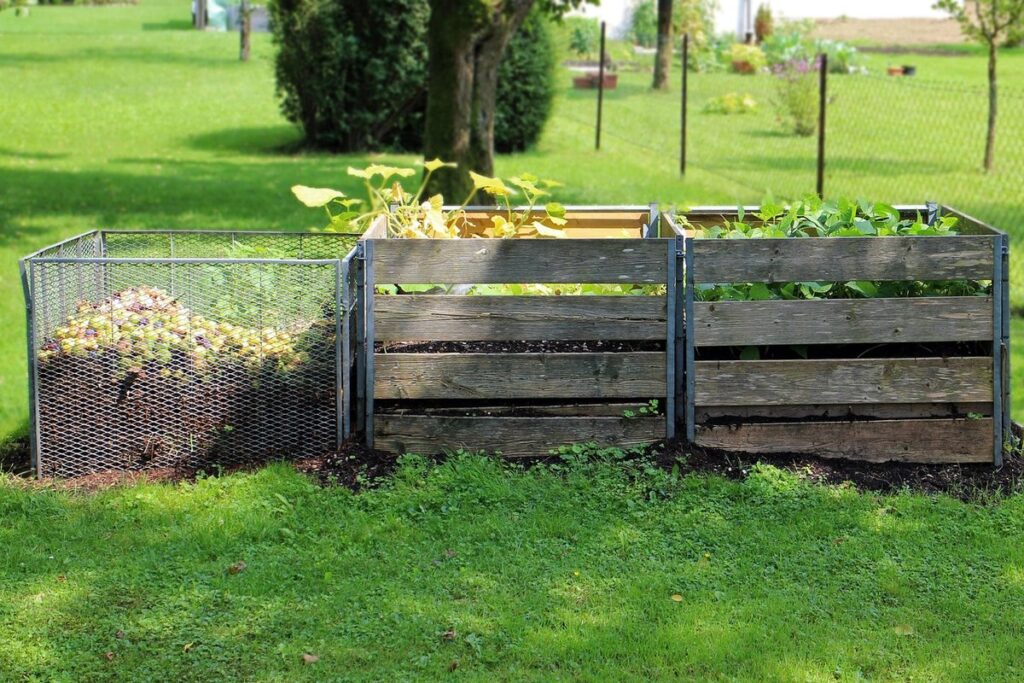
Creating a Chicken-Friendly Compost Bin
When creating a compost bin for your backyard flock, it’s essential to consider materials that are safe and beneficial for chickens. A chicken-friendly compost bin should be designed to handle wet and dry materials, including food scraps, soiled bedding, and manure. To build an effective compost bin, start by selecting a location with good air circulation and accessibility.
Choose a durable and easy-to-clean bin made from materials like plastic or metal that can withstand the weight of chicken feed and waste. Consider adding a removable door for easy access and maintenance. When deciding on the size of your bin, ensure it’s large enough to hold at least 1-2 cubic yards of material, but not so big that it becomes overwhelming.
Consider purchasing a compost bin specifically designed with chickens in mind. These bins often have features like built-in ventilation systems, rodent-proof designs, and easy-access doors. Some popular options include worm-friendly compost bins or tumblers with separate compartments for wet and dry materials.
Feeding Your Chickens for Optimal Health
To keep your chickens healthy and thriving, it’s essential to provide them with a balanced diet that meets their nutritional needs. This includes choosing high-quality feed and supplements wisely.
Nutritional Requirements of Chickens
To ensure your backyard chickens remain healthy and thriving, it’s essential to provide them with a well-balanced diet that meets their nutritional needs. Chickens require a mix of protein, calcium, phosphorus, and vitamins A, D, E, and K.
A good quality layer feed should be the foundation of your chicken’s diet, providing around 16-18% protein content. You can supplement this with fruits, vegetables, and grains like oats, barley, or wheat. Leafy greens such as kale, spinach, and collard greens are rich in calcium and vitamins A and K.
It’s also crucial to provide a source of grit for your chickens’ gizzard to help grind food. Crushed eggshells can be used as an excellent natural grit substitute. Consider adding supplements like probiotics or oyster shells to support digestive health and strong eggshell production.
A general rule of thumb is to provide 1-2 cups of vegetables per chicken daily, along with a few tablespoons of fruits like berries or apples. Be cautious not to overfeed, as this can lead to obesity and other health issues.
Benefits of Using Composted Manure as Fertilizer
Using composted manure from your chickens as fertilizer is a game-changer for your garden. Not only does it provide essential nutrients to your plants, but it also helps improve soil structure and promote healthy microbial activity.
When you collect the droppings from your coop, you’ll notice they’re often dry and crumbly. This is where composting comes in – by mixing them with other organic materials like leaves or straw, you create a nutrient-rich fertilizer that’s perfect for your garden beds. Composting manure reduces odors, kills pathogens, and breaks down the nitrogen content into forms that are easily absorbed by plants.
As a bonus, using composted chicken manure as fertilizer is an eco-friendly way to reduce waste and promote sustainability in your backyard. By doing so, you’ll also notice improved soil fertility, increased plant growth rates, and reduced need for synthetic fertilizers. Simply follow the 2:1 ratio when mixing manure with other compost materials, and let it sit for a few weeks before applying it to your garden beds.
Managing Chicken Waste and Compost
Managing chicken waste can be a challenge, but it’s also a valuable opportunity to create nutrient-rich compost for your garden. Let’s explore how to do it effectively.
Strategies for Effective Waste Management
Effective waste management is crucial when raising chickens in your backyard. One of the most significant benefits of keeping chickens is the abundance of nutrient-rich fertilizer they produce. However, it’s essential to separate chicken waste from compost to prevent contamination and maintain the quality of your finished product.
Start by designating a specific area for your chicken coop, making sure it’s easily accessible for cleaning and maintenance. Use a wheelbarrow or shovel to collect droppings and store them in a bin with a tight-fitting lid. This will keep pests out and prevent odors from spreading.
When using chicken waste as fertilizer, be mindful of pathogens like Salmonella and E. coli. To minimize risks, let the waste sit for at least six months before applying it to your garden beds. You can also pasteurize the compost by heating it to 160°F (71°C) for several hours or using a solar oven. This process will kill off any potential bacteria while preserving the valuable nutrients within.
Remember, managing chicken waste effectively is key to maintaining a healthy and productive backyard ecosystem. By separating waste from compost, utilizing safe handling practices, and applying proper pasteurization techniques, you’ll be creating nutrient-rich fertilizer for your garden without compromising on safety or quality.
Best Practices for Composting with Chickens
When composting with chickens, it’s essential to maintain a balanced pile that incorporates their waste without creating unpleasant odors or attracting pests. This is achieved by following some simple best practices.
Firstly, make sure the chicken coop and run are clean and well-maintained. Remove any soiled bedding material, such as straw or wood shavings, from the coop on a regular basis to prevent moisture buildup. This will also help reduce the likelihood of pests like rodents and flies being attracted to the area.
Next, create a separate composting area for chicken waste, ideally with its own designated bin or pile. Incorporate “green” materials like fresh vegetable scraps, grass clippings, and manure from other animals into the pile to balance out the nitrogen-rich chicken waste. Aim for a mix of 2/3 brown materials (dried leaves, straw, etc.) and 1/3 green materials.
Regularly turn the compost pile to aerate it, allowing oxygen to reach all areas and preventing anaerobic conditions that can lead to unpleasant odors and pest attraction. Monitor moisture levels as well, ensuring the pile is neither too dry nor too wet. With these simple measures in place, you’ll be able to create a balanced and odor-free compost pile using your chickens’ waste.
Overcoming Common Challenges in Chicken-Compost Systems
As you embark on your backyard chicken-composting journey, you may encounter some common obstacles that can throw a wrench into your plans. Let’s tackle these challenges together to ensure success.
Troubleshooting Common Issues
Raising chickens and composting can be an incredibly rewarding experience for backyard enthusiasts, but it’s not without its challenges. One of the most common issues you may encounter is pests – such as rodents, raccoons, or even snakes – that are attracted to the food scraps and potential nesting sites in your compost pile.
To minimize pest problems, make sure to balance the carbon-to-nitrogen ratio in your compost pile by adding a mix of “green” materials (food scraps, grass clippings) with “brown” materials (leaves, straw). Regularly turning the pile also helps prevent pests from taking up residence. In addition, consider using physical barriers or repellents to deter unwanted visitors.
Another common challenge is disease – particularly in chicken populations. To minimize the risk of illness, ensure that your chickens have access to clean water and a balanced diet, and regularly inspect them for signs of infection such as lesions or labored breathing. You can also take preventative measures like providing a dust bath area for your birds to help keep mites at bay.
Finally, some backyard composters may struggle with controlling odors emanating from their pile. To minimize unpleasant smells, be sure to add adequate “brown” materials (like sawdust or coconut coir) to absorb excess moisture and balance out the carbon-to-nitrogen ratio. Regularly turning the pile also helps prevent anaerobic conditions that can lead to strong odors.
Remember, it’s essential to stay vigilant and proactive in addressing these challenges – but with a little know-how and patience, you’ll be well on your way to enjoying the many benefits of chickens and compost in your backyard!
Maintaining a Healthy Balance between Chickens and Compost
When you’re raising chickens for eggs and composting kitchen scraps, it’s essential to strike a balance between meeting their needs and maintaining a thriving compost system. On one hand, chickens love to scratch and peck at the compost pile, which can speed up the decomposition process. However, if they over-access the compost, they may contaminate it with their droppings or even break open the bin.
To avoid this issue, designate a specific area for chicken feeding and waste collection, separate from your compost pile. Make sure to provide enough space for both chickens and compost, ensuring neither is competing for resources. For instance, consider setting aside a small section of your yard specifically for composting, using a bin or enclosure that’s secure and accessible.
By maintaining this balance, you’ll be able to create a harmonious relationship between your chickens and compost system, resulting in a bountiful harvest of eggs and nutrient-rich soil amendment.
Frequently Asked Questions
What’s the ideal size for a chicken coop when using composting?
When combining chickens with composting, it’s essential to have enough space for both your birds and their waste management system. A general rule of thumb is to provide at least 2-4 square feet of coop space per bird, considering the additional area required for compost bins and collection systems.
Can I use any type of food scraps in my chicken compost bin?
While it’s tempting to add all sorts of kitchen scraps to your compost bin, not everything will work well with chickens. Avoid adding meat, dairy, or oily foods, as they can attract pests and create unpleasant odors. Stick to vegetable peels, fruit rinds, eggshells, and coffee grounds for a healthy and balanced mix.
How often should I turn my compost pile when raising chickens?
Regular turning of your compost pile is crucial to maintain an optimal balance between microorganisms and oxygen levels. Aim to turn your pile every 7-10 days during warmer months, and adjust the frequency based on temperature and moisture levels in your area. This will help prevent anaerobic conditions that can lead to unpleasant odors and reduced fertilizer quality.
What’s the best way to manage chicken droppings with a large flock?
When dealing with a larger flock, it’s essential to develop an efficient waste management system. Consider implementing a combination of composting and worm farming techniques to convert your chickens’ droppings into valuable nutrient-rich fertilizer. Regularly collecting and storing dry litter can also help minimize odors and pests.
Can I use store-bought compost starter in my chicken-friendly compost bin?
While store-bought compost starters can be helpful, using them in conjunction with a chicken compost system requires some caution. Introduce the starter gradually, following the manufacturer’s instructions, to avoid overwhelming your microorganisms or creating an unbalanced ecosystem. Be prepared to monitor and adjust as needed to ensure optimal results.