
Are you thinking of taking the leap into raising your own meat chickens? This can be a rewarding experience, providing you with fresh, delicious eggs or eventually, succulent poultry for the dinner table. However, it’s essential to do it right – choosing the right breed, building a safe and healthy coop, and implementing proper feeding strategies are just a few of the crucial factors in raising happy and healthy birds.
In this article, we’ll take you through the essentials of raising meat chickens, covering everything from selecting breeds that thrive in your climate to managing health issues and harvesting your flock. You’ll discover how to create an optimal environment for your birds, ensure they receive the nutrition they need, and know when it’s time to bring them home for a family dinner. By the end of this guide, you’ll be well-equipped to raise meat chickens like a pro!
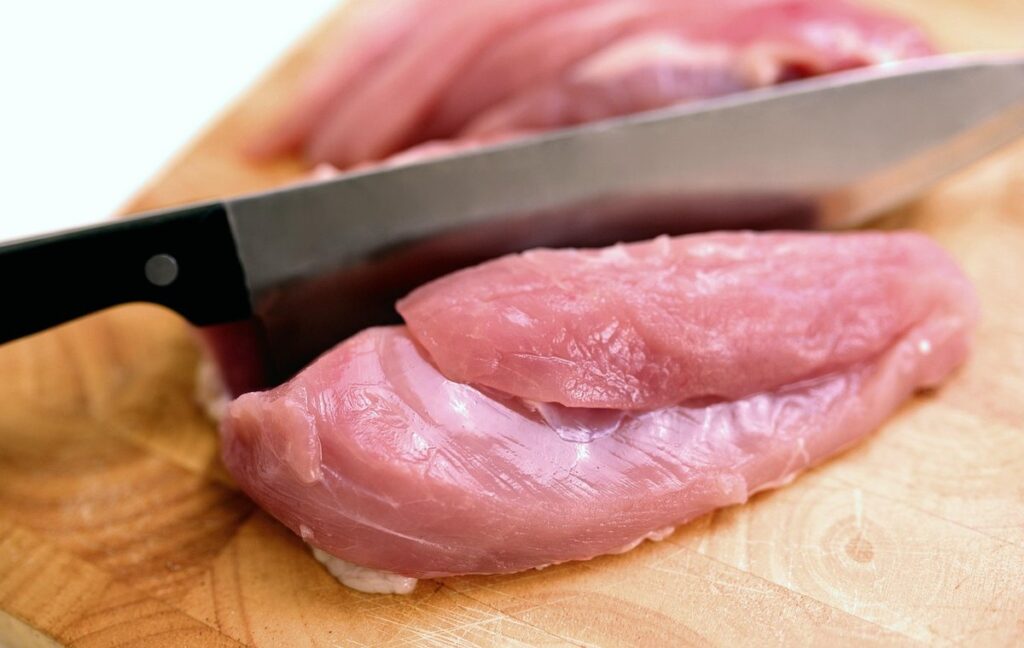
Choosing the Right Breed
When it comes to raising meat chickens, selecting the right breed is crucial for a successful and profitable flock. This section will guide you through the key factors to consider when choosing a breed that suits your needs.
Factors to Consider When Selecting a Meat Chicken Breed
When selecting a meat chicken breed, there are several key characteristics to consider. Growth rate is one of the most important factors, as it determines how quickly the birds will mature and be ready for harvest. For example, fast-growing breeds like Cornish Cross can reach market weight in as little as 5-6 weeks, while slower-growing breeds like Freedom Rangers may take 8-10 weeks.
Feed conversion ratio is also crucial, as it affects both feed costs and the environmental impact of your operation. Breeds with high feed conversion ratios, such as Leghorns, are efficient converters but may not grow as quickly or be as suitable for small-scale producers. On the other hand, breeds like Orpingtons have lower feed conversion ratios but can produce more meat per bird.
Climate adaptability is another essential consideration. Some breeds are better suited to hot climates, such as Reds and Whites, while others prefer cooler temperatures, like Australorps. When choosing a breed for your operation, consider the local climate and choose a breed that will thrive in those conditions.
Understanding Breed-Specific Needs
When choosing the right breed of meat chicken, it’s essential to understand their specific needs. Each breed has its unique characteristics that can affect how well they thrive on your farm. Let’s take a closer look at some popular meat chicken breeds and what they require.
For example, Cornish Cross chickens are known for their fast growth rate and high yield, but they have a higher feed conversion ratio. This means they need more feed to produce the same amount of meat as other breeds. You’ll want to provide them with plenty of space to roam and access to fresh water at all times.
Other breeds like Plymouth Rock or Australorp, on the other hand, are slower-growing and more disease-resistant. They require less feed and can thrive in smaller spaces. However, they may need more attention from you regarding health issues such as respiratory problems.
To make informed decisions about your flock, research the specific breed(s) you’re considering and understand their dietary needs, space requirements, and potential health concerns. Consider factors like climate, management style, and available resources when selecting a breed that best suits your operation.
Building a Suitable Environment
When it comes to raising meat chickens, providing a suitable environment is crucial for their health and productivity. Let’s take a closer look at creating an optimal space for your flock.
Coop Design and Construction Considerations
When it comes to raising meat chickens, providing a suitable coop is essential for their health and safety. A well-designed coop should prioritize ventilation, insulation, and easy cleaning to ensure the chickens’ well-being.
Proper ventilation is critical to prevent ammonia buildup from droppings and maintain air quality. You can achieve this through windows, vents, or even a solar-powered ventilation system. Ensure that the coop’s design allows for adequate airflow by incorporating features such as overhangs, eaves, or roof extensions.
Insulation also plays a crucial role in regulating temperature fluctuations, which can be detrimental to chicken health. Use materials like wood wool, straw bales, or recycled denim insulation to keep the coop cozy during cold winter months and cool in summer.
When building or purchasing a coop, consider factors such as ease of cleaning, accessibility for collecting eggs or feeding, and predator protection. A coop with a secure door, smooth surfaces, and adequate space per bird will make management tasks more efficient and reduce stress on both you and your flock.
Outdoor Space and Fencing Requirements
When it comes to raising meat chickens, providing adequate outdoor space and fencing is crucial for their health, safety, and well-being. A suitable outdoor enclosure will not only protect them from predators but also give them room to exercise and roam freely.
The ideal size of the outdoor area depends on several factors, including the breed, age, and number of chickens you’re raising. As a general rule, provide at least 2-4 square feet of space per bird inside the coop, and 8-10 square feet outside in the enclosed run. This will give them enough room to stretch their wings, scratch, and engage in natural behaviors.
Fencing is another critical aspect to consider. The fence should be sturdy, at least 3 feet high, and made of durable materials such as wood or metal. It’s also essential to bury the fencing material underground by about 12 inches to prevent burrowing predators like foxes and raccoons from digging under the fence.
When designing your outdoor enclosure, consider factors such as sunlight, shade, wind direction, and accessibility for cleaning and maintenance. By providing a safe and spacious outdoor area, you’ll not only ensure the health of your meat chickens but also make their lives more enjoyable and stress-free.
Nutrition and Feeding Strategies
When it comes to raising meat chickens, a well-planned nutrition and feeding strategy is crucial for optimal growth and health. We’ll cover essential tips on feed ratios and supplementation to get you started.
Balanced Diets for Meat Chickens
Meat chickens require a balanced diet that meets their nutritional needs to grow and thrive. This involves providing a mix of protein, calcium, and vitamins essential for strong growth and health.
A good starting point is to understand the different stages of growth, from brooding (0-6 weeks) to growing phase (7-18 weeks), where meat chickens need more energy-rich foods like corn and soybeans. For optimal growth, provide a starter feed with 20-22% protein content during the first six weeks.
As they mature, gradually switch to grower feeds containing 16-18% protein from week seven onwards. Ensure adequate calcium levels in their diet by adding oyster shells or crushed limestone as supplements. Vitamin D3 is also crucial; consider using commercial feed with added vitamins or providing free-choice mineral blocks.
For a balanced and healthy flock, maintain clean water sources, provide adequate space for exercise, and ensure proper ventilation to prevent respiratory issues. Monitor your chickens’ health closely and adjust their diet accordingly. A well-planned feeding schedule can make all the difference in raising happy and healthy meat birds.
Commercial vs. Homemade Feed Options
When it comes to feeding your meat chickens, you’ll often be faced with a decision between commercial feed and homemade feed options. While both have their pros and cons, understanding the costs and nutritional implications can help you make an informed choice.
Commercial feed is a convenient option that provides a balanced diet for your chickens. It’s widely available at most farm supply stores or online, making it easy to get started with raising meat chickens. However, commercial feeds can be expensive, especially if you’re planning to raise a large flock. On average, commercial feed can cost anywhere from $0.20 to $0.30 per pound of feed consumed.
Homemade feed options, on the other hand, allow you to control exactly what your chickens are eating. This can be a more cost-effective option in the long run, especially if you’re already purchasing ingredients like grains and supplements in bulk. However, creating a balanced homemade feed requires careful planning to ensure that all essential nutrients are met.
A common concern with homemade feeds is ensuring they meet nutritional standards for growth and health. To do this, consult with a veterinarian or poultry expert to develop a recipe that meets the needs of your flock. Consider using locally sourced ingredients whenever possible to reduce costs and support local agriculture. A well-formulated homemade feed can cost as little as $0.15 per pound, significantly less than commercial options.
Ultimately, whether you choose commercial or homemade feed, regular monitoring of your chickens’ growth rates and health will help ensure they’re receiving the nutrients they need to thrive.
Health Management and Biosecurity
When it comes to raising healthy meat chickens, effective health management and biosecurity are crucial. This involves implementing practices that prevent disease spread and maintain a clean environment for your flock.
Vaccination and Disease Prevention Strategies
Meat chickens are susceptible to various diseases that can have a significant impact on their health and productivity. Common diseases affecting meat chickens include Newcastle disease, infectious bronchitis, and coccidiosis. These diseases can lead to respiratory issues, organ failure, and even death.
To prevent the spread of disease in your flock, it’s essential to implement robust vaccination and disease prevention strategies. Begin by introducing vaccines at day-old, using a combination of live and inactivated vaccines to provide broad-spectrum protection. Vaccination protocols should be tailored to the specific disease threats in your region and adjusted accordingly.
In addition to vaccination, maintain strict biosecurity measures on your farm. This includes ensuring clean living conditions, proper ventilation, and adequate waste management. Regular health checks and monitoring of flock behavior can help identify early signs of illness. It’s also crucial to keep accurate records of vaccinations and health treatments administered to each bird. By combining these strategies, you can significantly reduce the risk of disease in your meat chicken flock.
Implementing Effective Biosecurity Measures
Maintaining a clean and hygienic environment is crucial to prevent disease outbreaks in your meat chicken flock. A dirty or unsanitary environment can lead to the spread of diseases, causing significant losses in terms of health, productivity, and even life.
To ensure effective biosecurity measures, it’s essential to implement proper waste management practices. This includes regular cleaning of the coop, run, and surrounding areas, as well as disposing of manure and bedding material properly. For example, you can use a wheelbarrow or shovel to remove soiled litter, followed by disinfecting with a 10% bleach solution.
Additionally, establish a routine for sanitizing feeders, waterers, and other equipment regularly. This helps prevent the buildup of bacteria and other pathogens that can cause disease in your chickens. Regular cleaning also helps to reduce the risk of parasites like mites and lice infesting your flock.
It’s also important to create a quarantine area where new birds are isolated for 30 days before introducing them to the main flock. This reduces the likelihood of introducing diseases into your existing flock. Remember, prevention is key when it comes to maintaining the health and well-being of your meat chickens.
Harvesting and Processing Meat Chickens
Once your meat chickens have finished growing, it’s time to harvest and process them for consumption. This section will guide you through the safe and humane practices involved in these final steps.
Proper Handling and Killing Techniques
When it’s time to process your meat chickens, handling and killing them humanely is crucial for maintaining their welfare and ensuring a safe and healthy product. The method you choose will depend on the number of birds you’re processing and personal preference.
Consider using a sharp knife or a properly designed killing cone to ensure a quick and painless death. Aim for a swift jugular cut, targeting the neck area behind the ear. This should result in rapid loss of consciousness followed by death.
To prepare for humane slaughter, make sure your hands are clean and free from any contamination. Wear gloves if necessary. Stand over the bird with its feet secured to prevent struggling. Keep your knife at a 45-degree angle, with the blade facing towards you and the cutting edge down. Guide the blade through the skin in a smooth motion.
Always handle live birds gently but firmly, supporting their body weight to avoid unnecessary stress or injury during processing. This will make the experience less traumatic for both you and the bird.
Basic Butchery Skills for Home Processors
When it comes to processing meat chickens, having basic butchery skills is essential for home processors. Cleaning and preparing carcasses properly not only ensures food safety but also enhances the overall quality of the final product.
To start, you’ll need a clean workspace with proper ventilation. Remove any feathers and innards from the bird, then rinse it under cold water to remove any remaining debris. Pat dry the carcass using paper towels or a clean cloth to prevent bacterial growth.
Next, split the chicken into its primal cuts: breast, thighs, wings, and drumsticks. For smaller birds, you can also separate the legs from the body. It’s crucial to keep your tools sharp and sanitized throughout the process to maintain cleanliness and efficiency.
After processing, make sure to package and store the meat correctly. Wrap individual portions in airtight containers or freezer bags, labeling them with their contents and date. For longer storage, consider vacuum-sealing to prevent freezer burn and maintain quality. By mastering these basic butchery techniques, you’ll be able to confidently process your meat chickens at home.
Marketing and Selling Meat Chickens
Once you’ve raised a batch of meat chickens, it’s time to think about marketing and selling them effectively. We’ll cover some valuable tips on finding buyers and getting top dollar for your birds.
Understanding Local Regulations and Market Demand
When raising meat chickens for sale or trade, it’s crucial to understand local regulations and market demand. This information will help you navigate the complexities of selling your produce while ensuring compliance with local laws.
Local regulations can vary significantly from one area to another, affecting factors such as slaughterhouse permits, health certifications, and zoning restrictions. For instance, some municipalities may have specific rules regarding the distance between chicken coops and residential areas or prohibit backyard chickens altogether. Familiarize yourself with these regulations to avoid costly fines or even having your operation shut down.
Understanding market demand is equally essential. Research local consumers’ preferences for meat chicken breeds, sizes, and production methods. Are they looking for organic or free-range options? Do they prefer larger or smaller birds? Consider factors such as transportation costs and storage needs when deciding on a breed to raise. This knowledge will enable you to tailor your operation to meet the demands of your target market and increase profitability.
To stay informed, attend local farming events, join online forums or associations, and network with other farmers in your area.
Effective Marketing Strategies for Small-Scale Producers
As a small-scale producer of meat chickens, finding effective ways to market and sell your product can be daunting. However, with the right strategies, you can reach your target audience and build a loyal customer base. Let’s start with social media promotion – a crucial component of any successful marketing plan.
Utilize platforms like Instagram and Facebook to showcase the quality and freshness of your meat chickens. Share high-quality images and videos that highlight the care and attention you give to each bird. Leverage hashtags relevant to the local food movement, and engage with potential customers by responding to comments and direct messages promptly.
Online sales platforms are another effective way to reach a wider audience. Consider partnering with local farmers’ markets or online marketplaces like Craigslist or Facebook Marketplace. You can also create your own e-commerce website to sell directly to consumers. When using these platforms, be sure to clearly describe the products you’re offering and highlight any unique selling points.
Direct-to-consumer sales are another viable option for small-scale producers. Consider hosting on-farm tours or visiting local events like farmers’ markets to connect with potential customers face-to-face. This approach allows you to build relationships with your customers and educate them about the benefits of buying directly from a small-scale producer. By combining these strategies, you can effectively market and sell your meat chickens, ensuring a steady stream of income for your operation.
Frequently Asked Questions
What if I’m new to raising meat chickens and don’t know where to start with coop design?
Building a suitable environment for your birds is crucial, but it can be overwhelming if you’re new to this. Start by researching local building codes and regulations regarding chicken coops in your area. You can also consider starting small with a simple, portable coop or a DIY kit to get familiar with the process.
Can I raise meat chickens alongside my laying hens?
While it’s possible to integrate meat chickens into an existing flock, it’s essential to ensure that you’re not compromising the health and well-being of your laying hens. Consider starting a separate flock for meat production or designating specific areas for each group to reduce disease transmission.
How do I handle disease outbreaks in my meat chicken flock?
Even with proper biosecurity measures, disease outbreaks can occur. Regularly monitor your birds’ health, and have a plan in place for addressing any issues that arise. Consider consulting with local experts or online resources for guidance on vaccination strategies and disease prevention.
What if I don’t have experience with butchery – can I still raise meat chickens?
While having basic butchery skills is helpful, it’s not necessary to process your own meat chickens. You can consider partnering with a friend who has experience or look into local resources for processing services. Many farmers also sell their meat chickens live, allowing the consumer to handle the processing.
How long does it take for meat chickens to mature?
The growth rate of your chosen breed will determine how quickly they mature and are ready for harvest. Generally, most commercial breeds reach market weight within 5-7 weeks. However, some heritage breeds may take longer – up to 12 weeks or more. Plan accordingly based on the specific needs of your flock.