
Raising a healthy chicken brood is one of the most rewarding experiences for backyard chicken enthusiasts. A thriving flock not only provides an abundance of fresh eggs but also becomes a beloved part of your family. However, successfully raising a brood requires careful attention to detail and knowledge of essential characteristics, equipment, and nutrition. From choosing the right incubator to monitoring health and growth, there’s a lot to consider when it comes to rearing a healthy chicken brood. In this comprehensive guide, we’ll cover everything you need to know to ensure your chicks grow into strong, healthy hens. We’ll delve into the characteristics of a successful brood, essential equipment for optimal growth, and nutrition and health monitoring tips to help you achieve a thriving flock.
Understanding the Basics of Chicken Brooding
As a beginner, it can be overwhelming to understand the basics of chicken brooding, but don’t worry, we’ll break it down for you in simple terms. Let’s start with the fundamentals!
What is a Chicken Brood?
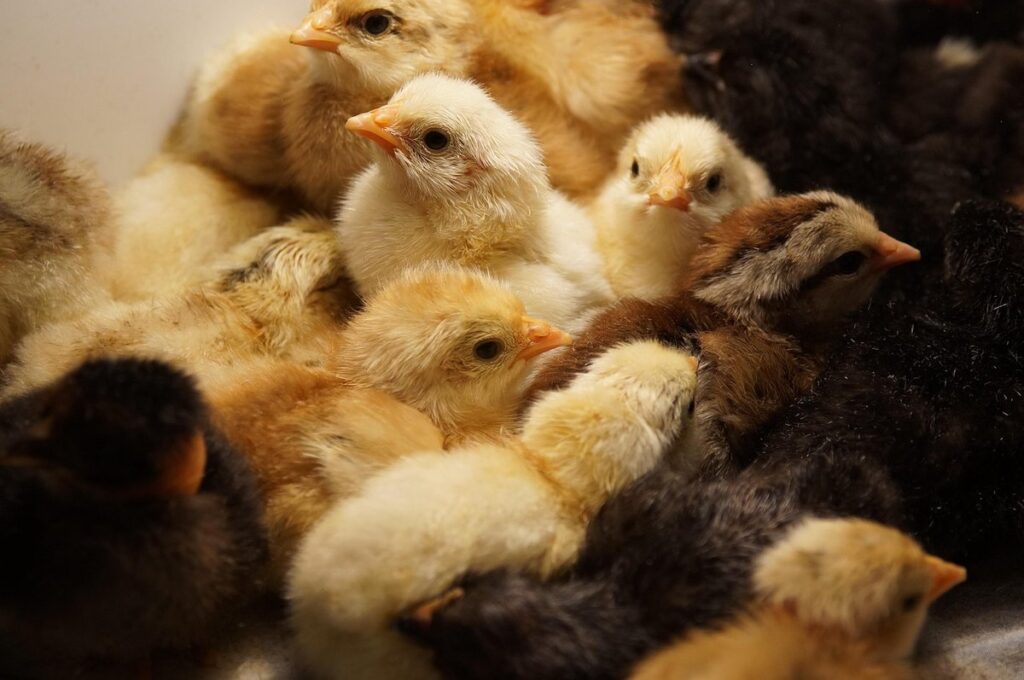
A chicken brood is essentially a group of young chickens that are raised together from hatching to maturity. It’s a critical stage in poultry farming as it sets the foundation for their growth, health, and productivity later on. A healthy brood is essential for raising robust and resilient chickens that can withstand diseases, environmental stressors, and other challenges.
When you hatch chicks or bring them home as day-olds, they’re essentially social creatures that thrive on interaction with each other. By keeping them together in a brooder or nursery area, you create an environment that mimics their natural pecking order and allows them to learn essential skills like foraging, communication, and flock dynamics.
In terms of importance, a well-managed brood can save you time, effort, and resources in the long run. With proper care, nutrition, and attention, a chicken brood can grow into a thriving flock that provides eggs, meat, or companionship, depending on your goals. By prioritizing the health and well-being of your chicks during this critical stage, you set them up for success and establish a strong foundation for their future growth and productivity.
Characteristics of a Healthy Brood
A healthy chicken brood is characterized by several key factors that ensure their overall health and well-being. Age is a crucial aspect to consider; newly hatched chicks should be around 24-48 hours old, while day-old chicks are typically the best age for brooding. The weight of individual chicks should also be monitored regularly, with an average weight range between 40-50 grams per chick.
In terms of overall health, look out for signs such as bright eyes, clean nostrils, and a plump, well-covered body. Healthy chicks should also exhibit normal behaviors like pecking at feed and water, scratching, and sleeping. Chicks that are lethargic or show no interest in their surroundings may be a sign of underlying health issues.
It’s essential to weigh your chicks regularly to ensure they’re gaining weight at an average rate of 15-20 grams per day. Also, check for any visible signs of illness like runny eyes, sneezing, or labored breathing. A healthy brood is also characterized by a high level of energy and curiosity, so if you notice any unusual behavior, take immediate action to address the issue.
Factors Affecting Brood Health
Brood health is heavily influenced by several key factors that you must carefully manage to ensure the well-being of your chicks. Nutrition plays a critical role in brood health, with an inadequate diet leading to stunted growth and increased susceptibility to disease. A balanced chick starter feed rich in protein should be introduced at the right age, typically around 1-2 weeks old.
The environment also has a significant impact on brood health. Temperature fluctuations can lead to chilling or overheating, which may be fatal for young chicks. Maintaining a consistent temperature of 90-95°F (32-35°C) during the first week and gradually reducing it by 5°F (3°C) each week is crucial.
Genetics also play a role in brood health, with some breeds being more resilient to disease than others. However, this factor can be controlled to an extent by selecting healthy parents for breeding purposes. Regular monitoring of your chicks’ behavior, appetite, and stool quality will help you identify any potential issues early on, enabling prompt action to be taken.
Factors such as humidity levels, light exposure, and ventilation should also not be overlooked when it comes to maintaining a healthy brood environment.
Preparing for Brooding: Equipment and Infrastructure
As you start preparing for your chicken brood, it’s essential to have a solid understanding of the equipment and infrastructure needed to ensure their health and well-being from day one. Let’s dive into the must-haves.
Essential Equipment for Raising Chickens
When it comes to raising chickens, having the right equipment is crucial for their health and well-being. A chicken coop should be spacious enough to accommodate at least 2-4 square feet of space per bird, depending on breed size. The coop should also have adequate ventilation to prevent ammonia buildup from droppings.
In addition to a coop, you’ll need feeders and waterers that are easy for the chickens to access and prevent contamination. A hanging feeder or a trough feeder is ideal, as they allow for easy cleaning and minimize waste. For watering, consider using a nipple drinker or a gravity-fed system to ensure fresh water at all times.
Other essential equipment includes a roost bar for birds to perch on, nesting boxes for egg-laying hens, and a predator-proof enclosure to protect your flock from predators. Consider using hardware cloth or chicken wire with openings of 1 inch or smaller to prevent escape attempts and predator entry. By investing in the right equipment, you’ll set your chickens up for success and help them thrive under your care.
Setting Up a Safe and Hygienic Environment
When it comes to raising a healthy chicken brood, providing a safe and clean environment is crucial for their well-being. A poorly ventilated or lit coop can lead to respiratory problems, stress, and even death. To avoid this, make sure your coop has proper ventilation, with windows, doors, or vents that allow fresh air to circulate.
Aim for at least 1 square foot of ventilation per chicken, and ensure that the airflow is not obstructed by debris or equipment. Natural light is also essential, but be mindful of extreme temperatures and sun exposure. Use shading devices like tarps or awnings to block direct sunlight during peak hours.
Maintain a clean coop by removing soiled bedding material regularly and replacing it with fresh, dry litter. This will help prevent the spread of diseases and parasites. Regularly inspect your coop for any signs of damage, wear, and tear, and address them promptly to prevent health issues. By providing a safe and hygienic environment, you’ll set your brood up for success and ensure they thrive under your care.
Choosing the Right Breed for Your Brood
When it comes to raising a healthy chicken brood, selecting the right breed is crucial. This decision will impact their growth, temperament, and overall health, so choose wisely!
Popular Breeds for Beginners
When starting out with raising chickens, it’s essential to choose breeds that are easy to care for and suitable for beginners. Among the many popular breeds, some stand out for their gentle nature, high egg-laying capacity, and hardiness.
Some of the most beginner-friendly breeds include Leghorns, Rhode Island Reds, and Barred Rocks. These birds are known for their friendly demeanor and ability to thrive in a variety of environments. Leghorns, for instance, can lay up to 300 large brown eggs per year, making them an excellent choice for families who want fresh eggs.
Rhode Island Reds are another popular breed among beginners due to their friendly nature and high egg production. They are also relatively low maintenance when it comes to health issues. Barred Rocks are known for their gentle disposition and ability to adapt to small backyard spaces.
Before choosing a breed, consider the amount of space you have available for your chickens to roam, as well as your desired level of involvement in their care. These factors will help ensure that you’re selecting breeds that fit your lifestyle and needs.
Considerations When Selecting a Breed
When selecting a breed for your brood, there are several essential considerations to keep in mind. Climate adaptation is a crucial factor, as some breeds thrive in hot and humid environments, while others excel in cold climates. For example, if you live in a region with sweltering summers, consider breeds like the Silkie or Polish, which have a natural cooling system that helps regulate their body temperature.
On the other hand, if you reside in an area with harsh winters, breeds like the Orpington or Brahma are well-suited to withstand cold temperatures. Disease resistance is also vital, as some breeds are more prone to certain illnesses than others. Research breeds that have a strong immune system and are less susceptible to common poultry diseases.
It’s also essential to consider your lifestyle and experience level when choosing a breed. If you’re new to raising chickens, start with a hardy breed like the Rhode Island Red or Barred Plymouth Rock, which are easy to care for and relatively low-maintenance.
Health Issues in Chickens: Prevention and Treatment
As a chicken keeper, it’s essential to be aware of common health issues that can affect your flock and know how to prevent them from happening in the first place. We’ll cover the most critical conditions and share expert advice on treatment options.
Common Health Issues Affecting Broods
When it comes to raising a healthy chicken brood, health issues can arise from time to time. Some common health concerns that you should be aware of include respiratory problems, which are often caused by poor ventilation, damp conditions, or infection. This can lead to symptoms such as coughing, sneezing, and labored breathing.
Another major issue is parasites, including mites, lice, and fleas. These tiny critters feed on the blood and feathers of your chickens, causing discomfort, stress, and even anemia. Regular cleaning of the coop and runs, using diatomaceous earth or other parasite control methods can help prevent infestations.
Additionally, you should also watch out for internal parasites such as worms and protozoa. These can be contracted through contaminated food or water, or by coming into contact with infected droppings. Symptoms may include diarrhea, weight loss, and lethargy. Regular deworming programs and good hygiene practices can help minimize the risk of infestation.
By being aware of these potential health issues and taking proactive steps to prevent them, you can reduce the likelihood of illness in your brood.
Preventative Measures for Healthy Flocks
Maintaining a healthy flock is crucial to prevent diseases and ensure the overall well-being of your chickens. To do this effectively, start by introducing a robust vaccination program for your brood. Consult with a veterinarian to determine the best vaccinations for your region and flock type. For example, Newcastle disease and infectious bronchitis are common vaccinations for backyard chicken keepers.
Another essential preventative measure is parasite control. Regularly inspect your chickens for signs of mites, lice, or internal parasites like worms. Use a combination of methods such as dusting with diatomaceous earth, applying pyrethrin sprays, and giving medicated feed to keep parasite populations under control. Also, ensure good hygiene practices by disinfecting coops and runs regularly.
A balanced diet is also vital in maintaining healthy flocks. Provide high-quality commercial feed or a well-formulated homemade diet that includes essential nutrients like calcium and protein. Additionally, consider providing probiotics and omega-3 supplements to support digestive health and immune function. By implementing these preventative measures, you can significantly reduce the risk of disease and create a thriving, healthy flock.
Nutrition and Feeding Strategies for Optimal Growth
Proper nutrition is crucial for a chicken brood’s growth, so let’s dive into the best feeding strategies to ensure your chicks develop strong immune systems and optimal health.
Providing a Balanced Diet for Growing Chickens
Providing a balanced diet for growing chickens is crucial for their optimal growth and development. Chickens require a specific mix of nutrients to thrive, including protein, carbohydrates, fats, vitamins, and minerals. A balanced diet should consist of 16-18% protein, 2-4% calcium, and adequate levels of phosphorus, vitamin D3, and B vitamins.
To ensure your growing chickens receive the necessary nutrients, create a feeding schedule that includes a combination of starter feed, layer feed, and supplements. Typically, chicks require a starter feed with 18-20% protein from day one to six weeks old. Between six to sixteen weeks, switch to a grower feed with 16-17% protein.
Aim for two to three percent body weight in feed consumption daily. For example, if your chicken weighs 10 pounds, offer 0.2-0.3 pounds of feed per day. Also, consider providing fresh vegetables and fruits as treats to add variety and essential nutrients. Rotate your chickens’ feed every two weeks to prevent nutrient deficiencies. Consult with a veterinarian or poultry expert to create a customized feeding plan for your growing brood.
Tips for Implementing Effective Ration Systems
Implementing an effective ration system is crucial for ensuring optimal growth and health in your chicken brood. To start, it’s essential to understand that a balanced diet should comprise around 16-18% protein, depending on the age and breed of your chickens.
Begin by determining the nutritional requirements of your flock. Consult with a veterinarian or poultry expert to determine the ideal feed formulation for your specific needs. You can also follow guidelines from organizations such as the National Poultry Board (NPB) or the American Society for the Prevention of Cruelty to Animals (ASPCA).
When selecting a ration system, consider factors like age, breed, and production level. For example, starter rations typically contain 20-22% protein for young chickens, while finisher rations may have 14-16% protein for older birds.
To optimize your ration system:
* Ensure consistent feeding schedules to promote growth and prevent overeating.
* Rotate feed sources every few weeks to maintain variety and minimize disease susceptibility.
* Store feed in a cool, dry area to preserve its nutritional value.
Managing and Monitoring Your Brood’s Health
As you care for your growing brood, keeping a close eye on their health is crucial to prevent illness and ensure they stay happy and healthy. We’ll walk you through monitoring signs of sickness and implementing preventative measures.
Regular Health Checks and Record-Keeping
Regular health checks and record-keeping are essential to monitor your brood’s health. It’s crucial to catch any potential issues early on, so you can provide the necessary care and prevent problems from escalating.
Start by setting aside a specific time each week for a thorough health check. Begin with visual inspections of your chickens’ feathers, eyes, beaks, and overall body condition. Look out for signs of stress, such as ruffled feathers or withdrawn behavior. Take note of any unusual behaviors, like lethargy or changes in appetite.
Keep accurate records of your chickens’ health checks, including dates, observations, and any treatments administered. This will help you identify patterns and track the effectiveness of your care routine. You can use a simple notebook or spreadsheet to record key information, such as vaccination history, weight, and any notable health issues.
Remember, consistency is key when it comes to monitoring your brood’s health. Stick to a regular schedule, and don’t hesitate to consult a veterinarian if you notice anything unusual or concerning.
Recognizing Early Warning Signs of Illness or Stress
As a responsible chicken keeper, it’s crucial to be able to identify early warning signs of illness or stress in your brood. This enables you to take prompt action and prevent the situation from escalating. Chickens can hide their symptoms well, making it essential for you to stay vigilant.
Start by observing your chickens’ behavior and appetite. A decrease in water intake, changes in droppings, or a loss of appetite can be indicative of illness. Look out for labored breathing, lethargy, or an increase in noise levels, which may suggest stress or discomfort. Be mindful of any unusual behaviors such as pecking at their own feathers or becoming withdrawn.
Early intervention is key to preventing the spread of disease and minimizing harm to your flock. Regular monitoring and inspections can help you detect potential issues before they become major problems. Keep a close eye on your chickens, especially during times of stress like molting or seasonal changes. By recognizing these early warning signs, you can take prompt action and ensure the health and well-being of your precious brood.
Frequently Asked Questions
What are the earliest signs of illness or stress in a growing brood?
Monitor your chicks’ behavior, appetite, and droppings closely during the first few weeks after hatching. Look out for changes in their activity level, unusual vocalizations, or a decrease in feeding or water consumption. Additionally, check for unusual droppings, such as diarrhea or constipation, which can be indicative of internal health issues.
How often should I clean and disinfect my brooder to prevent disease?
Clean your brooder at least once a week by removing soiled bedding, scrubbing surfaces with a mild detergent, and replacing any damaged equipment. Disinfect all areas with a pet-safe cleaning solution, paying extra attention to high-touch areas like feeding troughs and waterers.
What’s the ideal temperature for my brooder during the first few weeks?
A safe starting point is around 90-95°F (32-35°C) for the first week, gradually reducing it by 5-10°F (3-6°C) each week thereafter. Be sure to monitor your chicks’ behavior and adjust temperatures accordingly – if they seem stressed or lethargic, it may be too hot.
How can I manage my brood’s health when I’m away from home for an extended period?
Establish a routine with a trusted neighbor or friend who can check on the brooder daily. Provide clear instructions on monitoring temperature, feeding, and water levels, as well as any signs of illness or stress. Consider investing in automated feeders and waterers to minimize manual intervention.
What’s the most effective way to prevent parasites like mites and lice from infesting my brood?
Regularly inspect your chicks for signs of infestation, such as excessive scratching or feather loss. Use a gentle dusting powder containing diatomaceous earth or pyrethrin on their feathers and under their wings to deter mites and lice. Also, keep the brooder clean and dry, changing bedding frequently to prevent moisture buildup.