
Welcoming a newborn duck into your family can be a thrilling experience. As you hold those adorable little fluffballs in your hands, you might wonder if you’re prepared to care for them properly. The truth is, newborn ducks need specialized attention and care during their first few weeks of life. Recognizing signs of health issues early on is crucial to prevent any harm. In this article, we’ll guide you through setting up a safe brooder environment, understanding nutritional needs, and tips on feeding, socialization, and more. By the end of this post, you’ll be confident in your ability to provide top-notch care for your precious duckling, ensuring they grow into healthy, happy adults.
Physical Characteristics and Development
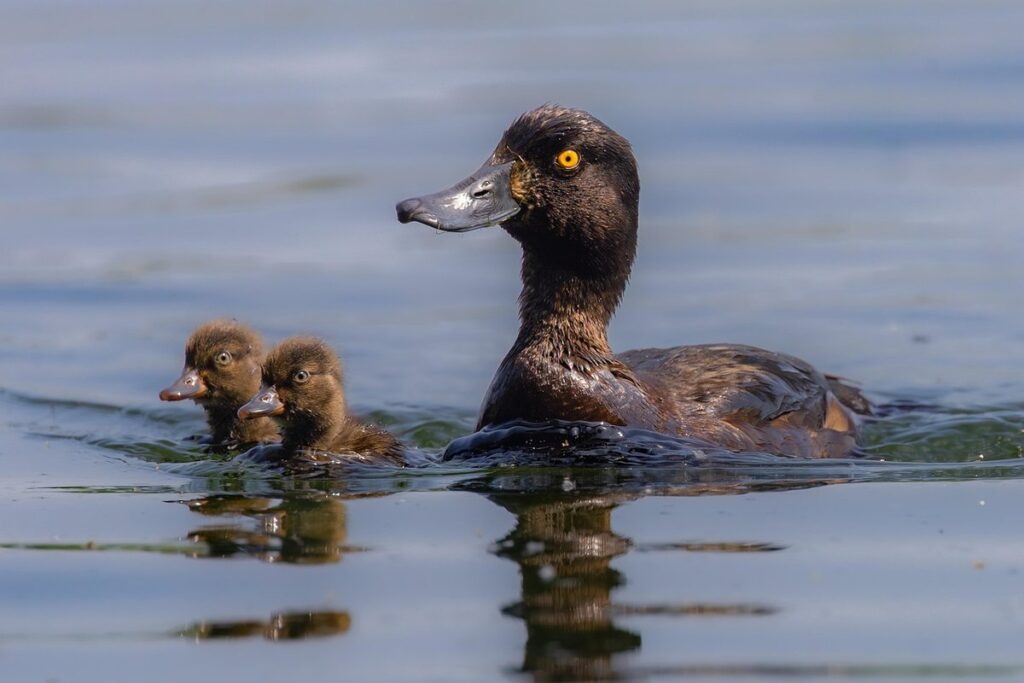
Newborn ducks have distinct physical characteristics that set them apart from their adult counterparts, including a fluffy down coat and wobbly legs. In this section, we’ll explore these unique features in detail.
Recognizing a Newborn Duck
Recognizing a newborn duck can be an exciting experience for new owners. Upon hatching, ducklings typically weigh around 1-2 ounces (28-57 grams) and measure about 4-6 inches (10-15 cm) in length. They have soft, downy feathers that cover their bodies, and their eyes are closed at birth.
As your newborn duck grows, you’ll start to notice its color and features changing. Ducklings can be born with a range of colors depending on the breed, but most are gray or yellow when they hatch. As they mature, their plumage will grow in, revealing their true adult colors.
Distinguishing between male and female ducklings can be challenging at first glance. However, as your duckling grows, you’ll notice differences in their size and build. Typically, males (drakes) tend to be larger than females (dames), with more prominent tails and thicker necks.
Key Physical Developments in the First Few Weeks
As you welcome your new duckling into the world, get ready for an astonishing display of rapid growth and development. In their first few weeks, newborn ducks undergo a remarkable transformation that will leave you amazed.
Feathering is one of the most noticeable developments during this period. Within 1-2 weeks, you’ll start to see soft, downy feathers emerge on your duckling’s body, gradually replacing the fluffy covering they were born with. This process usually takes around 4-6 weeks, but it can vary depending on factors like breed and nutrition.
Meanwhile, beak development is equally impressive. Initially, a newborn duck’s beak is small, soft, and yellowish in color. As they grow, their beak starts to harden and turn into its adult shape and color. By the end of week 4, your duckling’s beak should be fully formed and strong enough for pecking at food.
Weight gain is also a significant aspect of this period. Newborn ducks typically double their birth weight within the first few weeks. This rapid growth is crucial for their overall health and development, so ensure you’re providing them with an adequate diet rich in nutrients.
As your duckling grows, be on the lookout for any signs of developmental issues, such as deformities or slow feathering. Consult a veterinarian if you have any concerns to ensure your little one gets off to a healthy start in life.
Signs of Health and Hygiene in Newborn Ducks
A healthy newborn duck is crucial for its growth and survival. To ensure this, you’ll need to keep an eye on their appetite, stool quality, and behavior. A newly hatched duckling will peck at the yolk sac within 24 hours of hatching, after which they should be eager to eat starter feed. Monitor their intake closely, as a decrease in appetite can signal underlying health issues.
The color and consistency of their droppings also indicate overall well-being. Ducklings produce a yellowish-brown or greenish-brown liquid stool, which may seem alarming at first but is normal for young ducks. However, if you notice any blood, mucous, or changes in the frequency or texture of their stools, it’s essential to consult with a veterinarian.
In terms of behavior, newborn ducklings should be active and alert. They will chirp and make other sounds as they interact with their siblings and surroundings. Keep an eye out for lethargy, loss of appetite, or avoidance of social interaction, which can signal potential health issues.
Maintaining cleanliness around your ducklings is also vital to prevent the spread of diseases. Ensure their living area has adequate ventilation, change the bedding frequently, and wash your hands thoroughly after handling them. By paying attention to these signs and maintaining good hygiene practices, you’ll be able to identify any potential problems early on and provide a healthy environment for your newborn ducklings to thrive in.
Caring for Your Newborn Duck: Nutrition and Feeding
Proper nutrition is crucial for your newborn duck’s development, so let’s dive into the best feeding practices to ensure they thrive in their first few weeks of life. This section will cover all aspects of nutrition and feeding.
Choosing the Right Food for Your Ducklings
When it comes to feeding your newborn ducklings, providing them with the right nutrients is crucial for their growth and development. Newborn ducks have high energy needs, requiring a diet rich in protein and calories to support their rapid growth rate. Commercial duck pellets are an excellent option, as they contain a balanced mix of nutrients specifically formulated for young waterfowl. These pellets typically include 16-18% protein, which is essential for muscle development.
In addition to commercial pellets, you can also offer starter grains such as oats or wheat. However, it’s essential to note that these should be introduced gradually and in small quantities to prevent digestive issues. Natural foods like leafy greens, fruits, and insects can also be included in moderation. For example, ducklings love snacking on mealworms, which provide a nutritious source of protein.
Remember, it’s crucial to ensure the water is clean and easily accessible for your ducklings at all times.
Tips for Hand-Rearing or Bottle-Feeding Ducklings
When it comes to hand-rearing or bottle-feeding newborn ducklings, it’s essential to provide them with a nutritious and balanced diet. You’ll need to prepare a commercial duckling formula specifically designed for young waterfowl, as their nutritional requirements differ from those of other birds.
To prepare the formula, follow the manufacturer’s instructions for mixing the correct ratio of powder to water. Generally, you’ll want to mix 1-2 scoops of formula per 8 ounces of water. The temperature of the mixture should be lukewarm, not hot or cold. You can test the temperature by dropping a small amount on your wrist – it should feel like bathwater.
Feeding schedules are crucial for young ducklings. Typically, they need to be fed every 2-3 hours around the clock, with a minimum of 8 feedings in the first 24 hours. As they grow and develop, you can gradually increase the feeding intervals to every 4-6 hours. Monitor their weight daily, and adjust the formula quantity or feeding schedule as needed to ensure steady growth.
When bottle-feeding, make sure to use a nipple that’s specifically designed for ducklings, as these nipples have a more natural flow rate that mimics the mother’s brood pouch. Always burp your duckling after feedings to prevent gas and discomfort.
Water Quality and Safety for Newborn Ducks
Maintaining clean water and proper sanitation is crucial for newborn ducks to thrive. Ducklings are vulnerable to bacterial and viral infections, which can spread quickly through contaminated water. To prevent this, change the water frequently, ideally every 2-3 hours, and ensure it’s fresh and clean before introducing your ducklings.
Cleanliness also involves keeping their environment sanitized. Remove any debris or droppings from the enclosure, as these can harbor bacteria and parasites that may harm your ducklings. Use a non-toxic cleaner to scrub all surfaces, paying particular attention to areas around feeders and water sources. Wash your hands thoroughly after handling the ducklings, equipment, or their environment to prevent cross-contamination.
In addition to regular cleaning, consider implementing a few extra measures for enhanced sanitation. Provide your ducklings with a shallow pool of clean water for swimming, which will help keep them active and engaged while also flushing out any potential bacteria from their feathers. Also, set up a separate area for feeding, making sure the feeders are well-ventilated to reduce moisture buildup.
Housing and Environment for Newborn Ducks
When it comes to caring for your newborn ducklings, providing a safe and comfortable environment is crucial. This includes setting up a suitable housing space that meets their unique needs.
Setting Up a Suitable Brooder or Enclosure
When setting up a brooder or enclosure for newborn ducks, it’s essential to consider several key factors. First and foremost, size matters – you’ll want to provide ample space for your ducklings to move around comfortably, as they grow rapidly during their first few weeks of life. A general rule of thumb is to allocate at least 2-3 square feet of floor space per duckling.
Proper ventilation is also crucial to prevent respiratory problems and maintain a healthy environment. Ensure that the brooder or enclosure has adequate airflow by installing windows, vents, or screens that allow for cross-air circulation. Temperature control is another vital consideration – newborn ducks require a warm environment, typically between 90-100°F (32-38°C), but this temperature will decrease as they mature.
Lighting is also essential for the growth and development of your ducklings. Natural light is ideal, but if that’s not possible, use specialized lighting with a UVB output to promote calcium metabolism and prevent metabolic bone disease.
Maintaining Temperature and Humidity Levels
Maintaining optimal temperature and humidity levels is crucial for the growth and development of newborn ducks. A temperature range between 90°F to 100°F (32°C to 38°C) with a relative humidity of 50-60% is ideal for ducklings.
To achieve this, it’s essential to provide adequate ventilation in their enclosure while preventing drafts that can cause chilling. You can place a thermometer and hygrometer in the brooder to monitor temperature and humidity levels. A good rule of thumb is to maintain a consistent temperature gradient, allowing your ducklings to move between cooler and warmer areas as needed.
For example, if you’re keeping your ducklings in a brooder with walls made from wood or other insulating materials, ensure that there are gaps for air circulation. You can also use fans to circulate the air while keeping drafts at bay.
Regular monitoring of temperature and humidity levels will help prevent conditions like respiratory problems, which can be detrimental to your duckling’s health. Keep in mind that newborn ducks are highly susceptible to environmental stressors, so it’s vital to maintain a stable environment.
Safety Precautions and Monitoring the Brooder Environment
When it comes to raising newborn ducks, ensuring their safety and well-being is of utmost importance. Their enclosure, or brooder, should be a safe haven where they can grow and thrive under your care. To create a safe environment for your ducklings, start by monitoring the temperature within the brooder. A consistent temperature between 90-100°F (32-38°C) is ideal during their first week of life.
Recognize potential hazards in their enclosure, such as gaps or openings that can allow them to escape or become trapped. Make sure the brooder is well-ventilated to prevent ammonia buildup from waste and droppings. Keep an eye out for signs of stress or illness, such as labored breathing, lethargy, or changes in appetite.
Regularly inspect their environment for potential threats like rodents, snakes, or other predators that may be attracted to the brooder. Implement measures to deter these pests, such as using hardware cloth or rodent-proof containers. Always ensure a constant supply of fresh water and keep it clean by changing it daily. By being vigilant and proactive in monitoring your ducklings’ environment, you can minimize risks and provide them with the best possible start in life.
Socialization and Handling Newborn Ducks
Socializing your newborn duck is crucial for its development, so let’s dive into how to gently introduce it to new people, environments, and other animals. This will help create a confident and calm duckling.
Introducing Ducklings to Their Human Caregivers
Introducing ducklings to their human caregivers is a crucial step in socialization and can make all the difference in their behavior as they grow. Newborn ducks are naturally wary of humans due to their instinctual fear of predators, but with gentle and consistent handling, you can help them become trusting and confident around their human caregivers.
To start, it’s essential to move slowly and calmly around your ducklings to avoid startling them. Allow them to come to you on their own terms, rather than picking them up immediately. This will give them time to get used to your presence and scent. You can begin by speaking softly and offering treats, such as mealworms or chopped lettuce, to associate human interaction with positive experiences.
As they become more comfortable, you can gradually introduce handling by gently scooping them up in a towel or cupping them carefully in your hands. Remember to support their bodies and keep their heads above water to prevent drowning. With patience and consistency, your ducklings will begin to recognize and trust their human caregivers, laying the foundation for a lifelong bond.
Tips for Gentle Handling and Care
When handling newborn ducks, it’s essential to prioritize their fragile nature and support their growth. Hold them securely but gently, making sure not to constrict their tiny wings or legs. Place one hand under the duck’s chest, supporting its weight, while using the other hand to cradle its body.
Newborns are especially vulnerable to chilling, so keep them warm by wrapping a towel around them or placing them in a brooder with adequate heat sources. Be cautious not to overcrowd the area, as this can cause unnecessary stress on your ducklings.
To promote gentle interaction, try incorporating activities that mimic natural behaviors, such as swimming and foraging. Place shallow water dishes nearby, allowing your ducklings to waddle and splash without worrying about drowning risks.
As they grow, gradually introduce more handling practices, but always prioritize their comfort and safety. Gently lifting them out of the brooder or nesting box can help them get accustomed to being handled regularly.
Health Considerations and Potential Issues in Newborn Ducks
When it comes to your new duckling, being aware of potential health issues is crucial for their well-being. In this section, we’ll explore common problems that may arise during the first few weeks of life.
Common Health Issues in Ducklings
As a duck breeder or owner, it’s essential to be aware of the common health issues that can affect newborn ducks. Respiratory problems are one of the most prevalent issues in young ducklings. Factors such as humidity, temperature, and air quality can contribute to respiratory issues. For example, if your brooder is too dry or too humid, it can lead to dehydration or respiratory distress.
Viral infections like avian metapneumovirus (aMPv) and Newcastle disease virus (NDV) can also affect newborn ducks. These viruses are highly contagious and can spread quickly through a flock. Bacterial diseases such as E. coli and Pasteurella multocida are another concern for duck breeders.
To minimize the risk of these health issues, ensure that your brooder is clean and well-ventilated. Keep the temperature between 90°F to 95°F (32°C to 35°C), and maintain a humidity level between 50% to 60%. Regularly monitor your ducklings for signs of illness, such as coughing, sneezing, or lethargy. If you suspect any health issues, consult with a veterinarian experienced in caring for waterfowl.
It’s also crucial to practice good hygiene and biosecurity measures, such as washing your hands before handling the ducklings and disinfecting equipment regularly.
Recognizing Signs of Illness or Injury in Newborn Ducks
As a new duck parent, it’s essential to monitor your ducklings closely for signs of illness or injury. Newborn ducks are susceptible to various health issues, and prompt attention is crucial to prevent long-term problems or even loss. Start by checking your ducklings daily, looking for any changes in their behavior, appetite, or physical condition.
Early warning signs may include lethargy, labored breathing, or a decrease in egg yolk sacs. If you notice your duckling struggling to stand or walk, it could be a sign of joint issues or muscle weakness. Another critical indicator is the color and consistency of their droppings – if they appear abnormal or are accompanied by blood, seek medical attention immediately.
Some common health concerns in newborn ducks include bacterial infections, respiratory problems, and parasites. If you suspect any of these issues, consult with a veterinarian experienced in caring for waterfowl as soon as possible. Don’t hesitate to act; timely intervention can make all the difference between your duckling recovering quickly or developing long-term health complications.
Conclusion: The First Few Weeks with Your Newborn Duck
Now that you’ve made it through the first few weeks, let’s take a step back and review what you’ve learned about caring for your newborn duck. This summary will highlight key takeaways from our comprehensive guide.
Recap of Key Takeaways
As you navigate the first few weeks with your newborn duck, it’s essential to remember the key takeaways from our comprehensive guide. First and foremost, ensure a warm and safe environment for your baby duck by keeping its enclosure draft-free and maintaining a temperature between 90°F and 95°F (32°C and 35°C). Provide a shallow pool of water for swimming and exercise, but never leave it unattended.
Establish a feeding schedule that meets the duckling’s nutritional needs, aiming to feed every few hours. A diet rich in starter crumbs or pellets supplemented with fresh vegetables is recommended. Also, don’t forget to introduce your duck to water gradually, starting with shallow baths and gradually increasing the depth.
Regular cleaning of the enclosure and handling of the ducklings are crucial for their health and well-being. Be sure to wash your hands thoroughly before and after handling your feathered friend. By following these essential guidelines, you’ll set your newborn duck on the path to a happy and healthy life. With time, patience, and proper care, your baby duck will grow into a thriving companion.
Next Steps for a Healthy and Happy Flock
As you settle into life with your newborn duck, it’s essential to think about the future and what steps you can take to ensure their continued health and happiness. A larger enclosure is a must for growing ducks, as they need space to stretch their wings and explore. Consider transitioning them to an outdoor pen or a secure area with adequate shelter by around 4-6 weeks of age.
At this stage, you’ll also want to introduce new foods to your duckling’s diet. Start by mixing in some leafy greens like kale or spinach into their starter feed. You can also begin offering small amounts of fruits and vegetables, such as berries, carrots, and sweet potatoes. Be sure to do this gradually to prevent digestive upset.
Monitoring their health remains crucial during this period. Keep an eye out for signs of illness, such as lethargy, loss of appetite, or changes in droppings. Consult with a veterinarian experienced in caring for waterfowl if you have any concerns.
Frequently Asked Questions
What if I notice my newborn duckling is having trouble keeping its eyes open? Should I be concerned?
Yes, it’s normal for newborn ducklings to have closed eyes at birth, but if they remain closed or show signs of eye strain after a few days, consult with a veterinarian. Ensure the brooder environment is not too bright or drafty, and provide adequate shade and hiding places.
How often should I check the water quality in my duckling’s brooder?
Check the water quality daily for any signs of contamination, such as cloudy water, sliminess, or strong odors. Change the water completely every 2-3 days to prevent bacterial growth and maintain a clean environment for your ducklings.
What if I’m away from home during the day? Can I still provide adequate care for my newborn duckling?
Yes, consider investing in an automatic brooder or hiring a pet sitter to check on your ducklings during the day. Ensure they have access to fresh food and water at all times, and maintain a safe and healthy environment.
How long does it take for newborn ducklings to grow their adult feathers? What can I expect?
Newborn ducklings will start growing their juvenile feathers around 4-6 weeks of age, but it may take up to 6 months for them to develop full adult plumage. Be patient with your ducklings and maintain a clean brooder environment to support healthy feather growth.
Can I introduce my newborn duckling to other animals in the household immediately after hatching?
No, it’s essential to keep your newborn duckling isolated from other pets, especially during the first few weeks of life. Introduce them gradually to other animals once they’re fully vaccinated and old enough to interact safely with their environment.
What if I notice any unusual behaviors or signs of stress in my newborn ducklings?
If you observe any unusual behavior, such as lethargy, loss of appetite, or increased vocalization, consult with a veterinarian immediately. Maintain a clean brooder environment, provide adequate nutrition and social interaction, and ensure proper ventilation to prevent stress and health issues.