
If you’re an aspiring or seasoned chicken keeper, chances are you’ve heard of the stunning Silver Laced Wyandotte chicken breed. Specifically, their majestic roosters have won hearts with their iridescent feathers and charming personalities. But beyond their good looks, what does it take to raise a healthy Silver Laced Wyandotte rooster? From understanding their unique breeding needs to learning how to prepare them for the show ring, this article is your go-to resource.
We’ll delve into the intricacies of caring for these birds, including tips on nutrition, exercise, and health issues that may arise. Whether you’re a seasoned breeder or just starting out, our expert advice will help you navigate the ins and outs of raising top-notch Silver Laced Wyandotte roosters. So if you’re ready to take your flock to the next level, keep reading – we’ve got everything you need to know about these magnificent birds.
Introduction to Silver Laced Wyandottes
Let’s dive into the fascinating world of Silver Laced Wyandotte roosters, one of the most popular and beloved chicken breeds known for their stunning appearance. This section will introduce you to their unique characteristics and history.
Brief History of the Breed
The Silver Laced Wyandotte breed has its roots in the late 19th century, when North America was a hub for poultry innovation. Developed from the Black Java and Brahma breeds, the Wyandottes were created to be robust and versatile birds suitable for both exhibition and egg production.
In the early days, poultry fanciers sought to create a breed that combined the exotic appearance of game fowl with the practicality of egg-laying hens. The resulting Silver Laced Wyandotte quickly gained popularity among farmers and enthusiasts alike due to its striking lacy plumage and impressive size.
By the mid-20th century, the Silver Laced Wyandottes had become a staple in many backyard flocks and farmyards across North America. Their friendly demeanor, relatively low-maintenance care, and cold hardiness made them an attractive choice for those looking to raise chickens beyond just egg production.
As you consider adding a Silver Laced Wyandotte rooster to your flock, it’s essential to understand the breed’s rich history and unique characteristics that have contributed to its enduring popularity.
Key Characteristics of Silver Laced Wyandottes
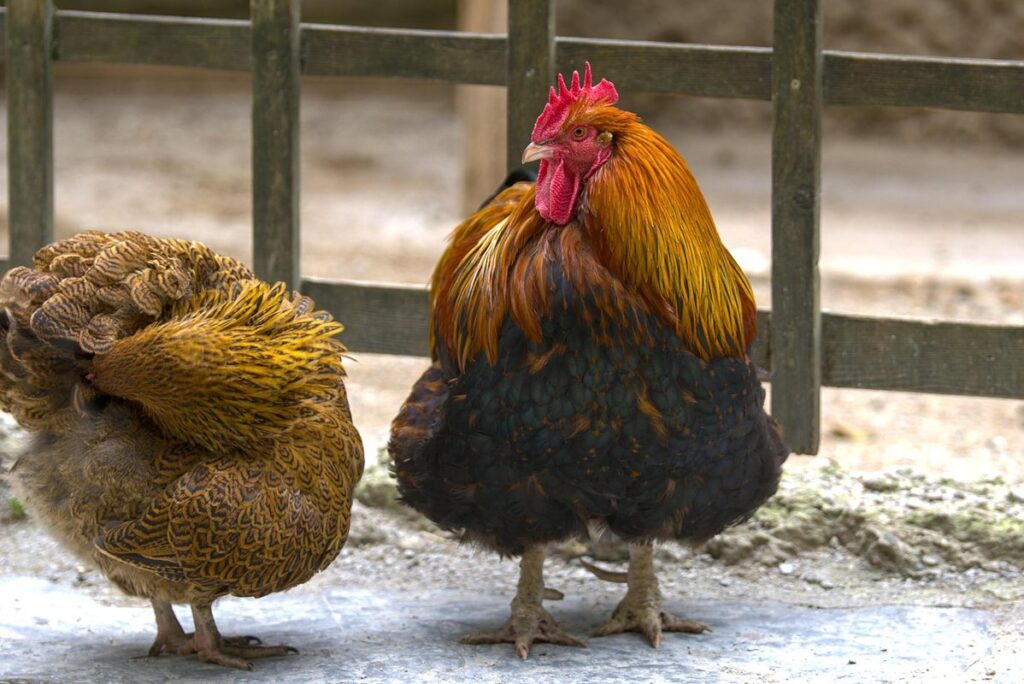
One of the most distinctive features of Silver Laced Wyandottes is their stunning plumage. They have a sleek and shiny appearance, with a beautiful silver-gray lacing pattern on their feathers. This unique coloration makes them stand out in any backyard flock or exhibition setting. But it’s not just about looks – these birds are also known for their friendly and outgoing personalities.
Silver Laced Wyandottes are often described as docile and gentle, making them an excellent choice for families with children or for beginners who want a low-maintenance pet. They are also highly social birds that thrive on interaction and attention from their owners. In fact, they can become quite attached to their human family members and may even follow you around the yard!
As for egg-laying abilities, Silver Laced Wyandottes are moderate producers, laying an average of 200-220 brown eggs per year. While they may not be as prolific as some other breeds, their eggs are large and of high quality, making them a great choice for backyard chicken keepers who want fresh, homegrown eggs.
In terms of egg-laying consistency, Silver Laced Wyandottes tend to lay eggs regularly throughout the year, with a slight decrease in production during the winter months.
Raising a Healthy Silver Laced Wyandotte Rooster
When it comes to raising a healthy Silver Laced Wyandotte rooster, understanding their unique needs is key. This section will cover essential tips for keeping your feathered friend happy and thriving.
Nutrition and Diet for Roosters
A well-balanced diet is essential for your Silver Laced Wyandotte rooster’s overall health and well-being. Roosters have different nutritional requirements compared to hens, so it’s crucial to understand their specific needs.
Roosters need a higher protein intake than hens to maintain their muscle mass and energy levels. Aim to provide 16-18% protein content in their diet, which can be achieved by feeding them a mix of commercial poultry feed, grains, and supplements. For example, you can add cracked corn, oats, or barley to their regular feed to boost protein levels.
In addition to protein, roosters also require essential vitamins and minerals like calcium, phosphorus, and vitamin D3 for strong bone growth and development. Consider adding crushed eggshells or dark leafy greens like kale or spinach to their diet to meet these nutritional requirements.
Remember to provide fresh water at all times, and consider offering a variety of fruits and vegetables as treats to ensure a balanced nutrient intake.
Health Issues in Silver Laced Wyandottes
As you work to raise a healthy Silver Laced Wyandotte rooster, it’s essential to be aware of some common health issues that may affect your bird. Respiratory problems are one such concern, particularly during the cold winter months or when the air is filled with pollutants. Pneumonia and bronchitis can easily develop in susceptible birds, so make sure your rooster has a warm, dry place to rest and plenty of fresh air.
Parasites, such as mites and lice, are another health issue that may affect your Silver Laced Wyandotte rooster. These external parasites feed on the bird’s skin and blood, causing discomfort and stress. Regularly checking for signs like excessive scratching or feather pecking can help you catch these issues early on.
To prevent respiratory problems, ensure good ventilation in your coop and run. Keep your rooster’s living area clean, removing any debris or droppings that may harbor bacteria. Wash his food and water dishes regularly to keep them free from contamination. Regularly inspecting your rooster for signs of parasites can also help you catch these issues early on. If you do find mites or lice, use a medicated powder or spray specifically designed to treat poultry parasites.
Breeding and Caring for Your Silver Laced Wyandotte Rooster
When it comes to successfully raising your Silver Laced Wyandotte rooster, breeding and caring for him requires attention to specific needs that differ from those of hens. Understanding these nuances is crucial for his health and well-being.
Selection of a Mate
When it comes to selecting a mate for your Silver Laced Wyandotte rooster, you’ll want to choose an individual with desirable traits that will enhance the genetic diversity of your flock. This is especially important if you’re planning to breed multiple generations.
To start, consider the characteristics you value most in your birds, such as egg-laying ability, growth rate, and temperament. You may also want to prioritize certain physical attributes like feather quality or color intensity. When evaluating potential mates, look for individuals that exhibit a balance of desirable traits.
For example, if you’re looking to improve egg production, consider pairing your rooster with a high-producing hen from a different breed or line. This will introduce new genetic material and increase the chances of producing offspring with improved fertility. Conversely, if you want to emphasize the Silver Laced Wyandotte’s signature appearance, choose a mate that complements its unique coloration.
Ultimately, selecting the right mate requires careful consideration of your breeding goals and the individual characteristics of each bird.
Housing and Environment for Roosters
When it comes to housing and environment for roosters, it’s essential to provide a safe and comfortable space that meets their specific needs. Silver Laced Wyandotte roosters are active birds that require enough room to move around and exercise.
A minimum of 2-3 square feet of floor space per bird is recommended, but ideally, you should aim for more if possible. This will give your rooster the freedom to stretch his wings, jump, and engage in natural behaviors without feeling confined. Additionally, ensure good ventilation in the coop by providing adequate windows or vents to maintain airflow and prevent ammonia buildup from droppings.
Predator protection is also crucial when it comes to housing your rooster. Consider using hardware cloth or chicken wire with openings of 1 inch or smaller to prevent raccoons, foxes, and other predators from getting in. You can also add a secure roof and walls to protect your bird from flying predators like hawks.
When choosing the location for your coop, consider factors such as sunlight, wind direction, and proximity to food and water sources. Ideally, place the coop in an area that provides shade during the hottest parts of the day and protection from harsh winds. By providing a safe and comfortable living environment, you’ll be taking a big step towards ensuring your rooster’s overall well-being.
Show Preparation and Training
Before showing off your stunning Silver Laced Wyandotte rooster, you’ll want to make sure he’s well-prepared and confident. This involves training him to strut his stuff on cue.
Grooming and Plume Maintenance
When it comes to grooming and plume maintenance for your Silver Laced Wyandotte rooster, attention to detail is crucial. A clean and healthy plumage not only enhances the bird’s appearance but also contributes to its overall well-being.
Start by checking your rooster’s plumage daily for any signs of dirt, dust, or debris. Use a soft-bristled brush or a grooming glove to gently remove loose feathers and distribute natural oils throughout the coat. This will help keep the feathers shiny and prevent breakage.
In addition to regular brushing, make sure to clean under the wing and tail areas where dirt tends to accumulate. You can use a damp cloth to wipe these areas clean, but be cautious not to get the feathers too wet as this can lead to matting.
To maintain your rooster’s plume health, provide access to fresh water and a balanced diet rich in omega-3 fatty acids. These nutrients will help keep the feathers strong and prevent conditions such as feather pecking. Regularly check for signs of mites or lice and take prompt action if you suspect an infestation.
Agility and Movement Training
When it comes to showing your Silver Laced Wyandotte rooster, agility and movement are crucial components of a successful performance. A well-trained rooster will confidently strut its stuff around the show ring, showcasing its stunning plumage and impressive features.
To improve your rooster’s agility and movement, start by incorporating simple exercises into its daily routine. Begin with short walks around the coop or yard, gradually increasing the distance and duration as your bird becomes more comfortable. You can also try “follow me” games, where you move in different directions and encourage your rooster to follow.
Another essential exercise is ladder training. Place a series of ladders or ramps leading up to a high perch or roosting bar, allowing your rooster to practice climbing and descending with ease. This will not only improve its agility but also help build confidence and strength.
Remember to keep training sessions short and fun, incorporating plenty of treats and rewards along the way. With consistent practice and patience, your Silver Laced Wyandotte rooster will be strutting its stuff like a pro in no time!
Silver Laced Wyandotte Roosters as Pets
If you’re considering bringing a silver laced wyandotte rooster into your home, think carefully about their unique personalities and needs as pets. They require special care and attention to thrive in an urban environment.
Temperament and Personality Traits
One of the most endearing qualities of Silver Laced Wyandotte roosters is their temperament. They are known for being friendly and docile, making them a great choice for experienced chicken owners who want to add a new feathered friend to their family. In fact, many owners comment on how gentle and affectionate these birds can be.
Their calm nature also makes them relatively easy to handle, even when they’re young. However, as with any breed, it’s essential to socialize your Silver Laced Wyandotte rooster from an early age to ensure he becomes confident and friendly around people. With proper handling and attention, you’ll find that your rooster will happily follow you around the yard or even perch on your shoulder.
It’s also worth noting that Silver Laced Wyandottes are intelligent birds, which means they can be trained to perform tricks or learn simple commands. With patience and consistency, you can teach your rooster to respond to basic cues like “come” or “go,” making him a valuable member of your flock.
Pros and Cons of Keeping a Rooster as a Pet
If you’re considering keeping a Silver Laced Wyandotte rooster as a pet, it’s essential to weigh the pros and cons before making a decision. One of the significant advantages is that these birds are friendly, docile, and can be quite affectionate with their owners. They also make great additions to backyard flocks, providing entertainment and companionship.
However, there are some drawbacks to consider. For one, roosters are loud, and Silver Laced Wyandottes are no exception. They’ll crow loudly at dawn and dusk, which may not be suitable for those who live in close proximity to neighbors or prefer a quiet environment. Additionally, roosters require space to roam and exercise, so you’ll need to ensure you have enough room in your backyard for them to move around.
Another consideration is the potential liability of keeping a male chicken as a pet. In some areas, roosters are not allowed due to noise ordinances or regulations. It’s also worth noting that Silver Laced Wyandottes can grow quite large, reaching weights of up to 8 pounds, so you’ll need to make sure your coop and run are designed to accommodate their size. Overall, it’s crucial to carefully consider these factors before bringing a rooster home as a pet.
Tips for Beginners: Getting Started with Your Silver Laced Wyandotte Rooster
If you’re new to raising Silver Laced Wyandotte roosters, getting started can feel overwhelming. This section will walk you through the basics of introducing a young rooster to your flock and creating a stress-free environment.
Initial Setup and Equipment Needs
When setting up your backyard chicken coop for your Silver Laced Wyandotte rooster, it’s essential to consider the following initial equipment needs. This will ensure a happy and healthy bird.
First and foremost, you’ll need a sturdy and secure coop that provides adequate protection from predators and harsh weather conditions. A well-ventilated area with windows or vents is also crucial for maintaining good air quality. Consider a coop with a removable roof for easy cleaning and maintenance.
Next, you’ll need to provide your rooster with a reliable source of food and water. Install a feeding trough and a watering system that are easily accessible and can withstand the elements. A feeder with built-in rodent protection is also a great idea to prevent unwanted visitors.
In terms of space, ensure the coop has enough room for your rooster to move around comfortably, stretching his wings and exercising his natural behavior. A good rule of thumb is to provide at least 3-4 square feet of space per bird. Don’t forget to add nesting boxes or a separate area for egg-laying hens (if you have any), as well as a dust bath for your rooster’s comfort.
Finally, consider adding some enrichment items such as toys, climbing structures, and scratching posts to keep your Silver Laced Wyandotte rooster entertained and engaged. With these basic equipment needs met, you’ll be well on your way to creating a happy and healthy environment for your new feathered friend.
Integrating Your Rooster into the Flock
When introducing your new Silver Laced Wyandotte rooster to an existing flock, it’s essential to do so with caution and patience. Start by keeping the birds separated for a few days to allow them to get accustomed to each other’s presence and sounds without feeling threatened.
Begin by placing the rooster in a separate enclosure near the main coop, allowing the hens to become familiar with his scent and appearance through a barrier, such as chicken wire or netting. You can also try feeding treats through the fence to associate the new bird’s presence with positive reinforcement.
Once both groups seem comfortable with each other’s proximity, it’s time for an initial face-to-face introduction under close supervision. Monitor their body language carefully; if you notice any signs of aggression or stress, such as raised hackles, aggressive posturing, or hissing, separate them immediately and start the process again from scratch.
In some cases, especially when introducing a new rooster to established hens, it’s not uncommon for there to be a bit of pecking order adjustment. However, with gentle introduction and careful observation, you can ensure a smooth transition into your flock.
Frequently Asked Questions
Can I raise a Silver Laced Wyandotte rooster as my first chicken breed?
Yes, the Silver Laced Wyandotte is a great choice for beginners due to their friendly nature and adaptability. However, it’s essential to research and understand their specific needs, such as regular grooming and exercise, to ensure a harmonious flock dynamic.
How often should I groom my Silver Laced Wyandotte rooster?
Regular grooming is crucial for maintaining your rooster’s stunning appearance. Aim to brush their feathers 2-3 times a week, paying extra attention to areas with heavy plumage. This will also help prevent matting and keep their coat healthy.
What are the key differences between raising a Silver Laced Wyandotte rooster versus a hen?
While both males and females share similar needs, roosters require more space and exercise due to their natural tendency to roam and establish dominance within the flock. Ensure you provide a spacious enclosure with adequate perches and opportunities for flight.
How can I prepare my Silver Laced Wyandotte rooster for show competitions?
To compete in shows, focus on developing your rooster’s plumage by providing regular grooming and optimal nutrition. You should also ensure they are well-socialized and comfortable with handling. Consult with an experienced breeder or mentor to learn specific competition requirements.
Can I keep a Silver Laced Wyandotte rooster as a pet if I live in a small backyard?
While it’s possible, consider the space and noise requirements of your rooster. Ensure you can provide a safe and secure enclosure that meets local regulations regarding roosters kept for personal pets.