
Are you ready to crack open the world of sustainable egg production? Blue quail eggs are gaining popularity worldwide, not just for their unique appearance but also for their exceptional nutritional benefits. These small but mighty eggs pack a punch when it comes to protein, vitamins, and minerals – making them an attractive option for health-conscious consumers. As the demand for exotic and specialty products continues to grow, blue quail egg farming is becoming increasingly viable as a business opportunity. In this comprehensive guide, we’ll delve into the characteristics of blue quail eggs, explore their market potential, and provide expert advice on how to raise these fascinating birds for sustainable egg production. Whether you’re an experienced farmer or just starting out, this article will give you the knowledge you need to get started with blue quail egg farming.
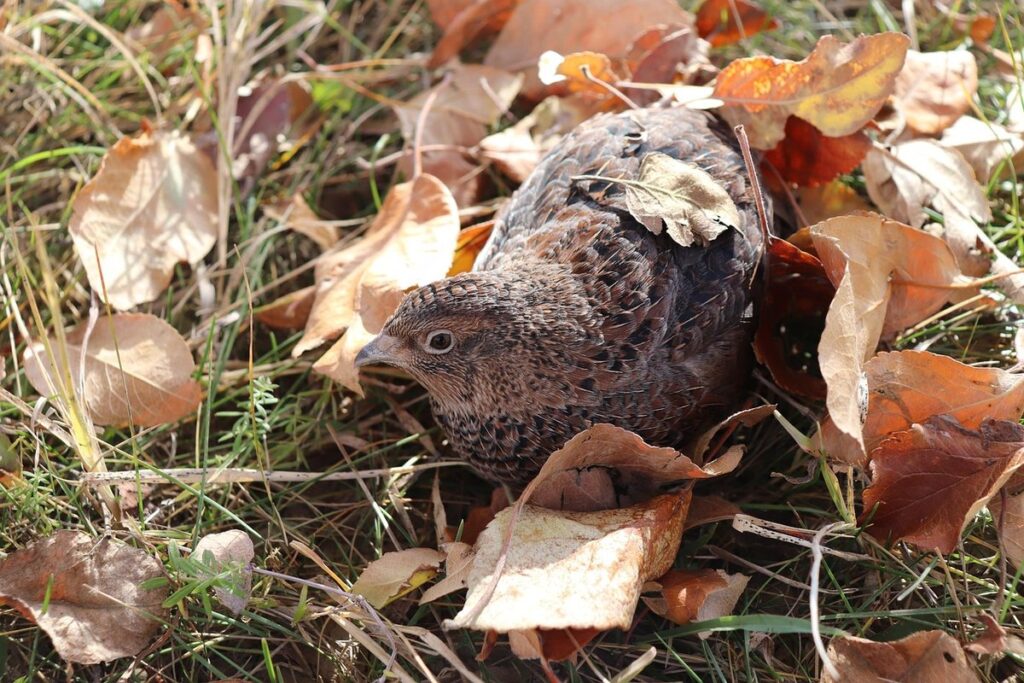
Introduction to Blue Quail Eggs
Let’s dive into what makes blue quail eggs so unique, from their natural colors to their impressive nutritional profile. We’ll cover it all!
Brief History of Blue Quail Egg Keeping
The history of blue quail eggs is a fascinating one, and it’s no wonder that they’ve become a sought-after commodity among poultry enthusiasts. The story begins in the Far East, where these small but mighty birds have been prized for their unique eggs for centuries. In fact, records show that blue quails were first domesticated in ancient China over 2,000 years ago.
As trade routes expanded and European explorers returned from their journeys to Asia, they brought with them tales of the exotic birds and their remarkable eggs. The blue quail’s popularity grew steadily throughout the Middle Ages, particularly among royalty and nobility who prized their delicate flavor and striking coloration. Today, blue quail eggs are prized not just for their taste but also for their nutritional benefits – they’re rich in protein, low in calories, and contain a range of essential vitamins and minerals.
If you’re interested in trying your hand at keeping blue quails for egg production, be aware that they require specialized care and housing. But with the right setup and attention to detail, these birds can thrive and provide you with a steady supply of delicious eggs.
Importance of Blue Quail Eggs in Modern Times
Blue quail eggs have become increasingly popular among chefs, foodies, and backyard chicken keepers in recent years. This rising interest is largely due to their unique characteristics and versatility in the kitchen.
For chefs, blue quail eggs offer a distinctive flavor and texture that sets them apart from more traditional egg varieties. They are often used as a garnish or added to dishes at the last minute to add a burst of color and freshness. Many high-end restaurants now feature blue quail eggs on their menus, particularly in molecular gastronomy and modernist cuisine.
Foodies have also taken notice of the benefits of blue quail eggs, prized for their rich, buttery flavor and firm texture. They are often used as a substitute for more expensive egg varieties or as an ingredient in creative recipes. Backyard chicken keepers appreciate the ease of collecting and incubating blue quail eggs, making them a fun and rewarding addition to any homestead.
Incorporating blue quail eggs into your cooking can be simple: try adding them to salads, omelets, or frittatas for added flavor and visual appeal. With their unique characteristics and adaptability, it’s no wonder blue quail eggs are becoming a staple in modern cuisine.
Characteristics and Benefits of Blue Quail Eggs
When it comes to blue quail eggs, there are several key characteristics and benefits that set them apart from other types of eggs. Let’s dive into what makes these tiny gems so special.
Unique Features of Blue Quail Eggs
Blue quail eggs are known for their striking appearance and unique features that set them apart from other types of eggs. One of the most noticeable characteristics is their small size, typically weighing around 10-12 grams each. This compact size makes them a perfect choice for baking and cooking, as they can be easily portioned out and added to various recipes.
In terms of shape, blue quail eggs are often elongated and have a slightly pointed end, making them visually appealing in both baked goods and savory dishes. The shell itself is thin and delicate, with a characteristic blue-green color that gives the eggs their name. This vibrant hue is due to the unique pigment present in the bird’s diet.
When handling blue quail eggs, it’s essential to note that they have a slightly softer shell than larger eggs. This means they require gentle handling to avoid cracking, but also makes them easier to peel for recipes like deviled eggs or egg salad. Whether you’re using them as a gourmet ingredient or simply want to try something new, blue quail eggs are sure to impress with their distinctive appearance and flavor profile.
Nutritional Value of Blue Quail Eggs
Blue quail eggs are not only visually stunning, but they also pack a nutritional punch that’s hard to beat. Let’s dive into what makes them so special.
One of the standout features of blue quail eggs is their impressive protein content. With about 6-7 grams of protein per large egg, they’re an excellent choice for anyone looking to boost their protein intake without relying on supplements or meat. To put this in perspective, a large chicken egg contains around 6 grams of protein, so you’re getting almost the same amount in a smaller package.
But what’s just as impressive is what’s missing: cholesterol levels are remarkably low in blue quail eggs, making them an excellent option for those with high cholesterol or heart health concerns. In fact, a study found that egg consumption was actually associated with a reduced risk of cardiovascular disease – likely due to the high-quality protein and omega-3 fatty acids present.
The antioxidant profile of blue quail eggs is also noteworthy. Rich in vitamins A, E, and K, as well as minerals like zinc and iron, these tiny eggs are packed with antioxidants that can help protect against cell damage and oxidative stress.
Raising Blue Quail for Egg Production
If you’re new to raising quail, this section will walk you through the basics of creating a healthy and thriving environment for your birds. We’ll cover everything from housing and feeding to breeding and egg collection.
Choosing the Right Breed
When choosing a breed for blue quail egg production, you have several options to consider. Chinese Blue Quails and Japanese Quails are two popular breeds known for their high egg-laying abilities. Chinese Blue Quails can produce around 300-320 large eggs per year, while Japanese Quails average around 200-220 eggs annually.
On the other hand, Blue Belgian Quails are another breed that excels in egg production, laying an average of 280-300 eggs per year. Their gentle and docile nature makes them a great choice for backyard farmers who want a low-maintenance flock.
It’s essential to research each breed’s temperament, growth rates, and egg-laying abilities to determine which one is best suited for your needs. If you’re new to quail keeping, consider starting with Japanese Quails due to their hardiness and adaptability.
Housing and Environmental Requirements
When it comes to raising blue quails for egg production, providing them with adequate housing and environmental conditions is crucial. Blue quails require a spacious area where they can move around comfortably, as well as sufficient ventilation and lighting to maintain optimal health.
A good rule of thumb is to provide at least 2-3 square feet of space per bird inside the coop, and about 5-7 square feet per bird in the enclosed run. This will give them enough room to stretch their wings, exercise, and engage in natural behaviors. It’s also essential to ensure that the enclosure has adequate ventilation, with windows or vents for airflow.
In terms of lighting, blue quails prefer a photoperiod of 14 hours of light and 10 hours of darkness. You can provide artificial lighting, such as LED bulbs, to supplement natural light during the winter months or in areas with limited sunlight. Lastly, provide one nesting box per three birds, filled with soft bedding material like wood shavings or straw. This will help maintain a clean and safe environment for your blue quails to lay eggs and thrive.
Health Considerations for Blue Quail Flocks
When it comes to raising a happy and healthy blue quail flock, there are several key health considerations you’ll want to be aware of before bringing home your new birds. Let’s take a closer look at these essential factors.
Common Health Issues Affecting Blue Quails
Blue quails are prone to various health issues that can significantly impact their well-being and productivity. Among these, parasites are a common concern. External parasites such as mites, lice, and fleas can infest the birds’ plumage, causing discomfort, stress, and even disease transmission.
Respiratory problems are another significant issue affecting blue quail flocks. Factors like high humidity, poor ventilation, and overcrowding can contribute to respiratory issues, making it essential for breeders to maintain a clean and well-ventilated environment.
Nutritional deficiencies can also have severe consequences on the health of blue quails. A balanced diet is crucial to ensure that they receive all the necessary nutrients. However, feed quality and nutritional content may vary depending on the region or supplier.
It’s essential for breeders to monitor their flocks regularly and take preventative measures to address these issues. Regular cleaning and disinfection of enclosures, maintaining a healthy weight through balanced feeding, and ensuring proper ventilation can help prevent many common health issues affecting blue quails. Consult with veterinarians or experienced breeders for expert advice on managing these concerns effectively.
Tips for Maintaining a Healthy Flock
Maintaining a healthy flock is crucial for ensuring the well-being of your blue quail birds and, ultimately, producing high-quality eggs. A key aspect of this is vaccination schedules. Consult with a veterinarian to determine the best vaccination plan for your flock, taking into account factors such as age, health status, and exposure risk.
Parasite control measures are also vital in maintaining a healthy flock. Regularly clean the coop and run, change bedding materials frequently, and monitor your birds’ droppings for signs of internal parasites. Additionally, consider deworming your quail every 6-8 weeks, depending on the product’s instructions and local regulations.
Biosecurity practices are essential to preventing disease outbreaks in your flock. Ensure all visitors thoroughly wash their hands before entering the coop or handling birds. Implement a “no-shoes” policy inside the coop and keep it well-ventilated to reduce the risk of respiratory diseases. Regularly disinfect feeders, waterers, and nesting boxes with a 1:10 ratio of bleach to water solution.
Breeding and Hatching Blue Quail Chicks
When it comes to breeding blue quail, successfully hatching healthy chicks requires careful planning, attention to incubation conditions, and a solid understanding of their specific needs. This section will guide you through these essential steps.
Understanding the Breeding Process
When it comes to breeding blue quail chicks, understanding the process is crucial for success. Selecting suitable breeders is the first step, and this involves choosing birds that have a proven track record of producing healthy, fertile eggs. Look for quails with desirable traits such as strong egg-laying ability, robust health, and attractive plumage.
Next, you’ll need to develop a mating strategy that ensures genetic diversity within your flock. This can be achieved by introducing new bloodlines or using artificial insemination techniques. When it comes to pairing breeders, consider factors like age, temperament, and fertility.
Incubation is another critical aspect of the breeding process. Blue quail eggs require a temperature range of around 99-100°F (37-38°C) for optimal development. You’ll also need to maintain high humidity levels to prevent drying out of the eggs. Monitor temperature and humidity closely using an incubator or thermometer, and ensure that the eggs are turned regularly to prevent sticking.
By carefully selecting breeders and following proper mating and incubation techniques, you can increase your chances of successfully hatching blue quail chicks.
Caring for Hatchlings and Young Chicks
As your blue quail eggs start to hatch, it’s essential to provide the perfect environment for your new additions. The first few weeks of a chick’s life are critical, and proper care will set them up for success.
For the first 24-48 hours after hatching, maintain a temperature around 95°F (35°C) in the brooder. This can be achieved with heat lamps or ceramic heat emitters. Keep the humidity high by spraying water on the walls of the enclosure to create a humid microclimate.
Once the chicks are dry and active, you can begin reducing the temperature gradually over the next few days. By day 5-7, they should be able to adapt to normal room temperatures (around 70-75°F or 21-24°C).
When it comes to feeding your young chicks, start with a starter feed that’s formulated specifically for quail or game birds. Provide a shallow dish of fresh water at all times and make sure the chicks can easily access food and water without having to navigate through litter.
As they grow, ensure socialization is key by introducing other chicks from different parents at around 2-3 weeks old. This helps develop their immunity and prepares them for life in a flock.
Marketing and Selling Blue Quail Eggs
Now that you’ve mastered the basics of raising healthy blue quails, it’s time to think about how to sell your prized eggs for a profit. This section will explore marketing and selling strategies specifically tailored for blue quail eggs.
Niche Markets for Blue Quail Eggs
If you’re looking to tap into new revenue streams for your blue quail eggs, consider exploring niche markets that value uniqueness and exclusivity. High-end restaurants, for instance, might be interested in incorporating these distinctive eggs as a premium ingredient or a unique garnish.
To get started, research local high-end establishments and reach out to their chefs or purchasing managers. Highlight the nutritional benefits, vibrant color, and potential culinary applications of your blue quail eggs. You could also offer samples or provide information on how to incorporate them into their menu offerings.
Specialty food stores are another potential market for blue quail eggs. These businesses often cater to customers seeking gourmet or hard-to-find ingredients. Attend trade shows or reach out directly to store owners to showcase your products and build relationships. Online marketplaces like farmers’ markets, artisanal food websites, or e-commerce platforms can also provide a gateway to new customers.
When approaching these niche markets, focus on the value proposition of your blue quail eggs and be prepared to educate potential buyers about their unique qualities.
Tips for Successful Marketing and Sales
When it comes to marketing and selling blue quail eggs, it’s essential to focus on building a strong brand that stands out from the competition. Start by developing a unique logo and branding identity that reflects the high-quality and uniqueness of your blue quail eggs. Consider using eco-friendly or sustainable packaging to appeal to environmentally-conscious customers.
Pricing is another crucial aspect to consider. Research your competitors and set prices competitively, taking into account the cost of production, transportation, and other expenses. Be prepared to offer discounts or promotions for bulk orders or loyal customers to incentivize sales.
Effective customer engagement is also vital in successful marketing and sales. Utilize social media platforms to share high-quality images and videos of your blue quail eggs, as well as stories about their benefits and unique characteristics. Consider hosting cooking classes or workshops to showcase the versatility of these eggs and build a loyal customer base. By implementing these strategies, you can create a loyal customer following and drive sales for your blue quail egg business.
Conclusion: The Future of Blue Quail Egg Keeping
As we come to a close, let’s take a look at what the future holds for blue quail egg enthusiasts and breeders who are passionate about raising these unique birds. What can you expect next in the world of blue quail eggs?
Trends and Opportunities in the Industry
As we look to the future of blue quail egg keeping, it’s clear that there are some exciting trends and opportunities on the horizon. One of the most significant developments is the rise of sustainable farming practices. Consumers are becoming increasingly aware of the environmental impact of their food choices, and they’re seeking out producers who prioritize eco-friendly methods. This shift towards sustainability presents a major opportunity for blue quail egg keepers to differentiate themselves in a crowded market.
With more people looking to reduce their carbon footprint, demand is increasing for exotic eggs like those from blue quails. This growing interest has led to the development of niche markets and specialty producers who cater specifically to these customers. To tap into this trend, consider exploring regenerative farming practices or incorporating organic methods into your operation. You can also focus on building strong relationships with local chefs and restaurants who are eager to source unique, high-quality ingredients.
Ultimately, embracing sustainability and catering to the demand for exotic eggs will be crucial to the future success of blue quail egg keeping. By adapting to these emerging trends, you’ll not only meet the changing needs of consumers but also contribute to a more environmentally conscious food system.
Final Thoughts on Raising Blue Quail for Eggs
Raising blue quail for eggs has been an incredible journey, and I’m glad we’ve had the chance to explore all aspects of this unique hobby together. As you begin to plan and implement your own backyard egg-laying operation, remember that patience and dedication are key.
One of the most important takeaways from our time together is the importance of creating a suitable environment for your blue quail flock. This means providing adequate shelter, food, water, and space for them to roam and exercise. Don’t forget about the specific needs of these birds, such as their preference for dry bedding and a varied diet that includes fresh fruits and vegetables.
As you continue on this journey, be sure to monitor your flock’s health and adjust their care accordingly. Regularly inspect their living quarters, provide plenty of fresh water and nutritious food, and be prepared to intervene if any issues arise.
By following these guidelines and staying committed to the needs of your blue quail, you’ll be rewarded with an abundance of delicious eggs from happy and healthy birds.
Frequently Asked Questions
What are the typical costs associated with starting a blue quail egg farm?
The initial investment for a small-scale blue quail egg farm can vary depending on factors like breed selection, housing requirements, and equipment costs. However, expect to spend around $5,000 to $10,000 to set up a basic operation, including feeders, waterers, nesting boxes, and initial stock of breeding pairs.
How do I ensure the health and well-being of my blue quail flock?
Maintaining a healthy flock requires regular monitoring for signs of stress, disease, or parasites. Implement good biosecurity practices, provide adequate ventilation, sanitation, and nutrition, and consider consulting with a veterinarian experienced in poultry care to develop a comprehensive health plan.
Can I raise blue quails in urban areas or small backyards?
Yes, blue quails can thrive in smaller spaces with proper housing and management. However, it’s essential to check local regulations regarding backyard chickens or other small livestock before starting your operation. Consider vertical farming or modular systems for efficient use of space.
How do I differentiate my blue quail eggs from competitors in terms of marketing?
Emphasize the unique nutritional profile, sustainability, and exotic appeal of your blue quail eggs. Develop a strong brand identity highlighting these benefits, and consider partnering with local health food stores, specialty restaurants, or online marketplaces to reach a targeted audience.
What are some common mistakes beginners make when raising blue quails for egg production?
Common pitfalls include inadequate housing, insufficient nutrition, and poor biosecurity practices. Additionally, many new breeders underestimate the time commitment required for regular cleaning, feeding, and health checks. Start small, stay organized, and be prepared to adapt your operations as you gain experience.