
Raising baby ducks can be a wonderful experience for anyone, especially beginners. Not only is it an excellent opportunity to learn about caring for these adorable creatures, but also to discover the joys of raising your own flock from scratch. With their fluffy down and curious nature, it’s no wonder why many people are drawn to keeping ducks as pets or even starting a small farm. However, taking care of baby ducks requires some knowledge and effort to ensure they grow into happy and healthy adults.
In this comprehensive guide, we’ll walk you through everything you need to know about raising baby ducks, from setting up your home to managing your flock effectively. We’ll cover the basics of providing for their nutritional needs, creating a safe environment, and understanding their unique personalities. By the end of this article, you’ll be well-equipped with the skills and confidence to raise happy and healthy baby ducks in your own backyard or small farm.
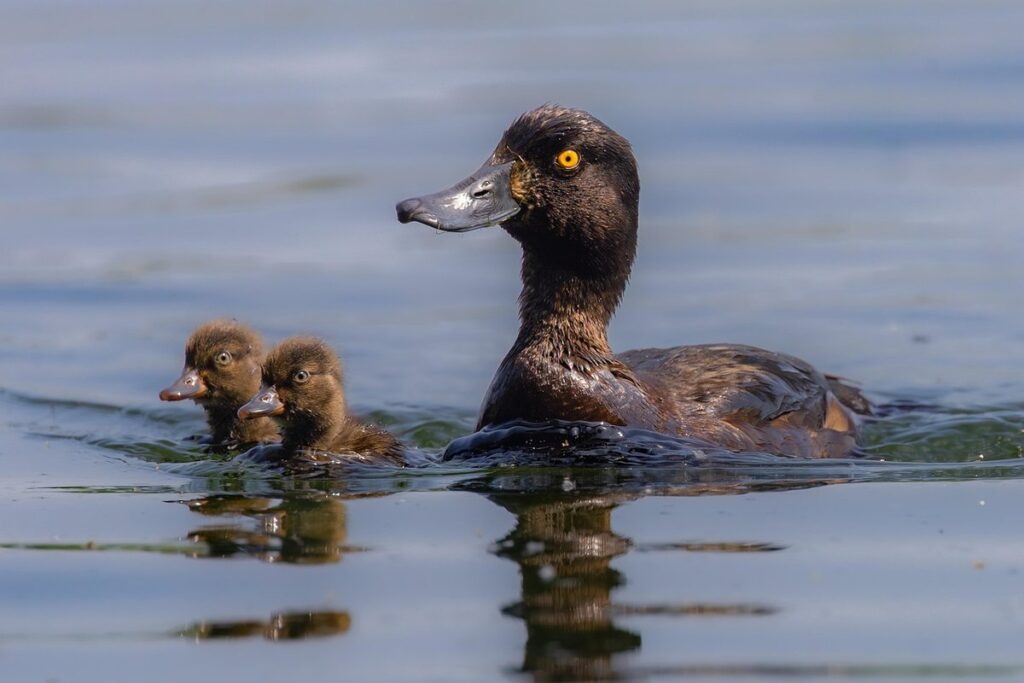
Introduction to Raising Baby Ducks
Welcome to raising baby ducks! In this first section, we’ll cover the essential steps and tips you need to know before bringing home your new feathered friends.
Understanding the Basics of Duck Parenting
Raising baby ducks requires a basic understanding of their unique needs and care requirements. As a beginner, it’s essential to comprehend that duck parenting involves more than just providing food and water. Baby ducks, also known as ducklings, rely heavily on their mother for warmth, guidance, and nutrition.
A broody hen, or a mother duck, will typically take care of her ducklings by keeping them warm under her wings and teaching them essential survival skills. However, if you’re raising baby ducks without a broody hen, it’s crucial to replicate these conditions artificially. This involves providing a warm and safe environment, such as a brooder with adequate ventilation.
To ensure the health and well-being of your ducklings, it’s vital to maintain a clean living space, provide a balanced diet, and ensure access to fresh water at all times. A good rule of thumb is to allocate one gallon of water per duckling for the first few weeks after hatching. By understanding these fundamental needs and care requirements, you’ll be well on your way to raising happy and healthy baby ducks.
Benefits of Raising Baby Ducks
Raising baby ducks can be a fun and rewarding experience, especially for those who are looking to diversify their backyard poultry flock. One of the main reasons people choose to raise ducklings is for the fresh eggs they provide. Unlike chickens, duck eggs have a thicker shell and a creamier yolk, making them a prized commodity among bakers and cooks.
In addition to the financial benefits, raising baby ducks can also be an entertaining hobby. Watching these adorable creatures grow from fluffy balls of fluff into curious explorers is sure to bring joy to your daily routine. Plus, their playful quacks and antics can add a unique soundtrack to your backyard.
Whether you’re looking for a new source of fresh eggs or simply want to bring some excitement to your small farm or homestead, raising baby ducks can be an excellent choice. With proper care and attention, these feathered friends can thrive in even the smallest spaces, providing endless hours of entertainment and value to their owners.
Preparing Your Home for Baby Ducks
Before bringing home your adorable baby ducks, you’ll want to make sure their new environment is safe and suitable for them. This includes setting up a cozy brooder and preparing a special area for their first few weeks of life.
Setting Up a Safe Environment
When bringing home baby ducks, it’s essential to set up a safe environment that meets their unique needs. This includes providing a secure and escape-proof enclosure, as well as necessary equipment and supplies. A minimum of 2×4 feet per duck is recommended for outdoor enclosures, but make sure the area is also predator-proofed.
For indoor spaces, convert a large room or section into a duck nursery by covering the floor with waterproof material and installing a heat lamp or radiator to maintain a warm temperature (around 90°F for the first week). Provide hiding places like cardboard boxes or small enclosures to help your ducks feel secure. Additionally, ensure good ventilation to prevent respiratory issues.
In terms of supplies, you’ll need food and water containers that are specifically designed for ducklings, as well as a shallow pool for swimming and bathing. Line their enclosure with absorbent bedding material like wood shavings or straw to make cleaning easier. Remember, baby ducks are naturally curious, so keep any hazardous items or toxic substances out of reach.
To create an optimal environment, research local ordinances regarding backyard poultry keeping, and consult with experts if you’re unsure about specific needs or regulations in your area.
Creating a Duck-Friendly Space
Creating a safe and healthy environment for your ducklings to grow is crucial for their development and well-being. When designing a space specifically for them, consider the following factors: adequate ventilation, easy cleaning, and protection from predators.
Ensure that the area is well-ventilated to prevent ammonia buildup from their droppings, which can be toxic to both ducks and humans. A window or a screen door can provide natural airflow while keeping pests out. Place the duckling enclosure near a shaded area to prevent overheating during hot summer days.
Make it easy to clean by incorporating features such as sloping roofs or grated floors that allow for quick removal of waste and debris. You can also install a waterproof liner under the floor to make cleaning easier. A shallow water trough and feeding areas should be placed at duckling level to encourage natural behavior like drinking, eating, and swimming.
Remember, providing a safe space is essential for healthy growth and development in your baby ducks.
Choosing the Right Breed of Duck
When it comes to bringing home baby ducks, selecting the right breed is crucial for their health and happiness. Let’s explore the factors to consider when choosing a duck breed that fits your lifestyle.
Understanding Different Types of Ducks
When it comes to raising baby ducks, understanding the different types of breeds can be overwhelming, especially for beginners. However, knowing the unique characteristics of various breeds will help you make an informed decision when selecting the perfect duckling for your backyard flock.
There are over 100 recognized breeds of domesticated ducks worldwide, each with its own distinct temperament, egg-laying ability, and adaptability to different environments. For example, Khaki Campbells are known for their high egg production, laying around 300 eggs per year, making them an ideal choice for families who want fresh eggs daily.
On the other hand, Wood Ducks are excellent foragers and can thrive in smaller spaces with minimal care. Their calm nature also makes them a great choice for beginners, as they’re relatively low-maintenance compared to more energetic breeds like Muscovy or Sebastopol ducks.
When choosing a breed, consider your lifestyle, available space, and what you want to achieve from raising baby ducks. Research the specific needs of each breed to ensure you can provide the necessary care and attention. By understanding the different types of ducks, you’ll be better equipped to select a breed that suits your needs and provides a happy, healthy life for your feathered friends.
Selecting a Breed Suitable for Beginners
When selecting a breed suitable for beginners, it’s essential to consider ducks that are hardy and have a forgiving temperament. Some breeds stand out as ideal for first-time raisers due to their adaptability and resilience.
The Khaki Campbell is an excellent choice for beginners, known for its calm demeanor and robust health. These ducks are easy-going and can thrive in various environments, making them perfect for backyard farmers with limited experience. Another popular breed for beginners is the Muscovy duck, which boasts impressive hardiness and a gentle nature.
When evaluating breeds, consider factors like your available space, climate, and desired egg production levels. For example, the Indian Runner duck excels in smaller spaces due to its upright stance, making it ideal for urban farmers or those with limited yard space.
Ultimately, research different breeds and their unique characteristics to find the best fit for you and your family. This will help ensure a positive experience as you raise your baby ducks and establish a long-term relationship with these wonderful feathered friends.
Caring for Baby Ducks
Now that you’ve learned how to feed and house your baby ducks, it’s time to focus on providing them with proper care and attention to ensure they stay healthy and happy. This includes regular cleaning of their enclosure and monitoring for signs of illness.
Nutrition and Feeding Habits
As a beginner duck breeder, providing proper nutrition for baby ducks is crucial for their growth and development. Baby ducks need a balanced diet that includes protein, calcium, vitamins, and minerals to support their rapid growth rate. A good quality commercial starter feed should be the main staple of their diet, but it’s essential to supplement with fresh vegetables, fruits, and grains to ensure they receive all the necessary nutrients.
Feeding schedules are also critical for baby ducks. They need to be fed frequently throughout the day, especially in the first few weeks after hatching. A general rule of thumb is to feed them every 2-3 hours during the day, but you may need to adjust this schedule based on their individual needs and growth rate. For example, if it’s hot or humid outside, they may require more frequent feeding to keep up with their energy demands.
A good guideline for ducklings is to provide about 20% protein in their diet until they are around 4-6 weeks old. After that, you can gradually switch them to a maintenance feed with lower protein content. It’s also essential to ensure they always have access to fresh water and a balanced mineral supplement to prevent health issues.
Health Considerations and Hygiene
When it comes to raising baby ducks, health considerations and hygiene are crucial aspects to address. As a beginner duck breeder, you’ll want to be aware of common health issues that can affect ducklings, such as respiratory problems, mites, and wet droppings. To prevent these issues, make sure your brooder is well-ventilated and kept at the right temperature (around 90°F for the first week).
Implementing good hygiene practices is also essential in preventing disease transmission. This includes regular cleaning of food and water dishes, as well as disinfecting the entire brooder every few days. You can use a mixture of 1 part white vinegar to 9 parts water to create an effective disinfectant.
Another critical aspect of duckling health is their vaccination schedule. Consult with a veterinarian to determine the best vaccination program for your flock. Additionally, ensure that all equipment and supplies are properly cleaned and disinfected before bringing them into contact with your baby ducks.
By following these guidelines and maintaining a clean and healthy environment, you’ll be well on your way to raising happy and healthy ducklings.
Raising Ducklings from Hatch to Flock
As you settle into life with your new baby ducklings, it’s essential to provide them with a safe and nurturing environment as they grow from fluffy hatchlings to confident members of their flock. This section will guide you through those crucial first weeks.
The First Few Weeks: Critical Care
The first few weeks of a duckling’s life are crucial for their growth and development. As a beginner duck parent, it’s essential to provide the right care and attention during this critical period. Keep the brooder warm, as ducklings need an environment between 90°F to 100°F (32°C to 38°C) until they’re about two weeks old. You can achieve this by using heat lamps or ceramic heat emitters.
Ducklings will start pecking at feed within a day of hatching, so make sure their starter feed is available and easily accessible. A balanced diet will include grains, protein sources, and calcium for strong beak and bone growth. Place the feeder in a safe location to prevent the ducklings from tripping over it.
To keep your brooder clean and disease-free, change the bedding daily and disinfect any surfaces with a solution of 1 part white vinegar to 9 parts water. Monitor your ducklings’ health closely, looking for signs of illness or injury, such as labored breathing or lethargy. With proper care and attention, you’ll be well on your way to raising healthy, happy ducklings.
Growing Pains: Transitioning to Outdoor Living
As your ducklings grow and mature, it’s time to think about introducing them to outdoor living. This can be a challenging transition for both you and the birds, but with patience and planning, you’ll create a safe space for your flock to thrive.
When preparing an outdoor enclosure, ensure it provides adequate shelter from harsh weather conditions, predators, and drafts. A sturdy fence or netting should completely enclose the area, keeping curious critters out and preventing escape attempts by your feathered friends. Consider adding some shade structures or trees to provide a cool spot for the birds to retreat when needed.
Before releasing your ducklings into their new outdoor home, make sure it’s free from any potential hazards such as toxic plants, sharp objects, or standing water that could become breeding grounds for mosquitoes and other pests. A clean and comfortable environment will help reduce stress on your growing flock.
Introduce the birds to their new surroundings gradually by letting them explore a small area at first and then expanding their territory over time. This will allow them to get accustomed to their new space without feeling overwhelmed or anxious.
Managing Your Duck Flock
As you welcome your new ducklings into their forever home, learning how to manage a healthy and harmonious flock is crucial for their growth and well-being. Let’s dive into some essential tips on managing your feathered friends!
Building a Strong Bond with Your Ducks
Building a strong bond with your ducks is crucial to their happiness and health. When you establish trust and familiarity from an early age, it becomes easier to handle them, care for them, and even train them. Start by spending quality time with your ducklings, gently handling each one to get them accustomed to human touch. Begin with short sessions of 5-10 minutes, gradually increasing the duration as they become more comfortable.
Socialization is also key in building a strong bond with your ducks. Introduce them to new environments, people, and other animals at a young age to help them develop confidence and reduce anxiety. You can even try pairing ducklings from different litters together for social interaction. For training, begin with simple tasks like stepping onto a ramp or walking through a tunnel. Reward their efforts with treats and praise to encourage positive behavior. By investing time and effort into building this bond, you’ll be well on your way to raising happy, healthy, and well-adjusted ducks.
Establishing a Daily Routine
As you transition from caring for your baby ducks to their adult stages, establishing a daily routine becomes essential. This structured schedule will ensure your flock’s overall health and well-being. Start by dividing the day into three main tasks: feeding, cleaning, and monitoring health.
Feeding is one of the most critical aspects of your duck flock’s care. Set aside a specific time each morning for this task. Determine the best feed for your ducks based on their breed, age, and nutritional needs. For example, ducks over six months may require more protein-rich feed than younger birds.
Allocate 15-30 minutes daily for cleaning the coop and runs. Remove soiled bedding, disinfect all surfaces, and replenish clean material as needed. A well-maintained environment reduces health risks and keeps your flock comfortable.
Monitoring their health should also be a regular part of your routine. Spend some time each day observing your ducks’ behavior, checking for any signs of illness or injury. Look for droopy wings, ruffled feathers, or changes in appetite or stool quality – these can indicate potential issues that require immediate attention.
Troubleshooting Common Issues in Duck Raising
As you navigate the world of raising baby ducks, common issues will inevitably arise. This section tackles the most frequent problems and provides practical solutions to get your feathered friends back on track.
Identifying and Addressing Health Problems
As a beginner duck raiser, it’s essential to recognize common health issues that can affect your baby ducks. Some of the most prevalent illnesses include respiratory problems, such as pneumonia and bronchitis, which are often caused by bacteria or viruses. These conditions can be identified by labored breathing, wheezing, or coughing in your ducklings.
In addition to respiratory issues, ducks can also suffer from internal parasites like coccidiosis, which is characterized by diarrhea, weight loss, and lethargy. You may also notice signs of external parasites such as mites, lice, or fleas, which can cause skin irritation and discomfort for your ducklings.
To address these health problems, it’s crucial to maintain good hygiene and biosecurity practices on your farm. This includes providing a clean and well-ventilated environment for your ducks, regularly disinfecting equipment and surfaces, and practicing proper waste management. Regular monitoring of your ducklings’ behavior and physical condition can also help you identify potential health issues early on.
Managing Predator-Related Threats
Protecting your duck flock from predators is crucial to their safety and well-being. One of the most effective ways to do this is by installing a sturdy fence around their enclosure. The fence should be at least 3 feet high and made of durable materials such as chicken wire or hardware cloth with openings no larger than 1 inch. Burying the fence 12 inches underground will also prevent predators from digging underneath.
In addition to fencing, providing your ducks with a secure shelter is essential. This can be a simple wooden coop or a more elaborate structure with nesting boxes and roosts. Make sure it’s well-ventilated, dry, and out of direct sunlight. You should also provide adequate cover for your ducks, such as shrubs or trees, to help them feel safe and secure.
An early warning system can also alert you to potential threats. This can be achieved by using motion-sensitive lights, noise-making devices, or even a simple watchful eye from a nearby window. By combining these strategies, you’ll be able to protect your duck flock from predators and create a safe and happy environment for them to grow and thrive.
Frequently Asked Questions
How often should I check on my baby ducks, especially during the first few weeks?
It’s essential to check on your baby ducks frequently, at least every hour or two during the first week, to ensure they are safe and thriving. Monitor their temperature, water intake, and overall behavior for any signs of distress. As they grow older, you can gradually reduce the frequency of checks.
Can I mix ducklings with other animals, like chickens or turkeys?
While it’s possible to raise multiple species together, it’s crucial to ensure compatibility and safety for all birds. Some ducks may be stressed by the presence of predators (like dogs) or competitors for food and resources. Research compatible breeds and take steps to provide separate areas for each species.
What are some common health issues in baby ducks, and how can I prevent them?
Baby ducks are prone to respiratory problems, metabolic bone disease, and scaly leg mites due to inadequate nutrition and poor living conditions. Provide a balanced diet rich in calcium and vitamin D3, ensure proper ventilation in their enclosure, and monitor for signs of illness.
How do I handle ducklings when they start to grow more aggressive or develop assertive personalities?
As baby ducks mature into adults, some individuals may exhibit dominant behavior, which can be challenging to manage. Provide plenty of space for exercise and exploration, use positive reinforcement training methods, and establish clear boundaries and routines to maintain harmony within your flock.
Can I raise ducklings without a separate enclosure or can they live with my existing chickens?
While it’s possible to integrate ducks into an existing coop, it’s crucial to provide enough space and resources for both species. Baby ducks require specific ventilation, lighting, and feeding arrangements that may not be suitable for adult chickens. Consider setting up a separate area or modifying your current setup to accommodate the unique needs of your growing flock.