
Raising backyard chickens is an exciting way to start your homesteading journey, providing fresh eggs and a sense of self-sufficiency. However, it can be overwhelming for beginners to navigate the process. With so many variables to consider, from coop location to breed selection, it’s easy to get caught up in the details.
In this comprehensive guide, we’ll walk you through everything you need to know to successfully raise happy and healthy chickens. We’ll cover the essential topics of backyard chicken keeping, including choosing the right breed for your needs, building a safe and functional coop, and providing proper nutrition and care for optimal health. From common health issues to expert tips on managing pests and predators, we’ve got you covered. By the end of this article, you’ll be well-equipped to start raising your own backyard chickens and enjoying the many benefits that come with it.
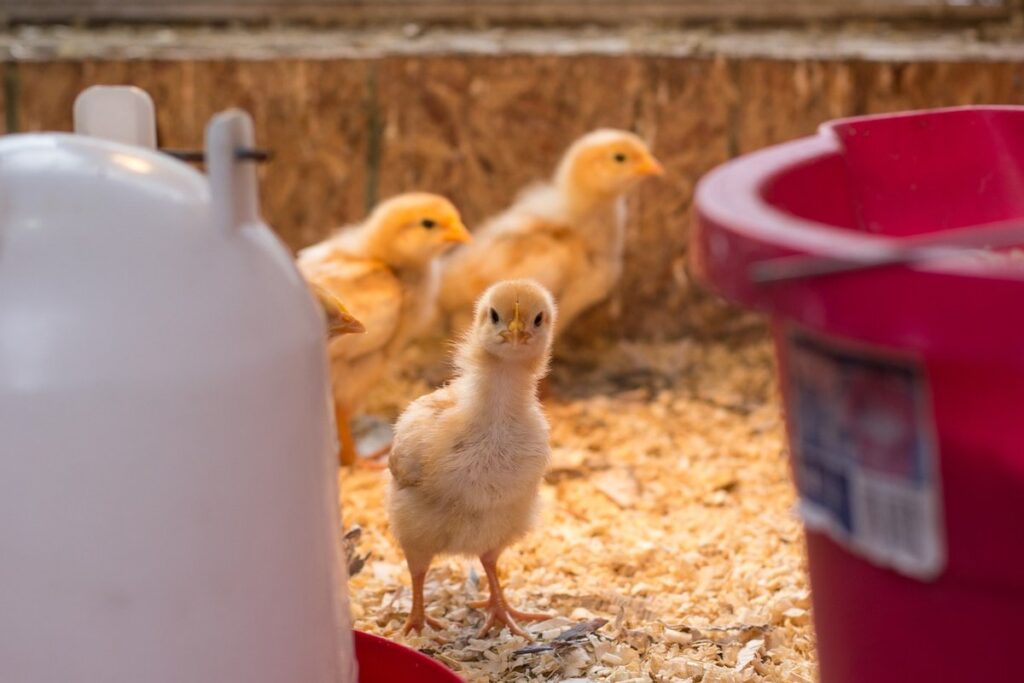
Getting Started with Your Backyard Chicken Coop
If you’re new to raising backyard chickens, don’t worry – we’ve got you covered. This section will walk you through the essentials of designing and setting up a safe and functional coop for your flock.
Choosing the Right Location for Your Coop
When it comes to building a chicken coop, choosing the right location is crucial for the health and well-being of your flock. A suitable location should provide adequate sunlight, protection from harsh winds, and access to fresh water. Ideally, the coop should face east or south to allow morning sunlight to enter and warm the interior, promoting egg-laying and overall health.
However, it’s equally important to consider wind direction and proximity to water sources. Chickens can quickly become chilled by strong gusts of wind, so positioning the coop in a sheltered area will help keep them comfortable. As for water sources, avoid placing the coop near any standing water or areas where moisture accumulates, as this can lead to disease and pest issues.
To ensure your coop doesn’t disturb neighboring properties, maintain a safe distance of at least 10-15 feet from any property lines. This will not only prevent noise complaints but also help prevent the spread of diseases between flocks. By carefully selecting a suitable location for your chicken coop, you’ll create a happy and healthy environment for your backyard chickens to thrive in.
Building or Purchasing Your Chicken Coop
When it comes to building or purchasing a chicken coop, there are several options to consider. For those who enjoy DIY projects, building a coop from scratch can be a fun and rewarding experience. Online resources such as Ana White’s website offer free plans for various coop designs, ranging from simple to complex. Consider the size of your flock and available space when selecting a design.
If you’re not comfortable with building or prefer a more straightforward solution, purchasing a pre-made coop is a viable option. These coops come in a range of sizes and styles, from small to large, and can be found online or at local hardware stores. Some popular brands include Premier 1 and Omlet.
When choosing a coop, consider the materials used. Chicken wire, for example, is a cost-effective option but may not provide adequate protection against predators. Plywood or metal coops offer greater security but come with a higher price tag. Assess your needs and budget to determine which type of coop best suits you.
Understanding Local Regulations and Zoning Laws
Before you start building your backyard chicken coop, it’s essential to familiarize yourself with local regulations regarding backyard chickens. This may seem like a minor detail, but failure to comply can result in fines, confiscation of your birds, or even having to dismantle your entire coop.
Start by checking with your city or county government to see if there are any permits required to keep chickens in your area. Some municipalities require a permit for every chicken you own, while others may have a maximum number of birds allowed per property. Research local ordinances to understand what is and isn’t permitted.
Some areas also have specific zoning laws that dictate where you can place your coop. For example, it may be required to be at least 20 feet away from any neighboring properties or in an area designated for agricultural use. Be sure to review these regulations carefully before breaking ground on your chicken project.
Remember, it’s always better to err on the side of caution and seek clarification if you’re unsure about any local regulations. Your friendly neighborhood inspector may be willing to provide guidance or point you in the direction of more resources to help you get started with your backyard flock.
Chickens 101: Understanding Breed Selection and Chicken Care
When it comes to raising healthy and happy chickens, understanding breed selection is crucial. Choosing the right breed for your backyard flock sets the stage for success.
Selecting the Right Breed for Your Homestead
When selecting a breed for your homestead, it’s essential to consider their egg-laying capacity. If you’re looking to produce eggs for your family or even for sale, some breeds are more prolific than others. For example, the Leghorn and Rhode Island Red are known for their high egg production, laying an average of 280-300 eggs per year. On the other hand, heritage breeds like the Plymouth Rock and Wyandotte may only produce around 200 eggs annually.
Temperament is also a crucial factor to consider when choosing a breed. If you have children or pets, it’s best to opt for friendly and docile breeds such as the Brahma or Orpington. These gentle giants are great with people and can even become loyal companions. However, if you’re looking for breeds that are more independent and less likely to wander off, consider breeds like the Silkie or Polish.
Lastly, climate adaptation is a significant consideration, especially if you live in areas with extreme temperatures. Some breeds, such as the Brahma and Cochin, are well-suited for cold climates due to their thick feathers and sturdy build. In contrast, breeds like the Leghorn and Rhode Island Red prefer warmer temperatures and may not thrive in freezing conditions.
When choosing a breed, it’s essential to research their specific needs and characteristics to ensure they fit your homesteading lifestyle and climate.
Nutrition and Feeding Strategies for Healthy Chickens
Providing a balanced diet is essential for maintaining healthy chickens. A commercial layer feed should make up about 80% of their diet, while supplements and treats can account for the remaining 20%. It’s crucial to avoid overfeeding, as this can lead to health problems and impact egg production.
Common feeding mistakes include over-supplementing with calcium-rich foods, which can cause kidney stones. Also, be cautious when offering table scraps, as these can lead to digestive issues if not introduced gradually. To supplement your flock’s diet, consider adding oyster shells or crushed eggshells for extra calcium.
When introducing new foods or treats, do it gradually to prevent digestive upset. A good rule of thumb is to introduce a new food at 10% of the chicken’s daily ration and increase the amount over time. For example, if you’re introducing a fresh vegetable like kale, start with a small handful (about 1-2 ounces) per bird for a few days before increasing the amount.
Aim to provide your flock with a mix of protein sources, including mealworms, sunflower seeds, and fruits like berries or apples.
Common Health Issues in Backyard Chickens and Prevention
When it comes to raising backyard chickens, health issues can be a significant concern. Some common problems that may affect your flock include mites, lice, and respiratory issues. Mites are tiny parasites that feed on the blood of chickens, causing anemia and stress. They’re often found in cracks and crevices, so make sure to regularly clean and disinfect roosts and nesting boxes. Lice, on the other hand, can be a sign of poor ventilation or overcrowding.
To prevent respiratory problems, ensure good airflow in your coop by providing adequate ventilation. You should also keep an eye out for signs like coughing, sneezing, or labored breathing. Regular dust baths can help reduce stress and prevent respiratory issues. In addition to these precautions, make sure your flock is receiving a balanced diet that includes essential nutrients like vitamins A and D.
Some other health issues to watch out for include feather pecking, egg binding, and broodiness. Feather pecking occurs when chickens become stressed or bored and start pecking at each other’s feathers. Egg binding happens when hens have difficulty laying eggs due to inadequate nesting boxes or poor calcium levels. Finally, broodiness is a condition where hens stop laying eggs and instead focus on incubating their own eggs.
Building a Sustainable Homestead with Your Chicken Flock
As you build your sustainable homestead, incorporating your chicken flock into your self-sufficiency plans can be a game-changer for both your family and the environment. We’ll explore practical ways to do just that.
Integrating Chickens into Your Garden or Orchard
When it comes to building a sustainable homestead with chickens, integrating them into your garden or orchard is a game-changer. Not only can it provide you with fresh eggs and entertainment, but it also offers numerous benefits for your garden’s health and productivity.
Chickens are natural pest controllers, and they’ll happily munch on insects like slugs, snails, and grubs that can damage your crops. This means you’ll have fewer chemicals to worry about using in your garden, and a healthier environment for both humans and wildlife. By introducing chickens into your orchard or garden, you’ll also create a natural fertilizer system. Their manure will enrich the soil, improving its structure and fertility, which is perfect for growing fruits, vegetables, and herbs.
To integrate chickens into your garden or orchard effectively, consider the following tips: place their coop near a fruit tree to provide them with shade and protection from the elements; use wire mesh fencing to keep predators out while allowing your chickens to roam freely; and make sure to maintain clean living conditions by regularly cleaning their coop and removing soiled bedding material.
Using Chicken Manure as Natural Fertilizer
Using chicken manure as natural fertilizer is a game-changer for homesteaders. Not only does it reduce waste and create a valuable resource, but it also promotes soil health and reduces the need for synthetic fertilizers. To get started, you’ll first need to collect and store the manure properly. This can be done by scooping out soiled bedding material from your chicken coop on a regular basis and placing it in a designated composting area.
Next, mix the manure with other “green” materials like leaves or grass clippings to create a nutrient-rich blend. Aim for a mix of 2/3 “brown” materials (like dried straw) and 1/3 “green” materials. This will help speed up the decomposition process and reduce odors.
After several weeks, your mixture should be broken down into a dark, crumbly compost that’s teeming with beneficial microbes. Use this as a natural fertilizer for your garden or orchard, applying it at a rate of about 1-2 inches deep to avoid over-fertilizing. With regular maintenance and patience, you’ll be able to harness the power of chicken manure to create a thriving and sustainable homestead ecosystem.
Raising Chickens for Meat: A Guide to Sustainable butchery
When it comes to raising chickens for meat, many backyard flock owners may feel uncertain about where to start. However, with some planning and research, you can raise healthy, flavorful birds that meet your family’s needs while also adhering to sustainable butchery practices.
First and foremost, selecting the right breed is crucial. Look for dual-purpose breeds such as Plymouth Rock or Brahma, which are known for their exceptional meat production. When it comes to feeding strategies, consider offering a diverse diet rich in grains, fruits, and vegetables. This not only ensures a more nutritious final product but also promotes animal welfare.
When the time comes to harvest your birds, prioritize humane slaughter practices. Consider partnering with a local butcher or taking a DIY approach using a sharp knife and quick cutting methods to minimize stress on the animal. Always follow proper food safety guidelines to ensure your meat is safe for consumption. By adopting these simple strategies, you can enjoy delicious, humanely raised chicken while minimizing your environmental footprint.
Egg-cellent Eggs: Harvesting and Preserving Your Backyard Chicken’s Bounty
As your flock grows, so does their egg production – but how do you make sure you enjoy these fresh eggs all year round? Let’s explore harvesting and preserving your backyard chicken’s bounty.
Collecting and Storing Fresh Eggs
When it’s time to collect those fresh eggs from your backyard flock, you’ll want to make sure they’re handled and stored properly. Not only will this ensure their quality and freshness, but it also helps prevent the risk of bacterial contamination.
First, identify clean eggs by looking for any visible cracks or dirt on the shell. A clean egg should have no signs of cracking or debris stuck to it. Next, check for fertility by gently tapping the egg on a flat surface – a fertile egg will have a slight give in its movement due to the air sac inside.
When storing fresh eggs, keep them in a cool, dry place away from direct sunlight and heat sources. The ideal storage location is between 35°F and 40°F (2°C to 4°C). You can also store eggs in their carton or container with the pointed end facing down to prevent moisture from entering the egg.
By following these simple steps, you’ll be able to enjoy your fresh eggs for a longer period while maintaining their quality.
Preserving Eggs through Canning, Freezing, or Dehydrating
Preserving eggs is an essential skill for any homesteader with backyard chickens. When it comes to preserving eggs, you have several options: canning, freezing, and dehydrating. Each method has its advantages and disadvantages.
Canning is a popular method for preserving eggs, but it requires a pressure canner and precise temperature control to ensure the eggs are heated enough to kill off bacteria. The advantage of canning is that it allows you to store eggs for up to 12 months. However, the process can be time-consuming and requires specialized equipment.
Freezing is another option for preserving eggs. This method involves beating the eggs and then freezing them in ice cube trays or airtight containers. Frozen eggs are ideal for baking and cooking, but they’re not suitable for frying or boiling. The advantage of freezing is that it’s quick and easy, requiring minimal equipment.
Dehydrating is the third option for preserving eggs. This method involves removing the moisture from the egg through a dehydration process, resulting in dried eggs. Dehydrated eggs are lightweight, compact, and can be stored for up to 30 years. However, they’re not suitable for all recipes and require rehydration before use.
When it comes to choosing the best preservation method, consider your lifestyle and preferences. If you have limited storage space or want a long-term solution, dehydrating might be the way to go. If you prioritize convenience and quick access to eggs, freezing is a good option.
Troubleshooting Common Issues in Your Backyard Chicken Coop
We’ve all been there – a sick hen, a broken fence, or a mysterious pecking order issue. Let’s tackle these common problems and get your backyard flock thriving again.
Identifying and Addressing Pests and Predators
Backyard chicken flocks can be susceptible to various pests and predators, posing significant threats to their health and well-being. Raccoons, foxes, and rodents are common culprits, often seeking easy access to food and shelter. To safeguard your flock, it’s essential to implement effective prevention and control measures.
Start by securing your coop with sturdy hardware cloth or chicken wire mesh, extending at least 12 inches below ground level to prevent burrowing. Remove any debris or clutter around the coop that may attract pests. Regularly inspect your fencing for signs of damage or weaknesses.
To deter raccoons and foxes, consider using electrified netting or installing a motion-activated sprinkler system. For rodents, place traps in areas where they’re most active, such as near food sources. Keep your flock’s living quarters clean and free from odors to reduce the attractiveness of your coop to unwanted visitors.
Regular monitoring and maintenance are key to preventing pest and predator issues. By taking proactive steps to secure your coop and eliminate attractants, you can minimize the risks associated with these common threats.
Managing Stress and Disease Outbreaks in Your Flock
Managing stress and disease outbreaks in your flock is a crucial aspect of backyard chicken keeping. Chickens under stress can become more susceptible to diseases, which can spread quickly if not addressed promptly.
Signs of stress and disease in chickens may include decreased egg production, changes in appetite or water consumption, lethargy, labored breathing, and visible injuries or lesions on the skin or feathers. If you notice any of these symptoms, it’s essential to take action immediately. Quarantine procedures can be an effective way to prevent the spread of disease within your flock.
To quarantine a chicken, isolate it in a separate enclosure where it will not come into contact with other birds. Provide food and water separately from the rest of the flock to minimize cross-contamination. Monitor the bird’s condition closely, and if necessary, seek veterinary care for proper diagnosis and treatment.
When treating disease in chickens, it’s essential to use medication that is safe and effective for backyard flocks. Always follow label instructions carefully, and consult with a veterinarian if you’re unsure about any aspect of treatment.
Conclusion: Building a Thriving Homestead with Chickens
As you’ve reached the end of this comprehensive guide, I hope you feel confident and equipped to start building your own thriving homestead with chickens. Remember, raising backyard flocks is not just about providing eggs or meat – it’s about creating a sustainable lifestyle that connects you with nature. By incorporating these tips and best practices into your daily routine, you’ll be well on your way to developing a self-sufficient homestead that’s both fulfilling and rewarding.
Start small and be patient, as building a thriving homestead takes time and effort. Begin by assessing your property and creating a coop design that suits your needs. Don’t hesitate to seek advice from experienced backyard chicken keepers or online forums for support. By taking these first steps and being committed to the process, you’ll soon find yourself enjoying the numerous benefits of raising chickens on your homestead.
Frequently Asked Questions
What if I live in an area with extreme weather conditions? How can I protect my chickens from heat, cold, or heavy rain?
To mitigate the effects of harsh weather on your flock, ensure your coop is well-ventilated and has adequate insulation. Consider using breathable materials like pine shavings or straw for bedding. In hot climates, provide shade and misting systems to keep birds cool. For areas prone to heavy rain, use waterproof roofing and slope the coop’s design to allow water to run off.
Can I integrate chickens into my existing garden or orchard without disrupting the ecosystem?
Yes! Chickens can be a valuable addition to your homestead when integrated thoughtfully. Provide separate feeding and watering stations for your flock to prevent contamination of plants and soil. Use fencing or netting to contain manure and prevent overgrazing. This will help maintain soil health, reduce pests, and create a balanced ecosystem.
How often should I collect eggs from my backyard chicken coop?
Collect eggs at least once a day to ensure they remain clean and healthy. A general rule of thumb is to check for eggs every morning, as chickens typically lay them during the night. Be sure to wash your hands before handling eggs and store them in a cool, dry place.
What if I encounter issues with predators or pests in my backyard chicken coop? Where can I find help or advice?
If you’re experiencing problems with predators or pests, consult online resources like the National Poultry Board or local agricultural extension offices for guidance. You can also reach out to experienced homesteaders through online forums or social media groups for support and advice.
Can I start raising chickens if I have limited space in my backyard?
Yes! Small spaces don’t necessarily mean you can’t raise happy, healthy chickens. Consider a vertical coop design or use space-saving chicken tractors to maximize your yard’s potential. Be mindful of local zoning regulations and ensure adequate ventilation for your flock.