
Are you thinking of starting your backyard flock with some adorable Barred Rock chicken chicks? With their gentle nature, hardiness, and rich brown eggs, it’s no wonder why this breed is so popular among chicken enthusiasts. However, raising healthy and thriving chicks requires careful planning and attention to detail.
In this comprehensive guide, we’ll walk you through the essential steps of selecting high-quality hatchery chicks, setting up a brooder for optimal growth, providing the right nutrition, and monitoring their health. We’ll also cover some valuable tips on breeding Barred Rock chickens if that’s your ultimate goal. Whether you’re an experienced chicken keeper or just starting out, our expert advice will help you raise confident and disease-resistant chicks that will become cherished members of your family.
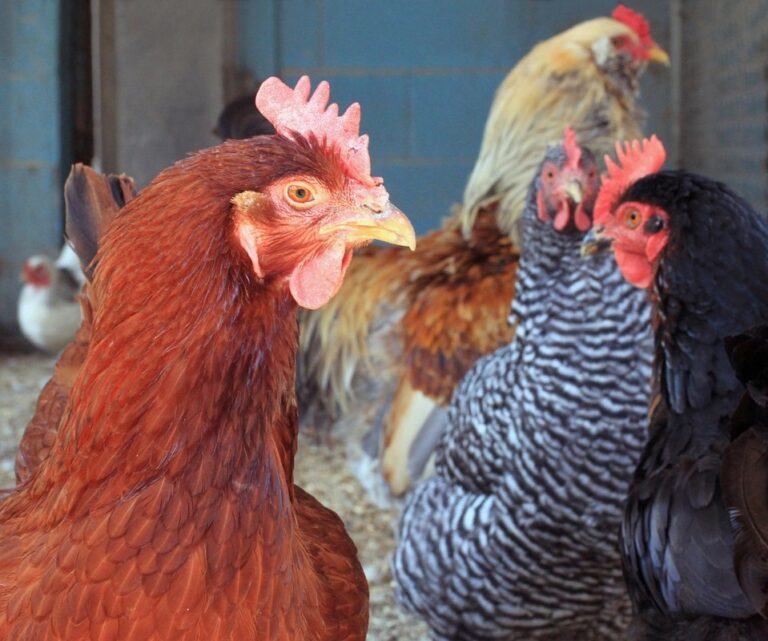
Choosing the Right Hatchery and Genetics
When it comes to bringing home your new Barred Rock chicks, selecting a reputable hatchery and choosing healthy genetics is crucial for their overall health and well-being from day one. Let’s explore how to make these important decisions.
Understanding the Breeder’s Reputation
When selecting a hatchery to purchase Barred Rock chicken chicks from, one of the most crucial factors is understanding the breeder’s reputation. A reputable hatchery will have transparent breeding practices, prioritizing the health and well-being of their birds.
Start by researching online reviews and testimonials from other customers who have purchased chicks from this hatchery. Look for ratings on platforms like Google or Yelp, as well as feedback on social media groups dedicated to backyard chicken enthusiasts. You can also ask for referrals from friends or fellow farmers who have had success with the hatchery.
Check if the hatchery is a member of reputable organizations such as the National Poultry Improvement Plan (NPIP) or the American Bantam Association (ABA). These memberships indicate that the breeder adheres to industry standards and guidelines for breeding and health testing.
Considering the Origins of Barred Rocks
The Barred Rock breed has its roots in America’s rich chicken-keeping history. Developed in the early 20th century by cross-breeding Dominiques and other local fowl, the Barred Rock was created to be a hardy, egg-laying machine that could thrive on small farms. The breed’s distinctive barred feathers were a result of this cross-breeding process.
As you consider choosing Barred Rocks for your backyard flock, it’s essential to understand their origins. This will help you appreciate the breed’s unique characteristics and needs. For instance, Barred Rocks are known for their robust health, which is attributed to their heritage as a farm-fresh egg producer.
Their history also speaks to their adaptability – they were bred to excel in smaller spaces and can be an excellent choice for backyard flocks. Additionally, their ability to withstand cold climates makes them well-suited for many regions. Understanding the Barred Rock’s origins will not only enhance your appreciation of this breed but also help you make informed decisions about selecting the right birds for your needs.
In fact, knowing how a breed was developed can provide valuable insights into its temperament and hardiness, ultimately making it easier to care for them in your flock.
Understanding Sex Link and Purebred Options
When it comes to choosing the right hatchery and genetics for your Barred Rock chicken flock, understanding the difference between sex-linked chicks and purebred chicks is crucial. Sex-linked chicks are a popular choice among commercial egg producers due to their ability to sex at hatching, making them easier to manage. However, they may not exhibit the same characteristics as purebred chickens.
Sex-linked chicks often come in pairs, with one color indicating males and another indicating females. This can be beneficial for large-scale operations where managing sex is a priority. On the other hand, purebred chicks are bred specifically for their desirable traits, such as egg-laying ability or temperament. They tend to grow faster, produce more eggs, and exhibit better health.
If you’re looking for a mix of both worlds, consider hybrid birds that combine the benefits of sex-linked and purebred genetics. These birds often offer improved fertility rates, increased egg production, and better overall health. Regardless of your choice, research the hatchery’s reputation, read reviews from other customers, and ask about their breeding program to ensure you’re getting high-quality chicks for your flock.
Preparing Your Brooder for Arrival
Before bringing home your new Barred Rock chicks, it’s essential to set up a safe and cozy brooder that will help them thrive in their first few weeks of life. Let’s get started on creating the perfect environment for their arrival!
Equipment Essentials for Raising Chicks
When it comes to raising healthy and happy Barred Rock chicken chicks, having the right equipment is crucial. Your brooder should be equipped with essential items that will ensure a safe and comfortable environment for your new additions.
First and foremost, you’ll need a sturdy brooder that can accommodate 1-2 square feet of space per chick up to 8 weeks old. You can opt for a commercial brooder or create one using a cardboard box or plastic bin. Make sure it’s well-ventilated and easy to clean.
In addition to the brooder, you’ll need reliable feeders and waterers that are specifically designed for chicks. Choose ones with narrow openings to prevent the chicks from getting their beaks stuck. A feeding trough should have enough space for at least 1-2 pounds of starter feed, while a waterer should hold about 1 gallon of water.
A safe heating system is also vital. You can use heat lamps or ceramic heat emitters, but ensure they’re placed at least 18 inches away from the chicks to prevent burns. A thermometer will help you monitor the temperature, which should be kept around 90-100°F (32-38°C) for the first week and gradually decreased by 5°F each week.
When selecting equipment, consider the size of your flock and adjust accordingly. It’s also a good idea to have spare parts on hand in case something breaks or needs replacement. Remember, a well-equipped brooder is key to raising healthy chicks that will grow into happy and productive hens.
Heating and Lighting Requirements
When it comes to setting up a brooder for your Barred Rock chicks, one of the most critical aspects is ensuring proper temperature and lighting control. This may seem like a straightforward task, but it’s essential to get it right to provide a safe and healthy environment for your young birds.
A good rule of thumb is to start with a brooder that provides at least 1-2 square feet of space per chick. This will give them room to move around comfortably without overcrowding. For the first week or two, you’ll want to maintain a temperature range of around 90-95°F (32-35°C) to simulate the warmth and security of an incubator. After that, you can gradually decrease the temperature by about 5°F (3°C) every few days until they reach around 70°F (21°C).
When it comes to heat sources, there are a few options available. Ceramic heat emitters or infrared heat lamps are popular choices, but make sure to place them at least 2-3 feet away from the chicks to prevent overheating. Also, keep in mind that you’ll need to provide adequate ventilation and lighting for your chicks’ growth and development. A photoperiod of around 14 hours of light and 10 hours of darkness will mimic natural daylight and help regulate their circadian rhythms.
Health Considerations and Biosecurity Measures
When bringing home those adorable Barred Rock chicken chicks, it’s essential to prioritize their health and safety. A healthy environment is crucial for their growth and development. Before the arrival of your new feathered friends, take time to ensure your brooder is equipped with necessary biosecurity measures.
Firstly, disinfect the entire area with a pet-safe cleaning solution. Don’t forget to scrub all surfaces, including windowsills, door handles, and feeding areas. Remove any lingering odors or bacteria that may pose health risks to your chicks.
Next, provide adequate ventilation by installing a good quality brooder fan or vent to maintain air circulation. A well-ventilated space helps prevent respiratory issues common in young poultry.
To further safeguard their health, separate your new arrivals from other birds, pets, and livestock for the first few weeks. This quarantine period allows you to monitor their behavior, detect any potential health problems early on, and take necessary precautions before integrating them with the rest of your flock. By implementing these biosecurity measures, you’ll be creating a safe and nurturing environment for your Barred Rock chicks to thrive in.
Caring for Barred Rock Chicks from Day One to Six Weeks
As a new Barred Rock chick owner, it’s essential to understand how to properly care for your young chicks from day one to six weeks, when they’ll start to become more independent. This section will walk you through each developmental stage.
Nutritional Needs and Feeding Schedule
As a new Barred Rock chick owner, it’s essential to understand their nutritional needs during the first six weeks. Young chicks require a nutrient-rich diet that supports rapid growth and development.
Starter feed is specifically formulated for young chickens and provides the necessary protein, energy, and nutrients they need to grow strong and healthy. Look for starter feed that contains around 20% protein, as this will meet your chick’s needs during the first few weeks. A good quality starter feed will also include essential vitamins and minerals such as calcium, phosphorus, and vitamin D3.
In addition to starter feed, you can supplement your chicks with treats like mealworms or oats. However, be sure to introduce new foods gradually to prevent digestive upset. A good rule of thumb is to provide 1-2 teaspoons of treats per chick per day. Some popular treat options for Barred Rock chicks include chopped apples, carrots, and leafy greens.
Remember, fresh water should always be available, and it’s a good idea to provide a shallow dish or birdbath for your chicks to drink from. By following these guidelines, you’ll be able to provide your Barred Rock chicks with the nutrition they need to thrive during their first six weeks.
Water Quality and Electrolytes
When it comes to caring for those adorable Barred Rock chicks from day one to six weeks, ensuring they have access to fresh water and electrolyte supplements is absolutely crucial. You see, during this critical period of growth and development, their tiny bodies are working overtime to convert food into energy, and proper hydration is essential to support all that activity.
In fact, studies have shown that chicks who don’t receive adequate water intake can experience stunted growth, reduced fertility, and even increased mortality rates. Yikes! That’s why it’s so important to make sure their water dish is always full and easily accessible. But, did you know that even with plenty of fresh water on hand, electrolytes are still essential for maintaining optimal hydration?
Consider adding a small amount (about 1 teaspoon per quart) of an electrolyte supplement specifically designed for poultry to your chicks’ water. This will help replenish any depleted stores and keep them energized throughout the day. For example, you can try using a product like Gatorade or Pedialyte as a substitute in a pinch – just be sure to follow the manufacturer’s instructions carefully! By prioritizing fresh water and electrolyte supplements from an early age, you’ll set your Barred Rock chicks up for success and help them grow into healthy, happy hens.
Monitoring Health and Identifying Potential Issues
Monitoring the health and identifying potential issues is crucial during these initial six weeks. Since Barred Rock chicks are prone to respiratory problems, keep a close eye on their breathing patterns. Monitor for symptoms such as labored breathing, wheezing or gasping sounds, or lethargy.
Observe your chicks’ droppings for any unusual colors, consistency, or frequency. Normal droppings should be brown in color and have a firm texture. Any changes may indicate an underlying issue with their digestive system or liver function.
Keep the brooder clean to prevent ammonia buildup from chick waste. Change the litter at least once a week and maintain proper ventilation. Maintain a temperature range of 90-100°F during the first few weeks, gradually reducing it by 5°F each week until you reach 70°F.
Monitor your chicks’ behavior for signs of stress or discomfort. If you notice any sudden changes in their appetite, water intake, or overall activity level, consult a veterinarian immediately.
Growth Stages: Weeks Six to Twenty-One
As you watch your barred rock chicks grow and develop, they will go through several distinct stages between six to twenty-one weeks. Let’s take a closer look at what you can expect during this exciting period.
Molting and Feather Development
As you continue to care for your Barred Rock chicks from weeks six to twenty-one, you’ll start to notice a significant change in their appearance. This is due to the molting process, where they shed and regrow new feathers.
Molting typically occurs every 12-14 months in chickens, but it can happen as frequently as every few months depending on factors such as nutrition, health, and environmental conditions. During this time, your chicks’ old feathers will fall out, making way for new ones to grow in their place. This process is essential for maintaining a healthy plumage and preventing damage from worn-out feathers.
Factors that influence feather growth and development include genetics, nutrition, and stress levels. For example, providing a balanced diet rich in protein will help promote healthy feather growth. On the other hand, high levels of stress can lead to stunted or poorly developed feathers. To support your chicks’ molting process, ensure they have access to clean water, nutritious feed, and a safe, low-stress environment.
By the time your Barred Rock chicks reach twenty-one weeks old, you’ll notice their new feathers fully grown in.
Weight Gain and Muscling Development
As you watch your Barred Rock pullets grow and develop from week six to twenty-one, it’s essential to ensure they’re gaining weight and building strong muscles. Healthy weight gain is crucial for a Barred Rock chicken’s overall growth and future egg-laying abilities.
During this period, provide high-quality feed that meets their nutritional needs. A balanced diet rich in protein, calcium, and phosphorus will support muscle development and bone growth. Consider supplementing with a calcium-rich food source, such as crushed oyster shells or dark leafy greens, to promote strong bones.
Monitor your pullets’ growth by regularly weighing them and tracking their progress. Aim for a daily weight gain of about 1-2% to ensure they’re developing at a healthy rate. Ensure adequate access to clean water and provide plenty of space to move around and exercise, which will also contribute to muscling development.
Behavioral Development and Socialization
As you raise your Barred Rock chicks from six to twenty-one weeks, one of the most crucial aspects to focus on is their behavioral development and socialization. This period is critical for shaping their personalities, reducing stress, and making them easier to handle.
During this time, it’s essential to provide a stimulating environment that encourages exploration and interaction with their surroundings. Offer a variety of toys and objects to peck at, scratch, and climb on. Rotate these items regularly to keep things interesting and prevent boredom.
Socialization is also vital during this stage. Introduce your chicks to new people, sights, and sounds to help them become confident and calm in the presence of humans and other animals. Handle them gently but frequently, making sure they become comfortable with human touch.
If you’re planning to integrate your Barred Rock chicks into a flock later on, consider introducing them to a group of older birds during this period. This will help them develop essential social skills and reduce aggression in the long run.
Integrated Pest Management (IPM) Strategies for Healthy Flocks
To keep your Barred Rock chicks healthy and thriving, it’s essential to implement effective Integrated Pest Management (IPM) strategies that minimize parasites and diseases. We’ll walk you through our top tips for doing just that.
Predator Control and Brooder Security
As you’re raising those adorable Barred Rock chicks, protecting them from predators is crucial. A well-designed brooder and secure surroundings will ensure their safety and health. To prevent unwanted visitors, consider installing a sturdy fence around the brooder area. Hardware cloth or chicken wire with openings of 1 inch or smaller can effectively keep out snakes, raccoons, and other small mammals.
In addition to fencing, cover the top of the brooder with netting to prevent aerial predators like hawks and owls from swooping in. You can also use a tarp or mesh to create a secure roof. Furthermore, make sure to keep the brooder clean and free of food debris, as this will discourage pests from visiting.
To take your predator control measures to the next level, consider implementing other deterrents like motion-activated sprinklers or ultrasonic repellent devices. These can be especially effective against larger predators like foxes and coyotes. By combining these strategies, you’ll create a safe haven for your chicks to grow and thrive.
Managing Internal Parasites and Pests
When it comes to managing internal parasites and pests in young Barred Rock chicks, it’s essential to take proactive measures to prevent infestations. Coccidiosis is a common issue that can decimate entire batches of chicks if left unchecked. To combat this, start by ensuring your chicks receive the right nutrients from day one. A balanced diet rich in protein and calcium will help build their immune systems.
Incorporating essential oils like oregano or thyme into their feed or water can also help suppress parasite growth. These natural compounds have antimicrobial properties that can help keep internal parasites at bay. Additionally, maintaining a clean and hygienic brooder is crucial in preventing the spread of diseases.
Monitoring your chicks’ behavior and droppings regularly will also give you an early warning system for potential infestations. Look out for signs like lethargy, loss of appetite, or bloody stool. If you do notice any issues, act quickly by consulting with a veterinarian to determine the best course of treatment. Remember, prevention is key – make sure to follow all these measures from day one to keep your flock healthy and thriving.
Maintaining Cleanliness and Sanitation
Maintaining cleanliness and sanitation is crucial for preventing pest infestations and keeping your barred rock chicken flock healthy. A clean coop is not just about aesthetics; it’s essential for the well-being of your birds. To start, make sure to scoop out droppings daily, and disinfect feeding and watering areas regularly.
It’s also vital to keep a close eye on your chicks’ water quality. Change their water frequently, especially in hot weather, to prevent bacterial growth. You can add a water conditioner or use a UV-filtering system to ensure the water stays fresh.
Store feed in rodent-proof containers, and clean up any spills promptly. Keep the coop well-ventilated to reduce moisture buildup, which can lead to mold and fungal growth. Regularly inspect your flock’s living quarters for signs of pest activity, such as droppings or gnaw marks on wood. Addressing issues early on will prevent infestations from taking hold.
By prioritizing cleanliness and sanitation in the coop, you’ll create a healthy environment for your barred rock chicks to thrive. Remember, maintaining a clean flock is an ongoing process that requires regular attention and dedication.
Breeding Barred Rock Chicks: A Guide to Raising Healthy Hens and Roosters
Whether you’re a seasoned breeder or just starting out, raising healthy Barred Rock chicks requires attention to detail and proper care. In this section, we’ll cover the essential steps for breeding successful hens and roosters.
Understanding Breeding Objectives
When starting a breeding program for Barred Rock chickens, it’s essential to establish clear breeding objectives. These objectives serve as the foundation of your flock’s development, guiding you in selecting and breeding birds that meet your specific needs.
First and foremost, consider egg production as one of your primary objectives. If you’re planning to keep hens for their eggs, select birds with a strong laying history or those that have demonstrated exceptional fertility. Evaluate factors such as egg size, color, and frequency of lay to ensure consistency in your flock’s performance.
In addition to egg production, don’t overlook the importance of conformation – this encompasses a bird’s overall structure, including posture, movement, and plumage quality. Look for birds with balanced proportions, strong legs, and vibrant feathers that exhibit the breed’s characteristic Barred pattern.
As you develop your breeding program, also keep fertility in mind. A stud rooster’s ability to sire healthy chicks is crucial for long-term flock health and prosperity. Monitor his performance by tracking mating success rates and chick viability.
Evaluating Breed Standard Compliance
When evaluating the physical characteristics of your Barred Rock chickens against breed standards, it’s essential to consider the criteria for perfection. According to the American Poultry Association (APA), which governs many poultry shows and breed clubs, Barred Rocks should exhibit a certain set of features.
Firstly, observe the bird’s overall appearance. A perfect Barred Rock should have a stout body with a broad chest and well-sprung ribs. The hackle feathers on the neck should be long and pointed, while the saddle feathers on the back should be smooth and even. Next, take note of the bird’s coloration. A true Barred Rock should display a distinctive black-and-white striped pattern, with no signs of tipping or white feathers on the tail.
When evaluating your birds’ conformation, look for symmetry and balance in their body shape. The wings should be carried well back, with the tail held high and even. The APA also specifies ideal measurements for various parts of the bird’s anatomy, including beak length, comb size, and leg structure. By carefully examining these physical characteristics, you can determine whether your birds meet the breed standard for perfection.
Frequently Asked Questions
What are some common health issues I should look out for when raising Barred Rock chicks?
When raising Barred Rock chicks, it’s essential to monitor their overall health closely. Common issues include respiratory problems, Marek’s disease, and parasites like mites or lice. Regularly inspect your birds’ droppings, feathers, and behavior to catch any potential issues early on. Consult with a veterinarian if you notice anything unusual.
How can I ensure the eggs from my Barred Rock hens are disease-resistant?
To produce disease-resistant eggs, focus on providing a balanced diet rich in nutrients, ensuring access to clean water, and maintaining a clean brooder or coop. Regularly collect and dispose of droppings, wash your hands thoroughly before handling eggs, and keep the breeding area free from predators.
What’s the ideal temperature range for Barred Rock chicks, and how often should I check it?
The ideal temperature for Barred Rock chicks is between 90°F to 100°F during the first week. Gradually decrease the temperature by 5°F each week until you reach a stable temperature of around 70°F. Check the temperature regularly using a thermometer to ensure your chicks are comfortable.
Can I mix different breeds with my Barred Rocks, or is it best to keep them separate?
While it’s possible to raise multiple breeds together, introducing new birds can lead to stress and increased disease transmission risks. If you choose to integrate other breeds, do so gradually, keeping a close eye on their behavior and health.
How long does it take for Barred Rock chicks to mature and start laying eggs?
Barred Rock hens typically take around 18-22 weeks to mature and begin laying eggs regularly. Monitor your chicks’ growth by tracking weight gain, feather development, and egg production milestones to ensure they’re reaching their full potential.