
Are you ready to bring home those adorable Wyandotte chicks? With their stunning feathers and friendly demeanor, it’s no wonder many backyard chicken enthusiasts are eager to raise these beautiful birds. But before bringing them home, it’s essential to know the ins and outs of raising healthy and happy Wyandottes. Not only do they require proper nutrition and care, but also regular health checks to prevent common issues like Marek’s disease. Our expert guide will walk you through everything you need to know about raising Wyandotte chicks, from breed history and characteristics to feeding and housing tips. Whether you’re a seasoned chicken keeper or just starting out, this article is your go-to resource for learning how to raise thriving Wyandottes and enjoy the many rewards of backyard poultry keeping.
Introduction to Wyandotte Chicks
Let’s get started on our journey with these beautiful birds, and in this introduction we’ll cover the basics of what makes Wyandotte chicks so special.
Brief History of the Wyandotte Breed
The Wyandotte breed has an intriguing history that spans over a century. Born from the passion of poultry enthusiasts in North America, this stunning breed made its debut in the mid-19th century. Developed from a combination of Maltese, Spanish, and Black Java breeds, the Wyandotte quickly gained popularity for its unique appearance and charming personality.
One of the most distinctive features of the Wyandotte is its striking coloration. With over 12 recognized varieties, ranging from Silver Laced to Golden Spangled, there’s a reason why this breed has become a favorite among backyard chicken enthusiasts. But it’s not just their looks that make them so endearing – Wyandottes are also known for being friendly, social birds.
The Wyandotte gained widespread recognition in the late 1800s and became an official breed by the American Poultry Association (APA) in 1885. Its popularity continued to grow throughout the early 20th century, with many poultry farms and enthusiasts praising its hardiness and ease of care. Today, the Wyandotte remains a beloved breed among chicken keepers for its rich history, striking appearance, and friendly disposition.
Key Characteristics of Wyandotte Chicks
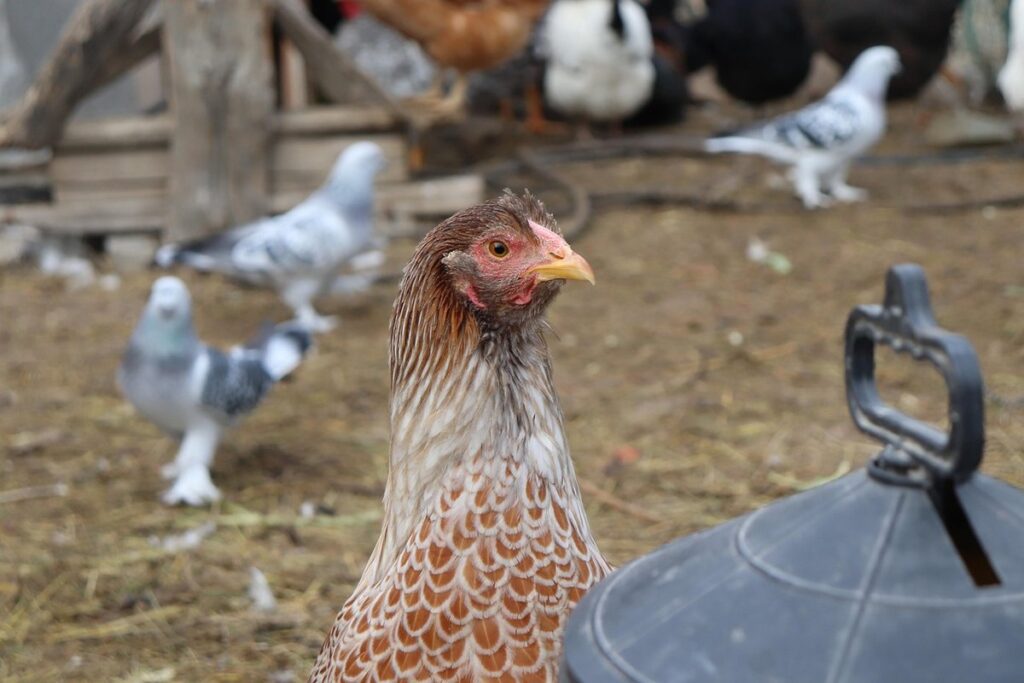
When you first lay eyes on Wyandotte chicks, it’s easy to be charmed by their unique characteristics. These little bundles of fluff are more than just cute – they have distinct features that set them apart from other breeds. One of the most noticeable aspects of Wyandottes is their stunning plumage. You’ll notice a beautiful array of colors and patterns, including white, black, silver, gold, copper, and more. Their feathers are also incredibly soft to the touch, making them a joy to hold.
In terms of temperament, Wyandotte chicks are known for being friendly and curious. They’re often described as “lap chickens” because they love human interaction and will happily snuggle up in your lap. This makes them an excellent choice for families with children or anyone who wants a chicken that’s easy to handle. As for growth rate, Wyandottes tend to mature quickly, reaching their full size in around 20-24 weeks. With proper care and nutrition, you can expect your Wyandotte chicks to thrive and grow into healthy, happy hens.
Choosing Healthy Wyandotte Chicks
When selecting healthy wyandotte chicks, there are several key factors to consider to ensure you’re bringing home robust and thriving young birds that will grow into stunning hens. This section covers essential tips for making an informed decision.
Factors to Consider When Selecting Chicks
When selecting healthy Wyandotte chicks, there are several essential factors to consider. First and foremost, check the age of the chicks. Ideally, you want to purchase day-old chicks or those that are no more than a week old. This ensures they’re fresh from the hatchery and less likely to have developed any health issues during shipping.
Next, take note of the sex ratio in the batch. While it’s not essential to know the individual sex of each chick, a balanced mix of males and females is crucial for breeding purposes. However, if you’re buying for backyard flock management or egg production, you can opt for all-female batches.
It’s also vital to assess the overall appearance of the chicks. Healthy birds should be plump, have bright eyes, and show no signs of deformity. Avoid purchasing from hatcheries with low-quality stock or those that are clearly not taking care of their birds.
Remember, buying from reputable breeders or hatcheries is crucial in ensuring you receive healthy Wyandotte chicks. Look for reviews, ask for references, and check their health guarantee policies before making a purchase. A little research can go a long way in securing the best quality chicks for your flock.
Recognizing Common Health Issues in Wyandotte Chicks
As you inspect your Wyandotte chicks, it’s essential to recognize potential health issues that can affect their well-being. Marek’s disease is a significant concern for backyard chicken keepers, particularly if they’re new to raising chickens. This viral disease causes tumor growths and lesions in various parts of the body, including the eyes, skin, and internal organs.
Coccidiosis is another common issue affecting young chicks like Wyandottes. It’s a parasitic infection that can cause diarrhea, weight loss, and even death if left untreated. Beak trimming can help prevent coccidiosis by reducing beak-to-beak contact among birds.
Respiratory problems are also prevalent in Wyandotte chicks, especially those raised in crowded or dirty conditions. Symptoms include labored breathing, coughing, and wheezing. Keep your flock’s living area clean, provide adequate ventilation, and ensure a balanced diet to minimize the risk of respiratory issues.
To prevent these health concerns, maintain a clean environment, ensure proper nutrition, and practice good biosecurity measures, such as isolating new birds and keeping your coop well-ventilated. Regular monitoring and veterinary care will also help you identify potential problems early on.
Raising and Caring for Wyandotte Chicks
Whether you’re a seasoned chicken keeper or a first-time parent, learning how to raise and care for your new wyandotte chicks is an exciting but essential part of their development. In this next section, we’ll walk through the basics of chick care.
Nutrition and Feeding Guidelines for Young Chicks
When it comes to raising healthy Wyandotte chicks, providing them with proper nutrition is crucial for their growth and development. At this stage, they require a diet rich in protein and calories to support rapid growth.
You can start by offering starter feed specifically formulated for young chickens. Look for a feed that contains around 18-20% protein, as this will provide your chicks with the necessary building blocks for muscle growth and feather development. You’ll want to offer starter feed for the first 4-6 weeks of their life, at which point you can gradually transition them to grower feed (16-18% protein) until they reach maturity.
In addition to a balanced diet, it’s essential to provide fresh water at all times. Change the water frequently to ensure it remains clean and free from bacterial contamination. A good rule of thumb is to provide one gallon of water per chick per day. Make sure the waterer is easily accessible and not too deep, as this can cause your chicks to struggle with drinking.
As a general guideline, you should offer starter feed 2-3 times a day until they’re about 6 weeks old, at which point you can switch to twice a day. It’s also recommended to provide a shallow dish of grit (small rocks or pebbles) for them to ingest and help with digestion.
Supplementing their diet with crushed oyster shells is optional but beneficial, as it will help support strong eggshell production later in life. However, be sure not to overdo it, as too much calcium can cause problems. A general rule of thumb is 1 tablespoon per chick per week.
Remember, every flock is different, so monitor your chicks’ growth and adjust their diet accordingly.
Housing and Environmental Considerations for Raising Chicks
When it comes to raising Wyandotte chicks, providing them with a safe and healthy environment is crucial for their growth and development. A well-designed coop is essential, and one of the most critical aspects is space. Young birds require about 2-4 square feet per chick inside the coop, so you’ll need to ensure that your enclosure can accommodate this requirement.
Ventilation is another key factor in maintaining a healthy environment. Chickens produce ammonia-rich droppings, which can be hazardous if not properly ventilated. Ensure that your coop has adequate airflow by installing windows, vents, or using a screened door. This will help eliminate moisture and odors, reducing the risk of respiratory problems.
Lighting is also vital for young birds. A photoperiod of 14-16 hours of light and 8-10 hours of darkness can be beneficial in regulating their circadian rhythms. You can achieve this by installing a timer-controlled lighting system or using natural light during the day. By providing your Wyandotte chicks with adequate space, ventilation, and lighting, you’ll set them up for a happy and healthy life.
Grooming and Health Maintenance for Wyandotte Chickens
To keep your Wyandottes looking their best, it’s essential to develop a regular grooming routine that includes nail trimming, beak maintenance, and feather plucking. We’ll walk you through these steps in this section.
Importance of Regular Grooming in Preventing Health Issues
When it comes to maintaining the health and well-being of your Wyandotte chickens, regular grooming plays a crucial role. Neglecting this essential aspect can lead to various health issues, making it imperative to prioritize your flock’s grooming needs.
Cleaning your Wyandotte’s feet and wings is one of the most critical tasks in their grooming routine. Dirt, dust, and moisture can accumulate between their toes, causing infections or abscesses. Regularly inspecting and cleaning these areas will help prevent such problems. Use a soft brush or sponge to gently scrub away dirt and debris, taking care not to scrub too hard and cause irritation.
Trimming your Wyandotte’s nails is another essential grooming task. Overgrown nails can lead to discomfort and make it difficult for them to walk or perch comfortably. To trim their nails safely, use a nail clipper specifically designed for chickens. Trim just the tip of the nail, being careful not to cut too short, as this can be painful for your bird.
By incorporating regular grooming into your Wyandotte’s care routine, you’ll help prevent a range of health issues and ensure they remain happy and healthy.
Common Health Issues Affecting Mature Wyandottes
As your Wyandotte chickens mature, they may be prone to certain health issues that can impact their quality of life. One common problem is feather pecking, where birds excessively peck at each other’s feathers, leading to stress and injury. To prevent this, ensure your flock has enough space to move around and engage in natural behaviors. Provide a balanced diet rich in calcium and protein to promote strong feathers and bones.
Another concern for mature Wyandottes is egg-binding, where the hen has difficulty laying eggs due to inadequate calcium or other health issues. Regular veterinary check-ups can help identify potential problems early on. You can also encourage your hens to drink plenty of water by placing their feeders near a water source and making sure their water is fresh daily.
Respiratory problems are another common issue affecting mature Wyandottes, often caused by dust, damp environments, or viral infections. Keep your coop clean and well-ventilated, and consider providing a humidifier to help reduce respiratory stress. By taking proactive steps to monitor and address these potential issues, you can ensure the long-term health and happiness of your flock.
Breeding and Showing Wyandottes
When it comes to raising your Wyandotte chicks, you’ll want to know how to breed them for specific traits and show them off at local poultry events. This section will guide you through the process of breeding and showing your Wyandottes.
Understanding the Breeding Process for Wyandottes
When breeding Wyandotte chickens, it’s essential to focus on selecting healthy birds with diverse genetics. This not only ensures that your flock remains robust and adaptable but also helps maintain the integrity of the breed as a whole.
To begin, you’ll want to source foundation stock from reputable breeders who prioritize genetic diversity and health. Look for birds that have been tested for common health issues affecting Wyandottes, such as Marek’s disease or respiratory problems. It’s also crucial to evaluate the bird’s conformation, plumage quality, and temperament.
Accurate record-keeping is vital in breeding programs, allowing you to track lineage, identify trends, and make informed decisions about future matings. Consider using a dedicated software or spreadsheet to log information on your birds’ ancestry, performance, and health records.
Genetics play a significant role in determining breed characteristics, such as feather pattern, beak shape, and egg-laying ability. By selecting for specific traits and monitoring their expression over generations, you can refine the Wyandotte’s distinctive features while maintaining its overall hardiness and charm.
Tips for Showing Your Wyandottes at Local Poultry Shows
Showing your Wyandottes at local poultry shows is an exciting experience that allows you to showcase their beauty and temperament. To ensure your birds make a great impression, it’s essential to prepare them properly for the show.
Start by conditioning your Wyandottes 6-8 weeks prior to the show date. This involves providing a balanced diet rich in protein and calcium to promote healthy feather growth and strong bones. You can also supplement their feed with vitamins and minerals to enhance their overall health.
When it comes to grooming, make sure to clean and trim your birds’ feathers regularly. This will help prevent matting and tangling, which can be distracting at the show. Pay particular attention to the wings and tail, as these areas are often judged closely.
Handling is also crucial when showing Wyandottes. Get your birds accustomed to being handled by gently touching and lifting them regularly. Practice restraining them in a way that allows you to easily examine their conformation and features. This will help reduce stress during the show and make it easier for judges to evaluate your birds.
Conclusion and Final Thoughts on Raising Wyandotte Chicks
As you near the end of your wyandotte chick-raising journey, let’s take a moment to reflect on what you’ve learned and how these beautiful birds have grown into stunning hens.
Summary of Key Takeaways from the Article
Raising Wyandotte chicks requires attention to detail and a commitment to providing the best possible care. Throughout this article, we’ve emphasized the importance of proper nutrition, health maintenance, and overall well-being for these beautiful birds. Let’s recap some key takeaways to ensure you’re setting your Wyandottes up for success.
First and foremost, it’s essential to provide high-quality feed that meets their nutritional needs. A balanced diet rich in protein, vitamins, and minerals will help your Wyandottes grow strong and healthy. Supplementing with calcium and oyster shells can also promote strong bone development and eggshell production. Aim to transition from starter feed to a layer feed around 16-20 weeks of age.
Maintaining a clean and safe environment is equally crucial. Provide ample space for exercise, fresh air, and shelter from the elements. Ensure your coop is well-ventilated, dry, and free from drafts. Clean out the coop regularly to prevent disease and parasites. A clean feeding area and adequate water supply are also must-haves.
Regular health checks can help you catch any potential issues early on. Monitor for signs of illness, such as lethargy, labored breathing, or changes in droppings. Consult with a veterinarian experienced in poultry care if you have concerns. Implementing regular vaccinations and parasite control measures can also prevent diseases like Marek’s disease.
By following these guidelines, you’ll be well on your way to raising healthy, thriving Wyandotte chickens. Remember to always prioritize their needs, and don’t hesitate to reach out for advice or guidance when needed. With proper care and attention, your Wyandottes will reward you with years of delightful companionship and bountiful egg production.
Frequently Asked Questions
What are the essential health checks I should perform on my Wyandotte chicks to prevent Marek’s disease?
Regular health checks are crucial in preventing Marek’s disease. In addition to maintaining a clean and hygienic environment, it’s vital to monitor your chicks’ behavior, appetite, and stool quality daily. Look out for signs of illness such as lethargy, loss of appetite, or diarrhea. Yes, it’s also essential to follow the recommended vaccination schedule to ensure your chicks receive adequate protection against Marek’s disease.
How can I create a suitable environment for my Wyandotte chicks’ growth and development?
Providing an optimal environment is crucial for your Wyandotte chicks’ growth and development. Ensure their coop has adequate ventilation, is dry and well-insulated, and provides sufficient space for movement and exercise. Consider adding a brooder or a separate area for young chicks to ensure they have enough room to grow without overcrowding.
What are some common mistakes new chicken keepers make when introducing Wyandotte chicks to the flock?
New chicken keepers often overlook the importance of gradual introduction when integrating new chicks into the existing flock. To avoid conflicts, introduce your new chicks slowly and under close supervision. Start by keeping them separate for a few days before gradually allowing them to mix with the established flock.
Can I raise Wyandotte chicks in a small backyard or do they require a large farm setting?
Wyandotte chickens can thrive in small backyards provided you have sufficient space, provide adequate shelter, and follow proper husbandry practices. Ensure your coop is well-ventilated and provides enough room for movement, and don’t forget to consider factors like predator protection and noise levels.
How do I recognize the signs of heat stress in my Wyandotte chicks during hot weather?
Heat stress can be a significant issue for young chickens, especially during extreme temperatures. Look out for signs such as panting, droopy wings, or lethargy. Provide shade, ensure access to cool water, and consider using misting systems to maintain an optimal temperature range in your coop.