
Are you looking to add some elegance and charm to your backyard flock? Look no further than the stunning Wyandotte pullet! With their rich history, unique appearance, and friendly temperament, it’s no wonder these birds have captured the hearts of chicken keepers everywhere. Whether you’re a seasoned farmer or just starting out with your first flock, raising Wyandotte pullets can be a rewarding experience for anyone who’s passionate about backyard chickens.
In this article, we’ll take you on a comprehensive journey through everything you need to know about Wyandotte pullets. We’ll cover their fascinating history, discuss the importance of nutrition and health for these birds, share expert tips on providing optimal housing and care, and more. Whether you’re looking to improve your flock’s overall well-being or simply want to learn more about this beautiful breed, our guide is here to help. So let’s dive in and explore what makes Wyandotte pullets such a popular choice among chicken enthusiasts!
History and Origins of Wyandotte Pullets
The origins of Wyandotte pullets date back to the 19th century, when these stunning birds were first bred in North America for their striking beauty. Let’s explore where they came from and how they’ve evolved over time.
The American Heritage of Wyandottes
The Wyandotte breed has a rich history that dates back to North America, where it was developed as a popular choice among farmers and backyard chicken keepers. In the late 19th century, farmers began crossing British game birds with native American breeds to create a bird that was not only beautiful but also productive.
This crossbreeding effort resulted in the Wyandotte breed, which quickly gained popularity for its stunning plumage, friendly temperament, and impressive egg-laying abilities. The breed’s unique characteristics made it an ideal choice for farmers looking for a reliable source of eggs and meat.
Today, the Wyandotte remains a beloved breed among backyard chicken enthusiasts, who appreciate its gentle nature and attractive appearance. If you’re considering raising Wyandottes on your own homestead, be sure to research reputable breeders or suppliers to ensure that you’re getting high-quality birds.
One key factor to keep in mind when selecting a Wyandotte is its sex link status – while some Wyandottes are sex-linked, others may not be. Understanding the sex link of your bird will help you determine whether it’s suitable for breeding purposes or as a pet. With proper care and attention, your Wyandotte pullets can thrive and become a delightful addition to your backyard flock.
Key Characteristics of the Breed
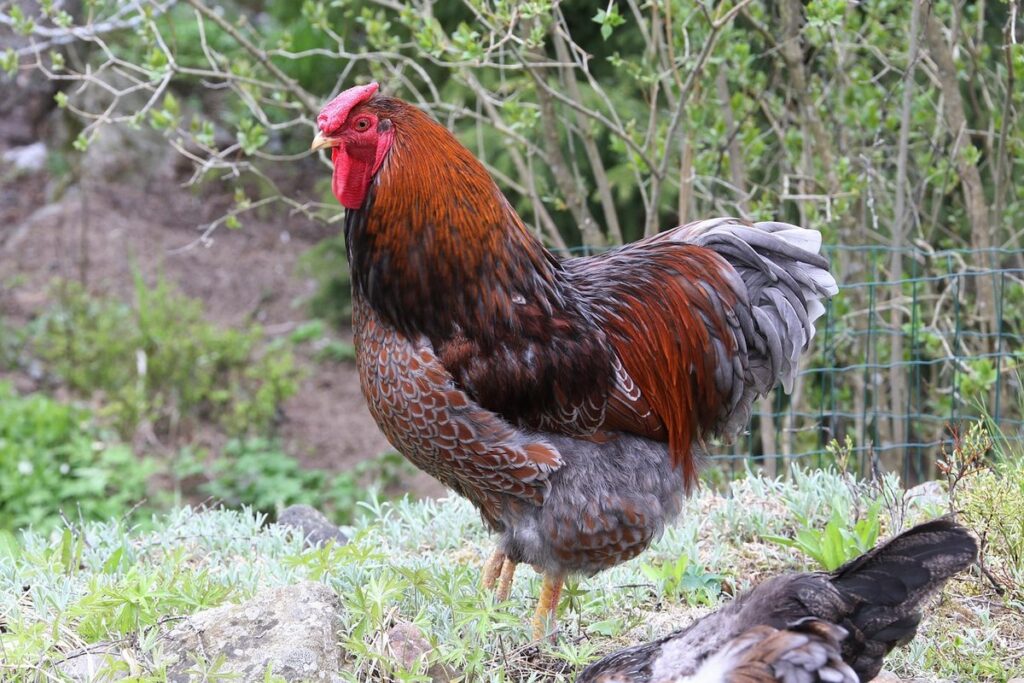
Wyandotte pullets are easily identifiable by their striking plumage patterns, which come in a variety of colors and designs. Their feathers display intricate lace patterns on the wings and tails, while their breasts showcase distinctive rose combs that add to their charming appearance.
In terms of beak shape, Wyandotte pullets have medium-length, straight beaks that are well-suited for scratching and pecking at food. This beak shape is also a testament to their strong foraging abilities, allowing them to efficiently search for insects and seeds in the wild or garden.
Wyandotte pullets boast a compact body type, characterized by a sturdy build and medium size. Their bodies are well-proportioned, with broad chests and straight backs that support their active lifestyles. This robust physique also contributes to their excellent egg-laying abilities, making them popular among backyard chicken keepers.
When raising Wyandotte pullets, pay attention to their body type and plumage patterns to ensure they remain healthy and happy. Regular grooming sessions can help maintain the integrity of their feathers and prevent damage from pests or disease.
Choosing Healthy Wyandotte Pullets
When selecting healthy Wyandotte pullets, look for birds that are alert and active, with bright, inquisitive eyes and a strong posture. This will help ensure they thrive under your care.
Selecting for Disease Resistance
When it comes to selecting healthy Wyandotte pullets, disease resistance is a crucial factor to consider. After all, you want your birds to thrive and live long, happy lives, right? By choosing pullets with good health and vigor, you’ll save yourself a world of stress and hassle down the line.
To identify potential health issues in chicks or adult hens, look for signs such as labored breathing, lethargy, or loss of appetite. Be aware that some breeds are more prone to certain diseases than others – Wyandottes, for instance, can be susceptible to respiratory infections.
To assess a chick’s overall health, check its weight and plumage condition. Healthy chicks should have good feather coverage and a sturdy build. You can also ask the breeder about any vaccinations or treatments that have been administered to date.
When evaluating adult hens, keep an eye out for signs of stress, such as excessive pecking or feather plucking. A bird’s overall demeanor and behavior are just as important as its physical health – if it seems anxious or stressed, it may be worth investigating further.
Factors Affecting Egg-Laying Ability
When it comes to egg-laying ability, there are several factors that come into play. The breed of chicken is one such factor – Wyandotte pullets, for instance, have a moderate to high egg-laying capacity, producing around 200-220 brown eggs per year. However, this can vary depending on individual bird characteristics and overall health.
Age also plays a significant role in egg production. Most chickens will start laying eggs at around 18-24 weeks of age, but their peak production period is between 1-3 years old. Proper nutrition is essential to maintain optimal egg-laying ability – ensure your birds have access to a balanced diet rich in calcium, protein, and other essential nutrients.
Living conditions also impact egg production – adequate space, lighting, and ventilation are crucial for maintaining healthy hens. Overcrowding, stress, and poor living conditions can all negatively affect egg-laying capacity. Additionally, factors such as climate, health issues, and parasite infestations can also impact a chicken’s ability to lay eggs.
Keep in mind that individual birds may vary, and some Wyandotte pullets may have a higher or lower egg-laying capacity than others. Monitor your birds’ performance and adjust their living conditions accordingly to optimize egg production.
Housing and Environment for Wyandotte Pullets
When it comes to keeping your Wyandottes happy and healthy, providing a suitable environment is crucial. We’ll cover everything you need to know about housing and environmental conditions specifically tailored for these beautiful birds.
Providing Adequate Shelter and Space
Providing adequate shelter and space is crucial to ensure the health and well-being of your Wyandotte pullets. A safe and comfortable living environment not only protects them from harsh weather conditions but also promotes their overall quality of life.
When it comes to shelter, consider providing a coop that’s specifically designed for chickens. The ideal coop size will depend on the number of birds you’re raising, but a general rule of thumb is to provide at least 3-4 square feet per bird inside the coop and 8-10 square feet in the run area. Ensure proper ventilation by installing windows or vents to prevent ammonia buildup from droppings.
Adequate space is also essential for your pullets’ physical and mental health. A spacious run will allow them to engage in natural behaviors like pecking, scratching, and flying (if you have a secure area for it). You can also provide enrichment items like perches, ladders, or toys to keep them stimulated.
In addition, make sure the coop is dry, clean, and well-maintained. This will help prevent disease outbreaks and ensure your birds stay healthy and happy.
Tips for Creating a Backyard Chicken Coop
When it comes to creating a backyard chicken coop for your Wyandotte pullets, there are several key considerations to keep in mind. First and foremost, insulation is crucial to ensure the health and well-being of your birds. A well-insulated coop will protect them from extreme temperatures, drafts, and moisture, keeping them warm in winter and cool in summer.
To achieve this, consider using materials such as straw or hay for bedding, which provide natural insulation and can be easily replaced when soiled. You can also add extra layers of protection with foam board or reflective insulation. When designing the coop, make sure to include adequate ventilation to prevent moisture buildup and ammonia fumes from accumulating.
In addition to insulation, cleaning is another essential aspect to consider. Aim for a simple and accessible design that makes it easy to remove soiled bedding and debris without disturbing your birds. Finally, don’t forget about predator protection – consider using hardware cloth or chicken wire with openings of 1 inch or smaller to prevent predators from reaching your flock.
When building the coop, think ahead and include features such as easy-to-clean nesting boxes, sturdy walls, and secure doors that can be locked to keep predators out. With a little creativity and planning, you’ll have a safe and welcoming home for your Wyandotte pullets in no time.
Nutrition and Feeding Wyandotte Pullets
When it comes to keeping your Wyandotte pullets healthy and thriving, proper nutrition is key. This section will cover everything you need to know about feeding and caring for these beautiful birds.
The Importance of a Balanced Diet
Chickens require a balanced diet that includes essential nutrients to stay healthy. Protein is crucial for muscle growth and maintenance, making up about 18% of a chicken’s diet. Good sources of protein include mealworms, sunflower seeds, and soybeans. Calcium is also vital for strong bone development and eggshell production, found in oyster shells, crushed eggshells, and dark leafy greens.
Vitamins A, D, E, K, and B complex are essential for various bodily functions such as immune system support, calcium absorption, and energy production. Foods rich in these vitamins include sweet potatoes, carrots, broccoli, and alfalfa meal. A well-rounded diet should also include fiber from fruits and vegetables to aid digestion.
To ensure your Wyandotte pullets receive a balanced diet, provide a varied mix of commercial feed as the main staple, supplemented with fresh fruits and vegetables daily. Aim for 1-2 cups of treats per bird per day, avoiding overfeeding which can lead to obesity. Monitor their health closely, adjusting the diet as needed based on individual needs and preferences.
Best Practices for Providing Fresh Water and Feed
When it comes to providing fresh water and nutritious feed to your Wyandotte pullets, there are several best practices to follow. First and foremost, make sure you’re offering clean water at all times. Change the water frequently throughout the day, especially if you notice it’s getting low or dirty. You can also consider using a waterer that has a built-in lid or cover to prevent debris from contaminating the water.
For feeding schedules, it’s recommended to provide your pullets with starter feed (usually 18-20% protein) until they’re about 16-18 weeks old. After this point, you can transition them to grower feed (16-17% protein). It’s essential to follow a set schedule for feeding to ensure your birds are getting the nutrients they need at different stages of growth.
Some common mistakes to avoid when providing fresh water and nutritious feed include overfeeding, which can lead to obesity and health issues. Also, be sure not to place feeders near their roosting areas or nesting boxes, as this can attract pests and create unsanitary conditions.
Another crucial aspect is feeding equipment. Consider using a feeder that allows for easy cleaning and maintenance. You may also want to invest in a feeder with multiple compartments to ensure each bird has enough space to eat without competing for food.
Health Considerations for Wyandotte Pullets
When it comes to raising your Wyandotte pullets, it’s essential to consider their unique health needs to ensure they thrive and stay healthy throughout their lives. Let’s take a closer look at these important factors together.
Common Health Issues Affecting the Breed
Wyandotte pullets are generally a hardy breed, but like all birds, they can be prone to certain health issues. One of the most common problems affecting Wyandottes is mites, which can infest their feathers and cause discomfort, stress, and even disease transmission. Regular cleaning of coops and runs, as well as daily inspections for signs of mite activity, can help prevent these unwanted visitors.
Respiratory infections are another health concern for Wyandotte pullets. These infections often arise from poor ventilation in the coop or exposure to damp environments, leading to symptoms such as labored breathing, coughing, and loss of appetite. Keeping the coop well-ventilated, providing a balanced diet, and ensuring access to clean water can all help minimize the risk of respiratory problems.
Internal parasites are also common in Wyandotte pullets, caused by worms that can lead to weight loss, lethargy, and even organ damage if left untreated. Practicing good hygiene, such as regular cleaning of food and water containers, as well as using diatomaceous earth or other parasite control measures, can help prevent internal parasites from taking hold. Regular health checks with a qualified veterinarian are also crucial in detecting any potential health issues early on.
Natural Remedies and Prevention Strategies
When it comes to maintaining the health of your Wyandotte pullets, there are alternative approaches you can take beyond traditional vaccination methods. One such approach is incorporating natural remedies into your flock’s care routine. For example, garlic and onion extracts have been shown to boost immune systems and reduce the incidence of diseases like blackhead. You can add a few cloves of minced garlic to their feed or water to reap its benefits.
Another key aspect of maintaining flock health is implementing effective vaccination strategies. Research has shown that pullets vaccinated with inactivated vaccines exhibit higher antibody titers than those receiving live vaccines, making them better equipped to fight off infections. Consult with your veterinarian to determine the best vaccination schedule for your Wyandotte pullets.
In addition to these measures, biosecurity should be a top priority when caring for your flock. Regularly disinfect feeders and waterers, and ensure that all new birds are quarantined before integrating them into the main coop to prevent the introduction of diseases.
Raising and Training Wyandotte Pullets
If you’re bringing home your new wyandotte pullet, it’s essential to start teaching her basic behaviors and manners as soon as possible. This section will guide you through raising and training your feathered friend.
Tips for Gentle Handling and Socialization
When it comes to raising Wyandotte pullets, handling and socialization from an early age are crucial for their development and temperament. It’s essential to handle them gently, starting with daily interactions when they’re just a few days old. This not only helps them become tame but also builds trust between you and the bird.
Begin by sitting quietly near the brooder or enclosure and letting your chicks get accustomed to your presence. Gradually introduce gentle petting, stroking, and handling while ensuring their comfort and safety. You can start with short sessions and increase the time as they grow more confident in your presence.
To promote socialization among your Wyandotte pullets, ensure they have adequate space for movement and interaction. Provide multiple perches, toys, and activities that encourage exploration and play. Be sure to spend quality time with each bird daily, engaging them with treats, verbal cues, and affectionate interactions. With gentle handling and socialization from a young age, your Wyandotte pullets will grow into friendly, outgoing hens that enjoy human interaction and become loving companions in the flock.
Encouraging Good Behavior in Your Flock
When it comes to raising Wyandotte pullets, establishing a harmonious and peaceful flock is crucial for their overall well-being. This can be achieved by promoting good behavior among your birds through various strategies. One of the most critical aspects of flock dynamics is establishing a pecking order.
A pecking order refers to the social hierarchy within a flock, where dominant birds take precedence over subordinate ones. To establish a pecking order, provide a stress-free environment for your pullets by introducing them gradually and allowing them to interact with each other under close supervision. You can also encourage friendly interactions by placing multiple pullets together in the same enclosure at a young age.
Minimizing aggression is another vital aspect of promoting good behavior among your Wyandotte flock. Avoid overcrowding, as this can lead to territorial disputes and aggressive behavior. Ensure that all birds have access to food, water, and roosting space without competition from others.
To further minimize aggression, focus on raising friendly pullets by allowing them to grow at their own pace, providing a balanced diet, and practicing regular health checks. By doing so, you’ll create an environment where your Wyandotte flock thrives under harmonious conditions, making it easier for you to manage and care for them.
Breeding and Showing Wyandotte Pullets
If you’re looking to breed or show Wyandotte pullets, understanding their temperament, conformation standards, and health requirements is crucial for success. Here’s what you need to know about preparing your birds for these competitions.
Understanding the Basics of Chicken Breeding
When it comes to breeding Wyandotte pullets, understanding the basics of chicken breeding is crucial for success. Genetics play a significant role in determining the characteristics of your birds, such as feather quality, egg-laying ability, and temperament. To breed high-quality Wyandottes, you need to know how to select parents that will pass on desirable traits to their offspring.
Selection criteria involve evaluating the physical and behavioral attributes of potential breeding stock. Look for birds with excellent plumage, strong legs, and good egg production. It’s also essential to consider temperament – a calm and friendly bird is easier to handle and manage. Mating systems can be either natural or artificial, but when it comes to breeding Wyandottes, natural mating is often preferred as it allows for more flexibility in selection.
To get started with chicken breeding, you’ll need to understand the concept of inbreeding and outbreeding. Inbreeding involves breeding birds that are closely related, while outbreeding involves introducing new bloodlines into your flock. A balanced approach to breeding can help maintain genetic diversity and prevent health issues.
Tips for Showing Your Birds at Local Poultry Events
When it’s time to show off your Wyandotte pullets at local poultry events, proper preparation is key. Grooming plays a significant role in making a great impression on judges and spectators alike.
Start by ensuring your birds are clean and well-groomed. This means trimming their nails regularly, washing their faces with a gentle soap specifically designed for chickens, and cleaning their beaks to remove any debris or stains. A soft brush can also help keep their feathers looking their best.
When it comes to handling, make sure your pullets are comfortable with being held and restrained. Get them used to wearing a harness or leash by gradually introducing these items into their daily routine. Practice holding and posing them in front of a mirror to get a feel for how they’ll look under the lights at the show.
Presentation is also crucial. Keep your birds’ enclosures spotless, with plenty of fresh water and nutritious food on display. Consider using decorative crates or baskets to add visual appeal.
Frequently Asked Questions
How do I know if Wyandotte pullets are a good fit for my small backyard flock?
Wyandotte pullets require about 3-4 square feet of space per bird, so if you have limited space, consider whether they’ll thrive in your environment. Think about the breed’s friendly temperament and noise level (they can be quite vocal!) to ensure it aligns with your family’s needs.
What are some common health issues I should watch out for in my Wyandotte pullets?
Keep an eye out for respiratory issues, such as bronchitis or tracheal constriction, which can be exacerbated by poor ventilation. Regular check-ups with a veterinarian and providing adequate shelter and space will help prevent these issues.
How do I encourage good behavior in my Wyandotte pullet flock?
Establishing a daily routine that includes regular feeding times, fresh water, and adequate exercise will help maintain your birds’ mental and physical health. Positive reinforcement techniques, such as treats and praise, can also be used to encourage gentle behavior among your hens.
Can I show my Wyandotte pullets at local poultry events?
If you’re interested in breeding or showing Wyandottes, start by familiarizing yourself with the breed standard and competition rules for your area. Practice handling and socialization techniques to help your birds become confident and calm in new environments.
What are some essential supplies I should have before bringing my Wyandotte pullets home?
In addition to a sturdy coop and run, consider investing in nesting boxes, perches, and adequate ventilation. Make sure you have a reliable source of fresh water and feed, as well as a plan for managing waste and cleaning the enclosure regularly.