
Are you thinking of raising some adorable black runner ducklings on your farm or backyard? With their sleek, glossy feathers and energetic personalities, it’s no wonder these little quackers are a favorite among waterfowl enthusiasts. But before you bring home those precious eggs or chicks, there are some essential things to know about breeding and genetics. Black runner ducklings have unique characteristics that set them apart from other breeds, making them ideal for certain types of production or hobby farming.
In this article, we’ll cover everything you need to know about raising healthy and happy black runner ducklings. We’ll delve into the specifics of breeding and genetics, as well as essential health care and management tips. Whether you’re a seasoned farmer or just starting out with waterfowl, our expert advice will help you ensure your new feathered friends thrive under your care.
Introduction to Black Runner Ducklings
Welcome to the world of black runner ducklings! In this section, we’ll introduce you to these adorable and unique waterfowl, covering their characteristics, needs, and personalities.
What are Black Runner Ducklings?
Black Runner ducklings are a beloved breed among waterfowl enthusiasts and backyard farmers alike. Hailing from Europe, specifically England, this breed has been around since the 19th century. Their ancestors were used for their speed, agility, and meat production. Over time, they evolved into the Black Runner ducks we know today.
Their history is deeply rooted in their original purpose: providing a reliable source of protein for the working class. As urbanization increased, demand for duck meat decreased, but breeders continued to refine the Black Runner’s characteristics. Today, they are cherished for their striking appearance and endearing personalities.
You can identify Black Runner ducklings by their glossy black feathers, long necks, and yellow bills. They weigh between 2-3 pounds at maturity and reach heights of up to 18 inches. Their friendly disposition makes them an excellent choice for families or those new to raising ducks. If you’re considering adding these lovable birds to your flock, research local breeders and learn about their specific needs and requirements to ensure a happy and healthy relationship.
Importance of Breeding and Raising Black Runners
Black runner ducklings have gained popularity among backyard farmers and waterfowl enthusiasts due to their unique characteristics and benefits. One of the primary reasons people choose to raise black runners is their stunning appearance. Their sleek, glossy feathers and striking coloration make them a standout addition to any pond or enclosure.
But it’s not just about aesthetics – black runner ducklings also offer a range of practical advantages. For example, they are known for their high egg production, with some females laying up to 300 eggs per year. They are also prolific breeders, making them an excellent choice for those looking to raise a large flock.
In addition, black runners are friendly and docile, making them a great option for families or beginners who want to introduce ducklings to their farm. With proper care and attention, these charming birds can thrive in small spaces and become beloved members of the family.
Characteristics of Black Runner Ducklings
When it comes to selecting the perfect duckling for your backyard flock, understanding their characteristics is crucial. Let’s dive into the traits that make black runner ducklings such wonderful additions.
Physical Characteristics
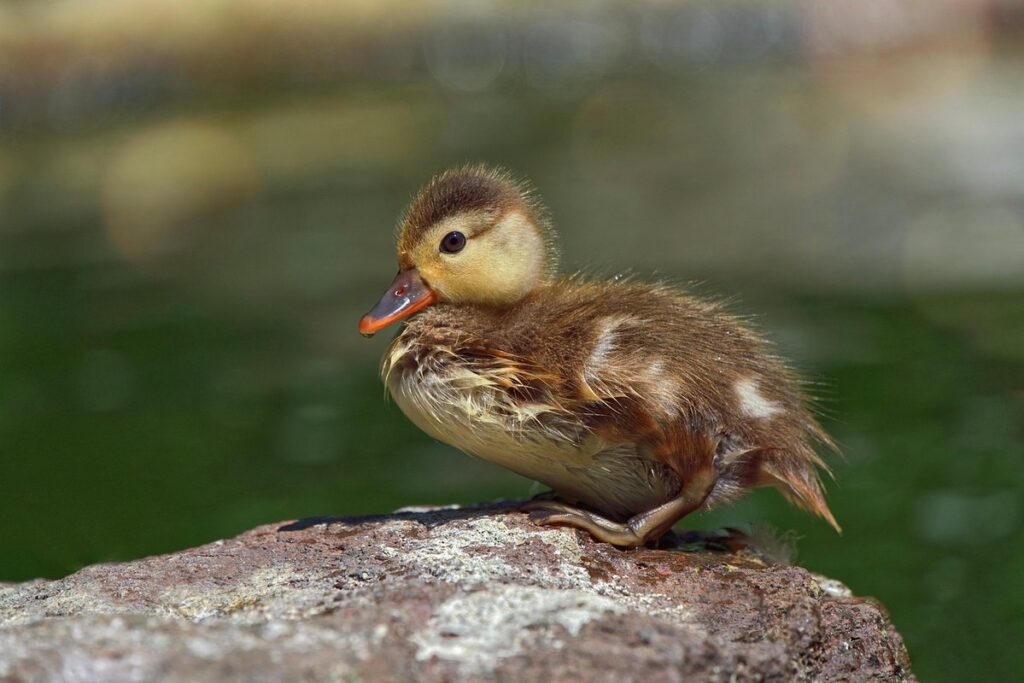
When it comes to the physical characteristics of black runner ducklings, you’ll be delighted by their endearing features. At birth, these little ones are covered in soft, fluffy down that’s a beautiful grayish-brown color. As they mature, their plumage will gradually change to a stunning glossy black with a subtle sheen.
Their beak shape is another distinctive trait of the black runner duckling. It’s short and stout, perfectly suited for pecking at grains and seeds in the water or on land. You’ll also notice that their legs are strong and yellow, providing excellent support for their energetic waddling and swimming adventures.
As you observe your black runner ducklings grow, take note of how their physical characteristics change with age. Their feathers will become longer and more vibrant, while their beaks will harden to a more adult-like shape. Keep in mind that every duckling is unique, so enjoy watching the individual quirks and features develop on each one. With proper care and attention, your black runner ducklings will thrive and grow into stunning adult birds with a rich, glossy plumage that’s sure to impress!
Temperament and Personality
Black runner ducklings are known for their charming and outgoing personalities. From an early age, they’re naturally curious and love to explore their surroundings, making them a delight to raise and care for. If you’re considering bringing these lovable ducks into your family, understanding their temperament is essential.
In terms of social behavior, black runners are highly interactive and thrive on attention from their human caregivers. They’re also quite affectionate and enjoy being petted or cuddled. However, it’s essential to note that they can be a bit noisy, especially if they feel neglected or left alone for extended periods.
One key aspect of their temperament is adaptability. Black runner ducklings can adjust quickly to various environments, from small backyard ponds to larger farm settings. With proper care and attention, they’ll settle in and become an integral part of your family.
To get the most out of your black runner ducks, be sure to spend quality time with them daily. This could include offering treats or simply sitting with them for a few minutes each day. By building trust and strengthening bonds, you can develop a lifelong friendship with these lovable birds.
Health Considerations
When it comes to black runner ducklings, their unique characteristics and genetic makeup can make them more prone to certain health issues. One of the most common problems faced by breeders is vitamin A deficiency, which can lead to reproductive issues and weakened immunity.
Males are particularly susceptible to this condition due to their genetics. To combat this issue, you can incorporate leafy greens like kale or collard greens into their diet, as they are rich in vitamin A. Additionally, provide a balanced feed specifically formulated for waterfowl, which will ensure your ducklings receive the necessary nutrients.
Regular monitoring of water quality and temperature is also crucial to maintaining the health of black runner ducklings. Keep their environment clean by changing the water frequently and ensuring adequate ventilation. You can also use a thermometer to monitor the water temperature, keeping it between 90°F to 100°F for optimal growth.
Keep an eye out for signs of disease like labored breathing or lethargy, and consult with a veterinarian experienced in caring for ducklings if you suspect any health issues.
Raising Black Runner Ducklings
Welcome to raising black runner ducklings, where we’ll dive into the essentials of caring for these adorable young birds from hatch to maturity. You’ll find expert advice on feeding, housing, and more.
Housing and Equipment Requirements
When setting up a suitable environment for raising your black runner ducklings, providing them with a safe and healthy space is crucial. A good quality coop or brooder is essential to protect them from predators, harsh weather conditions, and diseases. The ideal size of the enclosure will depend on the number of ducklings you have, but a minimum of 2-3 square feet per bird is recommended.
The bedding material should be absorbent and easy to clean. Wood shavings or straw are good options as they can help with odor control and keep the ducklings’ feet dry. Avoid using pine or cedar shavings, as their oils can be toxic to birds.
For equipment needs, you’ll require a heat source, such as a heat lamp or ceramic heat emitters, to maintain a temperature of around 90-95°F (32-35°C) for the first few weeks. A good quality waterer and feeder should also be provided, and it’s essential to ensure they are placed at a comfortable height for your ducklings to access easily.
A shallow pool or container with fresh water is necessary for swimming and exercising, but make sure it’s not too deep as the ducklings can drown if they slip in.
Nutrition and Diet
Providing a balanced and nutritious diet is crucial for the growth and development of your black runner ducklings. As they grow, their nutritional requirements change, and it’s essential to adjust their diet accordingly.
For the first 4-6 weeks, ducklings need a starter feed that’s high in protein (around 20%) to support rapid growth and development. You can also supplement with fruits and vegetables like leafy greens, carrots, and sweet potatoes. However, ensure these treats are given in moderation as they’re not nutritionally balanced.
As the ducklings grow, you can introduce a layer feed that’s formulated specifically for ducks (around 16-18% protein). At this stage, it’s also essential to provide fresh water at all times, and consider adding a calcium source like crushed oyster shells or cuttlebone to prevent metabolic bone disease.
Remember, overfeeding can be detrimental to your ducklings’ health. Stick to the recommended feeding guidelines, and avoid giving them foods high in fat, sugar, or salt. With proper nutrition and care, your black runner ducklings will grow into healthy, thriving adult ducks.
Hygiene and Biosecurity
Maintaining cleanliness and preventing disease outbreaks are crucial aspects of raising healthy black runner ducklings. When kept in large groups, young ducklings can quickly spread diseases, which is why it’s essential to prioritize hygiene from the start.
Start by ensuring their living area is well-ventilated and easily cleanable. Use a durable, water-resistant flooring material that can withstand frequent cleaning. Regularly disinfect food and water dishes, as well as any surfaces or equipment in contact with the ducklings.
To prevent disease outbreaks, keep new additions to your flock isolated for at least 30 days before integrating them with your existing birds. Monitor their health closely, looking out for signs of illness such as labored breathing, lethargy, or changes in droppings.
Keep your hands and feet clean when handling the ducklings, and wash them thoroughly after each interaction. This will help prevent the transfer of bacteria and other pathogens. Regularly cleaning the coop and surrounding areas also helps reduce the risk of disease.
Health Care for Black Runner Ducklings
When it comes to raising healthy black runner ducklings, proper health care is essential. This section will walk you through the crucial steps to keep your new feathered friends thriving.
Common Ailments and Issues
Black runner ducklings are prone to several health issues that can be identified early on with proper observation and care. Respiratory problems, such as coughing and wheezing, are common among young ducklings due to their underdeveloped lungs and immune system. You might notice your duckling struggling to breathe or making unusual sounds while breathing.
Parasites like mites, lice, and internal worms can also affect black runner ducklings, causing discomfort, weight loss, and lethargy. Keep a clean environment for your ducklings by removing soiled bedding and ensuring adequate ventilation in their enclosure.
Regular inspections will help you detect any potential issues early on. Gently lift your duckling to inspect its bottom area for mites or lice, and check for signs of respiratory problems like labored breathing or coughing. Consult a veterinarian experienced with poultry care if you suspect an issue, as prompt treatment can greatly improve the chances of recovery.
Monitor your ducklings’ stool quality closely, looking out for any changes in color, texture, or consistency that could indicate internal parasites.
Vaccinations and Preventative Measures
As a black runner duckling owner, it’s essential to prioritize their health and well-being. Vaccinations and preventative measures play a crucial role in protecting your feathered friends from common diseases that can be life-threatening. Common health issues affecting ducklings include respiratory problems, avian influenza, and bacterial infections.
To safeguard your black runner ducklings, start by consulting with a veterinarian experienced in caring for waterfowl. They will advise on the recommended vaccination schedule, which typically begins at 3-4 weeks old and is completed by 16-20 weeks. In addition to vaccinations, implement preventative measures such as:
* Keeping their enclosure clean and well-maintained
* Providing access to fresh water and a balanced diet
* Ensuring proper ventilation in their living space
* Monitoring their behavior and health closely for any signs of illness
For example, you can add a 3-5% salt solution to their water to help boost their immune system. Regular check-ups with your veterinarian will also enable early detection and treatment of potential issues, giving your ducklings the best chance at a long and happy life.
First Aid and Emergency Response
When it comes to caring for your black runner ducklings, knowing what to do in case of an emergency is crucial. As a responsible breeder, you should be prepared to respond quickly and effectively to medical emergencies and administer first aid when necessary.
In the event of an injury or illness, it’s essential to remain calm and think clearly. Check the affected duckling for any visible wounds or signs of distress, such as labored breathing or lethargy. Next, identify the cause of the problem – was it a fall, a predator attack, or a viral infection? Once you’ve determined the root cause, take action.
For minor injuries, apply gentle pressure to stop bleeding and clean the wound with antiseptic solution. For more severe cases, seek professional help from a veterinarian who specializes in poultry care. Meanwhile, keep your ducklings isolated from the rest of the flock to prevent the spread of disease.
In case of respiratory problems or viral infections, provide plenty of fresh air, hydration, and warmth. Monitor their behavior closely, and if symptoms worsen, consult with a vet immediately. By being proactive and knowledgeable about first aid and emergency response, you’ll be better equipped to handle any medical situation that arises with your black runner ducklings.
Breeding and Genetics
When it comes to raising healthy black runner ducklings, understanding their breeding and genetics is crucial for ensuring a strong foundation for your flock. Let’s dive into the world of genetics and explore how breeders create these beautiful birds.
Understanding Duckling Development
As you await the arrival of your new black runner ducklings, it’s essential to understand their development process. From fertilization to hatching and growth, let’s dive into the fascinating world of embryonic development.
The journey begins when a male Black Runner drake mates with a female Black Runner duck, resulting in fertilized eggs. Within 24-48 hours, the embryo starts dividing and developing. At around 7-8 days, the embryo is forming its major organs, including the heart, lungs, and liver.
As the embryo grows, it moves to the upper half of the egg, preparing for hatching. Around day 21, you’ll notice the beak starting to form, and by day 24, the duckling’s body is fully formed but still developing its feathers and fat reserves.
Once hatched, your Black Runner ducklings will need proper care, including a nutritious diet, clean water, and a safe environment. Monitor their growth closely, and ensure they have access to adequate space for exercise and movement. With proper care, your new additions will thrive, bringing you joy and delight as they grow into healthy, happy ducks.
Selection and Improvement
When it comes to breeding black runner ducklings, selecting the right birds and implementing effective breeding strategies are crucial for maintaining genetic diversity and improving their physical characteristics. To start, you’ll want to evaluate the quality of your existing flock by looking at factors such as feather density, plumage color, and overall conformation.
For linebreeding, identify birds that exhibit desirable traits and mate them with close relatives to concentrate these genes. However, be cautious not to inbreed excessively, as this can lead to a loss of genetic diversity and increased susceptibility to disease. To strike a balance, introduce new bloodlines periodically to refresh your flock’s gene pool.
When selecting breeding stock, prioritize birds that demonstrate exceptional characteristics such as vibrant black plumage and robust build. Also, consider their temperament – friendly and docile ducks tend to make better breeders. With attention to these details and a commitment to maintaining diversity, you can develop a thriving flock of healthy, high-quality black runner ducklings.
Inheritance Patterns and Traits
Inheritance patterns and traits play a significant role in determining the characteristics of black runner ducklings. As you begin breeding these lovely ducks, it’s essential to understand which traits are inherited from parents and how they impact the overall quality of your flock.
Black runner ducks exhibit various desirable traits, such as rapid growth rate, high egg production, and vibrant plumage. When selecting breeding stock, look for individuals that demonstrate these characteristics. However, it’s crucial to remember that some traits can be dominant or recessive, meaning they may not always manifest in the offspring. For instance, a black runner duck with a solid coat color may produce a brood with mixed colors due to the influence of recessive genes.
To ensure consistent breeding results, consider maintaining detailed records on your ducks’ lineage, including information on parentage, growth rates, egg production, and feather quality. This will help you identify which traits are being passed down through generations and make informed decisions about future breeding programs. By doing so, you’ll be well on your way to producing high-quality black runner ducklings that meet your desired standards.
Managing Black Runner Ducklings
Caring for young black runner ducklings can be a challenge, but with the right guidance and preparation, you’ll be well-equipped to raise healthy and happy birds. In this section, we’ll cover the essentials of managing your black runner duckling brood.
Easier Ways to Care for Your Flock
Caring for a flock of black runner ducklings can be a labor of love, but it doesn’t have to be overwhelming. By streamlining care tasks and reducing workload, you can enjoy the joy of raising these adorable birds without feeling burnt out. Here are some easier ways to care for your flock:
One way to simplify your routine is by implementing a “batch” approach to feeding and watering. Instead of doing it multiple times throughout the day, do it all at once in the morning. This will not only save you time but also ensure that every duckling gets fed and watered evenly.
Another tip is to make use of automated feeders and waterers. These devices can be programmed to dispense food and water at set times, freeing up your schedule for more important tasks like observing and interacting with your flock.
Consider implementing a “rotation” system when it comes to cleaning the coop and pen. Assign different days or tasks to each family member or helper, making sure everyone is responsible for maintaining a clean and safe environment for the ducklings.
By implementing these simple strategies, you can reduce stress and have more time to enjoy the unique personalities and quirks of your black runner ducklings.
Maximizing Production and Profits
Optimizing the growth and health of black runner ducklings is crucial for maximizing production and profits. A well-planned feeding regimen is essential to ensure they receive all necessary nutrients for optimal growth. Start by providing a starter feed specifically formulated for ducklings, which should contain around 20% protein.
As they grow, transition them to a finisher feed with around 18% protein. Ensure access to fresh water at all times and provide a calcium supplement to support strong bone development. Regular health checks will help detect any potential issues early on.
Disease management is also vital in maintaining high production levels. Vaccinate your ducklings against common diseases such as Marek’s disease and Duck Plague. Maintain a clean environment, disinfect feeding and water areas regularly, and ensure good ventilation to prevent the buildup of ammonia gas.
Keep up-to-date with market trends by checking with local suppliers or breeders to determine what types of ducks are in demand. Consider raising heritage breeds, which are gaining popularity for their unique characteristics and flavor profiles. This can also provide a niche market opportunity and higher profit margins.
Sustainability and Environmental Considerations
As you embark on the rewarding journey of raising black runner ducklings, it’s essential to consider the long-term implications of your farming practices. Sustainability and environmental friendliness should be at the forefront of your mind when caring for these adorable birds.
When it comes to raising black runner ducklings, their impact on the environment is significant. These ducks are prolific egg-layers, producing an average of 300 eggs per year. To minimize waste and reduce the carbon footprint of your flock, consider implementing a composting program for the duck droppings and uneaten food. This nutrient-rich waste can be repurposed as fertilizer for your garden or other plants.
Another crucial aspect to address is water conservation. Black runner ducks require access to clean, fresh water at all times. Consider investing in a rainwater harvesting system or implementing efficient irrigation methods to reduce water waste. Additionally, ensure that the pond or enclosure you provide for your ducklings has adequate depth and area to allow them to swim freely, reducing stress and promoting overall well-being.
By incorporating these environmentally conscious practices into your black runner duckling farming routine, you’ll not only be doing right by your feathered friends but also contributing to a more sustainable future. Remember, every small change counts, and making eco-friendly choices can have a profound impact on the long-term health of your flock and the environment as a whole.
Frequently Asked Questions
What’s the ideal climate for raising Black Runner ducklings?
Black Runner ducklings thrive in temperate climates with moderate temperatures between 40°F to 80°F (-4°C to 27°C). They’re sensitive to extreme heat and cold, so ensure you provide adequate shade, ventilation, and insulation in their enclosure. A well-designed coop or shelter can help regulate the microclimate for your feathered friends.
Can I raise Black Runner ducklings on a small backyard farm?
Absolutely! With proper planning and management, even a small backyard farm can support a few Black Runner ducklings. Consider factors like space, nutrition, and health care when determining how many ducks to keep. Start with 2-3 birds to ensure you can meet their needs before expanding your flock.
How often should I collect eggs from my breeding Black Runner ducks?
Collecting eggs regularly is crucial for maintaining a healthy reproductive cycle in your Black Runner ducks. Aim to collect eggs every other day, or as frequently as daily during peak production periods. This will help reduce stress on the hens and prevent any potential health issues.
What’s the best way to introduce new ducklings to an existing flock?
Introducing new ducklings to a mature flock can be challenging, but with careful planning, you can minimize disruptions. Start by keeping the new ducklings separate from the rest of the flock for a few days to allow them to settle in. Then, gradually introduce them under close supervision to ensure a smooth transition.
Can I use automated waterers and feeders for my Black Runner ducklings?
While automated systems can be convenient, they may not always meet the specific needs of your Black Runner ducklings. Consider using automated equipment only as a supplement to manual care, ensuring that fresh water and food are available at all times. Regularly inspect and maintain these systems to prevent any potential issues.