
As a backyard chicken keeper, you’re likely always on the lookout for ways to improve your flock’s health, productivity, and overall well-being. One innovative solution that’s gaining popularity is incorporating black soldier fly larvae (BSFL) into their diet. These tiny insects are packed with nutrients and offer a game-changing alternative to traditional feed sources. By adding BSFL to your chickens’ menu, you can expect improved egg quality, increased yields, and a reduced environmental impact – it’s a win-win for both you and the planet! In this article, we’ll delve into the benefits of using black soldier fly larvae as a nutritious feed supplement, discuss how to introduce them into your flock’s diet, and explore the key considerations to keep in mind.
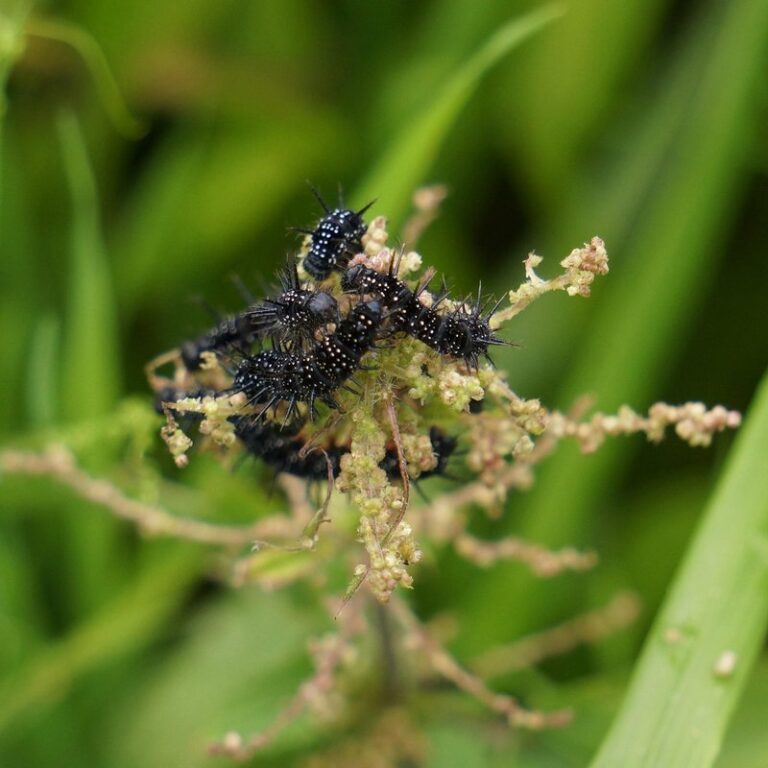
Benefits of Using BSFL in Chicken Feed
Using black soldier fly larvae (BSFL) in chicken feed offers numerous benefits for your flock’s health and productivity. In this section, we’ll explore how incorporating BSFL can improve egg quality and overall bird performance.
Improving Egg Quality and Yields
Using black soldier fly larvae (BSFL) in chicken feed has been shown to have numerous benefits for poultry farmers. One of the most significant advantages is its potential to improve egg quality and increase yields. For instance, a study published in the Journal of Applied Poultry Research found that hens fed with BSFL had 22% higher egg production rates compared to those on a conventional diet.
The improved nutritional profile of BSFL, which includes high levels of protein, vitamins, and minerals, is believed to be one of the primary reasons for this increase. By incorporating BSFL into their feed, farmers can provide their hens with essential nutrients that support optimal health and reproductive performance. This can lead to better egg quality, including increased shell thickness, improved yolk color, and enhanced overall appearance.
In practical terms, farmers can consider implementing a gradual introduction of BSFL into their chicken feed over a period of 7-10 days to minimize any potential digestive issues in the hens. Additionally, monitoring the flock’s response and adjusting the feeding schedule accordingly is crucial to maximizing benefits. By making this simple yet effective switch, poultry farmers can not only improve egg quality but also enjoy increased yields and reduced production costs.
Reducing Feed Costs and Environmental Impact
Incorporating black soldier fly larvae (BSFL) into a chicken’s diet can have a significant impact on reducing feed costs and minimizing environmental footprint. Compared to traditional protein sources like soybean meal, fishmeal, or insects like crickets, BSFL is not only more affordable but also has a lower carbon footprint.
When raised on a waste-based feedstock, BSFL requires minimal land, water, and energy compared to conventional livestock farming methods. This reduces greenhouse gas emissions associated with transportation, processing, and storage of traditional feed ingredients. Moreover, BSFL production generates nutrient-rich manure that can be used as fertilizer, further minimizing the environmental impact.
To incorporate BSFL into your flock’s diet, consider starting small by replacing 10-20% of their current protein source with a high-quality BSFL meal. Monitor your birds’ performance and adjust the ratio as needed. You can also explore using BSFL oil or lipids as an alternative energy source to further reduce costs and environmental impact. By making this simple switch, you’ll not only save on feed costs but also contribute to a more sustainable poultry industry.
Understanding Black Soldier Fly Larvae
Let’s dive into the fascinating world of black soldier fly larvae, where we’ll explore what these tiny creatures are and how they can benefit your flock. You’ll learn about their life cycle and unique characteristics.
Life Cycle and Nutrition Profile
Black soldier fly larvae undergo a rapid life cycle that typically spans 7-10 days, depending on factors like temperature and nutrition. They begin as eggs, which are laid by the female black soldier fly on a suitable substrate. These eggs hatch into first-instar larvae within 12 hours, after which they molt multiple times to reach their fourth and final instar stage.
In terms of nutrition, BSFL are an excellent alternative protein source for chickens due to their high bioavailability of nutrients. A single serving of BSFL contains approximately 55% protein by weight, making them a concentrated source of essential amino acids. This is particularly beneficial for laying hens, as they require a consistent supply of protein to maintain egg production.
When using BSFL in chicken feed, it’s recommended to introduce them gradually and monitor your flock’s response. A typical ratio is 5-10% BSFL inclusion rate per pound of feed. However, this may vary depending on the specific needs of your birds and their dietary requirements. As with any new supplement, always consult with a veterinarian or poultry expert before making significant changes to your flock’s diet.
Nutritional Comparison with Traditional Feed Sources
When comparing black soldier fly larvae (BSFL) to traditional feed sources for chickens, it’s clear that they offer a nutritional edge. A 2018 study published in the Journal of Entomology revealed that BSFL contain an impressive 55% protein content, surpassing many other animal-based feeds like mealworms (35-40%) and even fishmeal (50%). This high protein concentration is due to their unique digestive system, which breaks down almost all organic matter into nutrient-rich compounds.
Compared to traditional grains like corn and soybeans, BSFL also boast a more balanced amino acid profile. They contain all essential amino acids, including lysine, methionine, and threonine, making them an excellent complement to grain-based diets. This means that chickens fed with BSFL can grow stronger, healthier, and develop better immune systems.
What’s more, BSFL have been shown to improve nutrient digestibility in chicken feed. A trial conducted by the University of California found that feeding broilers with a combination of BSFL and soybean meal resulted in improved growth rates and feed efficiency compared to those fed traditional soy-based diets. By incorporating BSFL into your flock’s diet, you can unlock their full potential for optimal health and productivity.
Choosing and Raising Healthy Black Soldier Fly Larvae
If you’re new to raising black soldier fly larvae for your chickens, selecting the right food source is crucial. In this next part, we’ll dive into choosing and caring for these nutrient-rich worms.
Selecting the Right Breed and Culture Method
When it comes to raising healthy black soldier fly larvae for your chickens, selecting the right breed and culture method is crucial. Not all black soldier fly breeds are created equal, and some may be more suitable for your climate, region, or feeding schedule than others. For instance, the Hermetia illucens breed is a popular choice due to its high protein content and adaptability to various environments.
When choosing a culture method, consider factors such as space, equipment, and maintenance requirements. Outdoor systems can provide natural light and air circulation but may be more susceptible to pests and predators. Indoor systems, on the other hand, offer better climate control and protection from external threats. Some breeders also experiment with hybrid methods that combine elements of both.
To ensure optimal health and nutrition for your chickens, it’s essential to select a breed and culture method that aligns with their specific needs. This may involve consulting with experts or conducting thorough research on the most suitable options.
Environmental Considerations and Biosecurity Measures
When it comes to raising healthy black soldier fly larvae for your chickens, environmental considerations and biosecurity measures are crucial. Temperature plays a significant role; the ideal range is between 75°F to 90°F (24°C to 32°C), with optimal moisture levels between 50% to 70%. If temperatures drop below 60°F (15°C) or rise above 100°F (38°C), larval activity and growth may be severely impacted.
Maintaining proper humidity levels is also essential, as high humidity can lead to fungal growth and contamination. Ensure that the larvae are not too damp or wet, but rather slightly moist – similar to a damp sponge. Regular sanitation of the larval container is vital; remove any uneaten food and debris regularly, and clean the container thoroughly with soap and water at least once a week.
To prevent contamination, it’s essential to implement robust biosecurity measures. Maintain a separate area for the larvae, away from your chickens’ living quarters, and ensure good ventilation in the larval enclosure. Wash your hands before handling the larvae or their containers, and avoid cross-contamination by keeping raw ingredients and other supplies separate.
Feeding Black Soldier Fly Larvae to Chickens
Feeding black soldier fly larvae to your chickens can be a nutritious and sustainable addition to their diet, but there are some essential guidelines to follow. This section explains how to do it safely and effectively.
Introduction and Gradual Incorporation into the Diet
When introducing black soldier fly larvae (BSFL) into your flock’s diet, it’s essential to do so gradually to prevent digestive upset. Start by substituting a small portion of their regular meal with BSFL, ideally 10-20% of their total daily intake. This will allow their gut microbiome to adjust and reduce the risk of digestive issues.
For example, if your chickens typically eat 1 pound of feed per day, start by adding 2-4 ounces of BSFL to their diet. Monitor their behavior, droppings, and overall health closely for any signs of distress or discomfort. If everything seems normal after a few days, you can gradually increase the proportion of BSFL in their diet.
As you introduce BSFL into your flock’s diet, be sure to provide fresh water at all times and maintain proper ventilation in their coop to prevent ammonia buildup from their droppings. Regularly inspect their droppings for any signs of digestive issues or stress, such as diarrhea, blood, or a change in color.
Potential Health Benefits and Considerations
Feeding black soldier fly larvae (BSFL) to chickens can have numerous potential health benefits for your flock. One of the most significant advantages is improved digestion. BSFL are high in protein and fiber, which can help promote a healthy gut microbiome in chickens. This, in turn, can lead to better nutrient absorption and utilization, resulting in stronger, more resilient birds.
Research has also shown that feeding BSFL can reduce disease susceptibility in chickens. This is likely due to the larvae’s ability to provide essential nutrients and antimicrobial compounds that help boost the birds’ immune systems. Additionally, BSFL are low in pathogens and contaminants, making them a safer choice compared to traditional protein sources like meat or fish.
However, it’s essential to note that feeding BSFL to chickens also comes with some potential considerations. For example, introducing new feed sources can cause temporary digestive upset in some birds. To minimize this risk, it’s recommended to gradually introduce BSFL into your flock’s diet over a period of 7-10 days.
Overcoming Challenges in Raising Black Soldier Fly Larvae
Raising black soldier fly larvae for your chickens can be a rewarding experience, but it’s not without its challenges. In this next part of our guide, we’ll share tips to help you overcome common hurdles.
Common Issues and Solutions
When raising black soldier fly larvae for your chickens, you may encounter some common issues that can impact their health and productivity. One of the main challenges is pest control. These pests can be a nuisance if not managed properly, and they can even affect the quality of your larvae. For example, fruit flies and houseflies are known to lay eggs on the larvae’s food source, contaminating it and reducing its nutritional value.
To minimize this risk, make sure to maintain cleanliness in the breeding area. Regularly clean and disinfect all equipment, and change the substrate material regularly. You can also use a mesh or netting to cover the larvae’s enclosure, preventing adult flies from reaching them.
Another challenge is contamination risks, which can be caused by bacterial or fungal growth on the larvae themselves or their food. To prevent this, ensure that you maintain optimal conditions in the breeding area. Keep it at around 25-30°C (77-86°F), with a humidity level of about 70-80%. This will help slow down microbial growth and reduce contamination risks.
Maintaining optimal conditions is also crucial to prevent disease and stress in your larvae. Monitor their temperature, humidity, and feeding schedule closely to ensure they are receiving the right amount of nutrients for healthy development. Regularly inspect the breeding area for signs of pests or disease, and address any issues promptly.
Addressing Regulatory Concerns and Food Safety
Using black soldier fly larvae (BSFL) as a feed supplement for chickens can be a nutritious and sustainable option, but it’s essential to address regulatory concerns and ensure food safety guidelines are met. In the US, the FDA regulates animal feed, including supplements like BSFL. According to the FDA’s guidelines, BSFL must meet specific standards before being used in commercial poultry operations or backyard flocks.
To comply with regulations, look for suppliers that provide Certificates of Analysis (COA) and have their products tested by a third-party lab. These tests ensure that the BSFL meets standards for contaminants like heavy metals, pathogens, and pesticide residues. When selecting a supplier, consider their handling and storage procedures to prevent contamination.
In terms of on-farm practices, ensure proper storage and handling of BSFL to maintain its quality and safety. This includes storing it in a cool, dry place, away from direct sunlight and heat sources. When introducing BSFL to your flock, start with small amounts to monitor their acceptance and adjust accordingly. By following these guidelines and working with reputable suppliers, you can confidently use BSFL as a nutritious feed supplement for your chickens while meeting regulatory requirements and ensuring food safety.
Conclusion
Now that we’ve explored the benefits and uses of black soldier fly larvae for chickens, let’s summarize what you can expect from adding them to your flock’s diet.
Recap of Benefits and Considerations
In conclusion to our discussion on using black soldier fly larvae as a nutritious feed supplement for chickens, let’s recap the key benefits and considerations that make this option an attractive choice for poultry farmers.
First and foremost, black soldier fly larvae offer an unparalleled nutritional profile that far exceeds traditional chicken feeds. They are packed with protein (around 60% by weight), vitamins, and minerals, making them an ideal supplement to enhance egg production, growth rates, and overall health in chickens. In fact, studies have shown that adding BSF larvae to a commercial layer feed can increase egg production by up to 20%.
But beyond their nutritional benefits, BSF larvae also offer several environmental advantages. They are produced using minimal water and land, making them an eco-friendly option for farmers looking to reduce their carbon footprint. Additionally, the larvae themselves are low-odor and don’t require specialized storage facilities – a significant advantage over other high-protein feed sources.
However, successful implementation of BSF larvae as a feed supplement does require careful consideration. For instance, ensure that your chickens have access to clean water and adequate ventilation to prevent any potential health issues related to the larvae’s high protein content. It’s also essential to maintain proper temperature controls during storage and transportation to preserve the nutritional integrity of the larvae.
To get started with incorporating BSF larvae into your flock’s diet, begin by consulting with a local supplier or online vendor to determine their availability in your area. You’ll also need to adjust your feeding schedule accordingly to ensure your chickens receive an optimal dose (about 5-10% of their total daily feed) without over-supplementing.
Remember, integrating BSF larvae into your chicken’s diet requires patience and flexibility – but the rewards are well worth it! By making this simple yet effective change, you can improve the health, productivity, and overall welfare of your flock.
Frequently Asked Questions
How do I ensure the quality of black soldier fly larvae before feeding them to my chickens?
When purchasing BSFL, look for suppliers that follow proper handling and storage procedures to maintain their nutritional value. You can also conduct your own quality control by examining the larvae’s appearance, texture, and smell. Avoid buying from sources with a history of contamination or poor quality.
Can I use black soldier fly larvae as a replacement for traditional feed, or is it meant to supplement their diet?
BSFL should be used in conjunction with a balanced traditional chicken feed, not as a complete replacement. A typical ratio is 10-20% BSFL added to the existing feed to maximize nutritional benefits and minimize any potential risks.
How do I introduce black soldier fly larvae into my flock’s diet, especially if they are already established on a regular feed?
Gradual introduction is key when incorporating BSFL into your chickens’ diet. Start by mixing small amounts of BSFL with their traditional feed (10-20% ratio) and monitor their response over the next few days to weeks. Adjust the proportion based on your flock’s performance and preferences.
What are some common issues I might encounter when raising black soldier fly larvae, and how can I address them?
Common challenges include odor control, temperature management, and ensuring a consistent food supply for the BSFL. Implementing proper ventilation systems, maintaining optimal temperatures (20-25°C), and using automated feeding systems can help mitigate these issues.
How do I ensure that my backyard chicken operation complies with local regulations regarding the use of black soldier fly larvae as a feed supplement?
Familiarize yourself with your local health department’s guidelines on alternative feeds, including any necessary permits or certifications. You may also need to consult with a veterinarian or poultry expert to address specific questions and concerns related to BSFL usage in your area.