
Are you looking to add some beautiful blue birds to your backyard flock? Blue Australorp pullets are a popular choice among chicken keepers, and for good reason. Not only do they lay an impressive 200-300 brown eggs per year, but they’re also friendly, gentle, and relatively low-maintenance. However, raising healthy and productive pullets requires attention to their specific needs, from breeding and care to health considerations.
In this comprehensive guide, we’ll walk you through everything you need to know about Blue Australorp pullets, from selecting the right breeding stock to marketing your excess birds for profit. Whether you’re a seasoned chicken keeper or just starting out, our expert tips and advice will help you get the most out of these wonderful birds.
Introduction to Blue Australorp Pullets
Welcome to raising blue Australorp pullets! In this section, we’ll cover the essential characteristics and needs of these beautiful birds to get you started on a successful journey.
History and Origin of the Breed
The Blue Australorp pullet breed has its roots in Australia, where it was developed from the renowned Australorp chicken breed. In the early 20th century, poultry enthusiasts in Australia sought to create a bird that excelled in egg production while maintaining robust health and impressive size. Through careful breeding, they succeeded in creating the Australorp, which quickly gained popularity worldwide for its incredible laying ability.
In the following decades, the Australorp underwent further refinement to introduce new colors, including the stunning blue hue that has become synonymous with this breed. The Blue Australorp pullet’s distinctive appearance is largely due to a genetic variation known as the “dilution gene,” which lightens the plumage of its predecessors while maintaining their characteristic size and egg-laying prowess.
Today, the Blue Australorp pullet remains an excellent choice for backyard chicken enthusiasts seeking a reliable and hardy layer. Its origins in Australia highlight the breed’s resilience to harsh environments and adaptability to diverse climates, making it an attractive option for farmers worldwide.
Key Characteristics of Blue Australorps
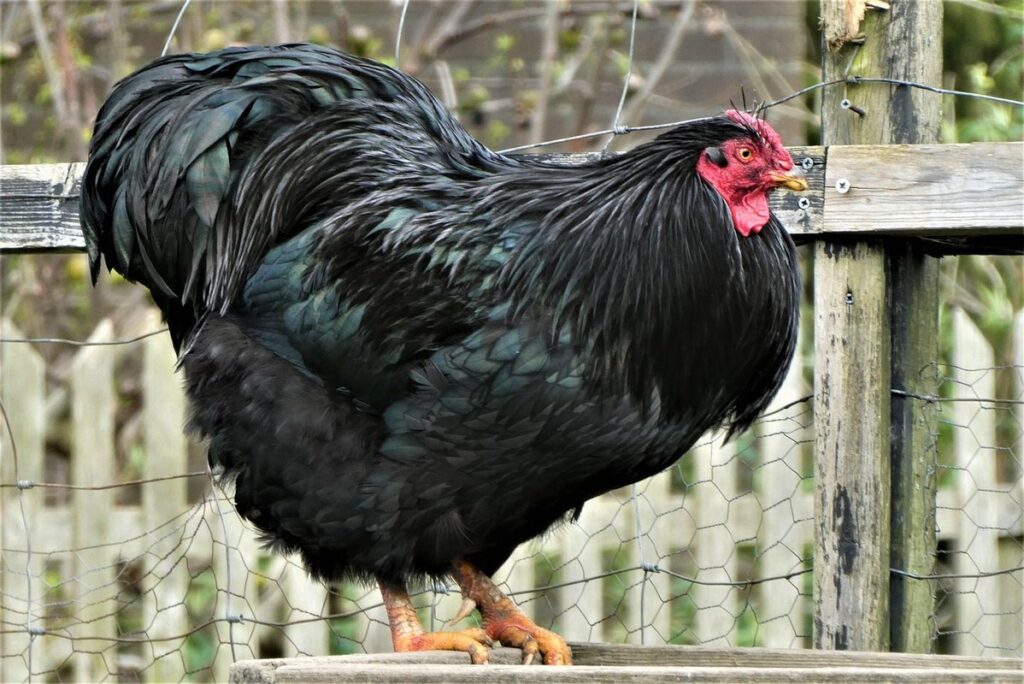
The Blue Australorp pullet is renowned for its striking appearance and impressive egg-laying abilities. Its most distinctive feature is its blue plumage, which can range from a light sky blue to a deep navy shade depending on the individual bird’s genetics. This stunning coloration makes them a popular choice among backyard chicken keepers who appreciate their unique aesthetic appeal.
But what really sets Blue Australorps apart is their calm and docile temperament. They are known for being friendly, outgoing birds that get along well with humans and other chickens alike. This makes them an ideal choice for families with children or for those who want a low-maintenance flock. In terms of egg-laying, Blue Australorps are prolific producers, laying around 200-220 large brown eggs per year. They are also relatively hardy birds, resistant to many common chicken diseases and able to adapt well to a variety of climates and living conditions. This versatility makes them an excellent choice for beginning or experienced backyard chicken keepers alike.
Importance of Choosing the Right Breed for Your Farm or Flock
When it comes to raising backyard chickens, choosing the right breed is crucial for successful and enjoyable keeping. Not only will it impact the overall health and well-being of your flock, but also their productivity and temperament.
Let’s face it: some breeds are better suited for small farms or rural areas with ample space, while others thrive in urban environments with limited square footage. Blue Australorp Pullets, for instance, are a popular choice among backyard chicken keepers due to their docile nature, high egg production, and adaptability to various climates.
When selecting the perfect breed for your needs, consider factors such as climate, available space, and personal preferences. Think about what you want from your flock: do you prioritize high egg production or friendly interaction? Some breeds excel in one area but struggle with another.
To ensure a harmonious and thriving backyard chicken-keeping experience, take time to research different breeds, weighing their pros and cons against your specific needs. By doing so, you’ll set yourself up for success and enjoy many rewarding years with your feathered friends.
Breeding Blue Australorp Pullets: Tips and Considerations
When it comes to breeding blue Australorp pullets, there are several key considerations to keep in mind to ensure a successful and healthy flock. Let’s dive into these essential tips together.
Understanding the Basics of Chicken Genetics and Selection
When it comes to breeding Blue Australorp pullets, understanding the basics of chicken genetics is essential for selecting desirable traits. Chicken genetics is a complex field, but essentially, it revolves around the idea that characteristics are inherited from parents and expressed in offspring.
To select for desirable traits, breeders must understand how genes interact with each other. This is known as genotype. For example, the blue coloration of Blue Australorp pullets is determined by two alleles (forms) of a gene: one from each parent. When these two alleles are paired, they produce the desired blue color.
In practical terms, breeders use a process called “line breeding” to select for specific traits. This involves choosing birds with the most desirable characteristics and breeding them together repeatedly. By doing so, you can concentrate the genes responsible for those traits, increasing their expression in subsequent generations.
For instance, if your goal is to create pullets that are both blue and prolific layers, you would look for birds that exhibit these traits and breed them together. This process requires patience and attention to detail but can be incredibly rewarding when done correctly.
Selecting a Mate or Stud for Your Blue Australorps
When it comes to selecting a mate or stud for your Blue Australorps, there are several key factors to consider. Firstly, temperament is crucial. You want to choose a rooster that will complement the gentle nature of your pullets and not contribute to stress or aggression within the flock. Look for a rooster that exhibits calmness, even in the presence of other birds.
Another vital consideration is fertility. A fertile rooster will significantly improve egg production and quality. Check the rooster’s sperm count, fertility rate, and overall reproductive health before making a decision. You can also consider the breed standards and ensure your chosen rooster aligns with these expectations.
Lastly, it’s essential to evaluate the stud’s egg-laying ability as well. While pullets are the primary focus of most flocks, having a quality rooster will lead to healthier, more robust offspring. Opt for a rooster that has been bred specifically for its excellent egg-laying traits and has demonstrated this potential through previous breeding experiences.
When selecting a stud, prioritize these factors and don’t be afraid to seek professional advice if needed.
Health Considerations in Breeding Blue Australorp Pullets
When breeding Blue Australorp pullets, it’s essential to consider their health and take proactive steps to prevent common issues. A healthy breeding program not only ensures the well-being of your birds but also contributes to the overall quality of your flock.
One critical area to focus on is maintaining a clean and hygienic environment. Ensure that your coop and run are regularly cleaned, with attention paid to areas where manure accumulates. This will help reduce the risk of diseases like respiratory infections, which can spread rapidly among birds in close proximity.
Another vital aspect is vaccination. Consult with a veterinarian to determine the best vaccination schedule for your flock. Vaccinating against common poultry diseases such as Marek’s disease and Newcastle disease can significantly boost their immunity.
Monitor your birds closely during breeding programs, watching out for signs of illness or stress. Keep accurate records of vaccinations, health checks, and any treatments administered. This will help you identify potential issues early on and make informed decisions about the program’s continuation.
Caring for Your Blue Australorp Pullets from Hatching to Maturity
Caring for your new blue Australorp pullet chicks requires attention to their specific needs as they grow, from day-old hatchlings to mature hens. In this section, we’ll walk you through essential care tips every breeder should know.
Providing the Right Environment for Growing Poults
When introducing blue Australorp poults to their new environment, it’s essential to provide them with an optimal setting for growth and development. A suitable housing arrangement is the first step towards creating a thriving ecosystem.
For poults, you’ll want to consider using a brooder or a starter coop that provides ample space to move around. The recommended space per bird is about 1-2 square feet per poult during the brooding phase. You can use a heat lamp or a heat mat to maintain a temperature range of 90-100°F (32-38°C) for the first week.
In terms of feeding, offer a starter feed with a balanced nutrient profile that’s specifically designed for young birds. Provide fresh water at all times and ensure it’s easily accessible through a clean waterer.
To promote healthy growth, maintain proper ventilation in your brooder or coop to prevent ammonia buildup from waste. Keep the area well-cleaned and disinfected regularly to prevent disease outbreaks. By setting up a suitable environment for your blue Australorp poults, you’ll be giving them the best chance at reaching their full potential.
Nutrition and Health Management for Young Pullets
Young pullets require proper nutrition and health management to ensure they grow into healthy, productive hens. During this critical growth period, it’s essential to provide a balanced diet that meets their nutritional needs. A good quality commercial starter feed should be the main staple of their diet, but also consider supplementing with calcium-rich foods like crushed oyster shells or dark leafy greens to support strong bone development.
A clean and well-ventilated coop is crucial for maintaining the health of your young pullets. Ensure the coop is free from drafts and maintain a temperature range between 60°F and 70°F (15°C and 21°C). Regularly inspect their living space, removing any debris or manure to prevent disease.
Monitor your pullets’ health closely, watching for signs of illness such as lethargy, loss of appetite, or changes in droppings. Consult with a veterinarian if you notice any unusual behavior. By prioritizing nutrition and maintaining good coop conditions, you’ll set your young pullets up for long-term success and ensure they reach their full potential as healthy, productive hens.
Integrating New Pullets into Your Flock: Tips and Best Practices
When it’s time to integrate new Blue Australorp pullets into your existing flock, it’s essential to take a thoughtful approach. This can be a stressful experience for both the birds and you. To minimize stress and prevent disease, introduce the newcomers gradually.
Start by isolating the new pullets from the rest of the flock for a few days. This will give them time to adjust to their surroundings without feeling overwhelmed by the unfamiliar sights and sounds. Meanwhile, prepare your existing flock for the introduction by increasing the space available in their enclosure or coop.
When introducing the birds, do it during the morning hours when they’re most active. Begin with visual introductions, allowing the birds to see each other through a fence or screen without direct contact. Once you notice a reduction in tension and aggression from both groups, you can proceed with supervised interactions.
Monitor your flock’s behavior closely during this period, watching for signs of stress or disease. Keep an eye on droppings, appetite, and overall health as well. Be prepared to take action if necessary by separating any birds showing illness symptoms.
Health Considerations for Blue Australorp Pullets
When raising blue Australorp pullets, it’s essential to consider their specific health needs and potential vulnerabilities, which can impact their overall well-being and productivity. We’ll cover key health considerations in this section.
Common Health Issues Affecting the Breed
As you care for your Blue Australorp pullets, it’s essential to be aware of common health issues that can affect this breed. Marek’s disease is a significant concern for young chickens, and Blue Australorps are no exception. This viral infection can cause a range of symptoms, from mild to severe, including paralysis, respiratory problems, and even death.
Coccidiosis is another common issue affecting Blue Australorp pullets. This parasite attacks the chicken’s intestinal lining, leading to diarrhea, weight loss, and lethargy. Regular deworming treatments can help prevent coccidiosis, but it’s crucial to identify early signs of infection and seek veterinary attention if symptoms persist.
Respiratory problems are also prevalent among Blue Australorps, particularly in areas with high humidity or poor ventilation. Wet conditions create an ideal environment for bacteria and viruses to thrive, causing infections that can be challenging to treat. Ensure your coop is well-ventilated, dry, and clean to minimize the risk of respiratory issues.
Regular health checks, vaccinations, and prompt treatment of any symptoms will help prevent or manage these common health issues.
Vaccination and Disease Prevention Strategies for Your Flock
As you work to create a healthy and thriving flock of Blue Australorp Pullets, disease prevention is an essential aspect to consider. Vaccination programs are a crucial part of maintaining your birds’ health, but it’s equally important to understand how they work and when to implement them.
Developing a comprehensive vaccination program for your flock involves several steps. Firstly, consult with a veterinarian who has experience working with poultry to determine the specific vaccinations required for your region. This will depend on factors such as climate, location, and local disease prevalence. For Blue Australorp Pullets, common vaccinations include those against Newcastle Disease (ND), Infectious Bronchitis (IB), and Infectious Bursal Disease (IBD).
In addition to vaccination programs, other strategies can help prevent disease in your flock. These include maintaining a clean living environment through regular cleaning of coops and runs, providing adequate ventilation, and ensuring proper nutrition. Keeping your birds’ living conditions clean will also reduce the risk of parasite infestations.
Regular health checks are also vital for identifying any potential issues early on. Monitor your birds regularly for signs of illness or stress, such as changes in appetite or droppings, and consult a veterinarian if you notice anything out of the ordinary.
First Aid and Emergency Care for Sick or Injured Pullets
When it comes to raising healthy and happy blue Australorp pullets, being prepared for emergencies is crucial. As a responsible poultry owner, you should know basic first aid techniques and emergency care procedures for sick or injured pullets.
First, let’s cover the basics of first aid. A clean and well-ventilated area is essential for treating injured pullets. Remove any loose debris or dirt from the affected area to prevent infection. Next, use a pair of tweezers to gently remove any visible foreign objects. For minor cuts or scrapes, apply a small amount of antibiotic ointment and cover with a bandage.
In case of more serious injuries, such as broken bones or internal bleeding, seek veterinary attention immediately. Remember to handle injured pullets carefully to avoid causing further harm. If your pullet is experiencing labored breathing or shows signs of distress, provide a warm, humid environment to help stabilize their condition.
Some common health issues that may require emergency care include respiratory problems, such as pasty vent or impacted crop. In these cases, increase ventilation and humidity in the coop to alleviate symptoms. Keep an eye on your pullets’ behavior and watch for any signs of illness, such as lethargy, loss of appetite, or changes in droppings.
In emergency situations, it’s essential to have a first aid kit on hand, including supplies like gauze pads, antiseptic wipes, and a thermometer. Regularly inspect your pullets’ living conditions and be prepared for potential health issues by staying informed and seeking professional advice when needed.
Managing Blue Australorp Pullets: Tips for Success
As you navigate the early stages of raising your blue Australorps, learning effective management techniques is crucial to their health and productivity. In this section, we’ll share valuable tips to help you succeed.
Productivity and Egg-Laying Expectations
When it comes to managing Blue Australorp pullets, understanding their egg-laying expectations is crucial for optimizing productivity. On average, a mature Blue Australorp hen lays around 200-220 brown eggs per year, which works out to about 5-6 eggs per week. While this may not be the highest production rate among breeds, it’s essential to remember that Blue Australorps are known for their gentle nature and high fertility rates, making them an excellent choice for backyard flocks.
To maximize egg production in your flock, provide a nutritious diet rich in calcium and protein, and ensure access to fresh water at all times. A balanced mix of 16-18% protein feed should be fed from point-of-lay onwards, supplemented with oyster shells or crushed eggshells to support strong shell development.
It’s also essential to maintain a healthy flock through regular health checks and vaccinations. A well-managed flock with minimal stress will perform better overall, leading to increased productivity and egg quality. Consider introducing some foraging activities to stimulate mental and physical activity in your girls, which can help reduce stress and promote overall well-being.
Flock Management Strategies for Optimal Health and Happiness
When it comes to managing your flock of Blue Australorp pullets, implementing effective strategies for reducing stress and promoting overall health and happiness is crucial. Start by providing a safe and comfortable living environment that meets their specific needs. Ensure access to clean water, nutritious feed, and adequate space for movement.
Regular veterinary check-ups are essential in identifying potential health issues early on. Establish a routine vaccination schedule and maintain accurate records of vaccinations, weights, and health checks. Monitor your flock’s behavior, watching for signs of stress such as changes in appetite or droppings, feather pecking, or excessive vocalization.
Implement enrichment activities to keep your pullets stimulated and engaged. Provide scratching posts, perches, and dust baths to encourage natural behaviors. Limiting the introduction of new birds can also help reduce stress caused by competition for resources and space.
Marketing Your Blue Australorp Pullets: Tips and Best Practices
When it’s time to sell your blue Australorp pullets, effective marketing is crucial to attract potential buyers. Start by determining a fair price for your birds based on their age, weight, and quality. Consider factors such as feed costs, breeding goals, and the demand for blue Australorps in your area.
Develop an advertising strategy that showcases the unique characteristics of your birds. Utilize online platforms like Craigslist or local poultry enthusiast groups to reach potential buyers. Highlight features such as egg-laying performance, temperament, and genetic diversity in your listings. You can also create a website or social media page dedicated to showcasing your blue Australorp pullets.
When selling directly to customers, consider offering discounts for bulk purchases or providing free advice on chicken care and management. Building trust with potential buyers is key to making sales. Be prepared to provide detailed information about the health and genetics of your birds upon request. This will not only help you build credibility but also ensure a smooth transaction process.
Frequently Asked Questions
Can I raise Blue Australorp Pullets on a small backyard farm or homestead?
Yes, with proper planning and care, you can successfully raise Blue Australorp Pullets even on a small farm or homestead. Consider the space required for their growth, feed, and health needs before deciding to bring these lovely birds home.
What’s the ideal age to start integrating new Blue Australorp Pullets into my existing flock?
For a harmonious integration, it’s best to introduce new pullets when they’re around 12-16 weeks old. At this stage, they’ll be less likely to establish dominance over your existing hens and will learn from them more easily.
How can I ensure the health and well-being of my Blue Australorp Pullets?
Regular monitoring of their behavior, habitat, and nutritional intake is crucial for maintaining the health and happiness of your Blue Australorp Pullets. Also, keep an eye out for signs of stress or potential health issues, such as respiratory problems, feather pecking, or egg-laying difficulties.
What are some common mistakes to avoid when breeding Blue Australorp Pullets?
Avoid over-breeding, which can lead to health complications in the birds. Additionally, be cautious not to prioritize egg production over the pullets’ overall well-being, and make sure to provide a suitable environment for growth and development from an early age.
Can I sell my excess Blue Australorp Pullets to local farmers or markets?
If you’re planning to market your Blue Australorp Pullets, ensure they meet local regulations and health standards. Research the demand for these birds in your area and price them competitively based on their quality, age, and egg-laying potential.