
If you’re looking to add some elegance and charm to your backyard, raising buff silky chickens is an excellent choice. These stunning birds are not only visually appealing but also friendly and relatively low-maintenance pets. With their beautiful silvery-gray feathers and charming personality, it’s no wonder many chicken enthusiasts are drawn to the breed. However, before you bring home your new feathered friends, it’s essential to understand what makes them unique and how to care for them properly.
In this article, we’ll delve into the characteristics that make buff silky chickens stand out from other breeds, including their temperament, breeding requirements, and health considerations. We’ll also provide expert tips on how to raise healthy and show-ready birds. Whether you’re a seasoned chicken owner or just starting your backyard flock, this ultimate guide will help you navigate the world of buff silky chickens and ensure that your birds thrive under your care.
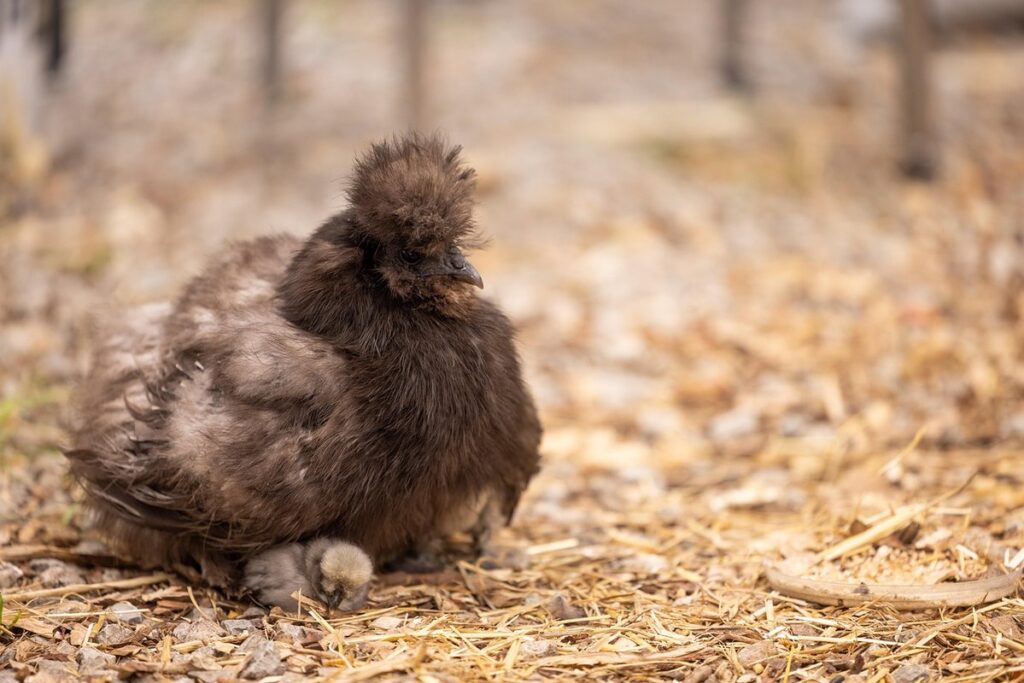
What are Buff Silky Chickens?
Let’s get started on understanding one of the friendliest and most unique chicken breeds out there: the buff silky chicken. This breed is known for its stunning appearance and charming personality.
Origin and History of the Breed
The Buff Silky Chicken breed has its roots in the 19th century when it was first developed in England. Initially known as the “Silkies,” this breed was prized for its beautiful soft feathers and gentle temperament. Over time, breeders crossed the Silkies with other breeds to introduce a buff-colored plumage, resulting in the Buff Silky Chicken we know today.
As the breed gained popularity among chicken enthusiasts, it spread rapidly across Europe and eventually made its way to North America. In the early 20th century, the American Poultry Association recognized the Buff Silky as an official breed, solidifying its place in the world of poultry.
Today, the Buff Silky is a beloved breed among backyard chicken keepers due to its friendly nature and stunning appearance. If you’re considering adding a few Buff Silkies to your flock, be prepared for their affectionate personalities and high demand for attention. With proper care and attention, these birds can thrive in a variety of environments, making them an excellent choice for both beginners and experienced chicken owners alike.
Their adaptability, unique characteristics, and charming personality have made the Buff Silky Chicken a popular breed among chicken enthusiasts.
Key Characteristics of Buff Silky Chickens
The Buff Silky Chicken is a breed that stands out for its unique combination of characteristics. One of the most distinctive features of this breed is its plumage, which is silky and soft to the touch. The feathers are not only beautiful but also extremely long, with some owners reporting that they reach up to 6 inches in length.
In terms of size, Buff Silky Chickens are a medium-sized breed, weighing between 5-7 pounds on average. They have a sturdy build and compact frame, making them well-suited for backyard flocks. As for temperament, Buff Silkies are known for being friendly and docile, making them an excellent choice for families with children.
When it comes to egg-laying abilities, Buff Silky Chickens are prolific layers, producing around 200 large, brown eggs per year. They are also relatively quiet birds, which makes them a great option for suburban areas where noise levels need to be kept down.
To care for your Buff Silky Chicken, make sure to provide plenty of space to roam and exercise. They require regular grooming to prevent matting and tangling of their long feathers. With proper care and attention, these beautiful birds can thrive and become a beloved addition to any flock.
Breeding and Raising Buff Silky Chickens
If you’re ready to start your buff silky chicken flock, let’s dive into breeding and raising these stunning birds, from egg selection to adult care. We’ll cover it all in this section.
Choosing Healthy Chicks or Pullet for Breeding
When it comes to choosing healthy chicks or pullets for breeding, selecting the right ones can make all the difference. You want birds that will not only thrive but also produce high-quality offspring with desirable traits.
Start by looking for chicks or pullets that are active and alert, with a well-proportioned body and good feather coverage. Check their beaks, claws, and comb for signs of injury or infection. Healthy chicks should have bright, shiny eyes and strong legs.
Another crucial factor is temperament. Choose birds that are friendly, curious, and energetic – they will make better mothers and fathers. Avoid chicks or pullets that appear timid or aggressive, as these traits can be inherited by their offspring.
When selecting for breeding stock, it’s also essential to consider genetic diversity. Mix breeds with different bloodlines to prevent inbreeding and ensure healthy, vigorous offspring. You can do this by ordering chicks from reputable hatcheries or trading birds with other breeders.
Creating a Suitable Environment for Growth and Development
When it comes to breeding and raising Buff Silky chickens, creating a suitable environment is crucial for their growth and development. First and foremost, you’ll want to ensure they have ample space to roam. A general rule of thumb is to provide at least 4-5 square feet per chicken inside the coop and 8-10 square feet in the run.
Nutrition plays a vital role as well. Buff Silky chickens are omnivores and require a balanced diet rich in protein, vitamins, and minerals. Provide them with high-quality layer feed or a mix of grains, fruits, and vegetables. Consider supplementing with calcium for strong eggshell production and to prevent conditions like osteoporosis.
Health considerations should not be overlooked either. Buff Silky chickens are generally hardy birds but can still fall prey to common health issues like respiratory problems and parasites. Regularly clean their living area, provide fresh water daily, and keep an eye out for signs of illness or stress. By attending to these needs, you’ll set your Buff Silkies up for optimal growth and development.
Health Considerations for Buff Silky Chickens
When it comes to raising buff silky chickens, understanding their specific health needs is crucial. Let’s dive into some essential considerations to keep your flock thriving and healthy.
Common Health Issues Affecting the Breed
As a Buff Silky chicken owner, it’s essential to be aware of the common health issues that can affect your flock. One of the most significant concerns is brooder pneumonia, which can be caused by bacteria such as E. coli or Pasteurella multocida. This disease often affects young chickens in their first few weeks of life and can be fatal if not treated promptly.
Another critical issue to watch out for is Marek’s disease, a viral condition that can cause a range of symptoms including paralysis, swelling, and respiratory problems. While there is no cure for Marek’s, vaccination is available to help prevent its spread.
Parasites are also a significant threat to Buff Silky chickens. Internal parasites like worms and mites can cause weight loss, anemia, and even death if left untreated. External parasites such as lice and fleas can lead to discomfort and stress for the birds. Regular checking of your flock’s droppings and plumage can help you catch these issues early on.
To prevent these health problems, it’s crucial to maintain a clean environment, provide adequate ventilation, and ensure proper nutrition for your chickens. Regular veterinary check-ups will also allow you to identify any potential issues before they become serious problems.
Preventative Measures to Maintain Flock Health
As a buff silky chicken owner, it’s essential to take preventative measures to maintain your flock’s health. Vaccination is a crucial aspect of preventing diseases such as Marek’s disease and Newcastle disease. Consult with a veterinarian to determine the best vaccination schedule for your flock, taking into account their age, health status, and geographic location.
Parasite control is another critical factor in maintaining flock health. Regularly inspect your birds for signs of mites, lice, or fleas, and use integrated pest management (IPM) techniques such as dusting with diatomaceous earth or using insecticidal soap. A clean and well-ventilated coop can also help prevent internal parasites.
Biosecurity measures are vital in preventing the introduction of diseases into your flock. Implement a strict cleaning and disinfection protocol after each bird removal, wash hands thoroughly before handling birds, and isolate new birds for 30 days before introducing them to the main flock. Regularly inspect your coop for any signs of damage or entry points for pests.
By implementing these preventative measures, you can significantly reduce the risk of health issues in your buff silky chicken flock.
Breeding and Selecting for Desired Traits
When it comes to bringing out the best in your buff silky chicken, selecting and breeding for specific traits is essential. This process requires patience, dedication, and a clear understanding of what characteristics you want to achieve.
Understanding Genetic Principles in Chicken Breeding
When it comes to breeding buff silky chickens, understanding genetic principles is crucial for producing desirable traits. At its core, genetics is about understanding how characteristics are passed down from one generation to the next. One fundamental concept is dominance and recessiveness. Dominant genes will always express themselves if paired with a recessive gene, whereas recessive genes will only be expressed if paired with another recessive gene.
For instance, let’s consider the buff coloration in silky chickens. The gene responsible for this trait is dominant, meaning that even if an individual has one copy of the gene (heterozygous), they’ll still display the buff color. However, to produce offspring with a certain level of intensity or pattern variation, breeders must understand how genotype (the genetic makeup) relates to phenotype (the physical expression).
To apply this knowledge in practice, breeders should begin by identifying and selecting individuals that exhibit the desired traits. They can then use techniques like linebreeding or pedigree selection to concentrate desirable genes within a specific bloodline. By recognizing the interplay between dominance and recessiveness, as well as genotype-phenotype relationships, you’ll be better equipped to make informed decisions about your breeding program.
Selective Breeding Strategies to Improve the Breed
When breeding Buff Silky chickens for desired traits, selective breeding strategies come into play. The goal is to enhance characteristics such as egg size, fertility, and broodiness without compromising the breed’s overall quality.
To improve egg size, focus on selecting hens that consistently produce large eggs. Breeders can use a technique called “linebreeding,” where they mate birds from the same line multiple times to concentrate desirable traits. For instance, if you have a hen that lays massive eggs, you can breed her with one of her grandsons or daughters to intensify this trait.
Another strategy is “pedigree selection.” Here, you identify and select individual birds that excel in specific areas, such as fertility. By mating these exceptional individuals, you’ll increase the chances of passing on these desirable traits to their offspring.
When breeding for broodiness, consider selecting hens with strong maternal instincts. Observe which birds are more attentive to their chicks, providing them with adequate care and protection. By breeding these caring hens with roosters that demonstrate good fatherly instincts, you’ll increase the likelihood of your flock producing robust offspring.
Showing and Judging Buff Silky Chickens
When it comes time to show off your buff silky chickens, knowing how to properly handle and present them is crucial for success in the competition ring. This section will walk you through the dos and don’ts of showing and judging these stunning birds.
Understanding Show Rules and Regulations
When participating in shows for Buff Silky chickens, it’s crucial to understand and adhere to the rules and regulations governing their exhibition. The first step is familiarizing yourself with breed standards set by organizations like the American Bantam Association (ABA) or the American Poultry Association (APA). These guidelines dictate the acceptable characteristics of a Buff Silky chicken, including its weight, plumage, and overall appearance.
For example, according to the APA, Buff Silkies should weigh between 3.5 and 4 pounds for males and 3-3.5 pounds for females. They must also have a silvery-gray sheen on their feathers, with a buff-colored base. Understanding breed standards ensures you’re showcasing birds that meet these specific criteria.
In addition to breed standards, shows often establish classifications for Buff Silky chickens based on age, sex, and color variety. For instance, you may encounter classes like “Young Chicken” or “Blue-Grey Variety.” Knowing the specific classification rules can help you prepare your birds for the show and increase their chances of winning.
To minimize last-minute surprises, carefully review the show’s rulebook and breed standards before entering your Buff Silkies. This will enable you to make informed decisions about which birds to showcase and how to present them.
Tips for Successful Show Performance
When it’s time to take your Buff Silky chickens to their first show, you want to make sure they put their best foot forward. After all, a good showing can boost your reputation as a breeder and help you establish a loyal following of customers.
To prepare your birds for the spotlight, start with grooming. Trim your Buff Silky’s wings and beak carefully to maintain a neat appearance. You’ll also want to brush their feathers regularly to prevent matting and tangling. This is particularly important for show-quality birds, as uneven or unkempt feathers can detract from their overall appearance.
When it comes to handling, it’s essential to get your chickens accustomed to being picked up and handled gently but firmly. Practice regular handlings with your Buff Silky chickens, starting at a young age, to help them become confident in the show ring. When presenting your birds, remember to stand confidently and proudly display their unique features – such as their silky feathers and striking buff color.
To add an extra layer of polish, consider enrolling in a poultry handling course or seeking guidance from an experienced breeder. With practice and patience, you’ll be well on your way to producing show-winning Buff Silky chickens that steal the spotlight every time!
Conclusion: Nurturing a Healthy Flock of Buff Silky Chickens
Now that you’ve learned how to care for and breed your buff silky chickens, it’s time to bring everything together and ensure their continued health and happiness. This section will summarize key takeaways for a thriving flock.
Summary of Key Takeaways
In conclusion to our journey of raising and caring for Buff Silky chickens, let’s summarize the key takeaways that will ensure you’re providing the best possible life for these beautiful birds.
Key considerations for breeders and owners revolve around creating a healthy environment. This means ensuring proper ventilation, adequate space, and a balanced diet rich in nutrients. Breeders should also prioritize genetic diversity to avoid health issues stemming from inbreeding. A safe and stress-free coop with easy access to fresh water, nutritious feed, and regular cleaning is essential for maintaining the overall well-being of your flock.
When it comes to managing health issues, being aware of common problems like respiratory infections and parasites is crucial. Regular monitoring of your birds’ behavior, appetite, and droppings can help detect potential issues early on. Keep a close eye out for signs of stress or discomfort, such as excessive feather pecking or lethargy.
For owners looking to raise Buff Silky chickens from hatchlings, providing a nurturing environment with adequate warmth, proper feeding, and regular handling will set them up for success.
Future Directions for Breed Improvement
As we conclude our exploration of the wonderful world of Buff Silky chickens, it’s essential to consider potential areas for future research and improvement within this breed. With advancements in technology and a deeper understanding of genetics, there are exciting opportunities on the horizon.
One area that holds great promise is the integration of genomics into selective breeding programs. By leveraging genetic data, breeders can identify desirable traits more efficiently and accurately, leading to faster progress towards their goals. For instance, research has shown that specific genetic variants can be linked to improved fertility in poultry, allowing breeders to make informed decisions about selection.
Another potential direction for future improvement is the adoption of precision breeding techniques, such as CRISPR-Cas9 gene editing. This technology allows for precise modification of individual genes, enabling breeders to introduce desirable traits without disrupting the rest of the genome. As this field continues to evolve, it’s likely that we’ll see more efficient and targeted approaches to breed improvement.
Innovations in nutrition and health management will also play a crucial role in shaping the future of Buff Silky chickens. By developing more tailored feeding programs and exploring novel health interventions, breeders can help their flocks thrive and reach their full potential.
Frequently Asked Questions
What are some essential supplies I need to get started with raising buff silky chickens?
You’ll want to ensure you have a safe and suitable coop, run, feeding troughs, waterers, and nesting boxes for your birds. Additionally, consider investing in a heat lamp or brooder for the first few weeks of their life. Don’t forget about supplies like feeders, grit, and oyster shells for maintaining healthy digestion.
How can I introduce new chicks to my existing flock without stressing them out?
Introducing new birds to an established flock can be challenging. Start by separating the new chicks from your existing flock for a few days to allow them to get used to their surroundings. Then, begin introducing them slowly under close supervision, watching body language and behavior for signs of stress or aggression.
Are buff silky chickens suitable for backyard flocks with small children?
Buff Silky Chickens are known for their friendly nature and gentle disposition, making them an excellent choice for families with kids. However, it’s essential to ensure that your children understand how to handle the birds gently and respectfully. Supervise interactions closely, especially during peak breeding season or when chicks are present.
Can I show my buff silky chickens at local poultry shows if they’re not registered purebred?
While registration can be beneficial for breed improvement and documentation purposes, it’s not a requirement for showing your buff silky chickens. As long as you have proof of their parentage and meet the show standards, you can enter them into local exhibitions. Research your local show rules and regulations beforehand to ensure you’re eligible.
How do I prevent common health issues in buff silky chickens, such as frostbite or heat stress?
To maintain healthy birds, make sure they have access to plenty of fresh water and a balanced diet that meets their nutritional needs. Provide adequate shelter from the elements by ensuring your coop has proper ventilation and insulation for extreme temperatures. Regularly inspect your flock’s health and address any potential issues promptly.