
Are you thinking of adding some charming quackers to your backyard flock? Raising happy and healthy call ducklings can be a delightful experience, but it requires knowledge and attention to their specific needs. As new breeders, many people are interested in learning about these tiny balls of fluff, from understanding their biology to providing the right care and housing for them to thrive. In this comprehensive guide, we’ll walk you through everything you need to know to raise your call ducklings from hatch to flock status. We’ll cover essential topics like habitat creation, nutrition, health checks, and more, ensuring that your feathered friends grow into strong and contented companions. Whether you’re a seasoned breeder or just starting out, this guide is designed to provide you with the expert advice and knowledge needed to succeed in raising happy and healthy call ducklings.
Understanding Call Duckling Biology
Call ducklings are a unique breed, and understanding their biology is crucial for raising them successfully. Let’s dive into the fascinating world of call duck biology to give you a solid foundation.
Physical Characteristics of Call Ducklings
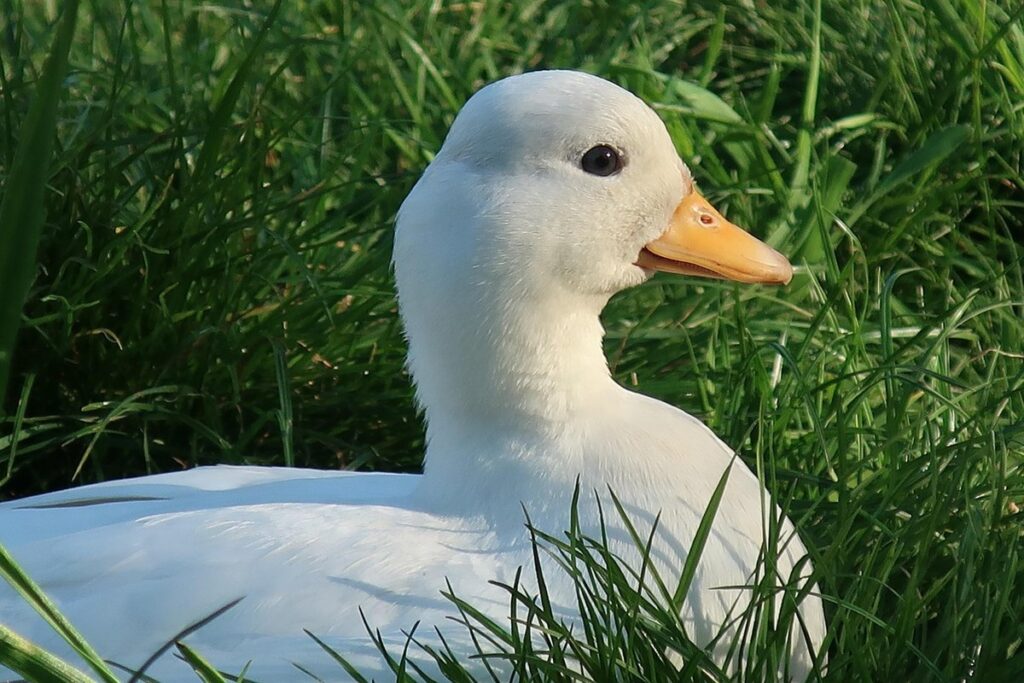
When you first lay eyes on your new call duckling brood, their physical characteristics may seem adorable but also a bit intimidating if you’re not familiar with these young birds. Let’s take a closer look at what you can expect from the physical appearance of your call ducklings.
At birth, call ducklings are relatively small, weighing in around 1-2 ounces (28-57 grams) and measuring approximately 4-5 inches (10-13 centimeters) long. Their downy feathers, which will eventually turn into soft, fluffy plumage, can appear quite sparse at first. However, these tiny fluffballs are already taking shape and getting ready to grow into the majestic birds you’ve always wanted.
The beak of a new call duckling is typically short and stout, with a slight upturn at the tip. This helps them peck at food more efficiently as they begin their journey to mastering the art of foraging.
Temperament and Behavior of Call Ducklings
Call ducklings are known for their friendly and outgoing personalities. From an early age, they begin to interact with each other, forming close bonds that will last a lifetime. You’ll often see them playing, chasing, and even cuddling with one another.
In terms of social interaction, call ducklings thrive in the company of others. They are highly social creatures that require regular interaction with their flock to stay happy and healthy. If you’re planning to raise just one or two call ducklings, consider getting at least three or four to keep each other company.
Foraging habits are another key aspect of a call duckling’s behavior. They love to forage for food on land and in water, using their sharp vision and agility to search out tasty treats. Be prepared to provide plenty of opportunities for them to forage, such as by offering shallow dishes or creating a safe outdoor area where they can explore.
Some common behavioral problems you may encounter when raising call ducklings include aggression, fearfulness, and habituation to human interaction. To avoid these issues, it’s essential to handle your ducklings regularly from an early age, starting with short sessions and gradually increasing the duration as they become more comfortable with human contact.
Unique Needs of Call Duckling Development
When it comes to raising call ducklings, understanding their unique needs during the development phase is crucial for their growth and well-being. Nutritional requirements play a significant role in this stage. Call ducklings need a high-quality starter feed that is specifically formulated for waterfowl, which includes nutrients like protein, calcium, and vitamins essential for feather growth and bone development.
Environmental factors also contribute to their development, particularly during the first few weeks after hatching. A warm, draft-free brooder with adequate ventilation is necessary to prevent hypothermia. Ensure the brooder is at least 1-2 square feet per duckling to allow for proper movement and growth.
Health considerations are also vital during this period. Be on the lookout for signs of respiratory issues or wet butt syndrome, which can be caused by cold temperatures or high humidity. Consult a veterinarian if you notice any unusual behavior or symptoms. Regular monitoring and maintenance of their living environment will help prevent these health issues and ensure your call ducklings grow into healthy, thriving adult ducks.
Caring for Call Ducklings from Hatch to Flock Status
Once your call duckling brood has arrived, it’s essential to transition them from fragile hatchlings to healthy, thriving members of your flock, requiring careful attention and dedication every step of the way.
Providing a Safe and Nutritious Environment
When it comes to raising call ducklings from hatch to flock status, providing a safe and nutritious environment is crucial for their growth and development. This means creating a suitable habitat that meets their physical and dietary needs.
For housing, it’s essential to provide a well-ventilated coop with adequate space for the ducklings to move around comfortably. A good rule of thumb is to allocate at least 2-3 square feet of floor space per bird. Make sure the coop is escape-proof and protected from predators.
When it comes to bedding, you’ll want to use a material that’s easy to clean and dry. Wood shavings or straw are excellent choices, as they’re absorbent and help maintain a clean environment. Avoid using pine or cedar shavings, as these can be toxic to the ducklings.
Nutrition is also vital for call ducklings. They require a starter feed specifically formulated for waterfowl, which should be rich in protein and calcium. You can supplement their diet with fresh fruits and vegetables daily. For example, you can offer leafy greens like kale or spinach, as well as fruit like berries or sliced apples.
Health Monitoring and First Aid for Call Ducklings
As you care for your call ducklings, it’s essential to keep an eye on their health and be prepared to administer basic first aid. Recognizing signs of illness or injury can make all the difference in preventing long-term damage.
Keep a close watch for common issues such as respiratory problems, caused by damp environments or drafts. Look out for labored breathing, wheezing sounds, or a lack of energy. If you notice any of these symptoms, ensure your ducklings have access to clean air and dry their living area regularly.
Monitor your call ducklings’ droppings as well – changes in color, consistency, or frequency can indicate health issues. For example, greenish droppings may suggest an imbalance in their diet. Be prepared for emergencies by having a first-aid kit on hand that includes supplies like tweezers, antiseptic wipes, and a thermometer.
Regularly inspect your ducklings’ feathers and beaks to catch any signs of injury or infection early on. Remember, prevention is key: maintain clean living conditions, provide a balanced diet, and ensure they have access to fresh water at all times.
Housing and Equipment for Call Duckling Flocks
When it comes to raising happy and healthy call ducklings, providing a suitable environment is crucial. Let’s explore the essential housing and equipment you’ll need for your flock.
Designing an Optimal Brooder for Call Ducklings
When designing an optimal brooder for call ducklings, several key considerations come into play. First and foremost, ventilation is crucial to prevent respiratory issues and ensure a healthy environment. A minimum of 1-2 square feet of outdoor space per duckling is recommended, but it’s essential to provide adequate airflow within the brooder as well. This can be achieved through the use of windows, vents, or even a simple fan to circulate air.
Temperature control is another vital aspect to consider. Call ducklings require a warm environment, with temperatures ranging from 90-100°F (32-38°C) for the first week, gradually decreasing by 5-10°F (3-6°C) each subsequent week. To achieve this temperature range, you can use heat lamps or ceramic heat emitters. It’s also essential to ensure easy access to food and water, as well as adequate space for the ducklings to move around comfortably.
In terms of space considerations, a brooder with a minimum floor area of 2-3 square feet per duckling is recommended. This will allow the young birds to grow and develop without feeling overcrowded or stressed.
Essential Equipment for Raising Call Duckling Flocks
When it comes to raising call duckling flocks, having the right equipment is crucial for their health and well-being. A good feeder system should be able to accommodate the entire flock at once, with a capacity of around 1-2 gallons per 10 birds. You can choose from various types, such as hanging feeders or trough-style feeders, depending on your available space and personal preference.
Water is just as essential as food for call ducklings, so make sure you have enough waterers to supply the flock’s needs. Consider using a waterer that allows for easy cleaning and maintenance, with features like a wide mouth or removable parts. For larger flocks, consider investing in multiple water stations to prevent overcrowding.
Temperature regulation is also vital for duckling health, especially during the first few weeks of life. If you live in an area with extreme temperatures, invest in a heating or cooling system that can be easily installed and monitored. This could be as simple as a space heater for colder climates or a misting fan for warmer ones.
In addition to these essentials, consider the following equipment:
* A brooder to provide shelter and warmth for the ducklings during the first few weeks of life
* Nest boxes to encourage healthy breeding habits in your adult ducks
* Fencing materials to secure your duckling enclosure from predators
Training and Socialization of Grown Call Ducks
Now that your call ducklings have grown into confident swimmers, it’s time to focus on training and socialization to ensure they become well-behaved and friendly adult ducks. This section will guide you through these essential steps.
Basic Training Techniques for Call Ducks
When it comes to training grown call ducks, it’s essential to start with the basics. Handling is an essential skill to teach your call ducks, as it helps establish trust and makes them easier to manage. Begin by gently scooping up your duck under their wings, supporting their body and keeping them secure. Practice handling regularly to help your ducks become comfortable with being picked up.
Harnessing is another crucial aspect of training call ducks. A well-fitting harness allows you to walk your ducks safely on a leash, making it an excellent tool for exploring new areas or introducing them to other birds. To put a harness on your duck, slide the legs through the leg loops and adjust the straps to fit comfortably around their body.
Introducing your trained call ducks to a flock can be a great way to socialize them further. When introducing, start with a slow and controlled approach, allowing both groups to become familiar with each other’s presence. Be sure to supervise interactions closely and reward calm behavior. With patience and consistency, your grown call ducks will learn to live harmoniously in a flock.
Importance of Socialization in Call Duckling Development
Socialization is an essential aspect of call duckling development that often gets overlooked. As their primary caregiver, it’s crucial to introduce new birds to the flock at a young age to help them become confident and well-adjusted adults.
Introducing new call ducklings to the flock can be done in a few simple steps. First, start by keeping the new additions separate from the existing flock for a short period, usually a day or two. This allows both groups to get used to each other’s sounds and presence without the stress of an immediate introduction. Once they seem comfortable with each other, begin supervised interactions under close observation.
Socialization can also help prevent behavioral problems in grown call ducks. A well-socialized duckling is more likely to be calm, relaxed, and less aggressive towards its flock members. In contrast, ducks that are isolated or neglected may develop undesirable behaviors such as feather pecking, aggression, or even depression.
Common Health Issues Affecting Call Ducks
Call ducklings, like all breeds of ducks, are prone to certain health issues that can be prevented or managed with proper care and attention. As a call duck owner, it’s essential to know what common health problems to watch out for.
Infectious Diseases in Call Duck Flocks
Infectious diseases can be a significant threat to call duck flocks, and it’s essential to be aware of the most common issues affecting these birds. One of the primary concerns is Avian Influenza (Bird Flu), which can cause respiratory symptoms such as coughing, sneezing, and labored breathing. It’s highly contagious and can spread quickly through contact with infected droppings or contaminated feed.
Other infectious diseases affecting call ducks include Pullorum, a bacterial infection that causes lethargy, loss of appetite, and diarrhea; and Erysipelas, a skin infection that leads to lesions and ulcers on the feet, legs, and face. To prevent these diseases, it’s crucial to maintain good hygiene practices such as regular cleaning and disinfecting of coops and equipment.
You should also ensure that all new birds entering your flock are properly quarantined and vaccinated against common diseases. Monitoring your call ducks’ health closely and keeping a record of their behavior can help you detect any potential issues early on. By being proactive and taking preventative measures, you can significantly reduce the risk of infectious diseases affecting your flock.
Non-Infectious Health Problems in Call Ducks
Call ducks are generally hardy birds, but they can still suffer from various non-infectious health problems. One common issue is metabolic disorders, such as hypocalcemia (milk fever) and hypophosphatemia (phosphate deficiency). These conditions occur when there’s an imbalance in the levels of essential minerals like calcium and phosphorus.
A lack of these vital nutrients can lead to muscle weakness, paralysis, and even death. To prevent metabolic disorders, it’s crucial to provide your call ducks with a well-balanced diet rich in minerals. A good quality layer feed should be supplemented with crushed oyster shells or cuttlebone, which are high in calcium.
Another concern is musculoskeletal issues, like joint problems and sprains. This can be caused by genetics, obesity, or repetitive strain on the joints. To minimize the risk of such conditions, ensure your call ducks have adequate space to move around and exercise. A diet that’s rich in omega-3 fatty acids from sources like flaxseed meal or fish oil can also help reduce inflammation and promote joint health.
Nutritional deficiencies are also common non-infectious health problems affecting call ducks. Deficiencies in vitamins, particularly vitamin D, can lead to softening of the bones (osteomalacia) or a painful condition known as egg-binding. Ensure your call ducks have access to fresh water and provide them with foods rich in calcium and phosphorus to prevent these conditions.
Frequently Asked Questions
What is the ideal age for introducing call ducklings to a flock with adult ducks?
When can I integrate my young call ducklings with the rest of the flock? This depends on several factors, including their individual development and temperament. As a general rule, it’s best to wait until your call ducklings are at least 12-16 weeks old before introducing them to the main flock. Make sure they have had all necessary vaccinations and health checks before doing so.
How do I keep my brooder warm during extremely cold weather?
If you live in an area with harsh winters, you’ll need a reliable heat source for your brooder. You can use heating lamps or ceramic heat emitters specifically designed for chicken coops. However, always follow safety guidelines and ensure the temperature remains between 90-100°F (32-38°C) to prevent overheating.
Can I raise call ducklings indoors with minimal outdoor access?
While it’s possible to raise call ducklings indoors, providing some outdoor time is essential for their overall health and development. Even short periods of supervised outdoor access can make a significant difference in their well-being. If you don’t have an outdoor run, consider investing in a large indoor enclosure or a well-ventilated area with natural light.
What are some common mistakes to avoid when raising call ducklings?
New breeders often overlook the importance of proper ventilation and sanitation in the brooder. Ensure your setup is well-ventilated, clean, and free from drafts to prevent respiratory issues. Regularly inspect your ducklings’ living space for signs of stress or disease.
How do I handle a situation where one of my call ducklings has fallen ill?
If you notice any unusual behavior or symptoms in your duckling, consult with a veterinarian experienced in poultry care immediately. Monitor their condition closely and keep them isolated from the rest of the flock to prevent the spread of disease. In many cases, timely intervention can significantly improve the chances of recovery.