
Are you considering adding some feathered friends to your backyard? Raising chickens and ducks together can be a fun and rewarding experience, but it requires careful planning and management. With the right combination of breeds, housing, and care, you can create a thriving flock that brings joy and fresh eggs to your family. However, integrating these two species can be challenging, especially when it comes to their unique needs and personalities. That’s why we’re here to help! In this article, we’ll cover the essential tips for raising chickens and ducks together in harmony, including breed selection, housing, feeding, and health management. Whether you’re a seasoned chicken keeper or just starting out, our expert advice will guide you through the process of creating a happy and thriving backyard flock.
Introduction
Welcome to our comprehensive guide, where we’ll cover everything you need to know about raising chicken and ducks together harmoniously and efficiently. Let’s start with the basics of introducing them to each other.
Benefits of Keeping Both Chicken and Ducks
Raising both chicken and ducks together can be a fantastic decision for many backyard farmers. Not only do they offer a unique and varied source of entertainment, but they also provide several benefits that make them an excellent choice for a mixed flock.
One of the most significant advantages of raising both birds is increased egg production. While chickens are known to produce plenty of eggs on their own, ducks can add a substantial amount to your daily quota. In fact, some breeds of ducks can lay up to 300 eggs per year, making them an excellent addition to any farm. With a mixed flock, you can expect to see a significant increase in egg production, providing you with a steady supply of fresh eggs for your family.
Ducks also offer improved pest control, as they are natural foragers and love to snack on insects, slugs, and other unwanted critters that might be harming your plants. By having ducks and chickens together, you can enjoy the benefits of both worlds – plenty of eggs and a healthier garden.
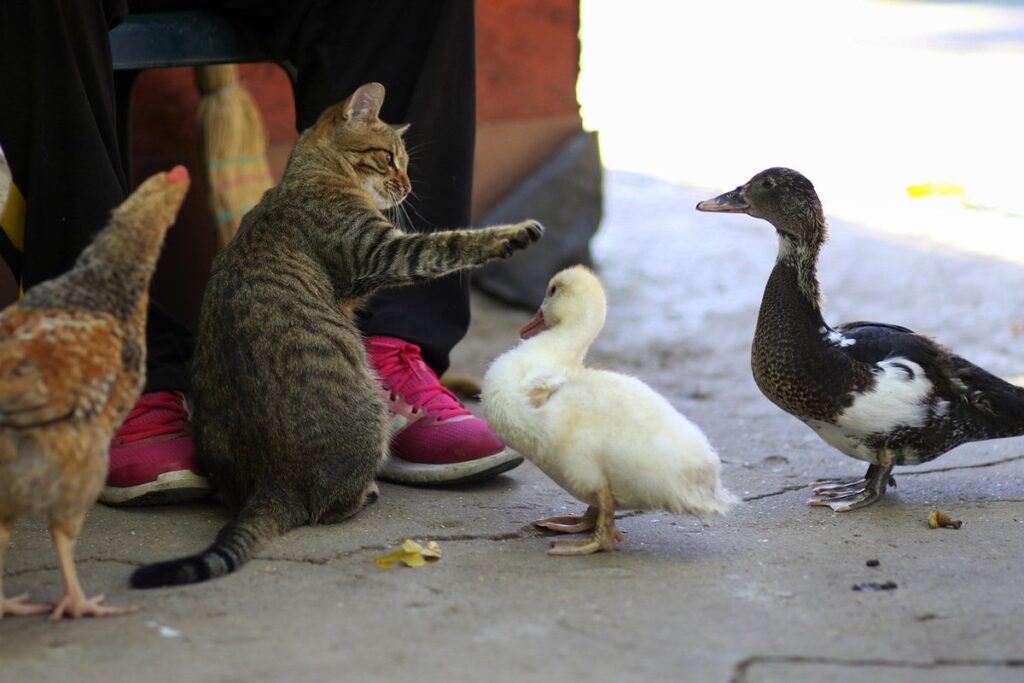
Lastly, there’s the entertainment factor. Watching your feathered friends interact with each other is pure joy, and it’s not uncommon to see a chicken and duck duo becoming fast friends. Whether they’re chasing each other around or sharing treats, a mixed flock is sure to bring laughter and smiles to your backyard.
Basic Requirements for Co-Habitation
When introducing chicken and ducks into your backyard flock, it’s essential to ensure that they have everything they need for a harmonious coexistence. Suitable housing is the first step towards creating a peaceful environment for both species.
Ducks require more space than chickens, so you’ll need to provide an enclosure that can accommodate their larger size. A minimum of 2-3 square feet per duck is recommended, while chickens can thrive in smaller spaces of around 1-2 square feet each. When combining the two species, consider a larger coop with ample ventilation and perches for roosting.
In terms of feeding, ducks have different dietary needs than chickens. They require more protein-rich foods, such as aquatic plants or mealworms, to maintain their waterfowl digestive system. Supplement their diet with duck pellets specifically formulated for waterfowl. Make sure both species have access to clean, fresh water at all times.
By meeting these basic requirements, you’ll set the foundation for a happy and healthy flock where chickens and ducks can thrive together.
Choosing the Right Breeds
When it comes to raising chicken and ducks together, selecting breeds that are compatible is crucial for a harmonious household. Let’s explore some tips on choosing the right breeds for your backyard flock.
Selecting Chicken Breeds Suitable for Duck Keepers
When selecting chicken breeds suitable for duck keepers, it’s essential to consider their hardiness and adaptability to environments with both chickens and ducks. You’ll want breeds that can thrive in a mix of water-based and dry areas, as well as those that are relatively low-maintenance.
Some excellent choices include Silkie, Polish, and Cochin chicken breeds. These birds are known for their calm nature, which makes them an excellent match for duck keepers who also have chickens. Silkie chickens, for instance, are soft-feathered and gentle, while Polish chickens are playful but easy-going. Cochins, on the other hand, are large and laid-back, making them a great fit for families or small farms with both chickens and ducks.
Remember to choose breeds that complement your existing flock’s dynamics and habits. For example, if you have aggressive chickens, you may want to opt for more docile duck breeds to maintain peace in the coop. By selecting chicken breeds suitable for duck keepers, you’ll create a harmonious environment where both birds can thrive together.
Popular Duck Breeds for Backyard Flocks
When it comes to choosing the perfect duck breed for your backyard flock, there are several popular options to consider. For beginners, Muscovy ducks are an excellent choice due to their gentle temperament and relatively low maintenance care. They require a smaller amount of space compared to other breeds and are known for laying around 100-150 eggs per year.
Another popular option is the Khaki Campbell duck, which is renowned for its high egg-laying abilities, producing up to 300 eggs per year. These ducks are also friendly and social, making them an excellent choice for families or those with children. However, they do require more space than Muscovy ducks and may need additional care during cold weather.
For those looking for a breed that’s easy to handle and train, the Call duck is a great option. They are relatively small in size and weigh around 1-2 pounds, making them perfect for smaller backyards or enclosed spaces. With proper care and attention, these ducks can thrive and become beloved members of your flock.
Remember to research each breed thoroughly and consider factors such as climate, space, and personal preferences when selecting the right duck breed for your backyard flock.
Housing Considerations
When it comes to raising both chickens and ducks together, you’ll need to consider housing that can accommodate their unique needs and space requirements comfortably. This includes coop size, run safety, and more.
Combining Chicken and Duck Coops
When combining chicken and duck coops, it’s essential to prioritize design considerations that cater to both species’ unique needs. Start by assessing the available space: ducks require about 2-4 square feet per bird, while chickens need around 3-4 square feet each. To accommodate this, consider a coop with multiple levels or compartments, allowing for separate areas for each species.
Proper ventilation is also crucial to prevent ammonia buildup and maintain air quality. Ensure the coop has adequate windows, vents, or fans to circulate fresh air and remove stale odors. Predator protection should not be overlooked, as both chickens and ducks can fall prey to foxes, coyotes, or hawks. A secure coop design with sturdy walls, roofs, and doors will provide peace of mind for you and your feathered friends.
When combining coops, consider a “layering” approach: build the coop in sections, starting with the duck area at ground level for easy access to their waterer and feeder. Then, add the chicken section above or adjacent, using ramps or ladders for safe entry. This design allows for separate areas for each species while maximizing space efficiency.
Outdoor Enrichment Areas for Both Species
When creating an outdoor enrichment area for both chickens and ducks, it’s essential to consider their unique needs. Chickens love to scratch and forage, while ducks enjoy swimming and exploring water features. To promote exercise and social interaction, you can design a shared space that incorporates these preferences.
Begin by providing a safe and secure fencing system that protects both species from predators. A sturdy chicken wire or hardware cloth enclosure is ideal, ensuring the ducks cannot escape through the gaps. Allocate separate areas for chickens and ducks to roost, nesting boxes for hens, and a designated swimming area with shallow water for the ducks.
To encourage exercise, incorporate obstacles like logs, cones, and climbing structures that cater to both species’ abilities. A large, grassy area for chickens to scratch and forage will also satisfy their natural behavior. Add some interactive elements like feeders, treats, or toys to keep them engaged and stimulated.
Consider adding water features like a kiddie pool or a designated swimming area with a gradual slope for the ducks to wade into. These areas should be easily accessible and cleaned regularly. By designing an inclusive outdoor space, you can foster social interaction between chickens and ducks while promoting their overall well-being.
Feeding Strategies
When it comes to raising chicken and ducks together, feeding them can be a bit tricky. This section covers different feeding strategies that ensure both birds get the nutrients they need.
Nutritional Requirements for Both Birds
When raising chicken and ducks together, it’s essential to understand their nutritional requirements. Both birds have different needs when it comes to vitamins, minerals, and protein sources.
Ducks, being waterfowl, require a higher amount of vitamin A in their diet compared to chickens. They also need more calcium for strong eggshell production. On the other hand, chickens are rich in protein and can benefit from a balanced feed that includes essential amino acids like methionine and lysine.
A good quality layer feed is suitable for both chickens and ducks, but it’s crucial to ensure it meets their specific needs. You can add supplements like oyster shells or crushed eggshells to provide extra calcium. Fresh vegetables like kale, spinach, and carrots are excellent sources of vitamins and minerals. However, be sure to introduce new foods gradually to prevent digestive issues.
It’s also important to note that ducks have a different gut anatomy compared to chickens, so they may require more fiber in their diet. Consider adding hay or grass to their feed to promote healthy digestion. By understanding the nutritional needs of both birds and making adjustments accordingly, you can create a balanced diet that supports their overall health and well-being.
Feed Types Suitable for Mixed Flocks
When it comes to feeding mixed flocks of chickens and ducks, it’s essential to provide each species with the nutrients they need. A balanced diet should cater to their unique requirements, which can be achieved by offering a variety of feed types.
Pellets are an excellent option for both chickens and ducks, as they’re easily digestible and rich in nutrients. However, it’s crucial to choose pellets specifically formulated for waterfowl or poultry, as these will contain the necessary minerals and vitamins for healthy growth and development.
Grains such as oats, barley, and wheat can also be a valuable addition to their diet. These can be offered whole or cracked, allowing them to scratch and forage naturally. Fresh fruits like berries, apples, and carrots are also a great way to provide variety and ensure your flock is getting essential vitamins and minerals.
Aim to offer 10-15% of their daily intake as fresh produce, allowing them to explore and engage with their food. For example, if you’re feeding a 100lb flock, consider offering around 10-15 pounds of fruits and vegetables each day.
Health Considerations
When raising chicken and ducks together, it’s essential to consider their unique health needs and potential risks of disease transmission between species. This section will help you identify common health issues to watch out for.
Common Diseases Affecting Both Chicken and Ducks
When raising chicken and ducks together, it’s essential to be aware of the common health issues that can affect both birds. Respiratory problems are one of the most significant concerns, especially during cold weather or when humidity levels are high. Both chickens and ducks are prone to conditions like pneumonia and bronchitis, which can be caused by bacteria, viruses, or environmental factors.
Parasites are another common issue affecting both chicken and ducks. Internal parasites such as mites, lice, and fleas can cause discomfort, weight loss, and even anemia. External parasites like ticks and mosquitoes can transmit diseases like avian influenza and malaria.
Avian influenza is a highly contagious and potentially deadly disease that affects both chickens and ducks. It’s essential to take preventive measures by maintaining good hygiene, providing adequate ventilation, and keeping your flock isolated from other birds.
To prevent these health issues, make sure to provide regular vaccinations, monitor your flock’s health closely, and maintain a clean and well-ventilated coop. By being aware of the common diseases affecting both chicken and ducks, you can take proactive steps to keep your feathered friends healthy and happy.
Preventative Measures for a Healthy Flock
Maintaining good hygiene is essential to prevent the spread of diseases within your flock. This includes regularly cleaning and disinfecting their living areas, feeding troughs, and watering systems. Make it a habit to remove soiled bedding and replace it with fresh material, at least once a week. Also, wash your hands thoroughly before handling birds or their equipment.
Monitoring bird behavior is another critical aspect of maintaining a healthy flock. Keep an eye out for signs of stress, such as changes in appetite, droppings, or feather condition. Be aware of any unusual behaviors like excessive pecking or aggression. By recognizing these early warning signs, you can intervene promptly to prevent the spread of disease.
Implement effective vaccination strategies is also crucial in protecting your flock from diseases. Consult with a veterinarian experienced in poultry health to determine which vaccinations are necessary for your birds. Follow their advice on vaccination schedules and protocols to ensure maximum protection.
Conclusion
Now that you’ve learned how to harmoniously raise chickens and ducks together, let’s summarize the key takeaways from our comprehensive guide.
Tips for Success in Raising Both Chicken and Ducks
When you’ve successfully integrated both chicken and ducks into your backyard flock, it’s time to reap the rewards of their harmonious coexistence. Raising both species together requires a thoughtful approach, but with the right strategies in place, you’ll be enjoying fresh eggs and meat, as well as the companionship of these fascinating birds.
First and foremost, remember that chickens and ducks have different needs when it comes to housing. Make sure your coop or enclosure is designed to accommodate the unique requirements of both species. For instance, chickens need perches for roosting at night, while ducks require a larger space to swim and exercise. Consider adding a designated area for each species within your shared flock.
Feed them accordingly as well – ducks have different nutritional needs than chickens, particularly when it comes to protein intake. Ensure you’re providing the right balance of grains, vegetables, and fruits in their diet. A mix of commercial feed and locally sourced produce can work wonders for both species.
Health management is also crucial when raising chicken and ducks together. Monitor them regularly for signs of illness or stress, and take prompt action if you notice any changes. Regular vaccinations and parasite control measures can help prevent the spread of disease within your flock.
Some breeds lend themselves well to being kept with other species – consider combining docile chickens like Leghorns or Orpingtons with friendly ducks like Khaki Campbells or Indian Runners. Always research and understand the temperaments of any new additions before introducing them to your existing flock.
Lastly, be patient and flexible as you navigate the challenges and joys of raising both chicken and ducks together. By following these tips and being attentive to their unique needs, you’ll create a thriving and harmonious backyard flock that brings joy and productivity to your life.
Frequently Asked Questions
Can I start raising chickens and ducks together if I have a small backyard?
Yes, you can still raise a mixed flock with limited space by choosing compact breeds and designing a efficient coop layout that prioritizes both species’ needs.
How do I prevent conflicts between the chickens and ducks from the beginning?
To minimize initial stress and conflict, introduce them gradually under close supervision, starting with visual introductions through fencing or mesh before allowing supervised interactions. Monitor their behavior and adjust your introduction plan accordingly.
What are some common health issues to watch out for in a mixed flock, and how can I prevent them?
Common diseases affecting both chicken and ducks include respiratory infections, avian pox, and mites. Preventative measures include maintaining good hygiene, providing adequate ventilation in coops, and treating any infestations promptly.
Can I mix different ages of chickens and ducks within the same flock, or should I keep separate groups?
It’s generally recommended to keep birds of similar ages together for compatibility and reduced stress. However, if you have a single older bird and younger ones, providing separate areas for them can help avoid bullying behaviors.
How do I know which breed of duck is right for my backyard flock?
Consider factors like climate, noise level, and your available space when selecting breeds. If you live in an area with extreme weather or noise restrictions, look into quieter duck breeds or cold-hardy varieties suited to your local conditions.