
Are you tired of the same old brown eggs? Do you want to add some excitement to your backyard flock with chickens that lay vibrant, colorful eggs? You’re in luck! Colorful egg chicken breeds are not only stunningly beautiful, but they also offer a range of benefits for backyard farmers. In this article, we’ll explore the best breeds of colorful egg chickens, including the popular Araucana, Marans, and Ameraucana. We’ll dive into their temperament, egg-laying abilities, and care requirements, so you can decide if these gorgeous girls are right for your flock. By the end of this post, you’ll know which colorful egg chicken breed is perfect for your needs, and how to raise them successfully for years of fun and delicious eggs!
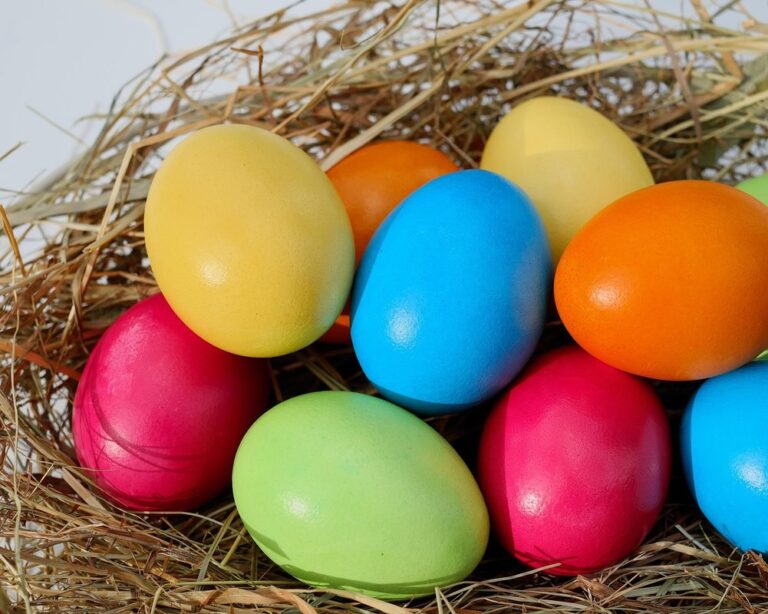
Introduction to Colorful Egg Laying Breeds
Welcome to our showcase of colorful egg chicken breeds, where we’ll introduce you to some of the most vibrant and fascinating hens that will add excitement to your backyard flock. Let’s start with the basics!
What are Colorful Egg Chickens?
As you start exploring colorful egg chicken breeds, you may wonder what exactly they are. Simply put, colorful egg chickens are a group of chicken breeds that lay eggs with vibrant, multi-colored, or speckled shells instead of the usual brown or white eggs. These birds have captured the hearts (and eyes) of many backyard chicken keepers due to their unique appearance and charming personalities.
One reason why colorful egg chickens are gaining popularity is because they offer a chance for breeders and owners to add some excitement and uniqueness to their flocks. Imagine collecting eggs from your coop and being amazed by the beautiful colors and patterns on each one! Many breeds, such as Easter Eggers, Olive Eggers, and Ameraucana, produce these stunning eggs due to their genetic makeup.
If you’re considering adding colorful egg chickens to your backyard flock, rest assured that they are just as productive as any other breed. They will still provide you with plenty of fresh, delicious eggs, and their colors won’t affect the taste or quality in any way.
Benefits of Raising Colorful Egg Chickens
Raising colorful egg laying breeds comes with numerous benefits that make them an excellent choice for backyard chicken keepers. One of the most exciting advantages is the unique egg colors and patterns they produce. Imagine collecting eggs in shades of blue, green, pink, or even spotted – it’s a delightful surprise every morning! Not only do these breeds add visual interest to your farm or homestead, but their colorful eggs also make for a beautiful addition to any kitchen.
In addition to their stunning eggs, many colorful egg laying breeds are known for their friendly and docile temperament. Some popular varieties, such as the Easter Egger and the Ameraucana, are renowned for their gentle nature and ease of handling. This makes them an excellent choice for families with children or for those who want a low-maintenance flock.
If you live in areas with harsh winters or experience frequent cold snaps, colorful egg laying breeds can be a lifesaver. Many of these breeds are naturally cold-hardy, making them well-suited to climates where other chicken breeds might struggle to thrive.
Popular Breeds with Colorful Eggs
If you’re eager to bring some vibrancy to your backyard flock, here are some popular breeds known for their stunning, multicolored eggs. Let’s explore these eye-catching options!
Araucana Breed: The Original Blue-Eggers
The Araucana breed has been delighting chicken enthusiasts for centuries with its unique ability to lay blue eggs. Originating from South America, specifically Chile and Peru, this breed has a rich history that dates back to the Incas. The name “Araucana” is derived from the Mapuche language, which was spoken by the indigenous people of Chile.
One of the most distinctive characteristics of the Araucana breed is its ability to lay blue eggs due to a genetic trait called ovomucoid. This protein is responsible for producing the pigment that gives eggs their color. The egg-laying abilities of the Araucana are impressive, with hens producing around 180-200 large white or blue eggs per year.
To care for this breed, it’s essential to provide them with a spacious coop and plenty of exercise. They require regular dust baths to maintain their unique feathering, which can be achieved by providing a shallow dish filled with sand or soil. Regular health checks are also crucial to ensure the well-being of your Araucana hens. With proper care and attention, they will reward you with their delightful blue eggs for years to come.
It’s worth noting that Araucanas have two types: the American Bantam and the Standard size. Both varieties share the same unique characteristics but differ in size and egg-laying abilities.
Marans Breed: Dark Brown Eggs from France
The Marans breed is one of the most sought-after chicken breeds for its unique dark brown eggs. Originating from France, this breed has been prized for centuries for its rich, chocolate-brown eggs and striking appearance. As a result of its selective breeding history, the Marans is known for laying eggs with an exceptionally deep, dark brown color.
When it comes to temperament, the Marans is often described as friendly, docile, and easy-going. They make excellent additions to backyard flocks due to their calm nature, which makes them suitable even for families with children. In terms of integrating a Marans into your flock, consider starting with young birds that are socialized from an early age. This will help them bond with the existing flock members.
In addition to their unique egg color and temperament, the Marans is also relatively low-maintenance when it comes to feed requirements. They are known to be efficient foragers and can thrive on a varied diet of grains, fruits, and vegetables. By incorporating Marans into your backyard flock, you’ll not only enjoy an abundance of dark brown eggs but also benefit from their friendly, laid-back nature.
Ameraucana Breed: American Blue-Egg Layers
The Ameraucana breed is an attractive choice for backyard chicken keepers who want to add some color and uniqueness to their egg-laying flock. Originating from the United States, this American breed has been popularized for its ability to produce blue eggs.
One of the most distinctive characteristics of the Ameraucana is its plumage, which comes in a variety of colors such as blue, black, red, and wheaten. But it’s not just their looks that make them stand out – their egg-laying abilities are also noteworthy. Hens will typically lay around 200 large white or blue eggs per year, making them an excellent choice for families who consume plenty of eggs.
When it comes to breeding Ameraucanas, they can be a bit more challenging than other breeds due to their genetic makeup. They are known to be flighty and active, so plenty of space and exercise are essential. Starters should also note that the blue egg gene is sex-linked, meaning only hens will produce blue eggs.
For those looking to bring an Ameraucana into their flock, make sure to research reputable breeders who prioritize health and temperament.
Breeds with Multi-Colored or Speckled Eggs
Some of our favorite breeds lay eggs that are truly works of art, featuring multi-colored and speckled patterns that add a touch of whimsy to your egg collection. Let’s explore some of these unique breeds together!
Easter Egger Breed: A Cross Between an Ameraucana and a Leghorn
Easter Eggers are a popular choice among backyard chicken enthusiasts due to their unique ability to lay blue-green eggs. They’re not a pure breed but rather a cross between an Ameraucana and a Leghorn. This combination creates a hardy, friendly bird that’s perfect for small farms or backyards.
In terms of egg-laying abilities, Easter Eggers are known to produce around 280-300 large white or brown eggs per year, with some birds producing more than others. Their egg-laying is often influenced by their genetic makeup and the quality of care they receive.
To breed Easter Eggers, you’ll need to have both Ameraucana and Leghorn roosters in your flock. The goal is to mate an Ameraucana female with a Leghorn male or vice versa. Keep in mind that the fertility rate may vary depending on the individual birds and their health status.
One of the pros of raising Easter Eggers is their friendly and docile nature, making them perfect for families with children. However, they can be noisy and require regular social interaction to prevent boredom.
Ameracana x Marans Breed: Unique Egg Patterns
The Ameracana x Marans breed is a stunning result of crossing two popular egg-laying breeds. This crossbreed boasts an impressive egg-laying ability, with eggs typically measuring around 60-70 grams and sporting an exceptional dark terracotta or chocolate-brown color due to the influence of the Marans gene.
One of the most distinctive features of the Ameracana x Marars breed is its unique egg pattern. The eggs often display a mix of olive-green and brown, creating a truly eye-catching speckled effect. If you’re looking to add some visual variety to your egg collection, this breed is an excellent choice.
When it comes to breeding and caring for the Ameracana x Marans, make sure to provide a balanced diet rich in protein and calcium to support optimal health and fertility. Also, ensure that your flock has access to plenty of space to roam and exercise, as this will help maintain their overall well-being. By following these tips, you can successfully breed and care for this beautiful bird, enjoying the benefits of its unique egg-laying abilities for years to come.
Breeds with Green or Olive-Drained Eggs
If you’re looking for egg-laying chickens that produce eggs with a unique green or olive-drained hue, we’ve got some fascinating breeds to explore. These unusual colors are a result of specific genetic traits in certain breed lines.
Araucana x Marans Breed: A Rare but Beautiful Combination
The Araucana x Marans breed is a rare and beautiful combination that’s gaining popularity among backyard chicken enthusiasts. When bred together, these two breeds produce offspring with stunning plumage and, most excitingly, green or olive-drained eggs.
One of the main benefits of breeding this combination is the unique egg-laying characteristic it brings to the table. The Araucana gene responsible for producing blue eggs can be combined with the Marans’ ability to lay dark brown eggs, resulting in a gorgeous olive-green coloration. This makes for a truly distinctive and sought-after breed.
However, there are also some challenges to consider when breeding this combination. For one thing, the genetics involved can be quite complex, requiring a good understanding of chicken inheritance patterns. You’ll need to carefully select birds with the desired traits and ensure that they’re healthy enough to produce offspring with these characteristics.
Another challenge is managing the expectations around egg coloration. While some breeders might see green or olive-drained eggs as a desirable trait, others may not be interested in this aspect of the bird’s performance. As such, it’s essential to research your market and determine whether there’s demand for this unique characteristic before investing time and resources into breeding.
If you’re still interested in giving this breed a try, here are some practical tips to keep in mind:
* Make sure you have experience with both breeds and understand their genetic makeup.
* Start with high-quality birds that exhibit the desired traits.
* Be prepared for potential health issues and take steps to mitigate them.
* Research local regulations regarding backyard chicken keeping and ensure that your breed is allowed.
By following these guidelines, you can increase your chances of successfully breeding this rare but beautiful combination. With patience, dedication, and a willingness to learn, you’ll be rewarded with stunning birds that lay the most unique eggs in the coop!
Health Considerations and Care Tips
When keeping colorful egg chicken breeds as pets, it’s essential to consider their specific health needs and provide proper care to ensure they thrive. Here are some valuable tips to keep in mind.
Nutritional Requirements for Colorful Egg Layers
When it comes to keeping your colorful egg chickens healthy and thriving, providing them with the right nutritional requirements is crucial. As a responsible flock owner, you want to ensure that your girls are getting all the necessary nutrients to lay those beautiful eggs.
A well-balanced diet should include a mix of protein-rich foods such as mealworms, crickets, or even commercial chicken layer feed. It’s also essential to provide your hens with plenty of calcium sources like crushed eggshells, dark leafy greens, and oyster shells. These will help support their bone health and prevent issues like eggshell thinning.
You can supplement their diet with omega-3 rich foods like flaxseeds or chia seeds, which promote healthy feathers and overall well-being. Additionally, offering probiotics in the form of fermented foods or supplements can aid digestion and boost immunity.
Remember to also provide fresh water at all times and maintain a clean living environment. By meeting your colorful egg chickens’ nutritional requirements, you’ll be rewarded with happy, healthy hens that will continue to produce those gorgeous eggs.
Common Health Issues in Colorful Egg Breeds
As a colorful egg layer enthusiast, it’s essential to be aware of the common health issues that can affect these beautiful birds. Unfortunately, mites and parasites are two prevalent problems that can impact their well-being.
Mites, specifically red mite, can infest your flock and cause stress, discomfort, and even illness. These tiny pests thrive in warm temperatures and humid environments, making them a challenge to eliminate once they’ve taken hold. To prevent mite infestations, ensure good ventilation in your coop, keep it clean, and maintain optimal temperature levels.
Another issue is internal parasites like worms, which can weaken your birds’ immune systems and lead to reduced egg production or even death. Regular deworming with a suitable product is crucial, but also consider implementing natural methods such as adding diatomaceous earth to their feed or providing a worm-friendly environment for beneficial insects to thrive.
It’s not just mites and parasites that can affect your flock; other health concerns like frostbite in cold climates and heat stress in warmer ones are also important to monitor. By staying vigilant, maintaining a clean and comfortable coop, and implementing prevention strategies, you can help keep your colorful egg layers healthy and thriving. Regular monitoring is key, so be sure to inspect your birds regularly for signs of mites or parasites.
Conclusion: Choosing the Right Colorful Egg Chicken Breed
Now that you’ve learned about the diverse and vibrant world of colorful egg chicken breeds, it’s time to pick your perfect match! Let’s explore what to consider when making your final selection.
Factors to Consider When Selecting a Breed
When selecting a colorful egg laying breed for your backyard flock, there are several key factors to consider. First and foremost, think about the space you have available for your chickens. Some breeds require more room to roam than others, so it’s essential to choose a breed that fits within your yard’s square footage.
Consider the climate in your area as well. If you live in an extremely hot or cold region, some breeds may not thrive. For example, the Araucana breed is sensitive to heat and humidity, making them better suited for cooler climates. On the other hand, the Marans breed can handle warmer temperatures and are a good choice for those living in southern regions.
Think about what characteristics you want in your flock as well. Do you want chickens that lay blue or green eggs? Or perhaps you prefer breeds with specific personalities or temperaments? By considering these factors upfront, you’ll be able to find the perfect breed to suit your needs and preferences.
Final Tips for Raising Happy and Healthy Colorful Egg Chickens
As you bring home your new colorful egg chicken breed, it’s essential to remember that their happiness and health depend on proper care. Here are some final tips to ensure your feathered friends thrive:
Provide a spacious and well-ventilated coop with adequate nesting boxes for each bird. This will help reduce stress and prevent disease. Ensure the coop is predator-proof, as colorful egg chickens can be tempting targets.
Offer a balanced diet rich in protein and calcium to support healthy egg production. Supplement their feed with fruits, vegetables, and grains to keep them entertained and stimulated.
Rotate toys and perches regularly to prevent boredom and keep your flock active. Provide access to fresh water at all times, and ensure it’s easily accessible for older or injured birds.
Regularly clean the coop and run to maintain a healthy environment. Schedule regular check-ups with a veterinarian experienced in poultry care to monitor their health and detect any potential issues early on.
By following these guidelines, you’ll be well on your way to raising happy and healthy colorful egg chickens that bring joy and color to your backyard.
Frequently Asked Questions
Can I raise colorful egg chickens if I have a small backyard?
You can still enjoy the benefits of raising colorful egg chickens even with a small backyard. Consider breeds like Ameraucana or Easter Eggers, which are generally quieter and require less space than some other varieties. Be sure to check local ordinances regarding backyard chickens before bringing home your new flock.
What’s the best way to care for my colorful egg chicken’s unique feathering?
To keep your colorful egg chicken’s stunning feathers in top condition, make sure they have access to a dust bath regularly. You can also use a good quality feed specifically formulated for egg layers to help maintain their health and appearance. A balanced diet, plenty of fresh water, and regular veterinary check-ups will also go a long way in keeping your girls looking their best.
How do I know which colorful egg chicken breed is right for me?
When selecting a breed, consider factors like egg production, temperament, and climate adaptability. Think about how much space you have available and what type of care and attention your birds will need. Research breeds that fit your lifestyle and preferences, and don’t be afraid to ask for advice from other backyard chicken keepers.
Can I crossbreed my existing chickens with colorful egg breeds?
While crossing different breeds can create interesting and unique combinations, it’s essential to do this responsibly. Make sure you’re not compromising the health or fertility of your birds, and research the potential benefits and drawbacks before making any decisions. Consult with a trusted poultry expert or veterinarian for guidance on breeding programs.
How long will it take for my colorful egg chicken breed to start laying eggs?
The time it takes for your chickens to begin laying depends on factors like their age, nutrition, and overall health. Most egg-laying breeds will start producing eggs around 18-24 weeks of age, but this can vary depending on the specific breed and individual bird. Be patient and provide a nutritious diet, plenty of fresh water, and regular veterinary care to ensure your girls reach their full egg-laying potential.