
If you’re considering raising turkeys for your next holiday meal or simply looking to diversify your backyard farm, you might be wondering about the benefits of coop turkeys. Unlike traditional farm-raised options, coop turkeys offer improved nutrition and a more sustainable approach to farming. By choosing to raise these birds in a controlled environment, you can ensure that they receive optimal care and live healthier lives.
In this article, we’ll explore the advantages of raising coop turkeys and provide essential tips for maintaining a healthy and sustainable flock. From providing the right nutrition and living conditions to preventing diseases and parasites, we’ll cover everything you need to know to successfully raise your own coop turkey flock. By learning more about coop turkeys, you can enjoy delicious and nutritious meat while also reducing your environmental impact.
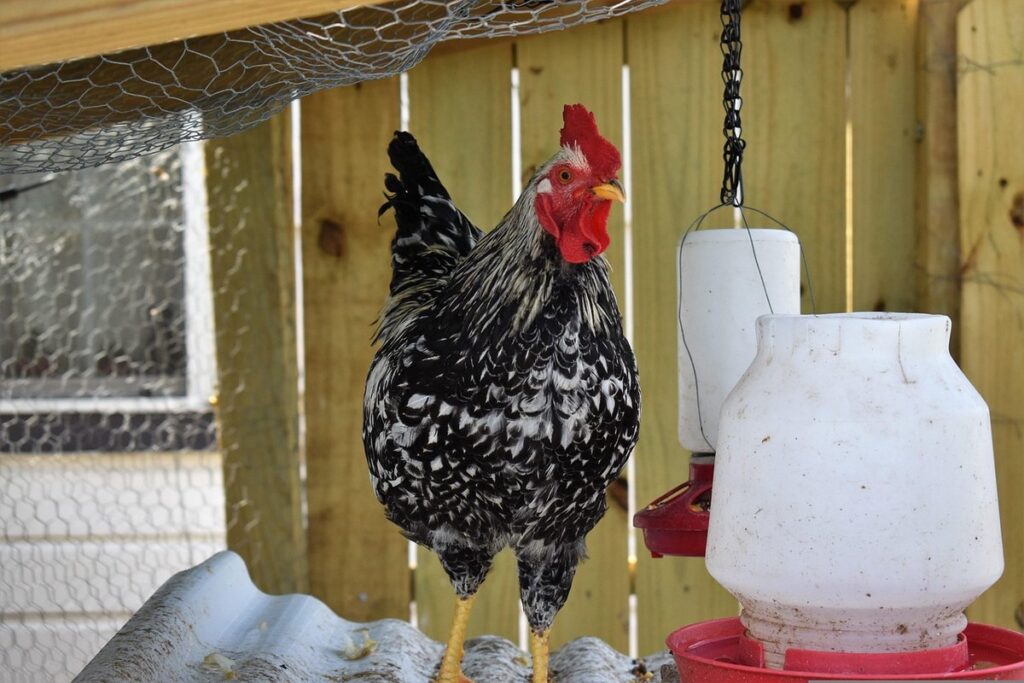
Benefits of Raising a Coop Turkey
Raising a coop turkey can be incredibly rewarding, and one of the main reasons is the numerous benefits it provides for your backyard ecosystem. From natural pest control to fertilization, learn how turkeys can enhance your farm’s productivity.
Advantages Over Traditional Farm-Raised Turkeys
Coop turkeys offer numerous advantages over traditional farm-raised turkeys when it comes to living conditions, welfare, and nutritional content. For one, coop turkeys are raised outdoors in a natural environment, where they can forage for insects, seeds, and other nutrient-rich foods. This freedom to roam allows them to exercise their natural behaviors, such as scratching and pecking at the ground, which is essential for their physical and mental health.
In contrast, traditional farm-raised turkeys are often confined to crowded and unsanitary conditions, leading to stress, disease, and a higher risk of antibiotic resistance. Coop turkeys also have access to fresh air, sunlight, and green space, all of which contribute to their overall well-being. As for nutritional content, coop turkeys tend to be leaner and more flavorful due to their diverse diet and active lifestyle.
One study found that pasture-raised turkeys had higher levels of omega-3 fatty acids and lower levels of saturated fats compared to conventionally raised turkeys. By choosing to raise a coop turkey, you’re not only ensuring better living conditions for the bird but also investing in your own health through more nutritious meat.
Nutritional Comparison with Store-Bought Options
When it comes to nutrition, many people assume that store-bought turkeys are on par with their backyard-raised counterparts. However, there’s a significant difference between the two when it comes to nutritional profiles. Coop turkeys offer a more natural and wholesome diet compared to commercially raised birds.
One key advantage of coop turkeys is their higher levels of omega-3 fatty acids. These essential nutrients are crucial for heart health, brain function, and even cancer prevention. When you raise your own turkey, you can ensure they’re getting enough grass and insects in their diet to boost their omega-3 intake. In contrast, store-bought turkeys often contain lower levels of these beneficial fats due to their corn-based feed.
Coop turkeys also tend to have lower levels of antibiotics than store-bought options. By avoiding the use of antibiotics in your backyard flock’s diet, you can help promote a healthier and more sustainable food system. This is especially important considering the growing concern over antibiotic resistance.
Environmental Benefits of Raising Coop Turkeys
Raising coop turkeys can have a significant positive impact on the environment. One of the most notable benefits is the reduction of greenhouse gas emissions. Compared to factory-farmed turkeys, which are often raised in large industrial facilities with high energy consumption and waste production, coop-raised turkeys produce significantly fewer emissions. According to some studies, raising turkeys in a backyard coop can reduce carbon footprint by up to 80% compared to conventional farming methods.
Another environmental benefit of raising coop turkeys is promoting sustainable agriculture practices. By doing so, you’re contributing to a more eco-friendly and regenerative food system. For example, coop-raised turkeys are often fed on-site, reducing transportation emissions associated with industrial farms. Additionally, the manure from coop turkeys can be composted and used as fertilizer, reducing waste disposal issues.
When raising coop turkeys, you can further minimize your environmental impact by adopting practices such as using rainwater collection systems or implementing composting toilets. By incorporating these sustainable measures into your backyard farming setup, you’ll not only contribute to a healthier environment but also enjoy the benefits of fresh, healthy produce straight from your own yard.
Setting Up Your Coop Turkey Operation
To raise healthy and happy co-op turkeys, you’ll first need to set up a suitable coop environment that meets their unique needs. This includes selecting the right equipment and designing an optimal layout.
Essential Equipment for a Healthy Flock
When it comes to raising a healthy flock of coop turkeys, having the right equipment is crucial. First and foremost, you’ll need to ensure adequate ventilation in your coop. This can be achieved through the installation of windows, vents, or fans that allow for proper airflow. A well-ventilated coop will help prevent respiratory issues and keep your birds cool during hot weather.
Next, consider investing in a reliable lighting system. Turkeys require a certain amount of light to maintain their circadian rhythms, which can affect egg production and overall health. Aim for at least 14 hours of daylight, supplemented by artificial lighting if necessary. You’ll also want to prioritize feeding systems that make it easy to provide fresh food and water to your flock.
Some essential equipment you may consider include a trough feeder, waterer, and nesting box. A trough feeder allows for efficient feeding, while a reliable waterer ensures access to fresh drinking water at all times. Nesting boxes are also crucial for providing a safe and comfortable space for hens to lay their eggs.
In terms of specific brands or models, it’s essential to research and choose equipment that suits your coop size and turkey flock size. Some popular options include the Meyer Feeder and the Omlet Waterer.
Housing Requirements for Optimal Health
When it comes to designing a suitable coop for your turkeys, there are several key factors to consider. First and foremost, space is crucial. Turkeys need room to move around comfortably, so aim for at least 2-4 square feet of space per bird inside the coop. This will give them enough room to stretch their wings and exercise without feeling cramped.
Another essential consideration is bedding. Bedding helps keep your turkeys dry and clean, which is vital for their health. You can use a variety of materials like straw or pine shavings, but make sure to change it frequently to prevent ammonia buildup. It’s also a good idea to provide some areas with deeper bedding for your birds to dig and forage in.
Access to sunlight is also vital for the health and well-being of your turkeys. Aim to position your coop so that it receives natural light during the day, or consider installing artificial lighting if you’re cooping indoors. This will help regulate their circadian rhythms and keep them active and healthy. By incorporating these elements into your coop design, you’ll be creating a safe and healthy environment for your turkeys to thrive in.
Feeding Your Coop Turkeys: A Guide to Nutrient-Rich Diets
When it comes to feeding your coop turkeys, providing them with a nutrient-rich diet is crucial for their overall health and well-being. A balanced diet will help ensure they grow strong and healthy, reducing the risk of diseases and other issues that can affect your flock.
First, you’ll want to establish a regular feeding schedule. This typically includes providing two to three meals per day, depending on the age and size of your turkeys. Start with a starter feed for the first 8-10 weeks, which should contain around 20% protein. As they grow and mature, switch to a finisher feed that’s higher in protein (around 25-30%). It’s essential to provide fresh water at all times.
In addition to commercial feeds, consider adding supplements to enhance the nutritional value of their diet. Oats, sunflower seeds, and mealworms are great options that can be added in moderation. For example, you could mix in a quarter cup of oats per pound of feed to provide extra fiber and nutrients. This will not only improve their overall health but also make their droppings more consistent, which is essential for maintaining a clean coop environment.
Health Considerations for Coop Turkey Owners
When raising a coop turkey, it’s essential to consider their health and well-being, taking into account potential risks and vulnerabilities specific to this breed. Let’s explore some key health considerations for your flock.
Common Health Issues in Coop Turkeys
Coop turkeys are generally hardy birds, but they can be susceptible to certain health issues that can impact their well-being and productivity. Respiratory problems are a common issue in coop turkey flocks, often caused by poor ventilation or overcrowding in the coop. Signs of respiratory distress include coughing, labored breathing, and lethargy.
Parasites like mites, lice, and fleas can also infest your coop turkeys, causing discomfort and stress. To prevent parasite infestations, it’s essential to maintain a clean coop environment, provide regular dust baths for your birds, and inspect them regularly for signs of infestation.
Disease outbreaks are another potential health issue in coop turkey flocks. Vaccinations can help protect against certain diseases like Newcastle disease, but proper biosecurity measures should also be taken to prevent the spread of disease. This includes isolating new birds, disinfecting equipment and surfaces, and practicing good personal hygiene when handling your birds.
Regular veterinary check-ups are crucial for identifying potential health issues early on and taking corrective action. By being aware of these common health issues and taking proactive steps to prevent them, you can help keep your coop turkey flock healthy and thriving.
Vaccination and Disease Prevention Strategies
When it comes to raising healthy coop turkeys, vaccination and disease prevention strategies are crucial. Regular check-ups with a veterinarian are essential to ensure your flock stays healthy. A yearly check-up can help identify potential health issues early on, preventing them from becoming major problems.
Implementing biosecurity measures is also vital in maintaining the health of your coop turkey flock. This includes regularly cleaning and disinfecting coops, feeders, and waterers, as well as keeping predators out by securing fencing and ensuring doors are closed properly.
Some essential steps include:
* Washing hands thoroughly before handling birds
* Isolating new birds for a few weeks to ensure they’re disease-free
* Disposing of soiled bedding and waste promptly
* Providing adequate ventilation in the coop to reduce ammonia levels
Additionally, consider maintaining accurate records of vaccinations and health check-ups. This helps you track your flock’s health history and identify potential trends or issues early on.
Recognizing Early Warning Signs of Illness
As a coop turkey owner, it’s essential to recognize early warning signs of illness to provide timely medical attention and prevent the spread of disease. Toms (male turkeys) are more prone to health issues than hens due to their larger size and aggressive behavior. However, both males and females can be susceptible to various illnesses.
Some common early warning signs of illness in your coop turkey include:
• Lethargy or a lack of energy
• Changes in appetite or water consumption
• Discharge from the eyes or nostrils
• Ruffled feathers or changes in plumage
• Unusual droppings or changes in stool consistency
If you notice any of these symptoms, it’s crucial to monitor your turkey closely and seek veterinary attention if the condition worsens. Regular health checks can help identify potential issues early on, allowing for prompt intervention and reducing the risk of complications. Remember, a healthy coop turkey is not only a happy bird but also a vital part of a thriving backyard flock.
Tips for Raising Healthy and Happy Coop Turkeys
Raising a happy and healthy coop turkey requires attention to their diet, exercise, and social needs. Here are some essential tips to ensure your feathered friend thrives.
Importance of Socialization and Handling
Socialization from an early age is crucial for coop turkeys to develop into calm and well-adjusted birds. This process lays the foundation for a stress-free adult life, reducing the likelihood of aggressive behavior and anxiety attacks. Start by introducing your turkeys to new people, sights, sounds, and environments, gradually increasing the intensity and frequency of interactions.
As your turkeys grow, make handling a regular practice. Begin with gentle touch and gradually progress to more extensive handling sessions. This will help them become accustomed to being picked up, examined, and restrained if necessary. To achieve this, get your hands dirty and spend quality time with your flock, observing their behavior and body language for signs of stress or unease.
By investing in socialization and handling from an early age, you’ll reap long-term benefits including reduced aggression, improved overall health, and increased tameness. Remember, a well-socialized coop turkey is more likely to thrive under human care and develop into a wonderful companion.
Exercise and Stimulation Opportunities
Providing adequate exercise and stimulation opportunities is crucial for the overall health and happiness of your coop turkeys. You’ll want to consider giving them regular access to a fenced area where they can roam freely, also known as free-range access. This will allow them to engage in natural behaviors like foraging, exploring, and exercising their legs.
In addition to free-range access, you can provide enrichment activities that challenge your turkeys mentally and physically. Some ideas include:
• Rotating toys and objects in the coop to keep things fresh and interesting
• Hiding treats or food puzzles to encourage problem-solving
• Creating a dust bath area where they can bathe and clean themselves
• Offering climbing structures or perches for exercise and play
By incorporating these elements, you’ll be providing your coop turkeys with the stimulation they need to thrive. For example, some breeders recommend allowing their turkeys 4-6 hours of free-range access daily, which has been shown to improve overall health and reduce stress levels in the flock.
Managing Predator Risks in Your Coop
When it comes to raising healthy and happy coop turkeys, managing predator risks is crucial. Predators like foxes, coyotes, hawks, owls, and even domestic dogs can be a significant threat to your flock’s safety. To protect your birds, consider the following steps:
* Identify potential entry points: Regularly inspect your coop’s walls, roof, and gates for any gaps or weaknesses that predators might exploit.
* Secure fencing: Install sturdy fencing around your coop and run area to prevent predators from jumping in. The fence should be at least 3 feet high and extend at least 12 inches below ground level to prevent burrowing animals like raccoons and opossums from digging underneath.
* Use hardware cloth: Wrap hardware cloth (a type of metal mesh) around the coop’s perimeter to cover any gaps or holes. Bury it at least 12 inches underground to prevent predators from digging through it.
* Keep your flock safe at night: Predators are most active at dawn and dusk, so ensure your coop is secure before sunset each day.
By taking these measures, you can significantly reduce the risk of predator attacks on your coop turkey flock.
Processing and Preparing Your Harvested Turkeys
Now that you’ve harvested your turkeys, it’s time to prepare them for cooking. This section will walk you through the essential steps of processing and preparing your birds safely and humanely.
Steps Involved in Humanely Slaughtering Your Coop Turkeys
When it’s time to harvest your coop turkeys, humanely slaughtering them is crucial for both their welfare and your safety. To do this effectively, you’ll need a few pieces of equipment: a sharp knife or gun, a container for catching the bird, and a clean workspace. It’s essential to have all your tools ready before approaching the coop.
Approach your turkeys calmly and humanely, avoiding any sudden movements that might cause them stress. Once you’ve caught the bird, hold it securely but gently in a position where its head is facing upwards and away from you. This will help prevent any accidental kicks or scratches.
The actual slaughter should be swift and humane. For knife slaughter, make a clean cut just above the base of the neck, severing both the carotid arteries and jugular veins simultaneously. If using a gun, follow proper loading and aiming procedures to ensure a quick, painless kill. After the bird is deceased, carefully remove it from the coop and begin the processing phase, taking care to maintain cleanliness throughout the procedure.
Proper Handling and Storage of Meat Products
Proper handling and storage of meat products are crucial to ensure food safety and quality when preparing and cooking your harvested turkey. As a responsible poultry owner, you want to minimize the risk of contamination and spoilage.
When handling your harvested turkey, make sure to wash your hands thoroughly with soap and water before and after touching the bird. Use clean utensils and equipment, and keep them sanitized regularly. It’s also essential to prevent cross-contamination by separating raw meat from other foods in the kitchen.
For storage, it’s recommended to store the turkey in a sealed container or zip-top bag at 40°F (4°C) or below within two hours of harvesting. If you can’t refrigerate immediately, use ice packs to keep the bird cool while transporting it to the fridge. When storing the turkey, ensure that it is wrapped tightly and kept away from strong-smelling foods to prevent flavor transfer.
Remember, proper handling and storage techniques are key to maintaining the quality and safety of your harvested turkey. By following these guidelines, you’ll be able to enjoy a delicious and safe meal with your family.
Conclusion: Embracing Sustainable and Humane Turkey Production
Now that you’ve learned how to raise a happy and healthy coop turkey, let’s discuss how to bring your farm to the next level by embracing sustainable and humane practices.
Recap of Benefits and Best Practices
Raising a coop turkey is not just about producing a healthier meat option; it’s also an environmentally-friendly and humane way to farm. By now, you’ve learned about the numerous benefits of coop turkeys, including improved air quality, reduced water waste, and enhanced animal welfare.
These advantages can be attributed to the unique characteristics of coop turkeys, which are bred specifically for their robust immune systems and ability to thrive in indoor environments. This allows them to grow without the need for antibiotics or hormones, making them a popular choice for environmentally conscious consumers.
To reap these benefits, remember that coop turkey production requires careful planning and attention to detail. Ensure you provide ample space for your flock, maintain optimal temperatures, and prioritize their socialization and exercise needs. By doing so, not only will you be producing a more sustainable product but also promoting animal welfare in the process.
Encouraging a Shift Towards Coop Turkey Production
As you’ve learned throughout this guide, raising a coop turkey can be a rewarding and sustainable way to produce meat for yourself and your family. But it’s not just about the benefits of coop turkey production itself – it’s also about shifting the broader industry towards more humane and environmentally-friendly practices.
The truth is, traditional factory-farmed turkeys have a devastating impact on animal welfare and the environment. Factory farms often prioritize efficiency over animal well-being, leading to cramped and unsanitary conditions that can result in stress-related illnesses and even death. And when it comes to environmental sustainability, these operations rely heavily on resource-intensive practices like antibiotic use and waste disposal.
By choosing coop turkey production for your future meat needs, you’re not only improving the lives of individual birds – you’re also contributing to a larger movement towards more sustainable agriculture. As consumers increasingly demand better animal welfare and environmental practices, it’s up to us to make informed choices that drive positive change in the industry.
Frequently Asked Questions
Can I start raising coop turkeys immediately after reading this article?
If you’re new to backyard farming, it’s essential to research local regulations regarding the raising of livestock before beginning your coop turkey operation. Check with your local government for any specific requirements or restrictions on backyard farming.
How often should I clean and disinfect my coop?
Regular cleaning is crucial for maintaining a healthy flock. Schedule regular deep cleans (at least once a month) and daily spot cleans to prevent disease outbreaks. Use a 1:10 bleach-to-water solution to disinfect surfaces, and always follow proper safety protocols when handling chemicals.
What if I notice signs of illness or stress in my coop turkeys?
Monitor your flock regularly for any signs of distress or illness, such as changes in appetite, droopy wings, or lethargy. If you suspect a health issue, consult with a veterinarian experienced in poultry care to determine the best course of action and develop a plan for prevention.
Can I raise both coop turkeys and other farm animals together?
While coop turkeys can thrive alongside other farm animals like chickens and ducks, introducing new species requires careful planning to prevent disease transmission. Ensure all animals have separate living areas, feeding stations, and water sources to minimize the risk of cross-contamination.
What are some essential safety precautions when handling coop turkeys?
Always handle birds gently and carefully, especially when young or stressed. Wear closed-toe shoes and protective clothing, including gloves, to prevent injuries from sharp beaks or claws. Regularly inspect your flock for signs of illness or stress before interacting with them.