
Raising chickens for meat production can be a fun and rewarding experience, especially when you choose the right breed. Cornish hen chickens are one of the most popular choices among backyard chicken enthusiasts and commercial farmers alike. But before you start raising these birds, it’s essential to understand their history, temperament, and health considerations. In this ultimate guide, we’ll take a closer look at the ins and outs of raising Cornish hen chickens for meat production. From their origins in the UK to their modern-day popularity worldwide, we’ll cover everything you need to know to succeed with these birds. Whether you’re a seasoned farmer or a beginner looking to start small, this guide will provide you with the knowledge and expertise you need to raise healthy, high-quality Cornish hens for your family’s table.
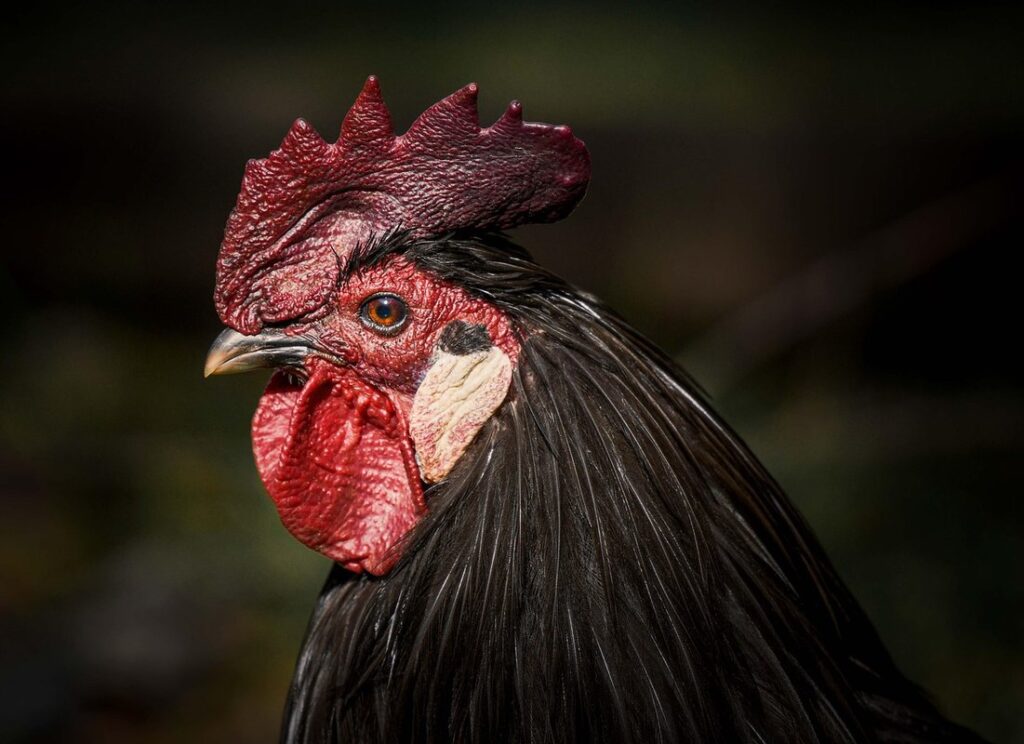
History and Origins of Cornish Hen Chickens
So, you’re curious where these adorable birds come from? Let’s dive into the fascinating history and origins of Cornish hen chickens, a true delight in the world of poultry.
Early Development of the Breed
Cornish chickens have a rich history that dates back to the 19th century in Cornwall, England. The breed was first developed as a dual-purpose chicken, meaning they were bred for both meat and egg production. Their origins can be attributed to crossing various breeds such as the Plymouth Rock, Light Sussex, and White Leghorn with the goal of creating a hardy and fast-growing bird.
The result was a compact, muscular bird that matured quickly and produced white eggs. This made them an ideal choice for small-scale farmers in Cornwall who needed birds that could thrive on limited resources. Cornish chickens were known to be prolific egg layers, producing up to 300 large white eggs per year, which is impressive considering their relatively small size.
As the years passed, breeders continued to refine the breed, focusing on its unique characteristics and strengths. The result was a distinct and recognizable breed that has become synonymous with high-quality poultry products. Today, Cornish chickens are prized for their meat, known for its tenderness and flavor, as well as their eggs, which remain a staple in many households.
Purpose-Bred for Meat Production
Cornish chickens have been specifically bred for their meat production qualities, making them one of the most popular poultry breeds globally. The unique characteristics that make them ideal for meat production were developed through a process of selective breeding.
In the early 20th century, British farmers crossed the Cornish breed with other poultry strains to create a bird that was larger and more muscular than its ancestors. This breeding program focused on developing chickens with faster growth rates, higher meat yields, and improved feed efficiency. The result was a bird that could be raised to market weight in as little as 5-6 weeks.
One key factor in the success of Cornish chickens for meat production is their ability to grow rapidly without sacrificing quality. They have a high breast-to-wing ratio, which means they produce more desirable white meat with less fat. This characteristic has made them a favorite among poultry producers and consumers alike. When selecting a Cornish chicken for meat production, it’s essential to choose breeds that have been specifically developed for this purpose, such as the Modern Games or the Light Sussex.
Characteristics of Cornish Hen Chickens
When it comes to raising Cornish Hen chickens, understanding their unique characteristics is key. Let’s take a closer look at what makes these birds special.
Physical Attributes
Cornish hen chickens are known for their unique and compact physical attributes. When it comes to size, Cornish hens are significantly smaller than other chicken breeds, with adults reaching an average height of about 10-12 inches (25-30 cm) and weighing around 1.5-2 pounds (0.7-0.9 kg). This makes them ideal for small backyard flocks or even urban homesteads.
Their feathering is another distinctive characteristic of Cornish hens. They have a smooth, glossy plumage that can range in color from white to silver to red. The feathers are often described as “soft” and “silky,” making them a joy to handle. One thing to note about Cornish hens is that they don’t have a full tail like other chicken breeds, which can be both an advantage and a disadvantage.
In terms of body type, Cornish hens tend to have a more compact, rounded appearance than other chickens, with a broad breast and a short, sturdy leg. This makes them well-suited for roasting in the oven or grilling on the stovetop. Overall, the physical attributes of Cornish hen chickens make them a popular choice among backyard chicken keepers and chefs alike.
Temperament and Behavior
One of the most endearing qualities of Cornish hen chickens is their temperament. They are known to be docile and easy-going, making them an excellent choice for backyard flocks and even novice chicken keepers. In fact, many breeders and owners describe Cornish hens as “lap chickens” due to their affectionate nature.
When it comes to handling, Cornish hens are surprisingly tame and will often come running when called. They are also relatively small in size, which makes them easy to lift and handle. This gentle disposition is perfect for families with children or for those who want a low-maintenance yet rewarding chicken-keeping experience.
If you’re new to raising chickens, Cornish hens are an excellent choice due to their friendly nature. However, it’s essential to note that like any other breed, they require proper socialization and handling from an early age to ensure they remain docile and confident. With the right care and attention, your Cornish hens will thrive and become beloved members of your flock.
Raising Cornish Hen Chickens for Meat Production
If you’re raising cornish hens for meat production, learning how to properly care for and manage them is crucial for a successful harvest. We’ll walk through the essential steps of breeding and raising these birds for a bountiful yield.
Housing and Living Conditions
When it comes to raising Cornish hen chickens for meat production, providing suitable housing and living conditions is crucial. These birds require adequate space to roam, exercise, and engage in natural behaviors. The general rule of thumb for broiler chickens like Cornish hens is to provide at least 2-3 square feet of floor space per bird inside the coop, with additional outdoor access.
However, it’s essential to remember that these birds will grow rapidly, and their living conditions must accommodate their increasing size. A good starting point would be a spacious coop with ventilation, insulation, and adequate lighting. The enclosure should also have easy cleaning and maintenance features to prevent disease outbreaks.
A common mistake many first-time farmers make is underestimating the needs of their flock. For example, overcrowding can lead to stress, increased mortality rates, and reduced growth rates. To avoid this, consider starting with a smaller initial stock and gradually increasing numbers as you gain experience.
Additionally, it’s vital to ensure your coop meets health standards by incorporating features such as easy cleaning, pest control, and adequate ventilation.
Feeding and Nutrition
When it comes to feeding and nutrition for your Cornish hen chickens, getting it right is crucial. These birds are bred specifically for their fast growth rate and meat production, so they have unique dietary needs that set them apart from other chicken breeds.
Cornish hens require a high-protein feed that’s formulated specifically for meat production. Look for feeds with a minimum of 18% protein content, and ideally 20-22%. You can also supplement their diet with grains like oats or barley to provide fiber and complex carbohydrates. It’s essential to choose a feed that’s free from fillers and by-products, as these can cause digestive issues.
In terms of nutritional requirements, Cornish hens need access to calcium and phosphorus to support strong bone growth. Ensure your feed includes adequate levels of these minerals. You should also provide fresh water at all times, and consider adding a probiotic supplement to promote gut health.
A good rule of thumb is to start with a starter feed for the first 4-6 weeks, then switch to a grower feed. Avoid over-supplementing, as this can lead to an imbalance in their diet and negatively impact performance.
Health Considerations for Cornish Hen Chickens
When raising Cornish hen chickens, it’s essential to be aware of their specific health needs and potential vulnerabilities to certain diseases. We’ll discuss these crucial considerations in more detail below.
Common Health Issues
When it comes to Cornish hen chickens, several health issues can arise if they are not properly cared for. One of the most common problems is heart failure, which can be caused by the bird’s genetic predisposition to being overweight. This is often due to overfeeding and poor exercise opportunities.
Respiratory diseases are another significant concern in Cornish hens. These birds are prone to conditions such as brooder pneumonia and airsacculitis, which are often linked to poor air quality, stress, and inadequate ventilation.
Some respiratory issues can be prevented by ensuring that the coop has proper ventilation, keeping it clean, and providing regular exercise outside of the coop. Regular veterinary check-ups can also help detect any potential health problems early on.
In addition to these concerns, Cornish hens may also be susceptible to other health issues such as obesity, which can lead to a range of complications including diabetes and heart disease. To minimize these risks, it is essential to provide a balanced diet and ensure the birds get sufficient exercise opportunities.
Prevention and Management Strategies
Preventing health issues is crucial for maintaining the well-being of your Cornish Hen chickens. One of the most effective strategies is to implement a robust vaccination program. This should start from an early age and include vaccinations against diseases such as Newcastle disease, Infectious Bronchitis, and Marek’s disease.
In addition to vaccination, biosecurity measures are vital in preventing the spread of diseases within your flock. Keep your coop clean by removing soiled bedding regularly and disinfecting all surfaces with a solution of 1 part bleach to 10 parts water. Ensure good ventilation by installing windows or vents that allow fresh air to circulate.
To manage existing health issues, identify any signs of illness promptly and consult with a veterinarian if necessary. Monitor your birds’ behavior, appetite, and droppings regularly for early detection. Provide a balanced diet rich in nutrients, including calcium supplements for strong eggshell production. Keep the coop at an optimal temperature range (around 60-70°F) to prevent stress and promote overall health.
Regular monitoring of your flock’s health is also essential. Identify any potential risks, such as predators or parasites, and take necessary measures to mitigate them.
Breeding and Genetics of Cornish Hen Chickens
If you’re looking to raise healthy and thriving Cornish hens, understanding their breeding and genetics is crucial. Let’s dive into what makes these birds tick on a genetic level.
Selective Breeding for Desired Traits
Selective breeding has played a significant role in shaping the modern Cornish hen chicken breed. To develop this popular meat bird, breeders employed selective breeding to enhance desirable traits such as rapid growth rate, large size, and lean meat production. This process began centuries ago when farmers selected birds with superior characteristics to mate with one another.
Through meticulous selection and breeding, breeders were able to isolate specific genes responsible for these traits, allowing them to make targeted improvements over time. For instance, selective breeding helped increase the weight of Cornish hens by 40% in just a few generations. Today’s commercial flocks are a direct result of this concentrated effort.
When it comes to selective breeding, understanding your flock’s genetic makeup is crucial for making informed decisions. Identify your birds’ strengths and weaknesses, then use that information to make deliberate choices about which birds to breed together.
Genetic Considerations
When it comes to breeding and genetics of Cornish hen chickens, one crucial aspect is the genetic factors that contribute to their desirable traits. One notable characteristic of Cornish hens is their rapid growth rate, which can be attributed to their unique genetic makeup.
Studies have shown that Cornish hens have a higher concentration of fast-twitch muscle fibers, which enable them to grow and mature quickly. This is particularly evident in the broiler breeds, such as Ross 308 and Cobb 500, where growth rates can reach up to 1.8 kg per week. In contrast, heritage breeds may take longer to mature, around 16-20 weeks.
Understanding these genetic factors is essential for breeders who want to optimize their flocks’ performance. By selecting birds with desirable traits, such as rapid growth rate and efficient feed conversion, breeders can improve the overall health and productivity of their flock. This, in turn, can lead to increased profitability and better meat quality.
Marketing and Sales of Cornish Hen Chickens
Now that you’ve learned how to care for your cornish hen chickens, let’s dive into marketing and sales strategies to turn a profit from this niche opportunity.
Direct-to-Consumer Sales
When it comes to marketing and selling Cornish hen chickens directly to consumers, you have a multitude of options. One approach is to sell them through online channels such as your own website or platforms like Craigslist or Facebook Marketplace. Pricing strategies can vary depending on factors like the chicken’s weight, age, and quality, but generally, you can expect to charge between $10 to $30 per bird.
For those who prefer a more personal touch, selling at farmers’ markets or through community-supported agriculture (CSA) programs is an excellent way to connect with customers directly. You can also consider partnering with local restaurants or specialty food stores that may be interested in carrying your product. When it comes to pricing, research what similar products are selling for in your area and set competitive prices accordingly.
Another option is to utilize online marketplaces like Local Harvest or Farmigo to reach a broader audience. These platforms connect consumers with local farmers and producers, making it easier to sell your Cornish hen chickens directly to those who appreciate the unique qualities they bring to the table.
Wholesale and Commercial Markets
In the wholesale and commercial markets, Cornish hen chickens are highly sought after for their rich flavor, tender texture, and impressive presentation. Industry trends reveal a growing demand for premium poultry products, with many restaurants, hotels, and catering services seeking to offer high-end dishes featuring Cornish hens.
To tap into this market, producers must be aware of the key characteristics that appeal to commercial buyers. These include consistent quality, efficient processing, and competitive pricing. To meet these demands, farmers can focus on selective breeding programs, optimizing feeding strategies, and implementing streamlined production processes.
Some notable market drivers in the wholesale and commercial sector include:
* Increasing demand from upscale restaurants and hotels
* Growing interest in farm-to-table experiences and locally sourced products
* Rising consumer awareness of food safety and sustainability practices
To succeed in this market, producers should be prepared to cater to specific requirements and offer flexible packaging and delivery options. This may involve investing in value-added processing services or developing strategic partnerships with distributors and wholesalers. By doing so, Cornish hen chicken farmers can capitalize on the growing demand for premium poultry products and establish a strong presence in the commercial market.
Frequently Asked Questions
How do I determine the optimal growth rate for my Cornish hen chickens?
Concise, valuable answer…
To determine the optimal growth rate for your Cornish hen chickens, you can refer to industry standards or consult with a veterinarian. Generally, Cornish hens are considered ready for slaughter at around 5-6 weeks of age, but this may vary depending on factors such as feed quality and living conditions.
Can I raise Cornish hens in small backyard flocks, or do they require large commercial farms?
Concise, valuable answer…
Yes, you can raise Cornish hens in small backyard flocks. In fact, many hobby farmers have successfully raised these birds for meat production on their own land. However, it’s essential to ensure that your flock has adequate space, ventilation, and access to nutritious feed to promote healthy growth.
How do I manage the common health issues associated with Cornish hens, such as ascites?
Concise, valuable answer…
To prevent or manage common health issues like ascites in Cornish hens, it’s crucial to maintain proper living conditions, including adequate ventilation and humidity control. Regular health checks, vaccination programs, and a balanced diet can also help reduce the risk of disease.
What are some best practices for marketing and selling my homegrown Cornish hen chickens?
Concise, valuable answer…
To effectively market and sell your homegrown Cornish hen chickens, consider direct-to-consumer sales through social media platforms, farmers’ markets, or online forums. Highlighting the unique benefits of raising these birds on your own land, such as improved welfare and taste, can also help attract customers.
Can I crossbreed my Cornish hens with other breeds to create a hybrid bird?
Concise, valuable answer…
No, it’s not recommended to crossbreed Cornish hens with other breeds without proper genetic consideration. Selective breeding for desired traits is crucial in maintaining the integrity of the breed and ensuring that offspring inherit beneficial characteristics. Consult with a poultry expert or veterinarian before attempting any breeding program.