
If you’re considering adding some unique charm to your backyard flock, Coronation Sussex hens are definitely worth exploring. This lovely breed from the UK has been delighting poultry enthusiasts with its distinctive appearance and endearing personality for generations. Not only do they bring a touch of history and nostalgia to any farm or homestead, but they also require less space than many other breeds, making them an excellent choice for small-scale keepers.
In this article, we’ll delve into the fascinating world of Coronation Sussex hens, covering their origins, temperament, nutritional needs, health considerations, breeding practices, and more. Whether you’re a seasoned poultry breeder or just starting out, our expert guide will provide you with all the knowledge you need to raise happy and healthy Coronation Sussex hens.
History and Origins of Coronation Sussex Hens
These fascinating birds have a rich history that dates back to England’s 18th century, where they were bred for their unique appearance and gentle nature. Let’s delve into their origins and evolution as a distinct breed of chicken.
Introduction to the Breed
The Coronation Sussex hen is a unique and charming breed that has its roots in the UK. Its history dates back to the early 20th century, when it was developed as part of a cross-breeding program aimed at creating a hardy, egg-laying chicken that could thrive on small farms. The breed’s name is derived from its introduction to the world during the coronation celebrations of King George VI in 1937.
These hens were specifically bred for their exceptional egg-laying abilities and robust constitution. They are known to produce an average of 200-220 eggs per year, making them a popular choice among backyard chicken keepers. The Coronation Sussex hen’s origins are deeply tied to the UK’s agricultural history, where farmers sought breeds that could thrive in challenging conditions.
If you’re considering adding a Coronation Sussex hen to your flock, understanding its heritage can help you better appreciate its needs and characteristics.
Characteristics of Coronation Sussex Hens
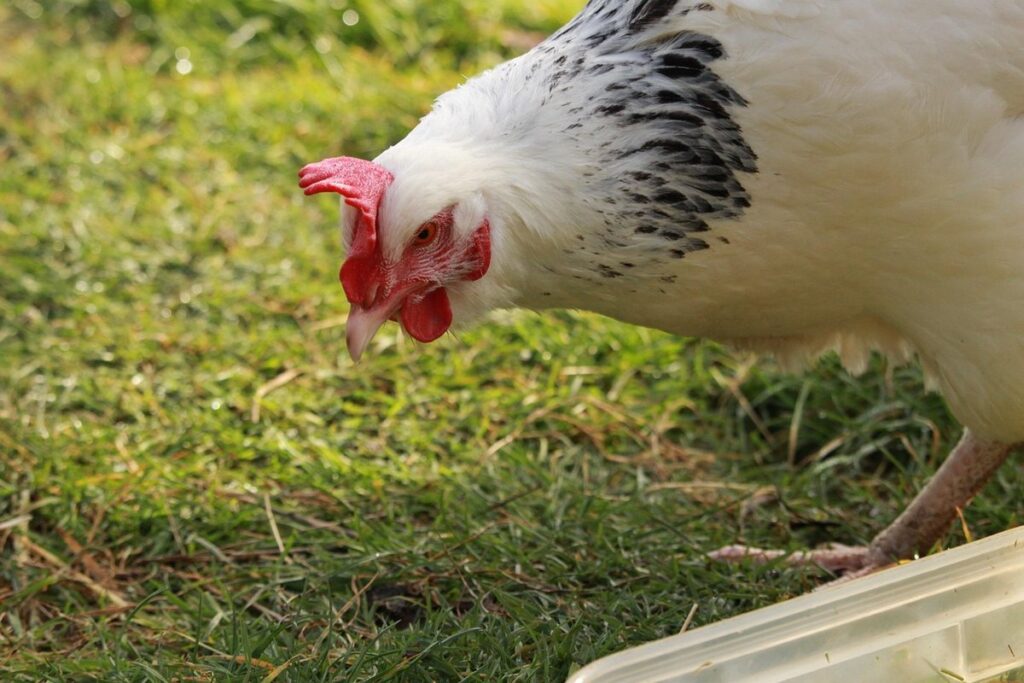
Coronation Sussex hens are easily recognizable due to their distinct physical characteristics. One of the most noticeable features is their plumage, which comes in a range of colors including brown, white, and various shades of gold. The feathers on their legs and face are also quite long, giving them a somewhat ‘feathered’ appearance.
In terms of size, Coronation Sussex hens are considered to be a medium-sized breed. They typically weigh between 6-8 pounds, making them a manageable size for backyard flocks. Their compact build is one of the reasons why they’re so popular among chicken enthusiasts.
Their beak shape is another defining characteristic of Coronation Sussex hens. They have a relatively short and broad beak, which is well-suited to pecking at grain and other food sources. Overall, the physical characteristics of Coronation Sussex hens make them a visually striking addition to any backyard flock.
Temperament and Personality Traits
Coronation Sussex hens are renowned for their exceptional temperament and personality traits. One of the most striking features of this breed is their incredible docility. They are known to be friendly, approachable, and calm, making them an excellent choice for families with children or for backyard flocks where social interaction is encouraged.
Their docility is also accompanied by a strong instinct for foraging, which means they love to explore and search for food on their own terms. This trait makes them relatively low-maintenance pets, as they can entertain themselves for hours while scratching for insects and seeds in the yard.
In practical terms, this means you can let your Coronation Sussex hens roam freely around your garden or orchard, knowing they’ll be occupied foraging and exploring rather than getting into trouble. They are also relatively quiet compared to some other breeds, which makes them a great choice if you live in close proximity to neighbors.
As with any breed of chicken, it’s essential to introduce Coronation Sussex hens to your flock gradually to ensure they integrate smoothly. By providing a safe and welcoming environment, you can help bring out the best in their temperament and personality traits.
Raising and Caring for Coronation Sussex Hens
If you’re bringing home a pair of Coronation Sussex Hens, it’s essential to understand their unique needs and requirements for optimal health and well-being. Let’s dive into the specifics of raising and caring for these charming chickens.
Choosing Healthy Chicks or Pullets
When selecting healthy chicks or pullets from a reputable breeder or supplier, it’s essential to do your research and know what to look for. A good place to start is by choosing a breeder who prioritizes health, temperament, and genetics. Look for breeders who are transparent about the parents of their birds, as well as any genetic testing that has been done.
When selecting individual birds, check for bright eyes, clean nostrils, and a shiny beak. The comb should be free of any signs of mites or lice. Check for evenness in size, plumpness, and feather quality. Make sure to handle the chicks or pullets gently to assess their temperament.
It’s also crucial to ask the breeder about health guarantees and vaccination protocols. Reputable breeders will provide you with documentation on the bird’s lineage and any relevant health clearances. Don’t be afraid to ask questions, as this will help ensure that you’re getting healthy birds that are well-suited for your flock.
When buying online, make sure to choose a reputable supplier who prioritizes shipping and handling procedures to minimize stress on the birds during transit. Be wary of extremely low prices or birds that seem too good to be true – it may be a red flag for health issues down the line.
Housing and Environment Requirements
Coronation Sussex hens have specific housing and environmental needs that are essential to their health and well-being. When it comes to space requirements, these birds need a lot of room to roam and exercise. A minimum of 2-4 square feet per bird inside the coop is recommended, but ideally, you should provide more space if possible. This will not only keep your hens happy and healthy but also prevent overcrowding, which can lead to stress and disease.
In terms of ventilation, it’s crucial to ensure that your coop has adequate airflow to keep the air fresh and clean. You can achieve this by installing windows or vents in the coop that allow for cross-ventilation. This will help remove ammonia fumes from the droppings and keep the environment healthy for your birds.
Aim to provide a total of at least 8 hours of direct sunlight per day, either through a sunny window or an outdoor run. This will help regulate their circadian rhythms and promote overall health. By providing adequate housing and environmental conditions, you’ll be giving your Coronation Sussex hens the best chance to thrive.
Nutrition and Feeding Guidelines
Coronation Sussex hens have specific nutritional needs that are crucial to their overall health and well-being. As a responsible chicken owner, it’s essential to provide them with a balanced diet that meets their requirements. These birds are dual-purpose chickens, meaning they’re raised for both eggs and meat, so they need a diet that supports their growth and productivity.
A good starting point is to offer a high-quality layer feed as the main staple of their diet. Look for feeds that contain around 16-18% protein, as this will support their egg-laying abilities. You can also supplement their diet with fresh fruits and vegetables daily, such as leafy greens, carrots, and apples. However, avoid giving them too many treats, as this can lead to obesity.
In terms of feeding schedule, Coronation Sussex hens should have access to food at all times. Divide their daily ration into two meals: one in the morning and another in the afternoon. Fresh water should always be available, and it’s a good idea to change the water frequently to ensure cleanliness. By following these guidelines, you’ll be able to provide your Coronation Sussex hens with the nutrients they need to thrive.
Health Considerations for Coronation Sussex Hens
When it comes to caring for your Coronation Sussex hens, it’s essential to be aware of their specific health needs and potential vulnerabilities. This section will cover common health considerations unique to this breed.
Common Health Issues Affecting Coronation Sussex Hens
As a Coronation Sussex hen owner, it’s essential to be aware of common health issues that can affect these beautiful birds. Respiratory problems are one such issue that can arise due to the breed’s compact and deep chest. This makes them more prone to conditions like bronchitis and pneumonia. Regular cleaning and maintenance of their coop and run will help minimize dust accumulation, which can exacerbate respiratory issues.
Another common health problem affecting Coronation Sussex hens is mites. These tiny parasites feed on the hen’s blood, causing discomfort, stress, and even anemia. Keep a close eye out for signs like excessive preening, labored breathing, or pale combs. To prevent infestations, make sure to clean your flock’s living area regularly and provide dust baths. You can also use mite-killing powders or sprays as a preventative measure.
To keep your Coronation Sussex hens healthy, it’s crucial to maintain good hygiene practices. Wash their food and water dishes frequently, and disinfect any surfaces they come into contact with. Regular health checks by a veterinarian will help identify potential issues early on, ensuring your flock stays happy and healthy.
Preventative Measures and Vaccinations
To protect your Coronation Sussex hens from disease, it’s essential to take preventative measures and vaccinations seriously. One of the most critical steps is to maintain excellent biosecurity practices on your farm or backyard flock. This includes washing your hands regularly, disinfecting equipment, and isolating new birds for a minimum of 30 days.
Vaccinations are another crucial aspect of disease prevention. Consult with a veterinarian to determine which vaccinations are necessary for your Coronation Sussex hens based on their age, health status, and local disease prevalence. Typically, core vaccines such as Newcastle Disease (ND) and Infectious Bronchitis (IB) are essential for all flocks.
In addition to these measures, ensure your birds have access to clean water and a balanced diet rich in nutrients. A healthy gut microbiome is vital in supporting the immune system, so consider adding probiotics or prebiotics to their feed.
By taking these preventative measures and vaccinations seriously, you can significantly reduce the risk of disease in your Coronation Sussex hens, ensuring they remain happy and healthy throughout their lives. Regular monitoring and veterinary check-ups will also help identify any potential health issues early on.
First Aid and Emergency Care
When it comes to Coronation Sussex hens, accidents can happen even with the best care. Knowing what to do in case of an emergency is crucial for ensuring their health and well-being. In this section, we’ll cover essential first aid and emergency care techniques specifically designed for these unique chickens.
Wound treatment is one area where vigilance is key. If you notice any signs of injury or infection on your Coronation Sussex hen’s skin, act quickly to prevent further complications. For minor cuts and scratches, clean the affected area with mild soap and water, then apply a gentle antibiotic ointment. Covering the wound with a breathable bandage can help protect it from dirt and bacteria.
When it comes to more severe injuries or shock, remain calm and follow these steps: separate your hen from the rest of the flock, keep her quiet and still in a safe area, provide plenty of fresh air and shade, and if possible, gently offer water. Monitor her closely for signs of recovery or further decline. If you’re unsure about any symptoms or suspect severe injury, consult with a veterinarian as soon as possible.
In many cases, prevention is the best medicine – take precautions to avoid accidents in the first place by keeping your Coronation Sussex hens’ living space clean and well-maintained, providing a balanced diet, and monitoring their behavior for early signs of distress.
Breeding and Showing Coronation Sussex Hens
When it comes to breeding and showing Coronation Sussex Hens, knowing what qualities make them show-worthy is essential for success in the competition. Let’s explore the characteristics that judges look for in these beautiful birds.
Breeding Principles and Practices
Breeding Coronation Sussex hens requires careful consideration of several key principles and practices. When it comes to selection, look for birds that exhibit the classic characteristics of the breed, such as a deep chestnut-red plumage with white markings on their faces and wings. You should also consider temperament, egg-laying ability, and overall health when choosing breeding stock.
In terms of mating, it’s essential to pair birds that complement each other in terms of genetics and personality. A good rule of thumb is to breed unrelated birds to avoid inbreeding, which can lead to a loss of genetic diversity and potentially harmful traits. You should also consider the sex ratio of your flock and aim for a balance between males and females.
When it comes to actual breeding, be prepared to handle multiple clutches at once, as Coronation Sussex hens are prolific layers. You’ll need to provide a safe and comfortable environment for your girls to raise their chicks, including adequate nesting boxes and a warm, draft-free area for brooding. By following these principles and practices, you can successfully breed healthy, well-adjusted Coronation Sussex hens that will thrive in your backyard flock.
Show Standards and Judging Criteria
When it comes to showing Coronation Sussex hens, understanding the show standards and judging criteria is crucial for success. The American Bantam Association (ABA) and the American Poultry Association (APA) are two prominent organizations that set standards for Coronation Sussex breeders.
According to these guidelines, a winning Coronation Sussex hen should possess excellent type, with a symmetrical and balanced body shape. Look for birds with broad chests, well-sprung ribs, and a deep breast. The feathers should be soft and silky, with a vibrant blue-gray plumage that’s free from imperfections. A rosy comb and wattle are also essential characteristics to look for.
In terms of size, Coronation Sussex hens should weigh between 2.5-3.5 pounds. Beak shape and size should be in proportion to the rest of the bird’s features. When it comes to behavior, winning birds tend to exhibit confidence and poise under the judge’s scrutiny. Keep in mind that judges often prioritize overall impression over minor flaws.
To evaluate your Coronation Sussex hen for show quality, pay close attention to its overall presentation, including posture, feather condition, and movement.
Tips for Successful Showing
When it’s time to show off your Coronation Sussex hen, preparation is key. First and foremost, make sure your bird is healthy and well-groomed. A good showing starts with a clean bill of health, so ensure your hen has been vaccinated against common diseases and is free from any underlying conditions that could impact her performance.
In the weeks leading up to the show, focus on maintaining your hen’s striking appearance through regular grooming. This includes trimming nails, cleaning ears, and brushing out feathers to bring out their natural sheen. Consider enlisting the help of an experienced breeder or groomer if you’re unsure about specific techniques.
On the day of the show, arrive early to allow time for last-minute checks and adjustments. Bring all necessary equipment, including food, water, and a clean carrier. Remember to stay calm and focused – a confident handler can make all the difference in impressing judges with your Coronation Sussex hen’s unique charm and characteristics.
When preparing your bird for the show ring, also pay attention to her temperament and trainability. A well-socialized hen that responds promptly to commands will not only showcase her beauty but also demonstrate good breeding stock potential.
Unique Aspects of Coronation Sussex Hens
One of the most interesting features of Coronation Sussex hens is their exceptional foraging ability, making them a great choice for free-range enthusiasts. Let’s take a closer look at what makes these birds so unique in this regard.
Foraging Abilities and Free-Range Suitability
One of the standout features of Coronation Sussex hens is their exceptional foraging abilities. These birds are naturally inclined to roam and search for food, making them an ideal choice for free-range or pasture-raised systems. With minimal supervision, Coronation Sussex hens can expertly navigate their surroundings, sniffing out insects, seeds, and other treats with ease.
In a free-range setting, these hens will thrive on the freedom to roam, scratch, and peck at the earth. They’ll happily forage for hours on end, providing you with an abundance of fresh eggs as a reward. If you’re new to raising chickens, it’s worth noting that Coronation Sussex hens are relatively low-maintenance when it comes to feeding. As long as they have access to a diverse range of food sources, including grasses, clover, and insects, they’ll be content and healthy.
To make the most of your Coronation Sussex hens’ foraging abilities, consider creating a rotational grazing system in your backyard or farm. This will allow you to move them to different areas of the property, ensuring that no single spot becomes overgrazed. With a little planning and creativity, you can create a harmonious relationship between these remarkable birds and their environment.
Cold Hardiness and Winter Care
Coronation Sussex hens are known for their hardiness and ability to thrive in colder climates. In fact, they originated from England’s South Downs region where winters can be quite harsh. If you live in an area with cold temperatures, don’t worry – these birds will do just fine.
To ensure your Coronation Sussex hens stay healthy during the winter months, make sure their coop is draft-free and well-insulated. You’ll also want to provide plenty of bedding material like straw or hay to keep them warm. A windbreak around the coop can also help protect them from harsh winds.
In terms of nutrition, Coronation Sussex hens require a bit more calories during the winter months due to the cold temperatures. Consider adding some extra grains or treats to their diet to keep them fueled. Additionally, make sure they have access to fresh water at all times – change it frequently to prevent freezing. By following these simple tips, your Coronation Sussex hens will thrive even in the coldest of winters.
Creative Uses for Coronation Sussex Hens
Coronation Sussex hens are not only beautiful to look at but also incredibly versatile. While their stunning appearance is a major draw for many backyard chicken keepers, these birds have much more to offer. One of the most creative uses for Coronation Sussex hens is egg production. Their eggs are medium-sized and a lovely shade of brown, making them perfect for baking and cooking.
In addition to eggs, Coronation Sussex hens can also provide meat for the table. While they may not be as large as some other breeds, their meat is tender and flavorful, making them an excellent choice for those looking to raise chickens for meat production. To get the most out of your Coronation Sussex hens’ egg-laying abilities or meat, make sure to provide a balanced diet and plenty of fresh water.
But what really sets Coronation Sussex hens apart is their entertainment value. These birds are known for their friendly, docile nature, making them perfect pets for families with children or for those who want low-maintenance companions. They’re also relatively quiet compared to other breeds, which makes them a great choice for urban backyard chicken keepers.
Conclusion
Now that you’ve learned the ins and outs of raising Coronation Sussex hens, let’s summarize the key takeaways from our comprehensive guide.
Recap of Key Points
In this comprehensive guide, we’ve covered the essential aspects of raising and caring for Coronation Sussex hens. These unique chickens boast a rich history, dating back to the 19th century, and are prized for their exceptional egg-laying abilities and friendly temperament.
To recap, Coronation Sussex hens require regular exercise and stimulation to prevent boredom and obesity. A daily routine that includes free-range time and play activities can help ensure they lead happy and healthy lives. When it comes to feeding, these birds thrive on a balanced diet of high-quality commercial feed supplemented with fresh fruits and vegetables.
In terms of housing, Coronation Sussex hens prefer spacious accommodations with adequate ventilation to keep them cool in warm weather. A well-maintained coop with nesting boxes is essential for their comfort and well-being. Regular health checks and vaccinations can help prevent diseases, such as Marek’s and Newcastle disease, which are common among backyard chicken flocks.
By following these guidelines and providing the necessary care, you’ll be able to enjoy the many benefits of raising Coronation Sussex hens on your property.
Final Thoughts and Recommendations
As you consider bringing Coronation Sussex hens into your flock, remember that these birds are not just ornamental additions to your backyard – they’re living creatures that require attention and care. With their gentle nature and striking appearance, it’s no wonder why many chicken enthusiasts fall in love with this breed.
If you’ve decided to raise Coronation Sussex hens, here are a few parting recommendations: start by ensuring your coop is spacious enough for your flock to thrive – at least 4 square feet per bird is recommended. Next, provide plenty of fresh veggies and fruits as treats, but be mindful not to overdo it – their diets should still consist mainly of high-quality layer feed.
In addition to proper care and nutrition, remember that Coronation Sussex hens are social birds and thrive in the company of other chickens. Consider introducing them to a flock of friendly birds or creating a companion hen from another breed. With patience, love, and attention, your Coronation Sussex hens will reward you with years of companionship and delicious eggs.
Frequently Asked Questions
What is the typical lifespan of Coronation Sussex hens, and can I expect them to remain healthy throughout their lives?
Coronation Sussex hens are known for their hardiness and long lifespan, typically living between 10-15 years. With proper care and attention to health considerations, many owners have reported their birds remaining active and laying eggs well into their teens.
How do Coronation Sussex hens adapt to different climates and environments? Are they suitable for small farms in colder regions?
While Coronation Sussex hens are originally from the UK, they have adapted well to various climate conditions. They are cold-hardy and can thrive in regions with cooler temperatures, making them an excellent choice for small-scale keepers in colder areas.
Can I raise Coronation Sussex hens alongside other breeds, or do they require a separate flock?
While Coronation Sussex hens can be integrated into existing flocks, it’s essential to introduce them gradually and under close supervision. This allows both breeds to adjust to each other’s temperaments and habits, ensuring a harmonious coexistence.
How often should I collect eggs from my Coronation Sussex hens, and what are some tips for maintaining their egg-laying performance?
Regular egg collection is crucial to prevent damage and promote healthy laying behavior. It’s recommended to collect eggs daily, especially during peak production seasons. To maintain their egg-laying performance, ensure your girls have access to a balanced diet, clean living conditions, and adequate space for exercise.
Are Coronation Sussex hens suitable for beginners, or do they require specialized care due to their unique characteristics?
Coronation Sussex hens are considered an excellent choice for beginner poultry keepers. Their gentle nature, hardiness, and relatively low maintenance requirements make them a great introduction to backyard chicken-keeping. However, as with any breed, it’s essential to research and understand their specific needs before bringing them home.