
Raising dual-purpose chicken breeds can be a rewarding experience for backyard flock owners, providing both eggs and meat for the family. These versatile birds have been a staple on farms for centuries, but selecting the right breed and creating an optimal environment can be overwhelming for beginners. With so many options available, it’s essential to choose a breed that suits your needs and climate.
This article will cover everything you need to know about raising dual-purpose chicken breeds. We’ll explore factors such as breed selection, optimal environmental conditions, health considerations, and tips for maximizing egg production and meat quality. Whether you’re just starting out or looking to expand your flock, this guide will help you make informed decisions and achieve success with your dual-purpose chickens. By following these expert tips, you can enjoy the benefits of having a thriving backyard flock that meets your needs.
Choosing the Right Breed
When selecting a dual purpose breed for your backyard flock, it’s essential to consider factors such as egg-laying capacity and meat production. This will help you choose breeds that suit your specific needs.
Understanding Egg Production and Meat Quality
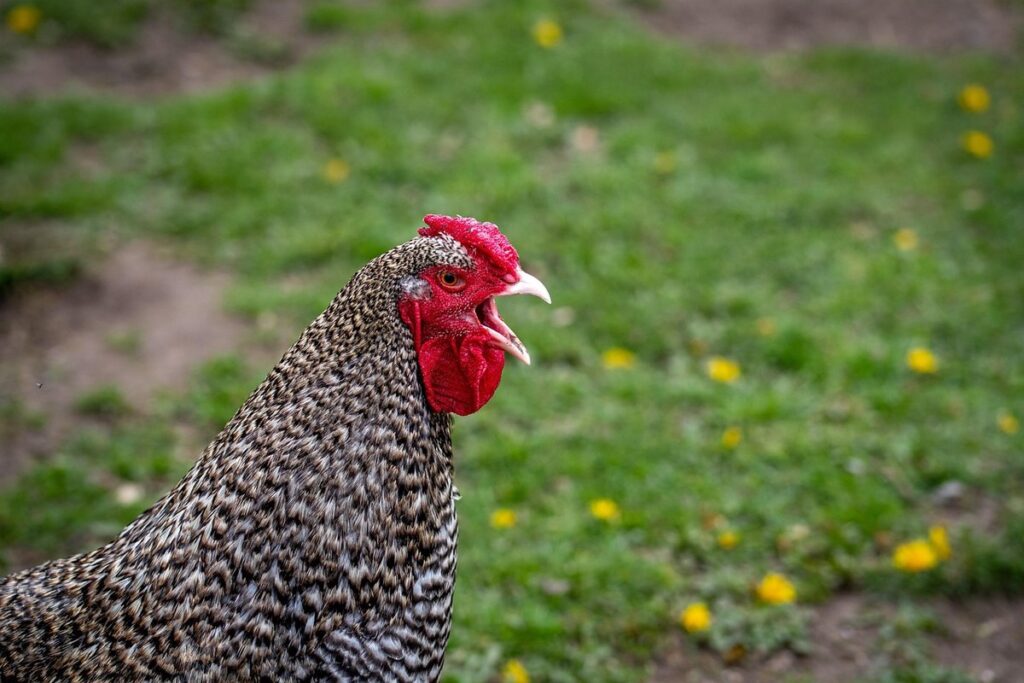
Dual-purpose breeds are known for their exceptional ability to provide both eggs and meat, making them an ideal choice for small-scale farmers and backyard chicken enthusiasts. Let’s take a closer look at the characteristics of popular dual-purpose breeds such as Barred Plymouth Rock, Wyandotte, and Brahma.
These breeds have impressive egg-laying capabilities, with some hens laying up to 200-250 brown eggs per year. For instance, the Barred Plymouth Rock is known for its high egg production, with an average of 280 large brown eggs per year. Similarly, the Wyandotte breed can produce around 180-200 light-brown eggs annually. As for meat quality, dual-purpose breeds are prized for their tender and juicy flesh. The Brahma, in particular, is renowned for its massive size and rich flavor.
When choosing a dual-purpose breed, it’s essential to consider both egg production and meat quality. If you’re looking to harvest your chickens for meat, opt for breeds like the Brahma or Wyandotte, which offer larger carcasses. On the other hand, if you prioritize egg production, the Barred Plymouth Rock might be the better choice. Regardless of the breed, make sure to provide a balanced diet and plenty of space for exercise to ensure optimal performance from your flock.
Factors to Consider When Selecting a Breed
When selecting a dual-purpose breed for your backyard flock, there are several key factors to consider. Climate tolerance is one of the most critical considerations, as different breeds thrive in various weather conditions. For example, if you live in a hot and humid climate, you’ll want to choose a breed that’s adapted to heat stress, such as the Plymouth Rock or Brahma. On the other hand, if you live in a cold climate, a hardy breed like the Wyandotte or Orpington will do well.
Feed efficiency is another essential consideration. Some breeds are more efficient converters of feed into eggs and meat than others. The Leghorn, for instance, is known for its high egg production but requires more feed to maintain. In contrast, the Rhode Island Red is a better choice if you’re looking for a breed that’s both productive and feed-efficient.
Temperament also plays a significant role in selecting a dual-purpose breed. If you have children or other pets around your flock, it’s essential to choose a breed known for its friendly and docile nature, such as the Buff Orpington or the Australorp. Avoid breeds with aggressive tendencies, which can lead to problems down the line.
Ultimately, when choosing a dual-purpose breed, consider your specific climate, management style, and goals for your flock. By doing so, you’ll be well on your way to selecting a breed that meets your needs and provides years of productive service.
Creating an Optimal Environment
To raise healthy and productive dual purpose chicken breeds, it’s essential to create a suitable environment that meets their unique needs. Let’s dive into creating an optimal space for your flock.
Providing Adequate Housing and Space
When it comes to raising dual purpose chicken breeds, providing adequate housing and space is crucial for their health, happiness, and productivity. A well-designed coop and run can make all the difference in keeping your flock safe, happy, and healthy.
First and foremost, ensure that your coop provides sufficient ventilation to prevent ammonia buildup from droppings. Aim for at least 2-3 square feet of ventilation per chicken inside the coop. You can achieve this through windows, vents, or a solar-powered vent opener. Consider installing a roof overhang to protect the run from wind-driven rain and snow.
When it comes to lighting, ensure that your coop has adequate natural light during the day. If you live in an area with limited daylight hours, consider adding supplemental lighting inside the coop to maintain a 14-hour day-night cycle. This will help regulate your chickens’ circadian rhythms and encourage egg production.
In terms of space, a good rule of thumb is to provide at least 2-4 square feet per chicken inside the coop and 8-10 square feet in the run. However, more space is always better, so don’t be afraid to add extra features like nesting boxes, roosts, and dust baths.
Remember, a happy and healthy flock starts with providing them with a safe and comfortable environment. By considering these design considerations for your coop and run, you’ll be well on your way to raising dual purpose chicken breeds that thrive and produce high-quality eggs.
Nutrition and Hydration Needs
When it comes to raising dual-purpose chickens, providing them with optimal nutrition and hydration is crucial for their growth, health, and productivity. These birds are bred for both meat and egg production, so they require a balanced diet that meets their specific nutritional needs.
A good starting point is to ensure your flock has access to clean water at all times. Chickens need about 1-2% of their body weight in water per day, so if you have a chicken weighing around 5 pounds (2.3 kg), they’ll need approximately one gallon (4 liters) of water daily. To keep the water fresh and clean, change it frequently, ideally once a day, and ensure the waterer is placed away from drafts to prevent contamination.
In terms of nutrition, dual-purpose chickens require a diet rich in protein, especially during their growing phase. A good quality layer feed or starter-grower feed should provide around 16-18% protein content. Additionally, calcium is essential for strong eggshell production and bone growth, so supplementing with crushed oyster shells or dolomitic limestone can be beneficial.
When feeding your flock, make sure to provide a balanced mix of grains, proteins, and minerals. You can also consider adding fresh fruits and vegetables to their diet, but do this in moderation as excessive consumption can lead to health issues.
Health Considerations
When raising dual purpose chicken breeds, it’s essential to consider their specific health needs and take proactive steps to prevent common illnesses. This includes monitoring for parasites, diseases, and nutritional deficiencies.
Common Health Issues in Dual-Purpose Breeds
Dual-purpose breeds are known for their hardiness and robust health, but like all chicken breeds, they can still be prone to certain health issues. Marek’s disease is a major concern in many dual-purpose flocks, caused by a herpesvirus that attacks the nervous system and weakens the immune system. To prevent Marek’s disease, make sure your flock has access to clean water, nutritious feed, and adequate ventilation.
Bronchitis is another common health issue in dual-purpose breeds, often caused by poor air quality or inadequate exercise. To prevent bronchitis, ensure your chickens have plenty of space to move around and engage in physical activity, and provide regular dust baths to help remove mites and other parasites from their feathers. Regular cleaning of the coop and run is also essential to maintain good air quality.
Parasites are another common problem in dual-purpose flocks, including internal worms, external lice, and mites. To prevent parasite infestations, keep a close eye on your flock’s health, and perform regular checks for signs of parasites such as excessive scratching or droppings. Regular cleaning and disinfection of the coop and run will also help to prevent parasite infestations.
By being aware of these common health issues and taking steps to prevent them, you can help keep your dual-purpose flock healthy and thriving.
Vaccination and Biosecurity Protocols
When it comes to raising dual purpose chicken breeds, maintaining the health and well-being of your flock is crucial. One key aspect of flock health is vaccination programs and biosecurity measures. These protocols are designed to protect against diseases that can spread quickly through a flock, causing significant losses in terms of egg production, meat quality, and even bird life.
To implement effective vaccination programs, it’s essential to work closely with a veterinarian who specializes in poultry health. They will help you develop a tailored vaccination schedule based on the specific needs of your dual purpose chicken breed. For example, if you’re raising Leghorns or Rhode Island Reds, they may require vaccinations against diseases such as Marek’s disease and Newcastle disease.
Some essential biosecurity measures include:
* Implementing strict cleaning and disinfection protocols for coops and run areas
* Limiting human interaction with the flock to prevent the introduction of external pathogens
* Quarantining new birds before integrating them into the main flock
* Regularly monitoring bird health and reporting any signs of illness to your veterinarian promptly
By investing time and effort into vaccination programs and biosecurity measures, you can significantly reduce the risk of disease outbreaks and maintain a healthy, thriving flock.
Management Strategies
Effective management is key to raising healthy and productive dual purpose chicken breeds, which means creating a well-planned schedule for their daily care. This section will walk you through some practical strategies to make that happen.
Flock Size and Social Structure
When it comes to raising dual-purpose chicken breeds, managing your flock’s size and social structure is crucial for their overall health, productivity, and well-being. A diverse flock with a balanced social hierarchy can help prevent stress, aggression, and disease.
Optimal flock sizes vary depending on the breed and available space, but a good rule of thumb is to maintain 5-10 birds per square foot of coop space. For example, if you have a 4×8 foot coop, aim for a flock size of around 20-40 dual-purpose breeds. This allows each bird enough room to roam, exercise, and engage in natural behaviors without overcrowding.
Maintaining a diverse social structure within your flock is also essential. Introduce birds from different breed groups or origins to create a dynamic mix of personalities, ages, and abilities. This can help reduce aggression and stress by providing multiple roles for each bird, such as dominant leaders, foragers, and nesting specialists.
Rationing and Feeding Practices
When it comes to raising dual-purpose chicken breeds, providing them with a balanced diet is crucial for their growth and productivity. One of the most effective ways to create a balanced ration is by using locally sourced feed ingredients. This not only supports local farmers but also ensures that your flock receives fresh, nutrient-rich food.
To get started, you’ll need to determine the nutritional requirements of your specific breed. Research the recommended levels of protein, calcium, and other essential nutrients for growth and egg production. Then, source local feeds such as grains like oats or barley, and supplement with vitamin and mineral-rich ingredients like alfalfa meal or oyster shells.
Some important tips when creating a balanced ration include:
* Calculating the ideal ratio of protein to energy (P:E) to ensure optimal growth rates
* Avoiding over-supplementation with vitamins and minerals that can be toxic in excess
* Monitoring your flock’s response to changes in their diet to adjust as needed
By taking a thoughtful approach to feeding, you’ll not only improve the health and productivity of your dual-purpose chickens but also save money on feed costs.
Harvesting and Processing
Now that you’ve raised a healthy flock, it’s time to reap the rewards of your labor by harvesting eggs and meat from your dual purpose chickens. This section will walk you through the process step-by-step.
Butchering and Meat Quality Control
When it’s time to harvest your dual-purpose chickens, proper handling and storage practices are crucial for maintaining meat quality. The goal is to minimize stress on the birds, which can lead to a better eating experience. Begin by ensuring you have all necessary equipment, including sharp knives, gloves, and a clean working area.
As you approach the bird, move slowly and calmly to avoid startling it. Grasp the bird firmly but gently, making sure not to constrict its airway or cause unnecessary discomfort. Use a swift, downward motion to decapitate the bird, followed by a cut to sever the spinal cord. This will ensure humane euthanasia.
Proper storage is equally important for maintaining quality. Store your freshly harvested meat in a cool, well-ventilated area at 40°F (4°C) or below. Wrap individual cuts in breathable packaging, such as paper or mesh bags, and store them in sealed containers to prevent contamination. This will help preserve the natural flavors and textures of the meat.
Remember, the quality of your harvest directly affects the flavor and safety of the meat. Take the time to do it right, and you’ll be rewarded with a delicious and satisfying meal.
Egg Production and Collection
When it comes to collecting eggs from your dual purpose chicken flock, you’ll want to ensure that this process is efficient, safe, and gentle on the birds. A well-designed nesting box is crucial for encouraging hens to lay their eggs in a clean and secure environment.
Ideally, each hen should have her own dedicated nesting box, providing around 3-4 square feet of space per bird. The nesting box should be dark, quiet, and at a comfortable height for the birds to enter and exit easily. A roof or canopy above the box helps to reduce light penetration and prevent hens from roosting there.
When it comes to egg washing procedures, you’ll want to clean your eggs gently to remove any dirt or debris that may have accumulated during collection. Use cold water and a soft-bristled brush to wipe away any dirt or stains. For particularly dirty eggs, a mild soap solution can be used, but ensure it’s rinsed thoroughly to prevent any residue from affecting the egg’s quality.
Regularly cleaning and disinfecting your nesting boxes is essential for maintaining a healthy flock and preventing disease transmission. Aim to collect eggs daily, if possible, to reduce the risk of breakage or contamination.
Conclusion and Future Directions
As you wrap up your dual purpose chicken breeding journey, let’s discuss key takeaways and consider future directions to continue improving your flock.
Recap of Key Takeaways
As you’ve made it through this comprehensive guide on raising dual purpose chicken breeds, let’s recap the key takeaways to ensure you’re well-equipped to start or continue successfully raising these wonderful birds.
First and foremost, understanding the characteristics of a dual purpose breed is crucial. These birds are bred for both egg production and meat quality, making them ideal for homesteads, small farms, or even urban backyard flocks. Key traits include moderate egg-laying capacity, sturdy build, and often a more docile temperament.
When selecting a dual purpose breed, consider factors like climate adaptability, disease resistance, and nutrient requirements. For instance, if you live in an area with extreme temperatures, choose breeds known for their hardiness, such as the Brahma or Cochin. Similarly, if you’re concerned about disease susceptibility, look into breeds with natural immunity, like the Wyandotte.
Nutrition and feeding are essential aspects of dual purpose breed management. A balanced diet rich in protein, calcium, and other essential nutrients is vital for optimal health and egg production. Aim to provide 16-18% protein feed for layers and adjust according to age, sex, and season. Don’t forget to offer supplements like oyster shells or crushed eggshells to promote strong bones.
Health and welfare should always be a top priority. Regular veterinary check-ups, parasite control measures, and monitoring for signs of stress or disease will help keep your flock thriving. Lastly, remember the importance of proper coop design, ventilation, and sanitation to maintain a healthy environment.
By following these guidelines and taking into account your specific climate, resources, and needs, you’ll be well on your way to successfully raising dual purpose chicken breeds that provide both eggs and meat for your family or customers.
Frequently Asked Questions
Can I raise dual-purpose chickens in a small backyard or apartment balcony?
Yes, it’s possible to raise dual-purpose chickens in a small space with proper planning and care. Consider using vertical coops or converting an existing shed into a chicken house. Ensure you have enough space for your birds to move around comfortably and access fresh air and sunlight.
What are some common health issues I should watch out for in my dual-purpose flock?
Common health issues in dual-purpose breeds include respiratory problems, parasites, and diseases like avian influenza and Marek’s disease. Regularly inspect your birds’ living conditions, feed them a balanced diet, and maintain proper hygiene practices to prevent these issues.
How do I determine the optimal flock size for my backyard chickens?
Determining the right flock size depends on several factors, including available space, feeding capacity, and local regulations. A general rule of thumb is to start with 3-5 birds and gradually increase as you gain experience and confidence in managing your flock.
Can I breed dual-purpose chickens myself or should I purchase chicks from a reputable supplier?
While it’s possible to breed dual-purpose chickens yourself, it requires extensive knowledge and experience in poultry breeding. Unless you have prior experience, it’s recommended to purchase high-quality chicks from a reputable supplier to ensure you’re starting with healthy birds.
How often should I collect eggs from my backyard flock to prevent damage and keep them fresh?
Collecting eggs regularly is essential to maintain the health of your hens and keep their eggs clean. Collect eggs at least once a day, making sure to handle them gently to avoid cracking or breaking them. Clean and disinfect the nesting boxes daily to maintain hygiene standards.