
Raising ducklings can be an exciting experience, but as they grow, their needs change. One crucial aspect to consider is introducing them to deep water safely. Not only does this provide essential nutrition in the form of aquatic plants and insects, but it also encourages natural behaviors like foraging and swimming. However, creating a safe and stimulating deep water environment requires careful planning. This includes selecting the right pool or pond size, installing safety features such as fencing and ladders, and teaching your ducklings how to navigate the water confidently. In this article, we’ll explore the importance of deep water for ducklings, discuss essential nutrition and safety considerations, and provide training techniques to ensure a successful transition from shallow to deeper waters.
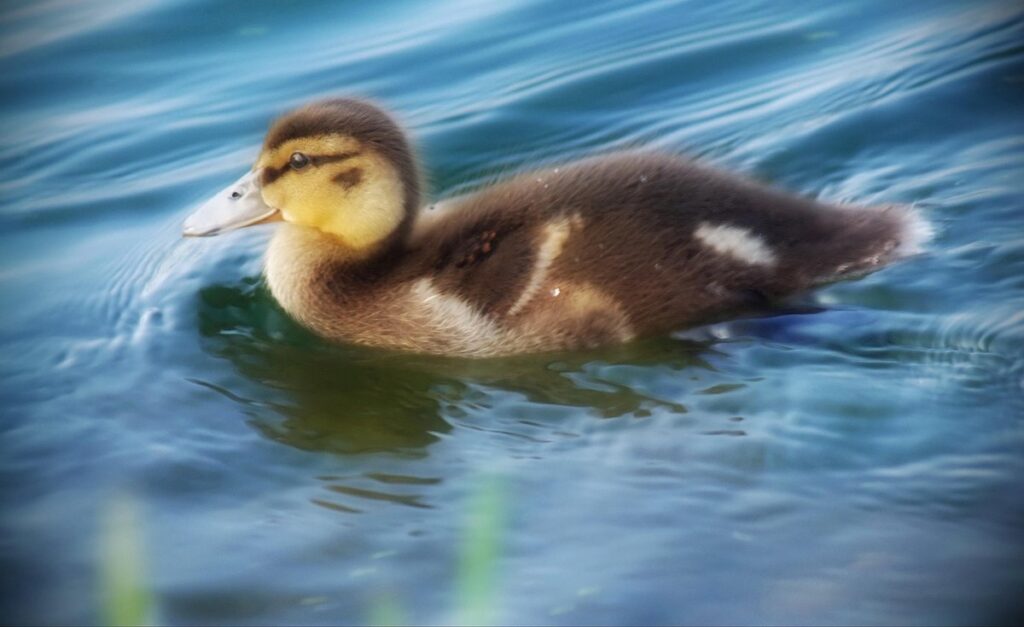
Understanding Duckling Development and Deep Water Needs
To raise healthy ducklings, it’s essential to understand their unique developmental needs, particularly when it comes to deep water exposure from a young age.
Stage 1: Imprinting and Initial Swimming (0-7 Days)
Within the first week of life, ducklings undergo rapid development and begin to imprint on their mother. This critical bonding process sets the stage for their entire lives, as imprinted ducklings will follow their mother’s lead in search of food, shelter, and water. As they start to develop their swimming skills, access to deep water becomes essential.
Between 0-7 days old, ducklings take their first tentative dips into water, learning to paddle and eventually dive. Without deep water available, these initial swimming attempts can be hazardous, as the young birds may exhaust themselves trying to stay afloat or even drown. In contrast, a pool of at least 2 feet deep allows them to explore and practice swimming without risk.
It’s crucial to provide a safe, deep-water environment for your ducklings during this stage, as it will help them build confidence and develop essential survival skills.
Why Deep Water is Crucial for Early Growth
Providing deep water for young ducklings is crucial for their early growth and development. One of the primary benefits is improved muscle development. When ducklings are submerged in deep water, they use their muscles to paddle and maneuver, which helps build strength and endurance. This is especially important during the first few weeks of life when ducklings are learning to swim and navigate their surroundings.
In addition to muscle development, deep water also increases energy expenditure for ducklings. As they swim and play in the water, they burn off excess energy, which helps regulate their metabolism and prevent obesity. According to a study by the USDA, ducks that have access to deep water tend to be more active and have lower body fat percentages than those raised on shallow water.
Lastly, providing deep water reduces the risk of disease for ducklings. When ducklings are submerged in water, they are less likely to contract respiratory infections, such as pneumonia, which can be fatal if left untreated. In fact, a study by the Journal of Applied Poultry Research found that ducks raised in groups with access to deep water had significantly lower incidence rates of respiratory disease compared to those raised on shallow water. By providing your ducklings with deep water, you’ll give them a strong foundation for growth and reduce their risk of developing serious health issues.
Creating a Safe and Stimulating Environment
Creating a safe and stimulating environment is crucial for your ducklings’ development, so let’s explore some practical tips to get it just right. This will involve both designing their habitat and establishing a routine.
Designing a Suitable Pond or Pool (Size, Depth, and Safety Features)
When creating a safe and stimulating environment for your ducklings, designing a suitable pond or pool is crucial. The size, depth, and safety features of the enclosure will play a significant role in ensuring their health and well-being.
A minimum water depth of 12-18 inches (30-45 cm) is recommended to prevent ducklings from easily swimming out of the pool or drowning. However, it’s essential to consider the size of your flock when determining the overall size of the pond or pool. A general rule of thumb is to provide a minimum of 2 square feet (0.18 square meters) per bird.
In addition to sufficient depth and space, safety features such as fencing and netting are also vital. Fencing should be at least 3 feet (90 cm) high to prevent predators from accessing the pool. Netting can also help protect your ducklings from strong winds or falling debris that could potentially harm them. It’s recommended to install a secure cover over the pond or pool when not in use to prevent accidental drowning and keep out wildlife.
When selecting or designing a pond or pool, remember that it should be escape-proof, predator-proof, and protected from extreme weather conditions. This will provide your ducklings with a safe environment to grow and thrive in.
Maintaining Clean and Safe Water Conditions
Maintaining clean and safe water conditions is crucial for ducklings to grow and thrive. As their primary source of hydration, it’s essential to ensure the water quality meets their needs. Regular cleaning is vital to prevent bacterial growth and keep the water free from debris. Change the water completely every 2-3 days, making sure to scrub any equipment with a mild detergent.
Testing and monitoring water parameters are equally important. pH levels should be between 6.5 and 7.5, while ammonia levels should remain below 0.25 ppm. Bacterial counts can be checked using a pet store test kit. Keep a close eye on these readings, adjusting the water quality as necessary to prevent harm to your ducklings.
In addition to regular testing, perform a thorough cleaning of the enclosure every week. Remove any uneaten food or debris from the water and surrounding area. Consider implementing a routine where you manually skim the top layer of the water daily to remove algae growth and maintain clarity.
Feeding and Nutrition in Deep Water Environments
When it comes to raising healthy ducklings, feeding and nutrition play a crucial role in their growth and development, especially when introduced to deep water. We’ll cover essential tips for providing the right balance of food and water.
Nutritional Requirements for Ducklings in Deep Water
When raising ducklings in deep water environments, it’s crucial to provide them with a balanced diet that meets their unique nutritional requirements. Young ducklings need a high concentration of protein and energy-rich foods to support rapid growth and development. A suitable diet should consist of 20-25% protein content, including ingredients such as fermented feed, mealworms, or insect-based proteins.
Crucial vitamins like vitamin E and C are essential for the development of young ducklings’ immune systems. Vitamin A is also vital for healthy vision and skin development. In a deep water environment, it’s often challenging to provide adequate access to sunlight, which can lead to vitamin D deficiency. Supplementing their diet with commercial poultry feed that contains these essential vitamins will help prevent deficiencies.
To ensure optimal nutrition, ducklings in deep water should be provided with regular supplements of fresh vegetables and fruits, such as leafy greens, carrots, or berries. These nutrient-rich foods not only promote healthy digestion but also support overall well-being.
Strategies for Feeding Ducklings in Deep Water (Floating Feeders, etc.)
When it comes to feeding ducklings in deep water environments, you’ll want to use methods that prevent waste and minimize stress on the young birds. One popular option is floating feeders. These devices allow food to float just below the surface of the water, making it easy for ducklings to access without having to wade through the deep water.
Automated feeding systems are also an excellent choice for deep water environments. These systems dispense food at regular intervals, eliminating the need for manual feeding and reducing waste. Some automated feeders even come equipped with sensors that detect when a certain amount of food has been consumed, allowing you to adjust the amount dispensed as needed.
If you prefer to use a more manual approach, you can also try placing food on the water’s surface or along the edges of the pool. This method works best for small groups of ducklings and requires regular monitoring to ensure the birds are getting enough to eat. Whatever feeding method you choose, make sure it’s designed specifically with deep water environments in mind to prevent complications for your young charges.
Challenges and Considerations
Raising ducklings can be a fun and rewarding experience, but it’s not without its challenges. This section will help you navigate some of the key considerations when introducing deep water to your young birds.
Managing Risks Associated with Deep Water (Drowning, Escapes)
When it comes to raising ducklings in deep water, there are potential risks that need to be addressed. One of the most significant concerns is drowning. Young ducklings can easily get trapped underwater and exhaust themselves trying to swim back to the surface. This is why constant supervision is crucial when introducing your ducklings to a pond or pool. Keep a close eye on them, especially in the first few days, to ensure they’re not struggling.
Another risk is escape attempts. If your fencing isn’t sturdy or secure enough, ducklings can easily slip through and get lost. To prevent this, make sure your enclosure has a strong fence that’s at least 3 feet high, with no gaps or holes for them to squeeze through. Consider adding chicken wire around the bottom of the fence to catch any stray birds.
Having an emergency preparedness plan in place is also vital. Keep a phone nearby and have a first-aid kit on hand in case of any accidents. Always have a rescue plan in place, whether it’s having a net ready or knowing the nearest animal hospital.
Balancing Deep Water Access with Duckling Health
Providing deep water access is essential for ducklings’ exercise and physical development. However, it’s equally crucial to ensure they don’t spend too much time immersed in cold water, which can lead to health issues.
Prolonged exposure to cold water can cause hypothermia in ducklings. Their tiny bodies struggle to regulate their body temperature, making them susceptible to this condition. For instance, a study by the Poultry Science Journal found that ducklings exposed to temperatures below 40°F (4°C) for extended periods experienced significant declines in growth rate and feed efficiency.
To strike a balance between deep water access and duckling health, consider the following:
* Create shallow areas where ducklings can easily exit the deep pool
* Monitor water temperature regularly, aiming for above 50°F (10°C)
* Limit deep water exposure to short intervals, around 15-20 minutes at a time
* Ensure adequate shelter from wind and rain to prevent rapid heat loss
By implementing these measures, you can provide your ducklings with the benefits of deep water exercise while minimizing the risks associated with cold temperatures.
Advanced Care and Training Techniques
As you progress in raising healthy ducklings, it’s essential to explore advanced care techniques that help them develop swimming skills and build confidence in deeper water. We’ll dive into expert methods for achieving this milestone.
Training Ducklings to Swim Safely and Efficiently
When introducing ducklings to deep water, it’s essential to focus on training methods that promote confidence and safety. A gradual exposure approach is recommended, where you start with shallow water and gradually increase the depth over time. This allows ducklings to become comfortable with the sensation of buoyancy before being overwhelmed by deeper waters.
To reinforce this learning process, use positive reinforcement techniques such as offering treats or toys near the water’s edge. This encourages ducklings to associate the water with rewarding experiences. Safety drills are also crucial in teaching ducklings essential survival skills, such as paddling and diving.
For example, place a few treats on a floating object just beneath the surface of the water. As the ducklings swim towards it, they’ll naturally learn how to navigate the water’s edge without feeling anxious or overwhelmed. With patience and consistent training, your ducklings will become confident swimmers in no time.
Tips for Transitioning Ducks from Deep Water to Land-Based Environments
When it’s time to transition your ducklings from deep water environments to land-based habitats, it’s essential to do so gradually and thoughtfully. A sudden change can be stressful for the birds, leading to health issues and even death.
First, assess the size of your habitat. Ensure that it provides enough space for your ducks to move around comfortably on land. Aim for a minimum of 2-3 square feet per duck, considering their adult size. If you’re transitioning from a large pool, divide the space into smaller areas with shallow water and dry zones.
Provide shelter and shade for your ducks as they adapt to their new surroundings. Use enclosures or netting to protect them from predators and harsh weather conditions. Incorporate exercise opportunities by incorporating land-based activities such as scratching posts, dust baths, and foraging areas.
When introducing your ducklings to the new environment, start with short periods on land (10-15 minutes) before returning them to deep water. Gradually increase the time spent on land over several days or weeks. Be mindful of weather conditions, temperature fluctuations, and humidity levels when making this transition.
Frequently Asked Questions
What is the ideal age to introduce ducklings to deep water for the first time?
Introducing ducklings too early can be challenging, but typically around 7-10 days old is a good starting point. Ensure they are stable on their legs and have had some swimming practice in shallow waters beforehand. A gradual introduction to deeper areas will allow them to adapt naturally.
How do I know if my pond or pool is suitable for ducklings?
Consider the water depth, size, and safety features when choosing a deep water area. Aim for at least 2-3 feet of water depth to ensure ducklings can swim comfortably. Install fencing around the perimeter to prevent escapes and ensure easy access with ladders or ramps.
What are some common mistakes to avoid when teaching ducklings to navigate deep water?
Be cautious not to overwhelm them with too much space or complex features, as this may cause confusion or anxiety. Start by introducing shallow areas first and gradually increase depth, allowing them to become accustomed to the new environment at their own pace.
How can I maintain clean and safe water conditions in a pond or pool for my ducklings?
Regularly test water quality, removing any debris or waste that accumulates. Use a skimmer or net to keep the surface clear of algae or insects, which can harbor bacteria or parasites harmful to your flock.
Can I raise ducklings in an indoor pool or a kiddie pool as an alternative to outdoor ponds or pools?
Yes, with careful planning and execution, you can create a safe and healthy environment for your ducklings indoors. However, ensure the pool is at least 2-3 feet deep and has proper ventilation to maintain air quality, as ducklings produce waste and ammonia levels can quickly become hazardous.