
Are you considering raising ducks in your backyard but wondering if they’re worth the effort? Let me tell you, with their rich, nutritious eggs and playful personalities, ducks can be a fantastic addition to any homestead or small farm. Not only do duck eggs offer a unique taste experience, but they also pack more nutrients than chicken eggs! If you’re new to raising ducks for egg production, it can seem overwhelming to get started. But don’t worry, this article is here to guide you through the process.
We’ll cover everything from selecting the right breed for your needs to setting up a healthy environment that promotes strong egg-laying habits. We’ll also delve into important health considerations and provide tips on how to minimize stress and keep your flock thriving. Whether you’re an experienced farmer or just starting out, this comprehensive guide will walk you through the ins and outs of raising ducks for duck eggs.
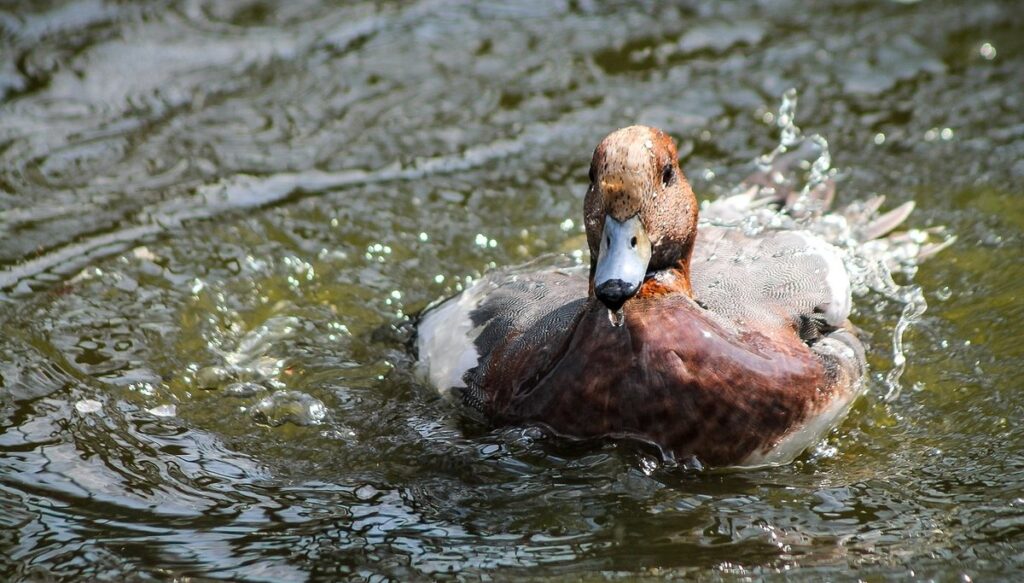
Choosing the Right Duck Breed
When selecting a duck breed for egg production, it’s essential to consider factors such as laying capacity and temperament to ensure you find the right fit for your flock.
Considering Temperament and Size
When it comes to choosing the right duck breed for egg production, temperament and size are crucial factors to consider. You’ll want ducks that are friendly, easy-going, and not too aggressive, as they will be living on your property and interacting with you regularly.
The Khaki Campbell is a popular choice among backyard duck keepers due to its friendly and docile nature. They’re also excellent egg producers, laying an average of 300 eggs per year. On the other hand, Indian Runners are known for their high energy levels and can be more challenging to manage, especially if you have small children or pets around.
Muscovy ducks, on the other hand, are a bit larger than other breeds and can be quite territorial. They’re not as social as other duck breeds and may require separate housing and feeding arrangements. When selecting a breed, consider your available space, feed budget, and personal preferences for temperament.
Evaluating Egg-Laying Capacity
When evaluating egg-laying capacity, it’s essential to consider the average annual production and peak laying periods of each breed. Some popular breeds for egg production, like Leghorns, can lay up to 300 eggs per year, while others, such as Khaki Campbells, may produce around 200-250 eggs annually. It’s also crucial to note that these numbers are not always consistent and can be affected by various factors.
Nutrition plays a significant role in determining a duck’s egg-laying performance. A balanced diet rich in protein, calcium, and other essential nutrients is vital for optimal production. For example, a study found that ducks fed with a diet containing 18% protein produced more eggs than those fed with a lower-protein diet. Similarly, health issues such as mites, respiratory problems, or diseases can significantly impact egg production.
Environmental conditions also affect a duck’s egg-laying capacity. For instance, providing adequate shelter, ventilation, and light exposure is essential for maintaining optimal production levels. You should aim to provide at least 10-12 hours of daylight per day and ensure that the coop remains clean and dry. By considering these factors, you can make informed decisions about which breed to choose for your egg-laying needs.
Building a Duck-Friendly Environment
To create a happy and healthy home for your feathered friends, it’s essential to build an environment that meets their specific needs. This includes providing shelter, water features, and space for exercise and exploration.
Creating an Ideal Living Space
When creating an ideal living space for your ducks, it’s essential to prioritize their comfort, health, and happiness. A well-designed enclosure will not only encourage egg production but also enhance the overall quality of life for your feathered friends.
To start, ensure that your duck enclosure is spacious enough to accommodate a healthy number of birds. Aim for at least 4-5 square feet per bird inside the coop, and double this space in the run or outdoor area. This will give them room to move around, stretch their wings, and exercise.
Nesting boxes are another crucial component of your duck’s living space. Install one nesting box per 3-4 hens, and position it at a comfortable height to encourage easy egg-laying. Don’t forget to add some perches for your ducks to roost on – about 2-3 feet off the ground is ideal.
Adequate ventilation is also vital to keep your duck’s living space clean and free from ammonia fumes. Add windows, vents, or a whole-house fan to ensure good airflow. Finally, consider adding a feeding area with a water source nearby to make mealtime efficient and convenient for both you and your ducks.
Providing Adequate Nutrition and Hydration
Ducks have unique nutritional needs that must be met to ensure optimal egg production. A balanced diet is crucial for maintaining their health and reproductive performance. For layer ducks, a high-quality commercial feed specifically formulated for laying hens should form the foundation of their diet. These feeds are usually available in pellets or mash form and contain all the necessary nutrients for egg production.
In addition to a balanced commercial feed, supplementing with fresh fruits and vegetables can provide essential vitamins and minerals. Leafy greens such as kale and spinach, as well as carrots and apples, make excellent additions to their diet. However, it’s essential to introduce new foods gradually to prevent digestive upset.
Access to clean water is also vital for maintaining the health of your ducks. A minimum of one gallon per duck should be provided daily, and the water should be changed regularly to prevent bacterial growth. By providing a nutritious diet and access to fresh water, you can help ensure optimal egg production and a healthy flock.
Health Considerations for Egg-Laying Ducks
When it comes to raising ducks for egg production, ensuring their health is paramount. Proper care and attention will directly impact your flock’s overall well-being and egg-laying performance.
Identifying Common Health Issues
As an egg producer, it’s essential to be aware of common health issues that can affect your flock. Respiratory infections are a significant concern, particularly in young ducks. Symptoms may include labored breathing, coughing, and lethargy. To treat respiratory infections, you can administer antibiotics or antimicrobial medications under the guidance of a veterinarian.
Parasites such as mites, lice, and fleas can also infest your duck flock, leading to discomfort and reduced egg production. Regular cleaning and disinfection of coops and enclosures, along with monitoring for signs of parasite infestation, can help prevent these issues. You should also ensure that your ducks have access to clean water and a balanced diet.
Reproductive disorders are another concern for egg-laying ducks. Egg binding, where an egg becomes stuck in the hen’s reproductive tract, is one example. To minimize the risk of reproductive problems, provide your ducks with a nutrient-rich diet and maintain a stress-free environment.
Regular health checks by a veterinarian can help identify potential issues early on, allowing you to take preventative measures and ensure your flock remains healthy and productive.
Vaccination and Biosecurity Protocols
As an egg producer, maintaining a healthy flock is crucial to ensure consistent and high-quality egg production. Vaccination plays a vital role in protecting your ducks from key diseases such as Marek’s disease, which can lead to significant losses if left unchecked. Consult with a veterinarian to determine the best vaccination schedule for your birds.
Preventing cross-contamination between birds and with other animals or humans is equally important. This includes washing hands thoroughly before handling ducks, sanitizing equipment and surfaces regularly, and keeping the coop clean and organized. A dirty coop can harbor diseases and parasites that can spread quickly among the flock.
To prevent contamination, establish a strict cleaning schedule for your coop, including daily removal of soiled bedding, regular disinfection of feeders and waterers, and thorough cleaning of nesting boxes. This will not only keep your ducks healthy but also reduce the risk of disease transmission to humans and other animals on the farm.
Integrating Ducks into Your Farm or Homestead
If you’re new to raising ducks, integrating them into your farm or homestead can seem daunting, but with a little planning, it’s easier than you think. Let’s explore how to smoothly incorporate these wonderful birds onto your property.
Balancing Egg Production with Other Livestock
When integrating ducks into your existing farm or homestead operation for egg production, it’s essential to balance their needs with those of other livestock. One key consideration is feed management. Ducks require a balanced diet rich in protein and calcium to produce eggs efficiently. You can supplement their commercial duck feed with fruits, vegetables, and grains to enhance egg quality.
However, ensure that your existing farm or homestead operations don’t overlap or compete with the ducks’ dietary needs. For example, if you’re raising chickens for meat or eggs, their feed might not provide enough protein for the ducks. Conversely, if you’re growing crops like corn or wheat, you can use these as a nutritious feed supplement for your ducks.
To optimize space management, consider assigning a separate area for your duck flock. This will prevent competition with other livestock for resources and minimize stress on both species. Regular cleaning of this area is also crucial to maintain good health and egg-laying performance in the ducks.
Marketing and Selling Duck Eggs
When it comes to marketing and selling duck eggs, you have a unique opportunity to differentiate yourself from chicken egg producers. One of the key value propositions of duck eggs is their richer nutrition profile. With higher levels of iron, protein, and omega-3 fatty acids, duck eggs are a sought-after alternative for health-conscious consumers.
To tap into this demand, consider highlighting these nutritional benefits on your website or social media channels. You could also offer tastings or samples to showcase the distinct flavor of duck eggs, which many describe as buttery and rich.
In terms of sales channels, you can start by selling directly to local customers through farmers’ markets, community-supported agriculture (CSA) programs, or farm stands. You may need to check with your local health department for any regulations on selling raw eggs, but many jurisdictions allow for direct-to-consumer sales.
Online marketplaces like Craigslist or Facebook Marketplace can also be effective platforms for reaching a wider audience.
Conclusion: Raising Ducks for Egg Production Success
Now that you’ve learned the ins and outs of raising ducks for egg production, let’s summarize the key takeaways from our guide to ensure your flock thrives.
Recapitulating Key Takeaways
As we conclude this comprehensive guide to raising ducks for egg production, let’s recapitulate the key takeaways that will set you up for success. A well-planned and executed operation is crucial for a profitable and fulfilling experience with these unique animals.
To start, it’s essential to consider the climate and space required for your duck flock. Choose breeds suitable for your region, such as Khaki Campbells or Indian Runners, which thrive in temperatures between 40°F to 80°F (-1°C to 27°C). Ensure you have enough space, approximately 2-4 square feet per bird inside the coop and 8-10 square feet per bird outside in a secure run.
Another critical factor is nutrition. Provide ducks with a balanced diet that includes a mix of grains, proteins, and vegetables. Aim for a layer feed specifically formulated for egg production, which typically contains around 16% protein. You can supplement their diet with fruits and insects, but avoid giving them avocado or onions, as they are toxic to ducks.
Healthcare is also vital in maintaining a healthy flock. Develop a regular vaccination schedule, focusing on Newcastle disease and Marek’s disease. Monitor for signs of illness, such as labored breathing, discharge from the eyes or nose, and changes in appetite or droppings.
Additionally, manage your duck coop effectively to minimize stress and prevent disease outbreaks. Regularly clean and disinfect the area, maintain adequate ventilation, and ensure all birds have access to fresh water and a balanced diet.
Lastly, consider the potential returns on investment when raising ducks for egg production. With proper care and management, you can expect an average of 280-300 eggs per year from each bird. This translates to around $1-$2 per egg, making duck eggs a profitable venture compared to traditional chicken egg production. By following these guidelines and staying committed, you’ll be well on your way to raising ducks for successful and sustainable egg production.
Frequently Asked Questions
How do I know if my ducks are getting enough calcium for strong eggshell production?
Ducks need a diet rich in calcium to produce strong, healthy eggs. You can supplement their feed with crushed oyster shells or dark leafy greens like kale and spinach. Ensure that their water source is also calcium-rich by adding a few drops of calcium powder to their drinking water. Monitor your ducks’ egg production and shell quality to adjust their diet accordingly.
What are some common health issues I should be aware of in my duck flock?
Ducks can be prone to diseases like avian cholera, botulism, and respiratory infections. Regularly inspect your ducks for signs of illness, such as labored breathing, lethargy, or changes in droppings. Keep their living space clean and well-ventilated, provide a balanced diet, and ensure they have access to fresh water at all times.
How can I manage stress in my duck flock during extreme weather conditions?
Ducks can be sensitive to temperature extremes, so it’s essential to provide them with adequate shelter and shade. During hot weather, ensure their living space has proper ventilation and consider providing a misting system or sprinkler to keep them cool. In cold weather, offer extra bedding material like straw or hay to insulate their coop.
Can I raise ducks for egg production alongside other livestock on my farm?
Raising ducks with other livestock can be challenging due to differences in temperament and space requirements. Ensure you have enough space and resources to accommodate all animals comfortably. Consider separating your duck flock from other livestock, especially if they’re nocturnal or have different feeding habits.
How long does it typically take for a new duckling to start laying eggs?
Ducklings can start laying eggs at around 24-30 weeks of age, depending on breed and nutrition. Ensure your young ducks are receiving adequate nutrition and living in a healthy environment to promote strong egg-laying habits. Monitor their progress closely and make adjustments as needed to optimize their egg production.