
Raising healthy laying ducks can be a fun and rewarding experience, especially if you’re looking to add fresh eggs to your daily routine. Not only do ducks provide delicious and nutritious eggs, but they also bring entertainment and joy to your backyard. However, successfully raising ducks for eggs requires careful planning and attention to their specific needs.
In this comprehensive guide, we’ll walk you through the essential steps of raising laying ducks, from selecting a suitable breed to building a safe and healthy coop. We’ll cover crucial topics like nutrition, health considerations, and egg production, ensuring that your flock thrives. Whether you’re an experienced farmer or a new backyard enthusiast, our expert advice will help you get started on the right track. With this guide, you’ll be well-equipped to raise happy, healthy ducks that provide you with fresh eggs for years to come.
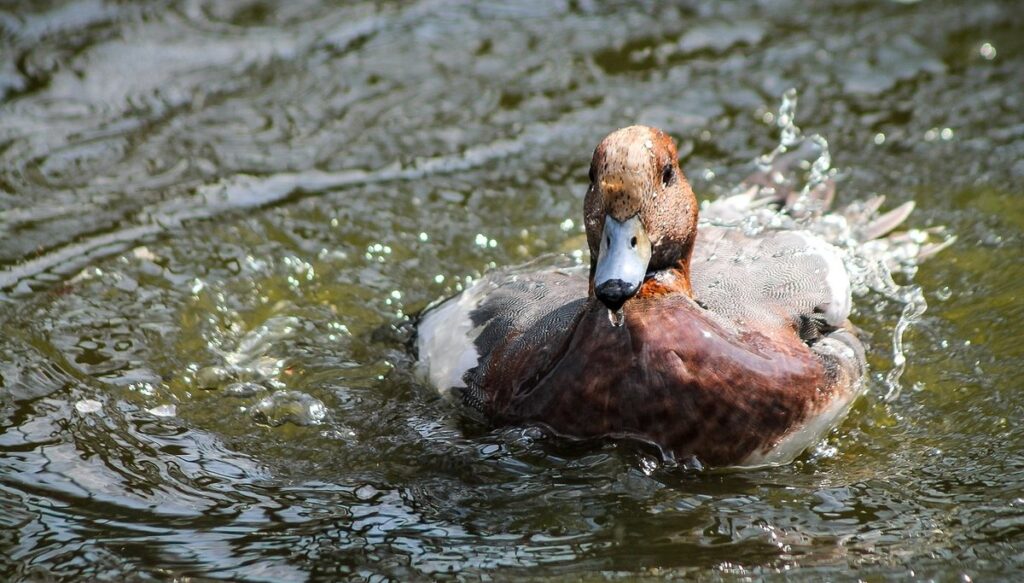
Choosing the Right Breed
When it comes to raising ducks for eggs, selecting the right breed is a crucial decision that will impact your success. Let’s explore the key factors to consider in choosing a breed that suits your needs.
Characteristics of Egg-Laying Breeds
When choosing an egg-laying breed, it’s essential to consider their temperament and adaptability. Some breeds are known for being gentle and docile, while others can be quite energetic and demanding. For example, the Khaki Campbell duck is a popular choice among backyard farmers due to its calm nature and high egg production (300-320 eggs per year).
On the other hand, the Welsh Harlequin duck is another breed that’s well-suited for small farms or backyards. They’re known for their friendly disposition and ability to thrive in smaller spaces. When selecting a breed, consider your available space, climate, and desired level of interaction with your ducks.
In terms of egg-laying capacity, some breeds outperform others. For instance, the Leghorn duck is one of the top producers, laying an average of 280-300 eggs per year. However, their high production rate can come at a cost – they tend to be more prone to stress and require regular social interaction.
Ultimately, the right breed for you will depend on your specific needs and circumstances. Consider factors such as egg production, temperament, and climate hardiness when making your selection.
Popular Egg-Laying Duck Breeds
When it comes to choosing the right duck breed for egg production, there are several popular options that stand out from the rest. Some of the most well-known and sought-after breeds include Leghorns, Khaki Campbells, and Australorps.
Leghorns are one of the most prolific egg-layers, producing up to 300 large white eggs per year. Their high egg production makes them an ideal choice for backyard farmers who want a steady supply of fresh eggs. However, their noise level can be quite high, so it’s essential to consider this factor if you live in close proximity to neighbors.
Khaki Campbells are another popular breed known for their high egg production and friendly demeanor. They lay around 200-250 large brown eggs per year and are relatively low-maintenance compared to other breeds. Their feathers also have a natural oil that helps to repel water, making them an excellent choice for farmers who live in areas with heavy rainfall.
Australorps are renowned for their high egg production and hardiness. They lay around 200-220 large brown eggs per year and are known for their friendly and docile nature. Their feather quality is also exceptional, making them a popular choice among duck breeders.
These breeds are just a few examples of the many options available to backyard farmers looking to raise ducks for eggs. When choosing a breed, consider your specific needs and preferences, including noise level, egg production, and temperament.
Building a Coop for Your Ducks
When building a coop for your ducks, it’s essential to consider factors like space, ventilation, and predator protection to create a safe and healthy environment for your feathered friends. Let’s dive into the details of duck coop design!
Essential Features of a Duck Coop
When building a coop for your ducks, there are several essential features to consider. First and foremost, ventilation is crucial to maintaining a healthy environment for your birds. A well-ventilated coop will help regulate temperature, reduce ammonia levels, and prevent the buildup of moisture that can lead to respiratory issues.
Proper lighting is also vital for your ducks’ health and happiness. Natural light is essential for their circadian rhythms, so ensure the coop receives sufficient sunlight. Artificial lighting can be used in conjunction with natural light, but it’s crucial to use low-wattage bulbs to prevent overheating. Consider installing windows or skylights to maximize natural light.
Predator protection is another critical feature of a duck coop. Your birds will be vulnerable at night when they’re roosting, so make sure the coop has secure doors and windows that can be locked. You may also want to consider adding a roof overhang or extensions to prevent predators like foxes or raccoons from reaching under.
In addition, consider using hardware cloth or chicken wire to cover any gaps or openings around the coop. This will prevent predators from getting inside and protect your birds from potential threats.
Tips for Designing a Functional Coop
When designing a coop for your ducks, it’s essential to consider both their needs and your own. A well-planned coop can make all the difference in keeping your feathered friends happy and healthy.
Firstly, ensure the coop provides sufficient ventilation to prevent ammonia buildup from droppings. This can be achieved by incorporating windows, vents, or a screened roof. You may also want to consider installing a poop board or tray to collect waste and make cleaning easier.
Next, think about your ducks’ comfort and safety. A minimum of 3-4 square feet per bird is recommended for a cozy coop. Add some nesting boxes (about one per three birds) and adequate roosting bars for them to perch on at night.
Don’t forget to plan for easy maintenance. Incorporate features like removable walls, roof tiles, or nesting box liners that can be easily cleaned and replaced. This will save you time and energy in the long run.
Finally, consider your own needs as a duck owner. Make sure the coop is accessible for collecting eggs, cleaning, and performing regular checks on your birds’ health.
Feeding Your Laying Ducks
When it comes to feeding your laying ducks, their diet plays a crucial role in maintaining egg production and overall health. In this next section, we’ll explore their specific nutritional needs.
Nutritional Requirements for Egg-Laying Ducks
Laying ducks have specific nutritional requirements to maintain their health and egg-laying performance. Protein is essential for muscle growth and maintenance, and laying ducks need about 16-18% protein in their diet. Include high-quality protein sources like mealworms, crickets, or commercial duck pellets that meet this requirement.
Calcium is also crucial for strong eggshell production, and laying ducks require around 2-3% calcium in their diet. Supplement with crushed oyster shells or dark leafy greens like kale to ensure adequate calcium intake. Vitamins A, D3, E, and K are also vital for overall health, and can be obtained through commercial feed or added as supplements.
Monitor your flock’s feed consumption and adjust the amount of supplement accordingly to avoid overfeeding. For example, a 10-week-old laying duck needs around 1/4 pound of mealworms daily. Keep fresh water available at all times, and provide access to dust baths for skin health and parasite control. Regularly inspect the feed and water quality to ensure your flock’s optimal nutrition.
Sample Duck Feed Recipes
When it comes to feeding your laying ducks, you have two main options: homemade duck feed recipes and commercial feeds. Both can be effective, but it’s essential to ensure that the feed meets your ducks’ nutritional requirements.
Homemade Duck Feed Recipe 1:
Mix together 2 cups of oats, 1 cup of wheat, 1/2 cup of sunflower seeds, and 1/4 cup of dried mealworms. Add in some chopped apples or carrots for extra flavor and nutrients. This recipe provides a balanced mix of protein, fiber, and vitamins.
Commercial Duck Feeds:
Look for feeds that are specifically labeled as “laying duck feed” or “ducks and geese feed.” These feeds usually contain a higher level of calcium to support strong eggshell production. Some popular commercial feeds include Purina Layena and Manna Pro Duck Feed.
It’s also crucial to provide your ducks with access to fresh water and a calcium supplement, such as crushed oyster shells or dark leafy greens like kale or spinach. By following these guidelines, you can ensure that your laying ducks are getting the nutrients they need to stay healthy and productive.
Health Considerations for Laying Ducks
When it comes to raising ducks for eggs, ensuring their health is a top priority. In this section, we’ll cover essential considerations to keep your laying ducks happy and healthy.
Common Health Issues in Laying Ducks
Laying ducks can be prone to various health issues that affect their well-being and egg-laying capabilities. Respiratory problems are a common concern, especially during cold weather. Ducks may experience symptoms such as labored breathing, wheezing, or coughing, which can lead to reduced egg production.
Parasites like mites and lice can also infest laying ducks, causing discomfort and skin irritation. Regular checking of their feathers and bodies is essential to detect any signs of infestation early on. Use a fine-toothed comb to gently remove parasites from the duck’s coat.
Internal parasites, including worms and protozoa, can also impact your flock’s health. Monitor for symptoms such as diarrhea, lethargy, or unexplained weight loss in individual ducks. Practice good biosecurity measures like maintaining clean living areas, providing regular vaccinations, and implementing a deworming program to minimize the risk of parasite infestations.
Regular veterinary check-ups are crucial to identify any underlying issues early on and prevent the spread of diseases within your flock. This proactive approach will help you maintain healthy laying ducks that produce high-quality eggs for years to come.
Natural Methods of Disease Prevention
When it comes to raising healthy ducks for eggs, natural methods of disease prevention are essential. Vaccination alternatives and holistic approaches can be just as effective as conventional methods, while also reducing the risk of adverse reactions and antibiotic resistance.
One popular vaccination alternative is probiotics. By introducing beneficial bacteria into your flock’s diet, you can boost their immune systems and reduce the need for vaccinations altogether. For example, adding a probiotic supplement to your ducks’ feed or providing them with fermented foods like silage or kefir can have remarkable results.
Another natural method of disease prevention is improving ventilation and hygiene in your duck coop. This includes regular cleaning, proper waste management, and ensuring good airflow. This not only reduces the risk of respiratory diseases but also creates a healthier environment for your ducks to thrive in.
In addition to these methods, consider incorporating herbs and essential oils into your flock’s care routine. Certain plants like garlic, echinacea, and thyme have natural antibacterial properties that can help prevent illness. Always do thorough research before introducing new substances to ensure their safety for your birds.
Egg Production and Collection
Ducks are prolific layers, but their egg production can be influenced by factors such as breed, nutrition, and health. In this next part of our guide, we’ll explore how to optimize your ducks’ egg production.
Factors Affecting Egg Production
When it comes to raising ducks for eggs, understanding the factors that affect egg production is crucial. As a duck breeder or owner, you’re likely eager to maximize your flock’s productivity and get the most out of their hard work.
First and foremost, breed plays a significant role in determining egg production. Some breeds are naturally more prolific layers than others. For example, Khaki Campbells and Golden 300s are known for laying around 300 eggs per year, while Indian Runners can lay up to 200 eggs annually. Research the specific breed you’re working with to understand its average egg-laying potential.
Age is another critical factor to consider. Ducks typically reach their peak egg production between 18-24 months of age, after which production begins to decline. Make sure your ducks have access to a balanced diet that includes essential nutrients like calcium and protein to support healthy egg production. Adequate lighting is also vital – aim for at least 14 hours of light per day to encourage laying.
Adequate nutrition, as mentioned earlier, is key. Ensure your ducks are fed a high-quality layer feed that meets their nutritional needs. A diet rich in fruits, vegetables, and whole grains can help supplement their commercial feed.
Tips for Collecting Eggs from Your Ducks
Collecting eggs from your duck coop can be a daily task, but it’s essential to do so safely and efficiently. When handling eggs, it’s crucial to handle them gently to prevent cracking and breakage. Imagine collecting a batch of 20-30 eggs, only to have several broken or cracked – what a waste! To avoid this, you should always collect eggs from the nesting boxes with both hands, supporting the eggs in your cupped palms.
When collecting eggs, it’s also essential to wear clean, dry clothing and ensure your duck coop is well-maintained. Dirty hands can transfer bacteria to the eggs, increasing the risk of contamination. Make sure to remove any debris or waste from the nesting boxes before collecting the eggs.
Proper storage of collected eggs is equally important. Store them in a cool, dark place, away from direct sunlight and moisture. Use egg cartons or trays specifically designed for storing eggs to prevent breakage and maintain cleanliness. Aim to collect eggs twice daily, morning and evening, to ensure they’re stored properly before nightfall when your ducks are most active.
Raising Ducklings for Laying Potential
When it comes to raising ducklings specifically for laying potential, you’ll want to focus on breeds that excel at egg production and provide a nutritious diet. This section covers those key considerations in detail.
Caring for Newborn Ducklings
When you bring home newborn ducklings, it’s essential to provide them with the right care from day one. Their first few weeks are crucial for their development and will set the stage for a healthy laying career. Feeding is perhaps the most critical aspect of caring for new ducklings.
Ducklings need to be fed starter feed specifically formulated for waterfowl, as it contains all the necessary nutrients they require during this growth phase. A good rule of thumb is to provide 1-2% of their body weight in starter feed per day, divided into at least three meals. For example, a 100g duckling needs about 1-2 grams of starter feed.
In terms of housing, it’s best to keep newborn ducklings separate from adult ducks to prevent disease transmission. A brooder or a large container specifically designed for ducklings is ideal, as it provides adequate ventilation and keeps them warm. Maintain the temperature between 90-95°F (32-35°C) during the first week, gradually decreasing it by 5°F (3°C) each subsequent week until it reaches ambient temperature.
Monitor their health closely, looking out for signs of illness such as labored breathing, loss of appetite, or lethargy. Ensure they have access to clean water and a balanced diet at all times, and consider consulting a veterinarian if you notice any unusual behavior.
Tips for Ensuring Healthy Growth and Development
When it comes to raising ducklings with strong egg-laying potential, ensuring their healthy growth and development is crucial. A well-nourished and happy brood will ultimately translate into a high-performing flock.
Start by providing a balanced diet that includes a mix of starter feed, fruits, vegetables, and protein sources like mealworms or crickets. Ensure access to fresh water at all times, and consider adding supplements like calcium or probiotics to support bone growth and digestive health. A clean and spacious brooder with adequate ventilation will also promote healthy development.
Regular health checks are vital in identifying any potential issues early on. Monitor your ducklings’ appetite, droppings, and overall behavior, taking note of any deviations from normal. Consult a veterinarian if you notice anything out of the ordinary.
Maintaining a strict vaccination schedule can help prevent diseases that may impact egg production later on. Staying up-to-date with local regulations and guidelines for duck health is also essential.
Frequently Asked Questions
How do I know if my ducks are getting the right amount of sunlight?
Sunlight is essential for egg production, and ducks require around 12-14 hours of direct sunlight per day. Ensure your coop or enclosure receives adequate natural light by considering the breed’s specific needs and your local climate. If you’re unable to provide sufficient outdoor space, consult with a veterinarian about supplementing their vitamin D intake.
Can I raise laying ducks in a small backyard?
Yes, it’s possible to raise laying ducks in a small backyard, but it requires careful planning and attention to their specific needs. Ensure the coop is well-ventilated, secure from predators, and provides enough space for your flock (about 2-3 square feet per duck).
What’s the best way to collect eggs from my ducks without stressing them?
To minimize stress on your ducks, use a gentle and quiet approach when collecting eggs. Start by getting familiar with their egg-laying habits and patterns, then place the collection basket in the same spot every day. For larger flocks, consider using an egg-collecting system or automating the process to reduce handling time.
How often should I clean my duck coop?
Cleaning your duck coop regularly is crucial for maintaining a healthy environment. Aim to remove soiled bedding and debris at least once a week, and disinfect the area with a pet-safe cleaning solution every 6-8 weeks. Always follow local health guidelines for managing poultry waste.
Can I raise ducks in an urban setting?
Yes, but it’s essential to research local regulations and ordinances before introducing ducks to your urban backyard. Consider factors like noise restrictions, zoning laws, and potential conflicts with neighbors or wildlife. With careful planning and attention to their specific needs, you can successfully raise laying ducks in an urban environment.