
Raising geese on your farm can be a fantastic way to diversify your income, improve your land’s fertility, and even provide a fun and educational experience for you and your family. But before you bring those beautiful birds onto your property, there are many factors to consider.
From choosing the right breed to ensuring their proper housing and nutrition, it’s essential to do your research if you want to succeed with goose-keeping. That’s where this comprehensive guide comes in – covering everything from the benefits of raising geese on a farm to expert tips on marketing and selling your products. Whether you’re a seasoned farmer or just starting out, this article will walk you through the ins and outs of raising happy and healthy geese that will thrive on your land.
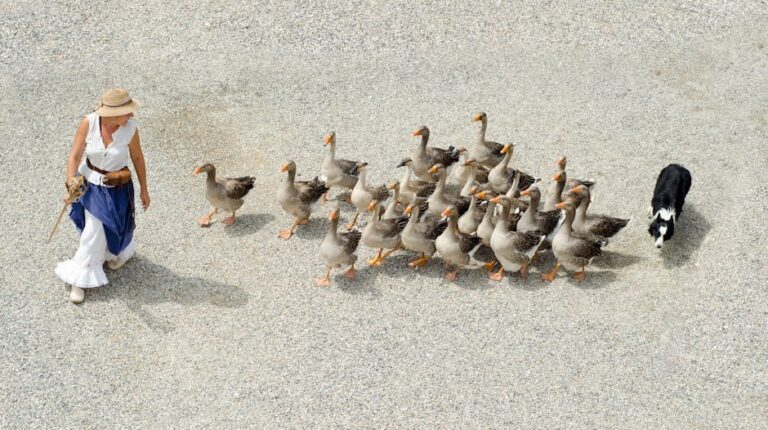
Benefits of Keeping Geese on Your Farm
Keeping geese on your farm can be a game-changer for many small-scale farmers, offering numerous advantages that go beyond just egg and meat production. In this section, we’ll explore some of these benefits in more detail.
Introduction to the Benefits
When you think of farming, the first animals that come to mind are usually cows, pigs, and chickens. However, geese are often overlooked as a valuable addition to a farm. But they offer numerous benefits that can enhance your agricultural experience. Let’s explore these advantages.
One significant benefit of keeping geese on your farm is their role in pest control. Geese are natural foragers and will roam freely to feed on weeds, insects, and other unwanted vegetation. They can help reduce the need for herbicides and pesticides, making them a more environmentally friendly option. For example, on a wheat farm in the UK, geese were used to control weed growth with great success.
In addition to pest control, geese are prolific fertilizer producers. Their droppings are high in nitrogen and phosphorus, making them an excellent natural fertilizer for your crops. This not only saves you money but also reduces waste. According to a study by the University of Wisconsin-Madison, goose manure can be used as a substitute for commercial fertilizers.
Beyond their practical uses, geese also provide emotional support on farms. They are social animals and form strong bonds with humans, making them excellent companions. Interacting with geese has been known to reduce stress levels and boost mood in farmers.
Geese as Livestock: A Sustainable Option
Geese have long been considered a sustainable option for small-scale farmers and homesteaders looking to diversify their livestock. Not only do they provide a reliable source of meat, but they also offer several environmental benefits that make them an attractive choice.
One of the primary reasons geese are a sustainable option is their ability to thrive on marginal land. They can forage for food in areas with poor soil quality or low rainfall, making them ideal for farms with limited resources. According to a study by the University of California, Davis, geese require significantly less water than traditional livestock, making them an excellent choice for farmers operating in water-scarce regions.
In terms of nutritional value, geese are a lean protein source, rich in vitamins A and B12, as well as essential minerals like iron and potassium. They can be harvested at various stages of maturity, allowing farmers to tailor their production to meet specific market demands. By incorporating geese into your farm’s livestock program, you’ll not only reduce your environmental footprint but also provide a unique and nutritious product for local consumers.
When raising geese as a food source, it’s essential to prioritize humane treatment and proper processing techniques. This ensures that the meat is both safe and of high quality. Consider consulting with experienced farmers or attending workshops on small-scale poultry production to learn more about best practices for harvesting and processing geese.
Emotional Benefits of Raising Geese
Raising geese on your farm can have a profound impact on your mental health and well-being. The gentle honking of geese, their playful antics, and the satisfaction of watching them grow from goslings to majestic adults can be incredibly therapeutic. Studies have shown that spending time with animals can lower cortisol levels, blood pressure, and stress hormones, while boosting mood-boosting neurotransmitters like serotonin.
Geese also require attention and interaction, which can help combat loneliness and isolation. As you work with your geese, feeding them, cleaning their enclosure, and monitoring their health, you’ll develop a sense of purpose and responsibility. This can be particularly beneficial for those living in rural areas or retirees who may feel disconnected from the outside world.
In addition to providing companionship, geese can also teach valuable life skills like patience, empathy, and understanding. By observing and interacting with your geese, you’ll learn about their unique personalities, habits, and quirks, which can translate to improved relationships with humans as well.
Choosing the Right Breed of Goose for Your Farm
When selecting a breed of goose for your farm, consider factors such as climate, available space, and desired purpose, to ensure a harmonious match. There are over 100 breeds to choose from!
Understanding Different Types of Geese
Geese come in over 100 different breeds, each with its own distinct characteristics and purposes. Some are prized for their meat production, while others are valued for their feathers, eggs, and guarding abilities. Let’s take a closer look at some of the most common types of geese you might consider for your farm.
For example, Embden Geese are known for their large size and white plumage, making them a popular choice for meat production. They’re also skilled guardians and can be used to protect chickens from predators. Toulouse Geese, on the other hand, have a more laid-back temperament and are often kept for their eggs and down feathers.
Other breeds include Chinese Geese, which are prized for their distinctive honking calls and ability to thrive in hot climates; Sebastopol Geese, known for their unique appearance with fluffy skin covering most of their bodies; and African Geese, valued for their hardiness and adaptability. When choosing a breed, consider the specific needs and goals of your farm, such as meat production, egg-laying, or pest control.
Some breeds are better suited to certain climates or regions due to factors like temperature tolerance and molting habits. Researching local regulations and climate conditions can also help inform your decision. Ultimately, selecting the right breed for your farm requires a thoughtful consideration of their unique characteristics, needs, and purposes.
Key Considerations When Selecting a Breed
When selecting a breed of goose for your farm, several key considerations come into play. First and foremost, think about the climate you live in. Some breeds are more tolerant of extreme temperatures than others. For example, if you’re located in a cold-weather region, consider breeds like the Toulouse or Embden geese, which are well-suited to harsh winters. On the other hand, if you’re in a hot and dry area, look for breeds that can handle high temperatures, such as the Chinese or African geese.
Another critical factor is space. Different breeds have varying requirements when it comes to living quarters and exercise areas. If you have limited space, opt for smaller breeds like the Chinese or Sebastopol geese. These birds are content with smaller enclosures and require less room to roam. However, if you have ample space available, larger breeds like the Embden or Toulouse may be a better fit.
Consider your intended use for the geese as well. Are you looking for goslings for meat production? Or do you want birds that will provide eggs or serve as watchdogs? Certain breeds excel in these areas. For instance, the African goose is prized for its high-quality eggs, while the Embden is often used for meat production due to its large size and robust build.
Ultimately, choosing the right breed of goose involves weighing these factors and selecting a bird that fits your specific needs and circumstances.
Popular Breeds for Small-Scale Farming
When it comes to choosing the right breed of goose for small-scale farming, several popular options stand out from the rest. One such breed is the Toulouse geese, known for their gentle nature and impressive egg-laying abilities. They produce an average of 120 large eggs per year, making them a great choice for farmers looking to supplement their income with eggs.
Another popular breed suitable for small-scale farming is the Embden geese. Originating from Germany, these birds are renowned for their hardiness and ability to adapt to different climates. With proper care, they can produce up to 100 large eggs per year. However, keep in mind that Embden geese are larger than Toulouse geese, so be sure to consider space constraints when deciding which breed is best for you.
The African geese are also gaining popularity among small-scale farmers due to their low maintenance requirements and impressive egg-laying abilities. They can produce up to 80 large eggs per year, making them a great choice for those looking to keep costs down while still generating income from egg sales.
Housing and Shelter for Geese on Your Farm
When it comes to raising geese, providing a safe and suitable shelter is crucial, so let’s explore some essential tips for building the perfect habitat for your feathered friends.
Building a Goose House or Shed
When designing a goose house or shed, it’s essential to consider the unique needs of your feathered friends. Geese require a safe and comfortable enclosure that protects them from harsh weather conditions, predators, and diseases. A well-designed goose house or shed should provide adequate ventilation, insulation, and lighting to maintain a healthy environment for your geese.
For a small flock of 5-10 geese, a basic shed with a roofed area of about 6 feet by 8 feet (48 square feet) can be sufficient. However, if you have a larger flock or plan to breed geese, you’ll need a more spacious and specialized enclosure.
Some key features to include in your goose house or shed are:
* A sloping roof to allow snow and rainwater to run off
* Nesting boxes for hens (about 1 per 3-4 hens)
* Perches and roosts for geese to rest on at night
* Easy access for cleaning and maintenance
* Adequate ventilation and insulation to regulate temperature
* Protection from predators such as foxes, coyotes, and raccoons
When building a goose house or shed, consider using durable materials like wood or metal that can withstand harsh weather conditions. You can also repurpose an existing structure or use a pre-fabricated coop.
Important Features to Include in a Goose Coop
When it comes to building a goose coop on your farm, there are several essential features you’ll want to include to ensure the health and well-being of your geese. First and foremost, proper ventilation is crucial. Geese produce a significant amount of moisture through their droppings, which can lead to ammonia buildup in the coop if not properly ventilated. You’ll want to include windows or vents that allow fresh air to circulate and help to dissipate any built-up ammonia.
Lighting is also an important feature to consider when building your goose coop. Geese need about 14 hours of light per day, so it’s essential to provide adequate lighting in the coop. This can be achieved through natural light during the day or through artificial lighting at night.
Predator protection is another crucial aspect to include in your goose coop design. Geese are vulnerable to predators like coyotes, foxes, and hawks, which can easily breach a poorly designed coop. To protect your geese, you’ll want to build the coop with sturdy walls and a secure roof that’s at least 3 feet off the ground.
In addition to these features, consider including nesting boxes for your female geese. These provide a safe and private space for them to lay their eggs, reducing stress and promoting healthy egg-laying habits.
Best Practices for Cleaning and Maintaining the Goose House
Cleaning and maintaining the goose house is an essential task to ensure the health and well-being of your geese. A clean environment is crucial to prevent diseases from spreading among the flock. Make it a habit to visit the goose house daily, removing soiled bedding material, such as straw or wood shavings, and replace it with fresh ones.
To keep the coop dry, inspect the roof for any signs of leakage and make repairs promptly. Ensure proper ventilation by installing windows or vents that allow for air circulation. Regularly sweep away droppings from the walls and floor to prevent ammonia buildup.
When cleaning the coop, prioritize hygiene by wearing rubber gloves and a face mask to protect yourself from bacteria and mites. Remove any infested bedding material and dispose of it properly. To keep your geese comfortable, ensure the coop remains well-ventilated and dry. By following these practices, you can create a healthy environment for your feathered friends.
It’s also essential to disinfect all surfaces with a pet-safe cleaning solution after deep cleaning. This will help eliminate bacteria and other microorganisms that may be present in the coop.
Feeding and Nutrition for Geese on Your Farm
When it comes to keeping your geese healthy and thriving, providing the right food is essential. This section will walk you through creating a well-balanced diet that meets their unique nutritional needs.
Types of Feed Suitable for Geese
When it comes to feeding geese on your farm, there are various types of feed available, each offering unique benefits and nutritional profiles. Commercial pellets are a popular choice for geese as they provide a balanced mix of nutrients, including protein, fiber, and vitamins. These pellets often contain grains such as corn, wheat, or barley, which help support energy production.
In addition to commercial pellets, grains like oats, rye, and millet can also be used as feed for geese. Grains are an excellent source of carbohydrates and can be given in moderation to supplement their diet. However, it’s essential to ensure that the grains are free from contaminants and mold to avoid any health issues.
Supplements can also be added to a goose’s diet to provide extra nutrients or address specific health concerns. For example, adding vitamin E supplements during molting season can help promote healthy feather growth and reduce stress. It’s crucial to follow the manufacturer’s instructions when introducing new supplements into your geese’s diet.
Creating a Balanced Diet for Your Geese
When it comes to feeding your geese, providing a balanced diet is crucial for their overall health and well-being. The first step is to determine the age, sex, and health status of each individual goose, as these factors will influence their nutritional needs.
For example, goslings (young geese) require more protein-rich foods than adult geese, while pregnant or lactating females need a higher energy diet. A good rule of thumb is to provide 16-18% protein for goslings and 14-16% for adults.
In terms of specific food groups, geese are omnivores and thrive on a mix of grains, fruits, vegetables, and insects. Include whole grains like oats, barley, or wheat in their diet, as well as leafy greens such as kale and spinach. Fresh water should always be available, along with a mineral-rich supplement to ensure optimal health.
Consider the following ratio for a balanced geese diet:
* 50-60% grains
* 20-30% fruits and vegetables
* 10-15% proteins (insects, fish meal)
* 5-10% fats and oils
Remember, every flock is unique, so monitor your geese’s health and adjust their diet accordingly. With a little practice and patience, you’ll be well on your way to raising happy, healthy geese on your farm.
Tips for Providing Fresh Water and Minimizing Waste
When it comes to feeding and caring for geese on your farm, providing fresh water and minimizing waste are essential aspects of their overall health and well-being. Geese need access to clean drinking water at all times, so make sure to check the water frequently and change it as needed.
A good rule of thumb is to provide one gallon of water per bird per day. This may seem excessive, but geese can quickly become dehydrated if their water supply is limited or contaminated. To minimize waste, consider using a floating feed and watering system that allows you to dispense both food and water simultaneously.
Another way to reduce waste is by providing shallow pans of water for drinking and wading. This will encourage your geese to stay hydrated while also giving them a fun place to play. Be sure to clean these pans regularly to prevent the growth of bacteria and algae. By following these simple tips, you can help ensure that your geese always have access to fresh, clean water and reduce waste on your farm.
Regularly monitoring your geese’s water intake is crucial, especially during hot weather or when introducing new birds to the flock.
Health and Disease Management in Goose Flocks
When managing a goose flock, it’s crucial to prioritize their health and disease management to prevent illness and ensure they thrive on your farm. This involves monitoring for common health issues and taking proactive steps to maintain their well-being.
Common Diseases Affecting Geese on Farms
Geese are generally hardy birds, but they can be susceptible to certain diseases that can affect their health and productivity on farms. One of the most common diseases affecting geese is Avian Influenza (AI), also known as bird flu. This highly contagious disease causes respiratory problems, including coughing, sneezing, and labored breathing. It’s usually spread through contact with infected birds or contaminated surfaces.
Another common disease is Histomoniasis, a parasitic infection caused by the protozoan Histomonas meleagridis. Its symptoms include diarrhea, weight loss, and lethargy. This disease can be spread through contact with infected feces or contaminated feed and water.
Regular vaccination programs and maintaining proper biosecurity measures are crucial in preventing these diseases. Keeping a clean environment, providing adequate nutrition, and ensuring access to fresh water are also essential for geese health. It’s also important to monitor your flock regularly for any signs of illness and seek veterinary advice if you suspect any disease is present.
Some other common diseases affecting geese include Respiratory Syndrome (RS), Bacterial Enteritis, and Lymphoid Leukosis.
Vaccination and Medication Strategies
When it comes to managing health and disease in goose flocks, vaccination and medication strategies are crucial for preventing and controlling outbreaks. As a goose farmer, you want to protect the well-being of your birds while also ensuring their productivity and profitability.
Vaccination is an essential tool in maintaining healthy geese. You can vaccinate against diseases such as Newcastle disease, avian influenza, and Marek’s disease. Consult with your veterinarian to determine which vaccines are necessary for your flock based on factors like age, health status, and environmental conditions. Follow the recommended vaccination schedule and ensure that all birds receive a booster shot as required.
Medication is also used to manage and control disease in goose flocks. Your veterinarian can prescribe antibiotics or other medications to treat specific diseases or infections. However, always follow their advice on dosage and administration to avoid harming your geese. Regular monitoring of water quality, sanitation, and biosecurity practices are also crucial for maintaining a healthy flock.
For example, regular deworming programs can help control internal parasites that can weaken the birds’ immune systems. By working closely with your veterinarian and implementing these strategies, you can reduce disease outbreaks and keep your geese thriving.
Importance of Biosecurity Measures
When it comes to raising geese on a farm, protecting them from diseases and other health threats is crucial for their well-being and overall productivity. This is where biosecurity measures come into play.
Biosecurity is the practice of controlling and preventing the spread of disease-causing agents within a flock. Geese, like all birds, are susceptible to various diseases such as avian influenza, Newcastle disease, and fowl pox. These diseases can have devastating effects on your goose population, causing significant economic losses and potentially even wiping out entire flocks.
Some key biosecurity measures for geese include isolating new birds when introducing them to a flock, ensuring proper sanitation and disinfection of equipment and facilities, controlling the movement of people and vehicles around the farm, and implementing strict hygiene practices among handlers. Regular health checks and vaccinations can also help prevent disease outbreaks.
For example, if you’re planning to introduce new geese to your existing flock, it’s essential to quarantine them for at least 30 days before integrating them with the rest of the birds. This will give you time to monitor their health and detect any potential issues early on.
Managing Geese Behavior and Social Structure
When it comes to raising geese on your farm, understanding their social behavior is crucial for creating a harmonious flock. In this section, we’ll explore tips for managing geese behavior and social structure.
Understanding Goose Communication and Social Hierarchy
Goose communication is primarily non-verbal, relying on body language and vocalizations to convey information. They use a range of calls, including honks, chirps, and hisses, to alert others to potential threats or signal excitement. However, the meaning behind these sounds can vary greatly depending on context.
When it comes to social hierarchy, geese are generally organized in a pecking order within their flock. Dominant birds will often lead the way when foraging or exploring new areas, while subordinates follow closely behind. This ranking system is not solely determined by size, with younger or smaller geese sometimes holding higher positions than larger adults.
Understanding these social dynamics can be crucial when introducing new birds to your farm or managing existing flocks. Introducing a new goose to the group, for instance, may require careful observation and potential separation from dominant birds initially to prevent bullying or stress. By being aware of these factors, you can help promote harmony among your geese and create a more peaceful living environment for all.
Strategies for Managing Aggressive or Dominant Geese
Managing aggressive or dominant geese requires patience, understanding, and effective strategies. When dealing with assertive individuals, it’s essential to address the root cause of their behavior. In many cases, dominance is a result of inadequate space, poor socialization, or lack of proper training.
Separation is often the first step in managing dominant geese. By isolating the aggressive bird from the rest of the flock, you can prevent them from exerting their influence and creating conflict. However, this should be done under close supervision to ensure the isolated bird doesn’t become stressed or develop further behavioral issues.
Training is another crucial aspect of managing dominant geese. Positive reinforcement techniques, such as clicker training, can help teach assertive birds to respect boundaries and respond to commands. Rewarding desired behavior with treats and praise encourages good habits and discourages aggression.
Enrichment activities also play a significant role in redirecting energy from aggressive behavior to more productive pursuits. Providing stimulating toys, puzzles, or exercise routines keeps geese engaged and mentally stimulated, reducing the likelihood of dominance-related issues.
Importance of Providing Adequate Space and Enrichment
Providing adequate space and enrichment is crucial to maintain geese’s physical and mental well-being. Geese are social animals that thrive on interaction with their environment and each other. On a farm, it’s essential to ensure they have enough room to roam, exercise, and engage in natural behaviors.
A minimum of 10-15 square feet per goose inside the enclosure is recommended, but ideally, you should aim for more space to accommodate their energetic nature. If possible, provide an enclosed area for them to fly around, allowing them to stretch their wings and get some aerial exercise. This also helps prevent boredom and stress-related behaviors like feather pecking or aggression.
Rotate toys and enrichment items regularly to keep geese stimulated. Consider adding activities that mimic their natural foraging behavior, such as filling a container with treats or hiding food around the enclosure. You can also create a “snuffle” area by burying treats or herbs in the ground, encouraging your geese to use their sense of smell and engage their natural instincts.
Marketing and Selling Goose Products on Your Farm
As you continue to care for your geese, you’ll also want to think about how to turn them into a profitable venture by marketing and selling their products. Here’s where creative thinking comes in handy.
Opportunities for Value-Added Products
As you explore the world of goose farming, you’ll soon discover that these versatile birds offer a treasure trove of opportunities for value-added products. From eggs to meat, and even their by-products, geese can provide a steady stream of income and creative outlets.
Goose eggs are not only a delicacy but also a valuable commodity in the culinary world. Consider partnering with local bakeries or restaurants to supply them with your farm-fresh eggs. You could also explore creating value-added egg products like pickled quail eggs, which are a popular snack among foodies. If you’re crafty, try making your own artisanal jams or preserves using goose eggs as the main ingredient.
When it comes to meat, geese offer a unique flavor profile that’s in high demand. Consider smoking or curing your goose meat to create mouth-watering products like prosciutto or salami. You could also experiment with creating value-added meat products like sausage casings or even goose fat for cooking. Don’t forget about the feathers and down – they can be used to create soft, warm bedding or even high-end duvets.
The possibilities are endless when it comes to turning your geese into a profitable business venture. By diversifying your product offerings, you’ll not only increase your revenue streams but also build a loyal customer base who appreciate the uniqueness of your farm-to-table products.
Building a Brand and Marketing Strategy
As you’ve worked tirelessly to raise healthy and happy geese on your farm, it’s time to think about putting their products to good use. A well-crafted brand and marketing strategy can help you turn your farm into a successful business, attracting customers who are eager to try the unique offerings of your feathered friends.
To build a strong brand, start by defining what sets your goose farm apart from others. Is it the exceptional quality of your eggs? The tenderness of your geese meat? Or perhaps it’s the educational value of visiting your farm and learning about these incredible birds? Whatever it is, make sure to highlight it in your branding efforts.
Develop a unique logo, color scheme, and tone that reflect the personality of your farm. This will help you stand out on social media, at farmers’ markets, and even on packaging materials for your products. Don’t be afraid to get creative – think about using illustrations or graphics featuring geese to add an extra layer of charm to your branding.
When it comes to marketing strategy, focus on reaching the right audience. For example, if you’re selling eggs, consider partnering with local bakeries or restaurants that value fresh, locally-sourced ingredients. If you’re offering farm tours, leverage social media platforms like Instagram and Facebook to share engaging content that showcases the beauty of your geese and the unique experience they offer.
In terms of online presence, make sure your website is easy to navigate and visually appealing, with clear information about your products, prices, and availability. Set up an email newsletter or loyalty program to keep customers informed and engaged with your farm’s offerings. And don’t forget to monitor and adjust your marketing strategy as you go along – what works today might not work tomorrow.
By putting these ideas into action, you’ll be well on your way to establishing a loyal customer base for your goose products and creating a thriving business that brings joy to both you and the people who enjoy them.
Tips for Developing a Successful Online Presence
As you work towards creating a thriving goose farm, it’s essential to develop a successful online presence. This will not only help you reach potential customers but also provide valuable resources and information about geese care and management.
To start building your online presence, begin by setting up a professional website or blog that showcases your farm’s products and services. Include high-quality images of your geese, as well as detailed descriptions of each breed, their characteristics, and uses (such as meat production, egg laying, or feather harvesting). This will help potential customers make informed decisions when purchasing from you.
Use social media platforms to share updates about your farm, such as new bird arrivals, harvesting seasons, or special promotions. Engage with your followers by responding to comments and messages, sharing tips on goose care and management, and highlighting the benefits of choosing geese from a local farm. You can also participate in online forums and groups related to sustainable agriculture, organic farming, or waterfowl keeping.
To maximize your online reach, optimize your website and social media profiles for search engines using relevant keywords like “goose farming,” “sustainable livestock,” or “local waterfowl.” This will improve visibility and attract more targeted traffic to your online platforms.
Frequently Asked Questions
Can I start raising geese on my farm if I have limited space?
Yes, you can still raise geese on your farm with limited space, but it’s essential to choose a breed that is well-suited for smaller areas. Consider breeds like the Chinese or African goose, which are known for their compact size and don’t require as much land. Additionally, make sure to provide adequate housing and fencing to keep your geese safe and secure.
How do I handle aggressive behavior in my geese?
Aggressive behavior in geese can be a challenge, but there are several strategies you can try to address the issue. First, ensure that your geese have enough space and enrichment activities to reduce stress and boredom. You can also try separating dominant birds or implementing a pecking order by introducing new birds gradually. If aggressive behavior persists, consult with a veterinarian or experienced goose breeder for guidance.
What are some key factors to consider when building a goose coop?
When building a goose coop, it’s crucial to prioritize airflow, drainage, and predator protection. Ensure the coop is well-ventilated to prevent ammonia buildup and has easy access for cleaning. Consider using durable materials like metal or wood that can withstand harsh weather conditions. Don’t forget to include features like nesting boxes, perches, and adequate space for your geese to move around comfortably.
How do I ensure my geese are getting a balanced diet?
A balanced diet is essential for the health and well-being of your geese. Provide high-quality commercial goose feed as their main staple, but supplement with fresh fruits and vegetables to add variety and nutrients. Avoid overfeeding grains or giving them too many treats, which can lead to obesity and other health issues. Consider consulting with a veterinarian or experienced breeder for personalized dietary recommendations.
Can I raise geese in conjunction with other livestock on my farm?
Yes, raising geese alongside other livestock like chickens or cattle can be a great way to diversify your farm’s offerings. However, it’s essential to ensure that you have enough space and resources to manage multiple animal groups. Geese can benefit from grazing together with cows, but make sure to provide separate housing and feeding areas to prevent competition and stress. Proper planning and management will help minimize conflicts and optimize your farm’s productivity.