
Are you fascinated by the majestic Giant Cochin chicken breed? With their impressive size, unique characteristics, and exceptional egg production, it’s no wonder that poultry enthusiasts are eager to learn more about these gentle giants. As a dedicated poultry breeder or enthusiast, you’re probably aware of the importance of understanding the intricacies of different chicken breeds. In this article, we’ll delve into the origins, characteristics, and breeding programs of the Giant Cochin chicken, exploring their impressive size, prolific egg production, and overall health. We’ll also discuss the unique qualities that make them a favorite among breeders and enthusiasts alike. Whether you’re a seasoned expert or just starting out, this comprehensive guide will provide you with the knowledge you need to appreciate and care for these incredible birds.
History and Origins
The Giant Cochin chicken has a rich and fascinating history, dating back centuries to its origins in Southeast Asia. Let’s dive into how it evolved over time.
Early Development
The origins of the Giant Cochin chicken date back to 18th century India, where it was developed as a commercial egg-laying breed. This remarkable bird’s journey began with John Hinchliffe, an English poultry breeder who introduced several breeds, including the Modern Game and the Spanish, into India. The resulting hybrid offspring eventually gave rise to the Cochin breed.
Initially, these early Cochin chickens were prized for their exceptional laying abilities, producing as many as 300 eggs per year. Their impressive size, gentle nature, and rich, soft feathers made them an attractive choice for farmers seeking a reliable source of income through egg sales. As Indian breeders continued to refine the Cochin’s characteristics, they also introduced desirable traits such as cold hardiness, which helped the birds thrive in various climates.
While Hinchliffe is often credited with laying the groundwork for the Cochin breed, it was Indian poultry enthusiasts who honed its potential through selective breeding.
Introduction to Europe
The introduction of the Giant Cochin breed to England marked the beginning of its journey to becoming one of the most sought-after chicken varieties among British poultry enthusiasts. In the late 19th century, European farmers brought with them a range of exotic breeds, including the original Cochin chickens from China. These early birds were known for their exceptional egg-laying abilities and attractive plumage.
As interest in these foreign breeds grew, selective breeding programs began to take shape in England. Breeders focused on refining the Cochin’s characteristics, aiming to create a more robust and impressive bird. Through careful selection and cross-breeding, they achieved significant improvements in size, feather quality, and temperament. The result was the Giant Cochin, a breed that would go on to captivate enthusiasts with its majestic appearance and gentle disposition.
Today, you can still find evidence of this breeding legacy in top-tier poultry shows across England, where Giant Cochins continue to impress judges with their grandeur and charm.
Characteristics and Traits
When it comes to owning a giant cochin chicken, understanding their unique characteristics is essential for providing the best care. Let’s dive into the distinctive traits that make them such beloved pets.
Size and Growth Rate
One of the most striking characteristics of the Giant Cochin chicken is its impressive size. On average, males can weigh up to 14 pounds (6.3 kg), while females reach a weight of around 10 pounds (4.5 kg). This massive build is due in part to their rapid growth rate, which can be attributed to their unique genetic makeup.
As a result of their swift growth, Giant Cochins tend to mature quickly, typically reaching full size by six months of age. This accelerated development means they start laying eggs relatively early compared to other breeds. However, it’s essential to note that their egg production may peak and then decrease due to the high demand on their body.
To manage this rapid growth rate effectively, it’s crucial to provide Giant Cochins with a balanced diet and ample space for exercise. A good quality layer feed should be supplemented with fresh fruits and vegetables to ensure optimal nutrition. Adequate shelter and room to roam will also help mitigate any potential health issues associated with their rapid growth.
Feathers and Plumage
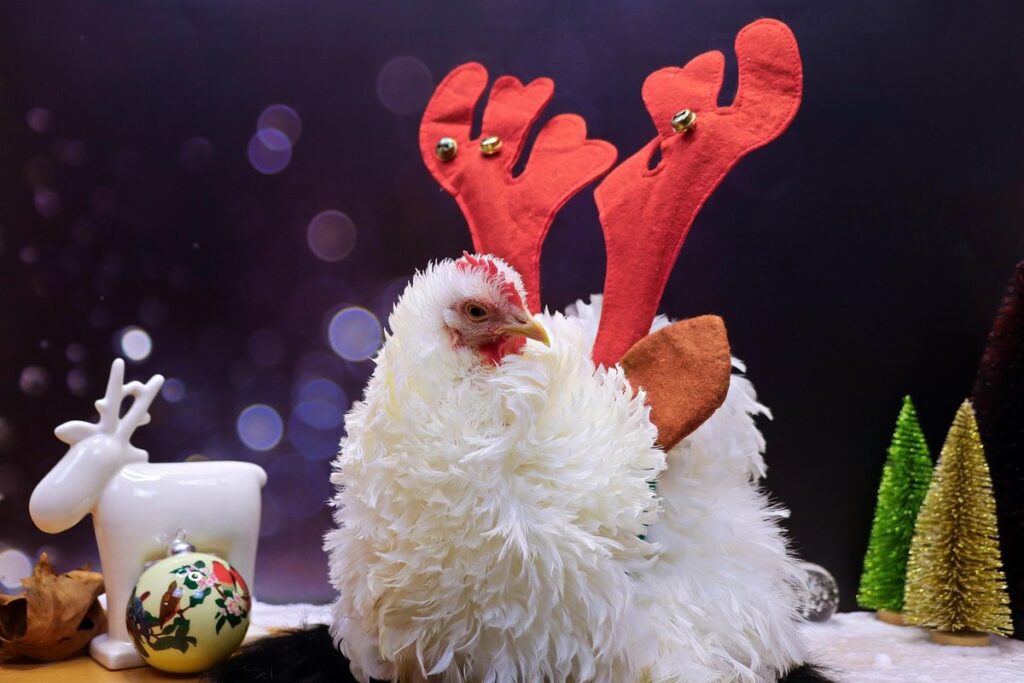
One of the most distinctive and endearing characteristics of the Giant Cochin chicken is its stunning plumage. The breed’s feathers are renowned for their soft, fluffy texture, making them a joy to behold and even more delightful to touch. As you run your hand over a Giant Cochin’s plumage, you’ll appreciate the gentle give and subtle softness that invites closer inspection.
The vibrant colors of the Giant Cochin’s feathers are equally impressive, with various shades of white, black, brown, and red dominating the breed’s palette. But what makes the Giant Cochin truly unique is its array of color patterns and combinations, which include barred, mottled, penciled, and even iridescent varieties.
If you’re considering raising a Giant Cochin, keep in mind that their feathers require regular maintenance to prevent matting and tangling. A gentle brush once or twice a week will help keep your bird’s plumage looking its best. You can also experiment with various natural remedies, such as olive oil or coconut oil, to add shine and softness to the feathers.
Some breeders specialize in specific color patterns, so if you have your heart set on a particular look, be sure to research reputable breeders who can help you find your dream bird.
Health and Well-being
As a responsible owner, it’s essential to prioritize your giant Cochin chicken’s health and well-being, which is why we’re covering essential care tips in this crucial area.
Disease Resistance
Giant Cochins have an impressive natural resistance to many diseases, thanks to their unique genetic makeup. This breed’s robust health is attributed to its long history of selective breeding for desirable traits, including disease resistance.
Their immune system is naturally fortified against a range of common poultry diseases, such as Marek’s disease and New Castle disease. This means that Giant Cochins are less likely to fall ill or require extensive veterinary care compared to other breeds. Their strong constitution also contributes to their remarkable longevity, with many living well into their teens.
One key factor contributing to their disease resistance is their slow growth rate. As a breed, they take longer to mature, which allows them to develop a more robust immune system. This slower growth also means that they’re less prone to certain health issues associated with rapid growth, such as leg problems and respiratory issues.
Grooming and Feeding Requirements
When it comes to grooming and feeding your giant cochin chicken, there are some unique requirements that you’ll need to consider. First, let’s talk about the breed’s signature feathering. Giant cochins have a fluffy, soft coat that requires regular maintenance to prevent matting and tangling. Set aside time each week to gently brush out their feathers, paying extra attention to areas where they tend to get matted. You can also use a detangling spray or conditioner to make the process easier.
In terms of bathing, it’s generally recommended to bathe your giant cochin every 2-3 months, or as needed. However, be sure not to over-bathe them, as this can strip their feathers of natural oils and cause dryness. When you do need to bathe your giant cochin, use a gentle chicken-specific shampoo and avoid getting water in their eyes, ears, or nostrils.
When it comes to feeding, giant cochins are opportunistic eaters that thrive on a balanced diet rich in protein. Aim to provide them with 1/4 cup of high-quality layer feed or pellets per pound of body weight per day, supplemented with fresh fruits and vegetables. For example, you can offer leafy greens like kale or spinach, as well as juicy treats like apples or carrots.
Egg Production and Laying Habits
When it comes to their reproductive cycle, giant cochin chickens are prolific layers that produce an abundance of large brown eggs throughout the year. Let’s dive into their egg-laying habits and what you can expect from your flock.
Average Yield per Year
When it comes to egg production, giant cochin chickens are known for their impressive laying habits. On average, a healthy and well-cared-for giant cochin hen will lay around 150-180 eggs per year, which is a respectable figure compared to other commercial breeds. For example, the Leghorn breed is renowned for its high egg production, averaging around 280-300 eggs per year, but this comes at a cost: they tend to be more high-strung and require more space and care.
Giant cochin chickens, on the other hand, are known for their gentle nature and adaptability to smaller spaces. This makes them an excellent choice for backyard farmers or those with limited resources. To give you a better idea of what to expect, here’s a rough breakdown of how many eggs you can anticipate per year based on the age of your hens:
* First-year pullets (young female chickens): 100-120 eggs
* Mature hens: 150-180 eggs
* Older hens: 100-120 eggs
Keep in mind that these numbers are estimates, and actual production may vary depending on factors like nutrition, health, and living conditions.
Laying Cycle and Clutch Size
When it comes to laying eggs, the Giant Cochin is known for its moderate to high reproductive performance. On average, a mature Giant Cochin will lay around 200-220 brown eggs per year, with some exceptional hens producing up to 300 eggs annually. The laying cycle typically begins at around 18-20 weeks of age and can last anywhere from 12 to 24 months.
Nutrition plays a crucial role in the reproductive performance of Giant Cochins. A balanced diet rich in protein, calcium, and other essential nutrients is vital for maintaining healthy egg production. Adequate access to clean water, vitamin D, and sunlight exposure also supports optimal reproductive health.
Factors such as stress, age, and genetics can affect the frequency and duration of clutches. For instance, a Giant Cochin that’s under stress due to overcrowding or poor living conditions may experience a decline in egg production. Regular health checks and proper management practices can help mitigate these factors and ensure consistent laying performance.
Breeding and Showing
When it comes to showing off your prized Giant Cochins, understanding their unique characteristics and how to showcase them is crucial for success. We’ll guide you through the process of breeding and showing these magnificent birds.
Breeding Programs and Associations
The American Bantam Association (ABA) and other breed associations play a vital role in promoting and regulating the Giant Cochin breed. They establish breed standards, set guidelines for breeding programs, and facilitate communication among breeders to ensure consistency and quality within the breed.
To preserve the unique characteristics of the Giant Cochin, several breeding programs have been established. One notable example is the “Preserve and Promote” program launched by the ABA, which aims to conserve genetic diversity and promote the breed’s distinctive features. This program encourages breeders to focus on maintaining the breed’s original characteristics, such as its size, feathering, and egg-laying abilities.
Breeders participating in these programs work closely with associations like the ABA to ensure that their birds meet strict standards. They also share knowledge and best practices to prevent inbreeding and maintain genetic integrity. By supporting these breeding programs, enthusiasts can help safeguard the Giant Cochin’s place as a beloved and distinct breed within the poultry community.
For those interested in participating in or learning more about these breeding initiatives, I recommend reaching out to reputable associations like the ABA for guidance on best practices and resources available.
Showing and Judging Standards
When showing your Giant Cochin at competitions, it’s essential to understand what judges look for when evaluating these magnificent birds. The key characteristics that judges consider include good posture and carriage, with a level top line and well-placed wings. A Giant Cochin’s feathers should be soft, fluffy, and evenly spread, with a lustrous sheen.
Judges also inspect the bird’s bone structure, looking for strong legs and feet, as well as a well-set tail. The Giant Cochin’s comb and wattle should be red, clean, and free of blemishes. When evaluating these traits, judges will consider not only the individual bird but also its overall type and conformation to the breed standard.
To improve your chances of success in the show ring, focus on breeding and raising birds with balanced characteristics. This means selecting parents that exhibit desirable traits and providing a nurturing environment that allows your chickens to reach their full potential. By emphasizing these key characteristics and practicing good husbandry, you’ll be well-prepared for competition and can proudly showcase your Giant Cochins’ unique beauty and charm.
Conclusion
As we wrap up our journey into the world of giant Cochin chickens, let’s take a moment to summarize what we’ve learned and reflect on the key takeaways from our comprehensive guide.
Recap of Key Points
As we conclude our comprehensive guide to the Giant Cochin chicken, let’s recap the key points that make this breed truly unique. The Giant Cochin has a rich history dating back to 19th-century England, where it was bred as a show bird and prized for its impressive size. This gentle giant boasts a calm temperament, making it an ideal choice for families with children or for backyard flocks.
We’ve highlighted the breed’s distinctive characteristics, including its large, fluffy plumage and striking feather patterns. The Giant Cochin is also known for its friendly and docile nature, which makes it easy to handle and care for. In addition to its impressive size, this breed is also valued for its excellent egg-laying abilities, producing large brown eggs with ease.
Whether you’re a seasoned chicken keeper or just starting out, the Giant Cochin is an excellent choice for anyone looking to add some charm and character to their backyard flock. With proper care and attention, these birds can thrive in a variety of settings, making them a popular choice among poultry enthusiasts.
Final Thoughts and Recommendations
If you’ve made it this far through our comprehensive guide to the Giant Cochin chicken, chances are you’re already sold on their unique charm and benefits. As a valuable addition to any poultry enthusiast’s flock, these gentle giants bring a special kind of joy and companionship that’s hard to find elsewhere.
Before bringing home your new feathered friends, there are a few final considerations to keep in mind. First and foremost, make sure you have the space – and the resources – to provide for their needs. Giant Cochins require plenty of room to roam, as well as regular exercise and social interaction. They also need protection from harsh weather conditions, predators, and disease.
If you’re still convinced that a Giant Cochin is right for you, here’s what we recommend: start small and do your research. Read up on breeders’ experiences, talk to other owners, and join online forums to get a sense of what it takes to care for these magnificent birds. With the right mindset and preparation, you’ll be well-equipped to provide the best possible life for your new Giant Cochin companion.
Frequently Asked Questions
What are the essential characteristics I should look for when selecting a Giant Cochin breeder?
When selecting a reputable breeder, prioritize factors such as breed purity, temperament, egg production, and overall health. Look for breeders who offer health guarantees and transparency about their breeding programs. Consider visiting farms or attending poultry shows to get hands-on experience with the birds.
Can I raise Giant Cochins in small backyards, or do they require extensive space?
Yes, Giant Cochins can thrive in smaller spaces if provided with adequate shelter, nutrition, and regular exercise. However, it’s crucial to ensure that your yard has sufficient room for the birds to move around comfortably and engage in natural behaviors.
How can I optimize egg production from my Giant Cochin flock?
To maximize egg production, focus on providing a balanced diet rich in protein and calcium. Ensure access to clean water and maintain proper ventilation in your coop. Regular health checks and parasite control measures will also contribute to optimal egg laying performance.
What are some common diseases I should be aware of when breeding or raising Giant Cochins?
Giant Cochins can be susceptible to respiratory issues, such as bronchitis, and reproductive problems like egg binding. Implement preventative measures like vaccination programs, regular health checks, and maintaining a clean living environment to minimize the risk of disease.
Can I crossbreed my existing flock with Giant Cochins to achieve better egg production?
While crossbreeding can lead to improved egg-laying performance, it’s essential to consider the genetic diversity of your flock. Introducing new breeds may disrupt the existing balance and potentially reduce overall health and fertility. It’s recommended to research and consult breed experts before making significant changes to your breeding program.