
Are you thinking of raising guinea keets but not sure where to start? Raising happy and healthy guinea keets requires attention to detail, especially during their critical first weeks. Choosing the right breed is crucial, as some are more suitable for backyard flocks than others. But it’s not just about selecting the perfect bird – you’ll also need to set up a safe and comfortable brooder, provide top-notch nutrition, and ensure their overall health and well-being. In this article, we’ll cover everything from breed selection and brooder setup to housing and health care, so you can raise confident, curious, and thriving guinea keets on your property. Whether you’re an experienced poultry keeper or just starting out, our expert guide will walk you through the ins and outs of raising these charming birds.
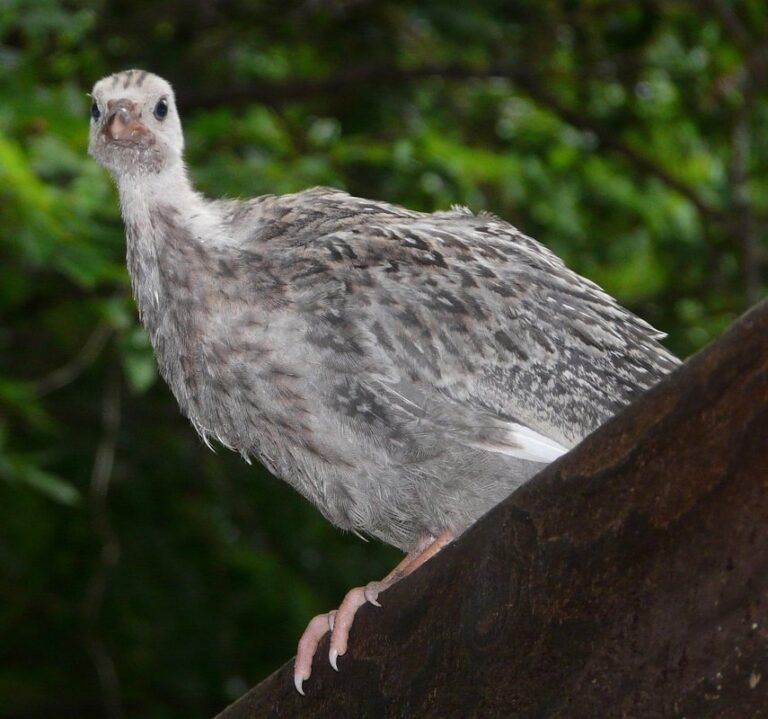
Choosing the Right Guinea Fowl Breed
When it comes to raising healthy guinea keets, selecting the right breed is crucial, so let’s take a look at some popular and hardy options for your flock.
Importance of Selecting a Suitable Breed for Your Farm
When it comes to raising healthy guinea keets, selecting the right breed is crucial for their well-being and success on your farm. With over 50 recognized breeds of guinea fowl, each with its unique characteristics, choosing the perfect one can be overwhelming.
Considerations such as climate, available space, and management style play a significant role in deciding which breed to choose. For instance, if you live in an area with harsh winters, a hardy breed like the African or White Chinese guinea fowl would be more suitable. On the other hand, if you have limited space, a compact breed like the Pearl or Lavender guinea fowl might be a better fit.
When selecting a breed, think about their temperament and foraging habits as well. Some breeds are known to be docile and easy-going, making them perfect for small farms or families with children. Others, like the Jungle Fowl, are more energetic and require plenty of space to roam. Take these factors into account to ensure you’re getting a breed that complements your farm’s specific needs and allows your keets to thrive.
Understanding the Basics of Guinea Fowl Behavior
Guinea fowl are social animals that thrive on interaction and community, making them perfect for backyard flocks. They live in a hierarchical structure, with dominant birds leading the way and younger ones learning from their elders. If you’re introducing guinea keets to an existing flock, be prepared for some initial pecking order struggles. However, with patience and proper introduction, they’ll soon settle into their new home.
When it comes to mating habits, guinea fowl are known for their monogamous nature, often forming long-term pair bonds. This can make them challenging to breed, as you may need to introduce new birds to encourage diversity within your flock. Be aware that guinea fowl can be loud, producing a range of sounds from soft clucks to ear-piercing screams. If noise is a concern for you or your neighbors, consider choosing breeds with lower decibel levels.
To minimize stress and maintain harmony in your flock, establish clear routines and provide ample space for exercise and exploration. This will help keep your guinea fowl happy, healthy, and well-adjusted to their new environment.
Building a Suitable Environment for Your Keets
Once you bring home your adorable guinea keets, it’s essential to create a safe and nurturing environment that fosters their growth and development. We’ll explore the must-haves for setting up a healthy space for your new additions.
Creating a Safe and Comfortable Brooder
When setting up a brooder for your guinea keets, it’s essential to prioritize their safety and comfort. A well-designed brooder will provide the ideal environment for them to grow and develop during their first few weeks of life.
To ensure adequate ventilation, you’ll need to install windows or vents that allow for airflow while keeping predators out. This can be achieved with hardware cloth or chicken wire covering the openings. Consider placing the brooder near a window to maximize natural light and breeze.
Temperature control is also crucial. Guinea keets require a consistent temperature between 90°F to 100°F (32°C to 38°C) during their first week, gradually decreasing by 5°F (3°C) every week thereafter. You can achieve this with heat lamps or ceramic heat emitters, but be cautious not to overheat the brooder.
Proper lighting is equally important. Aim for a balanced spectrum of light that promotes healthy growth and prevents eye problems. Consider using LED grow lights specifically designed for poultry, which provide a broad spectrum of light without overheating.
Keep in mind that guinea keets are sensitive to drafts, so ensure the brooder is draft-free while still maintaining adequate ventilation. By following these guidelines, you’ll create a safe and comfortable environment for your keets to thrive during their critical development phase.
Providing Proper Nutrition and Hydration
Providing proper nutrition and hydration is crucial for your guinea keets to grow into healthy adults. From hatch to maturity, their dietary needs will change, so it’s essential to understand what they require at each stage.
From day one, guinea keets need a high-quality starter feed specifically formulated for poultry. This should be offered in a shallow dish, as keets can easily tip over deeper containers. Ensure the feed is kept fresh and clean by changing it daily. Supplement with calcium and vitamin D3 to support strong bone development.
As they grow, you can introduce leafy greens like kale, spinach, and lettuce, but avoid giving them too much of these as they’re high in oxalates, which can cause kidney stones. Offer fruits like berries, melons, or apples sparingly, as guinea keets have a sweet tooth and may overeat.
Fresh water should always be available, changed daily to prevent bacterial growth. Use a shallow dish with fresh water at all times, especially when feeding high-moisture foods like wet mash or soups.
Keet Care Essentials: Health, Hygiene, and Handling
Now that your keets are settled in, it’s time to focus on their health, hygiene, and handling to prevent common issues and ensure they grow strong and healthy. Proper care is crucial during this critical phase of development.
Monitoring Keet Health and Preventing Common Issues
Monitoring keet health is crucial to prevent common issues and ensure their well-being. As a responsible guinea keet owner, it’s essential to recognize the signs of illness or disease in your flock.
Keets can be prone to various health problems, including respiratory infections, scaly leg mites, and internal parasites. Keep an eye out for symptoms such as labored breathing, lethargy, loss of appetite, and changes in droppings. These could be indicative of a more serious issue.
To prevent these common issues, vaccination is crucial. Consult with your veterinarian to determine the best vaccination schedule for your keets. Additionally, ensure good hygiene practices by regularly cleaning their enclosure, feeding area, and removing any soiled bedding. Deworming treatments should also be administered as recommended by your veterinarian to control internal parasites.
Regular monitoring of your keets’ health will help you catch any potential issues early on, allowing for timely intervention and treatment. By staying vigilant and following preventative measures, you can reduce the risk of common health problems and raise happy, healthy guinea keets.
Hand-Raising and Socializing Your Keets
When you bring home a batch of adorable guinea keets, it’s essential to start hand-raising and socializing them from an early age. This process not only helps build trust but also ensures they grow into confident and friendly adults. Begin by gently picking up each keet daily, allowing them to become accustomed to human touch.
Start with short handling sessions of around 5-10 minutes, gradually increasing the time as they become more comfortable. Make sure to handle a mix of keets at different times to avoid over-handling one individual and under-handling another. This balanced approach helps prevent dominance or submission behaviors from developing.
As you handle your keets, engage with them in interactive play using toys and treats to encourage socialization. Offer a variety of textures and sounds to stimulate their senses and curiosity. Reward calm behavior with treats and praise to reinforce positive interactions. Remember, patience is key – let the keets initiate contact, as forcing interaction can lead to anxiety and stress. By following these guidelines, you’ll develop a strong bond with your guinea keets and set them up for a lifetime of happy and healthy relationships with humans.
Housing and Fencing for Guinea Keets
When it comes to raising healthy guinea keets, providing a safe and secure environment is crucial. This means creating a suitable housing setup with sturdy fencing that protects your birds from predators.
Designing a Suitable Coop or Run
When it comes to designing a suitable coop or run for your guinea keets, proper planning and execution are crucial. A well-designed coop will provide a safe and healthy environment for your keets, while also protecting them from predators.
A good rule of thumb is to provide at least 2-3 square feet of space per guinea keet inside the coop, with adequate ventilation to prevent ammonia buildup from droppings. Consider using durable materials such as metal or wood, avoiding plastic and mesh which can be damaged by guinea pigs’ sharp teeth.
For predator protection, consider installing a sturdy wire fence around the run, at least 3 feet high to deter foxes, coyotes, and other predators. You can also use hardware cloth with openings of no more than 1 inch in diameter to prevent smaller animals like raccoons from getting in.
When building or purchasing a coop or run, prioritize easy cleaning and maintenance by incorporating features such as removable roosts and drop pans. This will save you time and effort in keeping your keets’ living space clean and hygienic.
Outdoor Space and Free-Range Opportunities
When it comes to raising guinea keets, providing them with outdoor space is essential for their physical and mental well-being. Outdoor access allows them to engage in natural behaviors like foraging, scratching, and exercising, which are crucial for their development. However, introducing free-range opportunities also presents challenges that need careful consideration.
Predators such as hawks, owls, foxes, and coyotes pose a significant threat to guinea keets when they’re allowed outdoors. To mitigate this risk, it’s essential to create a secure enclosure that’s escape-proof and predator-resistant. Consider using hardware cloth or chicken wire with openings of 1 inch or smaller to prevent predators from getting in. Make sure the fence is at least 3 feet high and extends at least 12 inches below ground level to prevent burrowing.
Before letting your keets out, ensure you’ve removed any escape routes such as holes under fences or gates. Regularly inspect your enclosure for signs of wear and tear, and repair any damage promptly. By taking these precautions, you can provide your guinea keets with a safe and enjoyable outdoor experience that supports their overall health and happiness.
Tips for Successful Keet Management
Now that you have a healthy batch of keets, it’s time to put them on the path to success! This section will cover practical tips and expert advice to help you manage your keet’s growth.
Managing Noise and Stress Levels in Your Flock
Guinea keets can be quite vocal, and their loud squawking can sometimes be a concern for new guinea fowl owners. To minimize noise levels and stress in your flock, it’s essential to establish a balance between providing them with enough space and keeping the noise at bay.
One effective way to reduce noise is by creating a balanced mix of individual enclosures and communal areas. This will allow your keets to have some quiet time while also enjoying social interaction with their flock members. For instance, you can create a spacious aviary or enclosure for exercise and playtime, and then provide smaller, soundproofed pens for quieter periods.
To further minimize stress, ensure that your guinea fowl’s basic needs are met consistently. This includes providing them with a reliable food source, clean water, and adequate shelter from the elements. A well-planned feeding schedule can also help to reduce competition among keets and subsequently lower noise levels.
Aim for around 10-15 minutes of exercise and playtime per day in an enclosed or soundproofed area, followed by some quiet time in their individual pens. By implementing these measures, you’ll be able to create a harmonious environment for your guinea keets that promotes both physical activity and mental well-being.
In addition to providing adequate space and minimizing stressors, it’s also crucial to establish clear boundaries with neighbors and family members who may be disturbed by the noise. Consider communicating with them ahead of time to set expectations, or setting up a designated “guinea zone” in your backyard where they can roam freely without disturbing others.
By putting these practical tips into action, you’ll not only reduce noise levels but also create a peaceful environment for both your guinea keets and those around you.
Raising Guinea Keets as Pets: Considerations and Best Practices
Raising guinea keets as pets can be a truly rewarding experience, but it’s essential to understand their unique personalities and needs. These tiny birds are known for their curious and energetic nature, so they require plenty of space to move around and exercise. A roomy enclosure or a large playpen is a must-have when raising keets indoors.
One of the most significant challenges you’ll face is keeping your keets entertained and stimulated. Guinea keets are intelligent and love to explore, so provide them with a variety of toys and activities to prevent boredom and stress. Fill treat-dispensing toys with their favorite snacks or offer interactive games like “find-the-treat” to keep them engaged.
It’s also crucial to understand that guinea keets have different personalities just like humans do. Some may be more affectionate, while others might prefer to keep a distance. Be patient and allow your keet to come to you; respect their boundaries and don’t force interaction. With time, patience, and proper care, your keet will become a loving and loyal companion, bringing joy and laughter into your life.
Frequently Asked Questions
What’s the ideal age for introducing guinea keets to an existing flock?
Introducing young keets to a mature flock can be challenging. It’s recommended to wait until your keets are around 4-6 weeks old before introducing them to the rest of the flock. This allows for a smoother transition and minimizes stress on both the keets and the established birds.
How often should I check on my guinea keets’ brooder temperature?
Temperature fluctuations can be detrimental to your keets’ health. Aim to check the brooder temperature at least twice daily, making adjustments as necessary to maintain a consistent range of 90-95°F (32-35°C) for the first few weeks.
Can I raise guinea keets in cold climates without special equipment?
While guinea fowl are relatively hardy birds, extreme cold can still pose health risks. In areas with prolonged sub-freezing temperatures, it’s essential to provide additional heat sources and protection for your keets’ brooder or coop. Consult with a local poultry expert to determine the best strategies for your specific climate.
How do I know if my guinea keets are getting enough calcium?
Guinea fowl require adequate calcium intake to prevent health issues like metabolic bone disease. Monitor your keets’ diet and ensure they have access to high-quality calcium supplements or oyster shells. Signs of calcium deficiency may include soft eggshell production, weakness, or lethargy.
What’s the best way to manage guinea keet noise levels in a residential area?
Guinea fowl are naturally vocal birds, but excessive noise can be a concern for neighbors. Implement strategies like providing adequate space and enrichment activities, exercising your keets regularly, and using noise-dampening materials in their coop or run to minimize disturbance.