
Are you an avid breeder or enthusiast looking to learn more about raising champion guinea keets? Look no further! The guinea keet pearl is a highly sought-after breed, prized for its unique characteristics and show-stopping appearance. If you’re new to guinea pig breeding or just starting out with this specific breed, understanding the ins and outs of their care is crucial. From nutrition and health to grooming and training, we’ll delve into the essential tips and tricks you need to know to raise healthy and happy keets. Whether your goal is to show off your pearl keet’s stunning coat or simply enjoy their loving companionship, this guide has got you covered – read on for expert advice on how to bring out the best in your guinea keets.
What are Guinea Keets Pearl?
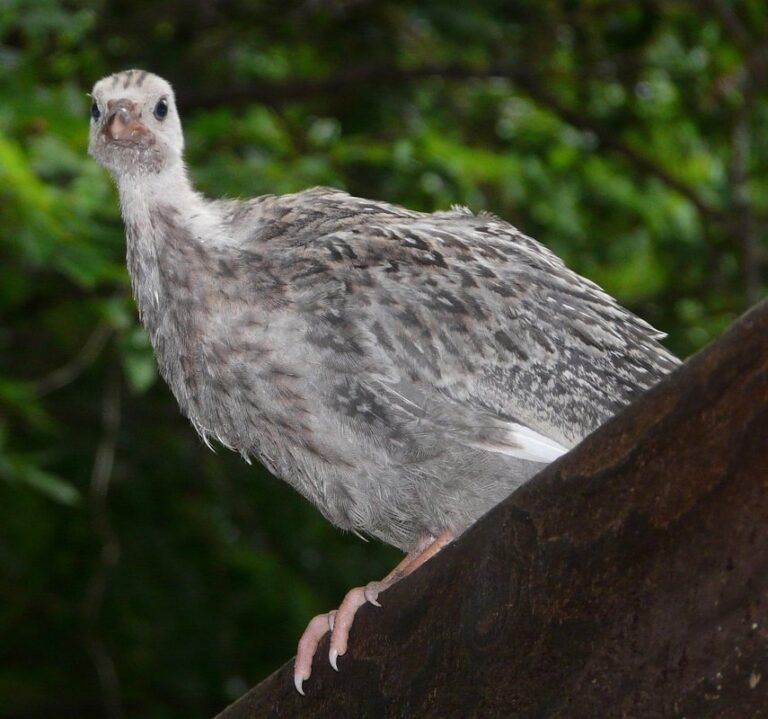
Guinea keets pearl, a rare and unique variation of the guinea fowl breed, boasts striking characteristics that set it apart from other types. Let’s dive in and explore what makes this special bird so interesting.
Origin and History of Guinea Keets Pearl
Guinea keets pearl is a breed of guinea fowl that originated from Africa, specifically from the Guinea region. The history of this breed dates back to the 15th century when they were highly valued for their unique characteristics and plumage. These birds are known for their attractive white feathers with a metallic sheen, which is where they get their name ‘pearl’.
The guinea keets pearl was bred in Africa as a farm bird, providing a sustainable source of protein-rich meat. However, it wasn’t until the 20th century that this breed made its way to Europe and North America. Today, you can find guinea keets pearl farms across the globe, with many enthusiasts breeding them for their unique characteristics.
Some key factors contributed to the success of the guinea keets pearl in international markets. Firstly, their cold hardiness allowed them to thrive in various climates. Secondly, their ability to adapt quickly to new environments made them an attractive option for farmers looking to diversify their poultry breeds. Lastly, their low-maintenance care and high-quality meat have sealed their popularity among poultry enthusiasts.
With the increasing demand for exotic and heritage poultry, the guinea keets pearl has become a sought-after breed worldwide. If you’re considering getting your hands on this stunning bird, be sure to research local laws and regulations regarding exotic animal ownership before making a purchase.
Physical Characteristics of Guinea Keets Pearl
Guinea Keets Pearl are known for their striking physical appearance. When it comes to plumage, they have a unique combination of soft, fluffy feathers and iridescent sheens that give them an otherworldly look. Their feathers can be found in various shades of brown, white, and gold, with intricate patterns on the wings and tail.
In terms of size, Guinea Keets Pearl are relatively small, typically weighing between 1-2 pounds (0.5-1 kg) and measuring around 10-12 inches (25-30 cm) in length. Their beak shape is also distinctive, being slightly curved and tapering towards the tip.
One characteristic that sets Guinea Keets Pearl apart from other guinea fowl breeds is their ‘pearl’ quality – a unique feature where white or pale feathers are scattered throughout the plumage, giving them a subtle sheen in certain lighting conditions. This unique trait makes them particularly eye-catching and sought after by many enthusiasts.
Characteristics of Guinea Keets Pearl
One of the most distinctive features of guinea keets pearl is their unique appearance, which sets them apart from other breeds. Let’s take a closer look at what makes them so special.
Temperament and Personality Traits
Guinea keets pearl are known for their gentle and affectionate nature, making them an excellent choice for families with children. One of the most distinctive characteristics of this breed is their calm temperament, which sets them apart from other guinea fowl breeds. They are relatively quiet, especially when compared to other guineas, which can be loud and boisterous.
In terms of personality traits, guinea keets pearl are highly social birds that thrive on interaction with humans. They are curious and love to explore their surroundings, but they also enjoy being around people and will often follow them around the yard or coop. This makes them a great choice for backyard flocks, as they can provide entertainment and companionship.
If you’re considering bringing guinea keets pearl into your flock, it’s essential to provide them with plenty of space to roam and explore. A minimum of 2-3 square feet per bird is recommended, and a secure coop or enclosure will help prevent escape attempts. With proper care and attention, these charming birds will reward you with their loving and playful nature.
Health and Hardiness
While guinea keets pearl are renowned for their hardiness, they can still be susceptible to certain health issues. One of the most common concerns is respiratory problems, which can arise from dust and mites in their environment. To mitigate this, it’s essential to maintain a clean and well-ventilated coop, change bedding regularly, and provide regular dust baths.
Another potential issue is metabolic bone disease (MBD), caused by a lack of calcium or vitamin D3 in the diet. This can be prevented by offering a balanced feed supplemented with calcium and vitamin D3. Fresh vegetables like kale and spinach are also rich in these nutrients.
Additionally, guinea keets pearl can be prone to obesity if overfed or under-exercised. Monitor their food intake and ensure they have ample space for movement within the coop and outdoors. Regular health checks by a veterinarian will help identify any issues early on, enabling timely intervention and ensuring your keets lead happy, healthy lives.
Flocking and Socialization
As social birds, guinea keets pearl have an innate need for interaction and companionship. They thrive in flocks, which is essential for their emotional and psychological well-being. In fact, studies have shown that solitary confinement can lead to stress, anxiety, and even depression in guinea keets.
To ensure your guinea keet gets the socialization it needs, start by introducing it to other birds at a young age. Begin with birds of similar size and temperament, such as other guineas or breeds like parakeets or cockatiels. Start with short introductions, allowing them to get used to each other’s presence and sounds.
It’s essential to monitor their behavior closely during these interactions. If you notice any signs of aggression, fear, or stress, separate them immediately and restart the introduction process from scratch. With patience and careful planning, you can create a harmonious flock where your guinea keet feels safe, happy, and connected with its feathered friends.
Raising Guinea Keets Pearl: A Beginner’s Guide
Welcome to raising your very first guinea keet, Pearl! This beginner’s guide will walk you through the essential steps to ensure a healthy and happy start for your new feathered friend.
Choosing Healthy Keets
When selecting healthy guinea keets pearl chicks, it’s essential to look for signs of good health. A healthy keet should have bright, alert eyes and a strong, active demeanor. Check for smooth, shiny feathers on the neck, back, and wings, which are indicative of good overall health.
Look for a well-proportioned body with no visible deformities or twists in the legs. Make sure the beak is short and symmetrical, as an overgrown beak can lead to respiratory issues later in life. Also, check for any signs of respiratory problems, such as wheezing or rapid breathing.
Some potential defects to watch out for include:
• Slipped keets: these have a deformed spine that can cause mobility issues
• Wry necks: characterized by an abnormal curvature of the neck, which can lead to difficulty walking and feeding
When inspecting the beak, make sure it’s not overgrown or pointing downwards. Healthy guinea keets pearl chicks should also have no signs of mites, lice, or scaly legs.
By carefully selecting healthy keets, you’ll set your new flock up for a happy, thriving life.
Housing and Environment Requirements
When it comes to raising guinea keets pearl, providing them with the right housing and environmental conditions is crucial for their health and well-being. To start with, guinea keets need plenty of space to move around. A minimum floor area of 2 square feet per bird is recommended, but more space is always better. This means that if you’re keeping a dozen keets, you’ll need a coop or enclosure that’s at least 24 square feet in size.
When it comes to shelter, guinea keets pearl require protection from the elements and predators. A sturdy coop with good ventilation is essential, as well as adequate bedding material like straw or wood shavings. The coop should be well-ventilated to prevent ammonia build-up from droppings, which can cause respiratory problems.
In terms of outdoor access, guinea keets pearl need regular time outdoors to exercise and engage in natural behaviors like foraging and socializing. A securely fenced run or enclosed area is perfect for this purpose, providing them with a safe space to explore while keeping predators at bay.
Nutrition and Dietary Needs
When it comes to raising healthy and thriving guinea keets pearl, providing them with the right nutrition is crucial. These tiny birds have specific dietary needs that require attention from day one.
Guinea keets pearl need a balanced diet rich in protein, calcium, and vitamins. You can start by offering high-quality starter feed specifically formulated for young waterfowl. Mix this feed with whole grains like oats or barley to provide fiber and nutrients. As they grow, gradually introduce more vegetables like leafy greens, carrots, and sweet potatoes.
A guinea keet’s pearl diet should also include a source of calcium to support strong bone growth. Crushed eggshells or dark leafy greens like kale and spinach are excellent sources of calcium. Fresh fruits can be given in moderation, but avoid giving them too much as it may cause digestive issues.
It’s essential to maintain a consistent feeding schedule to ensure your guinea keets pearl get the nutrients they need. Start with small amounts (about 1-2 tablespoons per chick) and gradually increase the quantity as they grow. Remember to always provide fresh water, and clean their food and water dishes daily to prevent bacterial growth.
Health Considerations: Common Issues and Prevention
When raising guinea keets for their pearls, it’s essential to be aware of common health issues that can affect them and take preventative measures to ensure a thriving flock. We’ll explore these concerns in this section.
Respiratory Problems in Guinea Keets Pearl
One of the most critical health concerns for guinea keets is respiratory problems. As a breeder or owner, it’s essential to be aware of the common issues affecting these beautiful birds.
Guinea keets are prone to brooder pneumonia, a bacterial infection that can be fatal if left untreated. This condition often occurs when the keets are exposed to cold temperatures, poor ventilation, or dirty living conditions in their brooding area. To prevent this issue, it’s crucial to maintain a warm and dry environment, ensure good airflow, and clean the brooder regularly.
Another respiratory problem that can affect guinea keets is Newcastle disease. This viral infection can cause symptoms such as labored breathing, coughing, and lethargy. Vaccination is the most effective way to prevent this disease. It’s recommended to consult a veterinarian to determine the best vaccination schedule for your flock.
In addition to these specific issues, it’s essential to maintain good overall health habits for your guinea keets. Provide a balanced diet, ensure access to clean water at all times, and monitor their health regularly. By taking preventative measures and staying vigilant, you can minimize the risk of respiratory problems in your guinea keet flock.
Parasites and Pests
Guinea keets pearl are prone to various parasites and pests that can negatively impact their health. Some of the most common issues you may encounter include internal parasites such as worms, mites, and lice. These tiny invaders can cause a range of problems from weight loss and lethargy to severe illness and even death.
To prevent parasite infestations, it’s essential to maintain clean living conditions for your keets. This includes regular cleaning of their enclosure, proper waste disposal, and thorough disinfection of any equipment or toys. A balanced diet rich in nutrients can also help boost the keet’s immune system, making them more resistant to parasites.
Common signs of parasite infestations include excessive droppings, matted or dirty feathers, and lethargy. If you suspect a problem, it’s crucial to act quickly by consulting with a veterinarian experienced in caring for small poultry. Treatment options vary depending on the type of parasite, but often involve deworming medication or topical treatments.
Some natural remedies such as garlic, diatomaceous earth, and apple cider vinegar can also be used to repel parasites. However, always consult with your veterinarian before introducing any new supplements or treatments to avoid adverse reactions.
Vaccinations and Boosters
Vaccinations and boosters are crucial for maintaining the health of guinea keets. While not all areas require vaccinations for guinea fowl, it’s essential to understand the importance of these programs. Vaccination protects against diseases such as Newcastle disease, which is highly contagious and can be fatal.
A vaccination program typically involves administering a series of injections at different ages, starting from day old. The type and frequency of vaccinations depend on factors like climate, region, and local health concerns. For example, in areas where Newcastle disease is prevalent, keets may receive multiple doses of the vaccine over their first few months.
Booster shots are also necessary to maintain immunity against diseases. These can be administered annually or as required by your veterinarian based on your location. It’s crucial to work closely with a vet who is experienced in treating guinea fowl to determine the best vaccination and booster schedule for your flock. Keeping records of vaccinations and boosters is also essential for ensuring you stay up-to-date and comply with local regulations.
Guinea Keets Pearl vs Other Breeds: Key Differences
If you’re considering adding guinea keets pearl to your flock, it’s essential to know how they compare to other breeds in terms of temperament and characteristics. In this section, we’ll explore the key differences.
Comparison with African or Chinese Guinea Fowl
When it comes to choosing the perfect guinea fowl breed for your backyard flock, you may be considering other popular options like African or Chinese Guinea Fowl. While these breeds share some similarities with the Pearl, there are several key differences that set them apart.
One notable difference is in their temperament and social structure. African Guinea Fowl, for instance, are known to be more aggressive and territorial, requiring a larger space to roam and often necessitating separate enclosures. In contrast, Chinese Guinea Fowl are generally milder-mannered but can still be loud and boisterous at times.
The Pearl, on the other hand, is renowned for its calm and friendly demeanor, making it an excellent choice for families with children or those who want a more low-key bird-keeping experience. Its size is also significantly smaller compared to African and Chinese breeds, growing up to about 18 inches in height and requiring less space.
If you’re new to guinea fowl keeping, the Pearl’s gentle nature makes it an excellent starting point. However, if you’re looking for a more robust and energetic breed, the African or Chinese Guinea Fowl might be a better fit.
Advantages and Disadvantages of Raising Guinea Keets Pearl
When it comes to raising guinea keets pearl, it’s essential to weigh the advantages and disadvantages of this breed. One significant advantage is their ease of handling. Guinea keets pearl are known for being friendly and docile, making them an excellent choice for families with children or first-time poultry owners.
On the other hand, one major disadvantage is their slower growth rate compared to other breeds. It can take around 26-30 weeks for guinea keets pearl to reach maturity, which may not be ideal for some farmers looking to maximize profits quickly.
Another consideration is their unique appearance. Guinea keets pearl have a beautiful, silky feathering that requires regular grooming to prevent matting and tangling. This added maintenance can be time-consuming and may not appeal to those who prefer low-maintenance pets.
Despite these drawbacks, many breeders find the benefits of raising guinea keets pearl outweigh the disadvantages. Their friendly nature and stunning appearance make them a popular choice among backyard chicken enthusiasts and commercial farmers alike.
Tips for Show and Exhibition
When it comes to showing off your prized guinea keets pearl at exhibitions, you’ll want to make sure they’re looking their absolute best. We’ve got some expert tips to help you prepare for a winning display.
Preparation and Conditioning for Shows
When it comes to showing guinea keets pearl, preparation and conditioning are crucial for success. To increase your chances of winning, start by developing a well-planned strategy that includes regular grooming sessions. Brush their feathers gently but thoroughly 2-3 times a week to prevent matting and tangling.
In the weeks leading up to the show, focus on maintaining their weight and condition through a balanced diet rich in nutrients. Ensure they have access to fresh water at all times, and make sure their coop is clean and well-ventilated.
Practice handling your guinea keets pearl regularly to help them become comfortable with being handled and examined by judges. This will not only make the experience less stressful for both you and your birds but also enable them to showcase their best features.
Also, get familiar with the breed standard for guinea keets pearl, so you can identify any potential issues and work on correcting them before the show. By following these steps, you’ll be well-prepared to present your birds in their absolute best light, giving yourself the best chance at success.
Handling and Grooming for Maximum Effect
When it comes to handling and grooming your guinea keets pearl for maximum effect at shows and exhibitions, attention to detail is crucial. Start by getting your birds accustomed to being handled regularly, making them comfortable with gentle touch and restraint.
To begin with, start with short sessions of 5-10 minutes a day, gradually increasing the duration as your keet grows more relaxed. Hold them securely but gently, supporting their body and legs, and avoid sudden movements that might frighten them.
For grooming, focus on the areas around the eyes, beak, and feet. Use a soft-bristled brush or a cotton ball to gently clean these sensitive spots. Keep your keet’s coat well-groomed by brushing it in the direction of hair growth at least twice a week. This not only looks neat but also helps prevent matting and tangling.
Remember, handling and grooming are essential skills for show birds, so practice regularly to build trust and confidence between you and your guinea keets pearl. With patience and consistency, you’ll be able to showcase your bird’s unique charm and personality to its full potential.
Conclusion and Final Thoughts
As you’ve made it through this journey of learning about guinea keets pearl, we hope you have a newfound appreciation for these charming birds. Whether you’re a seasoned poultry enthusiast or just starting out, guinea keets pearl are sure to captivate you with their unique charm. One key takeaway from our discussion is that guinea keets pearl require patience and gentle handling – they thrive on consistent care and attention. To make the most of your experience with these birds, be prepared to invest time in establishing a trusting relationship.
By doing so, you’ll be rewarded with loyal companions that bring joy and entertainment to any backyard or living space. With proper care, guinea keets pearl can live up to 10-15 years, providing endless hours of delight for those who cherish their company.
Frequently Asked Questions
What are some common health issues to watch out for in guinea keets pearl?
Guinea keets pearl are generally hardy birds, but they can be prone to respiratory problems due to their sensitive respiratory system. Monitor your keets’ behavior and health closely, especially during extreme weather conditions or changes in environment. Regular vaccinations, a balanced diet, and good housing conditions can help prevent common issues like respiratory problems.
How do I care for my guinea keets pearl’s unique coat?
The striking white feathers of the guinea keet pearl require regular grooming to maintain their health and appearance. Use gentle brushes specifically designed for birds to prevent matting and tangling, and ensure your keets’ living area is clean and well-ventilated.
Can I keep multiple guinea keets pearl together in a flock?
Yes, guinea keets pearl are social birds that thrive in the company of others. However, introducing new birds to an existing flock should be done carefully to prevent conflicts and stress. Ensure your keets have enough space, resources, and individual attention to maintain their well-being.
How can I ensure my guinea keets pearl receive proper nutrition?
Guinea keets pearl require a balanced diet that includes high-quality commercial pellets as the main staple, supplemented with fresh fruits and vegetables daily. Avoid overfeeding, which can lead to obesity and other health issues. Provide access to clean water at all times.
What are some tips for preparing my guinea keets pearl for show?
To bring out the best in your guinea keets pearl’s stunning appearance, focus on proper grooming, exercise, and a healthy diet. Provide regular training sessions to ensure your keets are well-behaved and respond confidently to handling and commands. Consult with experienced breeders or veterinarians for expert advice on preparing your keets for shows.