
Are you thinking about bringing some egg-laying joy into your backyard? Whether you’re a seasoned homesteader or just starting out, raising happy and healthy hens is easier than you think. With so many breeds to choose from, it’s essential to know how to select the right ones for your needs – from prolific layers like Leghorns to gentle giants like Orpingtons.
In this comprehensive guide, we’ll walk you through everything you need to know about raising egg-laying hens. We’ll cover the best breeds for small spaces and beginners, provide expert advice on nutrition and health, and share tips on creating a happy and stress-free coop environment. By the end of this article, you’ll be well-equipped to welcome your very own flock and start enjoying fresh, farm-to-table eggs in no time!
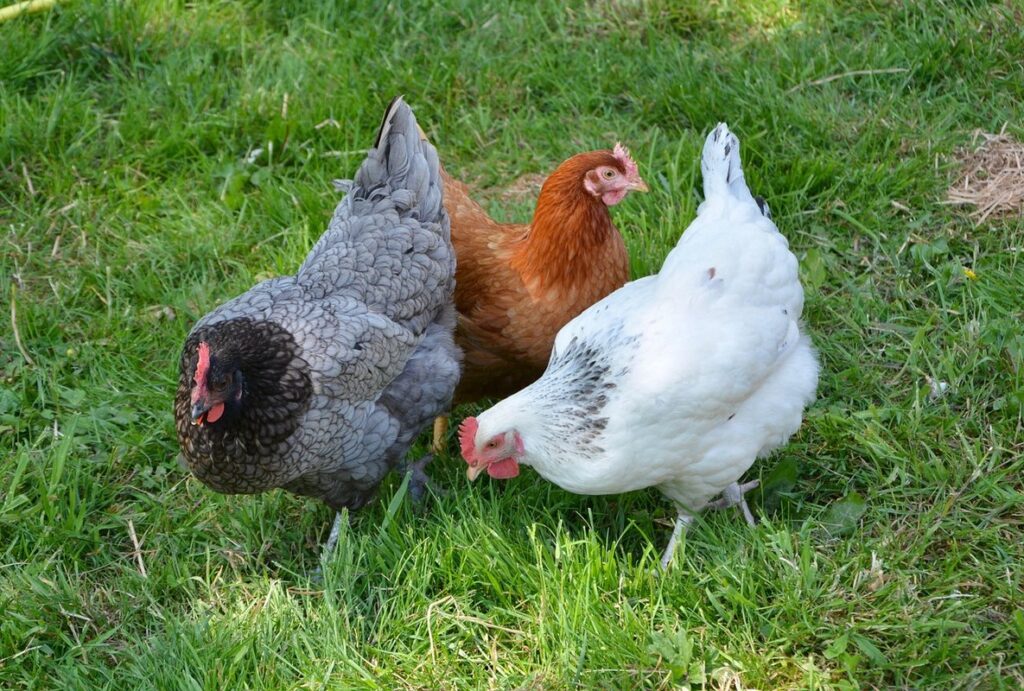
Introduction to Egg-Laying Hens
Let’s start by learning about the basics of egg-laying hens, including their behavior, characteristics, and ideal living conditions for optimal production. We’ll cover what you need to know to get started.
Importance of Backyard Chickens
Keeping backyard chickens can be an incredibly rewarding experience for many reasons. One of the most obvious benefits is getting fresh eggs right from your own yard! There’s nothing quite like cracking open a cold egg from your own flock and enjoying it in omelets, scrambled eggs, or any other recipe you love. Not only do homegrown eggs taste better than store-bought ones, but they’re also often healthier due to the natural diet and living conditions of your chickens.
But backyard chickens offer more benefits beyond just fresh eggs. They can be a fantastic educational tool for kids (and adults alike!) teaching valuable lessons about responsibility, sustainability, and animal care. Your flock will also provide hours of entertainment as you watch them roam around their enclosure, socialize with each other, and engage in natural behaviors like pecking, scratching, and dust bathing.
Consider starting small by raising just a few hens to begin with, and see how it goes! You might be surprised at how much joy your backyard chickens bring to your daily life.
Types of Chicken Breeds Suitable for Eggs
When it comes to choosing the right chicken breed for egg production, you’ll want to consider those that are known for their high egg-laying capabilities. Among the most popular breeds suitable for eggs are Leghorns, Rhode Island Reds, and Barred Rocks.
Leghorns, in particular, are renowned for their incredible egg production rates. They can lay up to 300 large white eggs per year, making them a top choice for backyard chicken keepers who want a steady supply of fresh eggs. Their high productivity is due in part to their ability to begin laying eggs at a relatively young age – often around 18 weeks.
Rhode Island Reds are another popular breed, known for their friendly and docile nature. They lay around 200-220 brown eggs per year, making them a great choice for those who want a steady supply of eggs without sacrificing too much space or resources. Barred Rocks, meanwhile, are hardy and prolific layers, producing around 200 large brown eggs per year.
These breeds are all relatively easy to find at local feed stores or online, and with proper care, they’ll reward you with an abundance of fresh eggs for years to come.
Building a Safe and Healthy Environment
When it comes to raising egg-laying hens, providing a safe and healthy environment is crucial for their well-being. Here, we’ll share practical tips on creating an ideal space for your feathered friends.
Coop Design and Construction Basics
When it comes to building a safe and healthy environment for your egg-laying hens, their coop is where they’ll spend most of their time. A well-designed coop is crucial to ensure the health and happiness of your girls.
First and foremost, consider the size of the coop. The general rule of thumb is to provide at least 3-4 square feet per hen inside the coop. This may seem like a lot, but remember that hens will need space to move around, stretch their wings, and exercise. A good size for a small flock would be an 8×10 foot coop.
Ventilation is also vital. Proper airflow helps prevent ammonia buildup from droppings, which can lead to respiratory issues in your hens. Aim for at least one window or vent per end of the coop, with mesh openings around 1 inch square. This will ensure a constant flow of fresh air without letting predators in.
Predator protection is another essential consideration. Chickens are vulnerable to foxes, coyotes, and other wildlife that may try to get into your coop. Use hardware cloth or chicken wire with openings of about 1 inch or less to cover windows, vents, and any gaps around the coop. Bury the fencing at least 12 inches underground to prevent digging predators from getting in.
Health Considerations: Hygiene and Disease Prevention
Maintaining good hygiene and preventing disease are crucial aspects of raising healthy egg-laying hens. To keep your flock safe and thriving, it’s essential to implement robust biosecurity measures. This includes regularly cleaning and disinfecting coops and equipment, as well as ensuring proper ventilation.
Vaccinations can also play a vital role in protecting your hens from diseases such as Newcastle disease and infectious bronchitis. Consult with a veterinarian to determine the best vaccination schedule for your flock based on factors like location and climate.
Parasite control is another critical consideration. Regularly inspecting your hens for external parasites like mites, lice, and fleas can help prevent infestations. Treat any affected birds promptly and take steps to eliminate these pests from the coop. Additionally, maintaining a clean environment, ensuring proper waste management, and providing adequate ventilation can all contribute to reducing parasite prevalence.
By prioritizing hygiene and disease prevention, you’ll be better equipped to keep your flock healthy and productive.
Nutrition and Feed Options
When it comes to raising egg-laying hens, choosing the right nutrition and feed options can make all the difference for their health and productivity. Let’s take a closer look at your choices.
Balanced Diets for Egg-Laying Hens
When it comes to egg-laying hens, a balanced diet is crucial for optimal health and productivity. A well-planned diet should provide adequate protein, calcium, and essential vitamins to support strong bone growth, muscle function, and overall fertility. Aiming for 16-18% protein in their feed will help ensure they’re getting enough amino acids to produce high-quality eggs.
Calcium is also a vital component of a balanced diet for egg-laying hens. Aim for around 2.5-3.5% calcium content in their feed, which will support strong bone growth and prevent metabolic disorders. Vitamin D3 is another essential nutrient that helps regulate calcium absorption and bone health. Ensure your hen’s feed contains sufficient amounts of vitamin D3 to keep them healthy.
In terms of specific recommendations, a good starting point is to provide layer pellets or mash as the main staple of their diet. Supplement with dark leafy greens like kale, spinach, or collard greens to provide additional calcium and vitamins. You can also offer small amounts of whole grains like oats or barley for fiber and nutrients.
Supplemental Feed Options: Pros and Cons
When it comes to providing egg-laying hens with a balanced and nutritious diet, supplemental feed options can be a great way to enrich their meals. One popular choice is scratch grains, which offer a variety of flavors and textures that hens love. For example, you can try mixing in some oats, barley, or sunflower seeds into their regular feed for added interest.
However, it’s essential to note the pros and cons of using scratch grains. On the plus side, they can provide important nutrients like fiber, vitamins, and minerals that may be lacking in a commercial layer feed. Additionally, offering scratch grains can help reduce stress and boredom in your hens, leading to improved egg production and overall health.
Another option is mealworms, which are high in protein and calcium – two essential nutrients for healthy egg-laying. You can offer them as a treat or mix into the regular feed. Probiotics are also worth considering, as they support gut health and can help prevent digestive issues.
Egg Production Cycle and Lifecycle
Let’s dive into the egg production cycle, where we’ll explore how hens mature, start laying eggs, and maintain their reproductive health throughout their lives. You’ll learn exactly what to expect from your flock.
Understanding Egg Laying Patterns
As egg laying hens continue to thrive, it’s essential to understand their unique patterns. Hens lay eggs based on a combination of genetic predisposition and environmental factors. One significant influencer is age – the younger an hen, the more eggs she’ll produce. In fact, most commercial breeds will peak at around 18-20 weeks, producing over 300 eggs per year.
However, even after this prime egg-laying period, hens can still continue to lay eggs albeit at a lower rate. Proper light exposure is also crucial for maintaining optimal production. Hens need 14 hours of daylight or artificial lighting to stimulate ovulation and egg release. Nutrition plays a vital role too – ensure your flock receives adequate calcium, vitamins, and minerals through a balanced feed.
In terms of management, consider implementing strategies like rotating pastures or adjusting feeding schedules based on the hens’ age and production cycles. Aiming for around 12-14 eggs per hen per month is considered normal. With careful planning, monitoring, and attention to detail, you can optimize your flock’s egg production rates while ensuring their overall health and well-being. By understanding these patterns, you’ll be better equipped to make informed decisions about managing your flock’s lifecycle.
Managing Flock Age and Retirement
As your egg-laying hens continue to age, their production levels will inevitably decline. It’s essential to recognize the signs of aging and plan for their eventual retirement or rehoming. Typically, a hen’s egg-laying abilities start to slow down around 3-4 years old, with production decreasing by about 1% each year.
One way to determine if a hen is showing signs of decline is to monitor her behavior and egg production levels. Look out for reduced laying frequency, smaller eggs, or changes in appetite and droppings. You may also notice hens becoming less active or withdrawing from the flock. If you’ve noticed any of these symptoms in your flock, it’s time to start planning for their retirement.
When it comes to rehoming older hens, consider reaching out to local animal shelters, rescues, or even offering them to friends and family who may be interested in adopting retired hens. Alternatively, you can try selling them at a reduced price through online marketplaces or local classifieds. This way, your hens will find new homes where they’ll receive the care and attention they deserve, while also giving younger hens a chance to take over egg production duties.
Integrated Pest Management (IPM) Strategies
Effective Integrated Pest Management (IPM) strategies are crucial for maintaining a healthy and thriving flock of egg-laying hens. In this section, we’ll explore practical methods to keep pests under control without harming your girls.
Identifying Common Pests and Diseases
As an egg laying hen owner, it’s essential to be aware of common pests and diseases that can affect your flock. Pests like mites and lice can cause significant stress and discomfort for your birds. Mites are tiny, eight-legged parasites that feed on the blood of chickens, while lice are larger and feed on feathers and skin debris. Regular inspections and treatments can help control these infestations.
Respiratory infections are another common issue in backyard flocks. These infections often occur due to poor ventilation or unsanitary living conditions. Birds may exhibit symptoms such as coughing, sneezing, and labored breathing. Fowl pox is a highly contagious viral disease that affects the skin and respiratory system of chickens.
To identify potential issues early on, keep an eye out for unusual behavior, changes in droppings, or visible signs of pests or disease. Maintain clean living conditions, provide adequate ventilation, and ensure access to fresh water and nutrition-rich feed to promote overall health. Regular vaccinations and parasite control measures can also help prevent outbreaks. Consult a veterinarian if you notice any concerning symptoms to ensure the well-being of your flock.
Organic and Non-Toxic Controls for Pests and Diseases
When it comes to managing pests and diseases on your egg-laying hens’ farm, it’s essential to adopt non-toxic methods that prioritize the health and well-being of both your birds and the environment. One effective approach is using essential oils as a natural deterrent against pests like mites, lice, and fleas. For example, you can add a few drops of peppermint oil or tea tree oil to their water or mist it around their coop.
Herbal remedies are another excellent option for controlling diseases. Certain herbs like echinacea, garlic, and oregano have natural antibacterial and antiviral properties that can boost your hens’ immune system. You can add them to their feed or create a herbal tea infusion to promote overall health. Physical barriers are also crucial in preventing pest infestations. Installing hardware cloth or fine-mesh screens around the coop’s ventilation holes will keep unwanted critters out.
To get started, consider consulting with a veterinarian or experienced poultry farmer to determine the best non-toxic methods for your specific flock and farm conditions. Remember to always use high-quality essential oils and herbal remedies, and follow proper dosing instructions to avoid harming your hens. With patience and persistence, you can create a healthy, thriving environment for your egg-laying hens using these non-toxic controls.
Breed Selection and Management Considerations
When choosing egg-laying hens, it’s essential to consider factors such as breed characteristics, space requirements, and management needs to ensure a healthy and thriving flock. We’ll cover these key considerations in this section.
Choosing a Flock Mix for Diversity and Resilience
Maintaining a diverse flock mix is crucial for promoting genetic diversity and resilience in your egg-laying hens. When you choose a single breed, you’re essentially selecting a specific gene pool that can be vulnerable to diseases and environmental stressors. This is where a mixed-breed approach comes into play.
By incorporating multiple breeds into your flock, you’ll introduce new genes and characteristics that can help mitigate risks associated with disease outbreaks or climate change. For instance, some breeds excel in heat tolerance, while others are more resistant to cold temperatures. By combining these breeds, you create a resilient flock that’s better equipped to adapt to changing conditions.
Aim for a mix of 3-5 breeds that complement each other in terms of temperament, egg-laying capacity, and physical characteristics. This will not only promote genetic diversity but also ensure a more balanced and thriving flock. When selecting breeds, consider factors like climate, available space, and your personal management style to create a harmonious and productive mixed-flock environment.
Managing Temperament and Social Dynamics
When it comes to managing temperament and social dynamics within your flock of egg-laying hens, it’s essential to recognize signs of stress or aggression. These can manifest in different ways, such as feather pecking, cannibalism, or even physical attacks on other birds.
A happy and harmonious flock is often a result of proper introduction and integration of new birds into the existing group. To avoid conflicts, introduce new hens slowly and under close supervision, starting with visual introductions through fencing or mesh walls before gradually increasing face-to-face interactions.
Watch for body language cues such as raised hackles, aggressive posturing, or hissing sounds, which can indicate stress or dominance issues. Regularly inspect your flock’s living conditions to ensure adequate space, food, and water, as overcrowding can contribute to social tensions.
To foster a balanced flock dynamic, consider the personality traits of individual birds when selecting new additions. For example, a calm, gentle hen may provide a calming influence on more assertive members of the group. By being aware of these factors and taking proactive steps to maintain harmony within your flock, you can create an environment that promotes stress-free egg laying and overall well-being for all your hens.
Frequently Asked Questions
What’s the ideal flock size for a beginner?
For a small backyard space, consider starting with 2-3 hens to avoid over-crowding and maintain manageable egg production. This will also allow you to monitor their behavior, health, and feeding habits more easily.
How often should I clean and disinfect my coop and run?
Regular cleaning is crucial for maintaining a healthy environment. Aim to do this at least once a week, removing soiled bedding, disinfecting surfaces with a pet-safe cleaner, and replenishing fresh feed and water. This will help prevent disease transmission and maintain egg quality.
Can I keep chickens in areas with extreme temperatures?
While some breeds are more tolerant of heat or cold, it’s essential to provide adequate shelter and ventilation to protect your flock from extreme temperatures. Research specific breed requirements and ensure your coop design can adapt to varying conditions.
How do I introduce new hens to an existing flock?
To minimize stress and aggression, integrate new birds gradually by introducing them under close supervision in a neutral area like the run or a separate pen. Monitor behavior closely and provide a safe escape route for any hen that feels threatened.
What’s the recommended space per bird inside the coop?
Aim for at least 2-3 square feet of floor space per hen, depending on breed size and growth stage. This will help prevent overcrowding and ensure your flock remains healthy and stress-free in their living quarters.