
If you’re raising baby ducks or chicks on your backyard farm or homestead, you know how adorable and entertaining they can be. However, taking proper care of these tiny feathered friends is crucial for their growth and development. As a parent to these little ones, it’s essential to provide them with the right nutrition, health checks, and living conditions to ensure they thrive.
In this article, we’ll dive into the world of raising baby ducks and chicks, covering the must-knows on their care, nutrition, and health tips. We’ll discuss how to create a safe and nurturing environment for your flock, including what to feed them, how often to check for signs of illness, and more. Whether you’re a seasoned farmer or just starting out, this guide will help you provide your baby ducks and chicks with the best possible start in life.
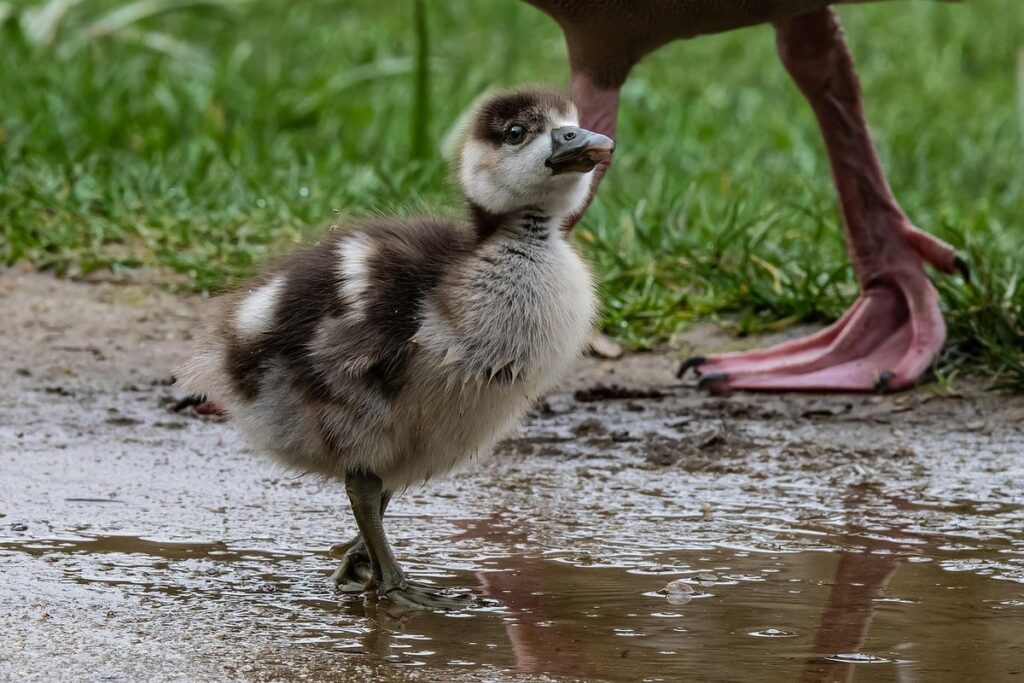
Introduction to Raising Baby Ducks and Chicks
Welcome to raising your very first baby ducks and chicks! This section will cover the essential steps for getting started, from preparing their habitat to feeding and caring for these adorable feathered friends.
The Importance of Proper Care for Young Waterfowl
Proper care is essential for young waterfowl, as they are particularly vulnerable to disease and predators during their early stages of growth. According to the American Society for the Prevention of Cruelty to Animals (ASPCA), mortality rates among baby ducks and chicks can be alarmingly high if they don’t receive proper care. In fact, it’s not uncommon for up to 50% of ducklings and 30% of chicks to succumb to disease or injury within their first few weeks of life.
This is why it’s crucial to provide a safe, healthy environment that meets the specific needs of your young waterfowl. This includes keeping them warm, well-fed, and clean. Make sure their enclosure is draft-free and at least 75°F (24°C) for the first week or two after hatching. You’ll also need to ensure they have access to fresh water and a balanced diet that’s rich in nutrients.
By taking these simple precautions, you can significantly reduce the risk of disease and injury among your baby ducks and chicks, setting them up for a long, healthy life.
Choosing the Right Breed for Your Needs
When it comes to choosing the right breed for your backyard farm or homestead, there are several factors to consider. First and foremost, think about the purpose you have for raising ducks and chicks. Are they for eggs, meat, or companionship? Different breeds excel in different areas.
For egg-layers, consider breeds like Leghorns, Rhode Island Reds, or Buff Orpingtons. These birds are prolific layers and can produce up to 300 eggs per year. If you’re interested in raising ducks for meat, breeds like Muscovy or Pekin might be a good choice. They grow quickly and have a mild flavor.
Companion breeds like Khaki Campbells or Call Ducks are great for families with children or those who want low-maintenance pets. Consider factors like noise level, space requirements, and temperature tolerance when selecting a breed. Research the specific needs of each breed to ensure they’ll thrive in your climate and living situation. This will help you make an informed decision and set yourself up for success as a backyard farmer or homesteader.
Understanding Baby Duck Development
Learning about your baby duck‘s development is crucial for a healthy and happy duckling, so let’s dive into the stages of growth from hatching to maturity.
The Anatomy and Physiology of Young Waterfowl
Baby ducks take their first wobbly steps into life outside the egg around 24-48 hours after hatching. As they emerge from their shells, you’ll notice a few remarkable features that help them adapt to this new world. Their eyes, which were closed during incubation, are now wide open and taking in all the sights and sounds of their surroundings.
Their beaks, although initially soft and pliable, begin to harden within 24 hours, allowing them to peck at food and eventually break through the eggshell. Baby ducks also sport a unique covering called “down” – a fluffy layer of feathers that provides warmth and protection against the elements.
One of their most impressive adaptations is their ability to regulate body temperature. As they develop, they rely on their mother’s brood pouch for warmth until their own down grows in. This remarkable physiology allows them to survive even in cold temperatures, making them surprisingly resilient creatures.
As you care for your baby ducklings, remember that this initial stage of development is crucial for establishing healthy habits and laying a strong foundation for future growth. Provide a safe, comfortable environment with adequate food, water, and warmth, and watch these little bundles of joy thrive!
Stages of Growth for Baby Ducks
As baby ducks grow and develop, they go through several distinct stages of growth. From hatching to fledging, it’s essential to understand these stages to ensure you’re providing the best possible care for your young waterfowl.
At just 24-30 hours old, newly hatched ducklings are covered in down feathers and are completely dependent on their mother for warmth and food. During this stage, called “hatchling,” they are vulnerable to temperature fluctuations and require a safe, warm environment. At around 2-3 days old, the young ducks start to grow their first set of feathers, which helps regulate their body temperature.
As the ducklings grow, they enter the “sub-adult” stage around 4-6 weeks old. During this period, they begin to forage and eat small amounts of food on their own, gradually weaning off their mother’s milk. Around 8-10 weeks old, the young ducks start to develop adult feathers and become more independent.
Finally, at around 12-16 weeks old, baby ducks reach fledging stage, where they are almost fully grown and ready to leave their parents’ nest. It’s crucial to monitor your ducklings closely during these stages, providing proper nutrition, shelter, and care to ensure a healthy and successful development.
Feeding and Nutrition for Baby Ducks and Chicks
When it comes to feeding your baby ducks and chicks, providing a balanced diet is crucial to their growth and development. Learn how to create a nutritious feeding plan that meets their needs.
Understanding the Nutritional Needs of Young Waterfowl
When it comes to feeding young waterfowl, understanding their nutritional needs is crucial for their growth and development. Baby ducks and chicks have different requirements than adult birds, and it’s essential to provide them with a balanced diet that meets their specific needs.
Protein is an essential component of a young waterfowl’s diet, making up about 15-20% of their daily calorie intake. This can come from animal-based sources like meat, fish, or eggs, as well as plant-based options such as soybean meal and alfalfa meal. Chicks, in particular, require a higher protein diet during the first few weeks of life to support their rapid growth.
In addition to protein, young waterfowl also need carbohydrates for energy, which can be provided through grains like oats, barley, and wheat. Fats are also essential, supplying energy and aiding in the absorption of vitamins and minerals. A good quality commercial starter feed or a balanced diet of fresh fruits, vegetables, and grains can provide all the necessary nutrients for healthy growth.
When choosing a diet for your young waterfowl, it’s also important to consider their age and size. Chicks under four weeks old require a more concentrated feed with a higher protein content than older birds.
Providing a Balanced Diet for Your Flock
Providing a balanced diet for your baby ducks and chicks is crucial for their growth and development. A well-planned diet will ensure they receive all the necessary nutrients to stay healthy and thrive. As a responsible waterfowl owner, you should start with a high-quality starter feed that’s specifically formulated for ducklings or chicks. Look for feeds containing around 20% protein, which will help them build strong muscles and feathers.
In addition to starter feed, consider adding supplements to their diet, such as crushed oyster shells for calcium and grit for digestion. You can also offer fresh vegetables like leafy greens, carrots, and sweet potatoes in moderation. As they grow, you’ll need to gradually transition them to a layer feed that’s around 18% protein.
Remember, it’s essential to provide fresh water at all times, and change the water frequently to prevent bacterial growth. A balanced diet will not only keep your baby ducks and chicks healthy but also ensure they reach their full potential.
Housing and Environmental Considerations
When it comes to raising healthy baby ducks and chicks, providing a suitable living environment is crucial. This section will explore essential housing and environmental considerations for your feathered friends.
Creating a Safe and Healthy Environment for Baby Ducks and Chicks
When it comes to raising baby ducks and chicks, providing a safe and healthy environment is crucial for their development and well-being. A proper shelter is essential to protect them from harsh weather conditions, predators, and potential diseases. The shelter should be draft-free, dry, and well-ventilated, with adequate space for the young birds to move around comfortably.
In terms of cleanliness, it’s vital to maintain a high level of hygiene within the shelter. This includes regular cleaning of food and water containers, as well as disinfecting any surfaces that come into contact with the birds’ droppings. A 10% bleach solution can be used for disinfection, making sure to rinse thoroughly afterwards.
Adequate ventilation is also critical in preventing respiratory diseases such as pneumonia. Ensure proper airflow by providing windows or vents, and ensure these are not obstructed by bedding materials. Regularly inspect the shelter for signs of moisture buildup, which can lead to mold growth and further health issues. By prioritizing a clean, well-ventilated environment, you’ll be taking a significant step towards raising healthy baby ducks and chicks.
Tips for Setting Up a Backyard Duck or Chicken Coop
When it comes to setting up a backyard coop for your baby ducks and chicks, there are several factors to consider. First and foremost, ensure that the coop is predator-proof. Chickens and ducks are vulnerable to predators like foxes, coyotes, and hawks, so make sure the enclosure is secure with sturdy walls and a locked door.
Aim for at least 2-4 square feet of space per bird inside the coop, with adequate ventilation to prevent ammonia buildup from droppings. Consider installing windows or vents to allow natural light in and fresh air out. Bedding material like straw or wood shavings can help absorb waste and keep the coop clean.
Remember to place the coop in a location that receives partial shade to protect your birds from extreme temperatures. If you live in an area with harsh weather conditions, consider building a roof or overhang to provide additional protection.
When designing the coop, prioritize easy cleaning and maintenance. A removable tray or sloping floor can make it simple to clean out droppings and debris regularly. Lastly, don’t forget to add nesting boxes for your hens – about one box per three to four birds is a good rule of thumb.
Health and Disease Prevention
To ensure your baby ducks and chicks stay healthy, it’s crucial to understand how to prevent common diseases and maintain a clean environment for them. Regular health checks can help catch issues early on.
Common Diseases Affecting Baby Ducks and Chicks
As you care for your baby ducks and chicks, it’s essential to be aware of common diseases that can affect young waterfowl. One of the most prevalent issues is Avian Pox, which causes lesions on the skin and can lead to secondary infections. Symptoms include loss of appetite, lethargy, and difficulty breathing. To treat Avian Pox, isolate affected birds, provide a nutritious diet, and consider consulting a veterinarian for antiviral medications.
Another common disease is Respiratory Syncytial Virus (RSV), which affects the respiratory system. Look out for symptoms such as coughing, sneezing, and labored breathing. To prevent RSV, maintain good hygiene practices, ensure proper ventilation in coops or brooders, and administer vaccines according to your veterinarian’s recommendations.
Marek’s Disease is a viral condition that can cause neurological symptoms like tremors, paralysis, and death. Monitor for symptoms like lethargy, loss of appetite, and unsteady gait. Practice good biosecurity measures, such as cleaning equipment and disinfecting coops, to minimize the risk of Marek’s Disease.
It’s also crucial to be aware of other diseases like Salmonella, E. coli, and coccidiosis, which can cause a range of symptoms from diarrhea to lethargy. Consult with your veterinarian for guidance on prevention and treatment strategies specific to your flock. By being proactive and informed about common diseases affecting baby ducks and chicks, you’ll be better equipped to prevent illness and promote overall health in your waterfowl and fowl.
Vaccination and Biosecurity Measures for Your Flock
As you work to raise healthy waterfowl and fowl, protecting your flock from disease is crucial. Vaccination strategies play a vital role in preventing the spread of diseases such as duck plague and avian cholera. Consult with a veterinarian to determine which vaccinations are necessary for your flock based on their age, breed, and living conditions.
Implementing robust biosecurity measures can also significantly reduce the risk of disease transmission. This includes:
* Ensuring visitors wear clean clothing and footwear
* Washing hands thoroughly before handling birds
* Disinfecting equipment and surfaces regularly
* Quarantining new birds for a minimum of 30 days
* Separating young birds from older ones to prevent exposure
Maintaining a clean and hygienic environment is essential. This includes:
• Cleaning feeders, waterers, and nests frequently
• Removing soiled bedding material promptly
• Ensuring adequate ventilation to reduce ammonia levels
• Reducing stress on your flock by providing a comfortable living space
Socialization and Handling Techniques
As a new waterfowl owner, it’s essential to teach your baby ducks and chicks essential socialization and handling skills from an early age. Proper techniques will help them become confident and calm adults.
The Importance of Socialization for Baby Ducks and Chicks
Socialization plays a vital role in shaping the temperament of young waterfowl. When baby ducks and chicks are exposed to gentle handling and social interaction from an early age, they develop increased docility and reduced aggression. In fact, studies have shown that ducklings handled daily for the first few weeks of life exhibit improved behavioral adaptability compared to those handled less frequently.
Proper socialization helps young waterfowl become confident and calm in the presence of humans, reducing stress-related behaviors such as feather pecking or aggressive flapping. By spending time with your baby ducks and chicks, you can establish a strong bond, making it easier to manage their growth and development.
To incorporate socialization into your daily routine, try setting aside 15-30 minutes each day for gentle handling and interaction. Start by simply sitting near the brooder or enclosure, allowing your young waterfowl to become accustomed to your presence. Gradually increase handling time as they grow more confident in their environment.
Tips for Gently Handling Your Baby Ducks and Chicks
When it comes to handling baby ducks and chicks, it’s essential to be gentle and cautious to avoid causing them stress. Start by getting to know their individual personalities and quirks, as this will help you tailor your approach. For example, some ducklings may be more timid than others, while certain chicks might be naturally curious.
Begin by letting the babies get accustomed to your presence in a controlled environment. Sit near their enclosure or brooder, but don’t disturb them yet. As they become more comfortable with your scent and movement, gradually increase interaction time. When handling, support the baby’s body, rather than picking them up under their wings, which can cause strain.
When picking up chicks or ducklings, make sure to cup your hands around their body, ensuring all four legs are secure and supported. This will prevent injury and promote trust between you and the bird. Gently place the babies back in their enclosure or brooder after handling, so they don’t get disoriented.
Frequently Asked Questions
How Often Should I Check My Baby Ducks’ and Chicks’ Living Conditions for Signs of Illness?
Regular health checks are crucial when raising baby ducks and chicks. Check their living conditions daily, looking for signs of illness such as wet droppings, lethargy, or labored breathing. Consult with a veterinarian if you notice any unusual behavior or symptoms.
What Happens If I Notice a Disease Affecting My Baby Ducks or Chicks?
If you suspect your flock is affected by disease, act quickly to prevent further spread. Isolate infected birds, disinfect their living area, and follow proper vaccination procedures as recommended by a veterinarian. Biosecurity measures are essential in maintaining a healthy flock.
How Can I Prevent Predators from Attacking My Baby Ducks and Chicks?
To protect your young waterfowl from predators, ensure their coop is secure and predator-proof. Use hardware cloth or chicken wire with openings no larger than 1 inch to prevent raccoons, foxes, and other predators from accessing the coop. Install a strong door latch and consider adding a secondary lock for added security.
Can I Mix Baby Ducks and Chicks Together in the Same Brooder?
While it’s possible to raise baby ducks and chicks together, they have different nutritional needs and growth rates. If you choose to mix them, ensure you provide separate feeding areas and brooders to accommodate their individual requirements. Monitor their behavior closely for signs of stress or aggression.
What Should I Do If My Baby Ducks or Chicks Escape from Their Brooder?
If your young waterfowl escape from their brooder, quickly locate them and return them to their safe enclosure. Inspect the area for potential hazards such as ponds, pools, or predators, and take steps to prevent future escapes by securing the brooder more effectively.