
Are you ready to take your backyard flock to the next level? Raising chickens from scratch can be an incredibly rewarding experience, but it requires some know-how. One of the most crucial steps in this process is understanding how to incubate eggs successfully. With a little patience and practice, you can hatch healthy chicks that will grow into strong and loyal companions. But before we dive into the nitty-gritty of chicken incubation, let’s get one thing straight: it’s not just about plopping some eggs in an incubator and waiting for them to hatch. No way! There are specific temperature and humidity requirements, as well as post-hatch care that’s essential for raising thriving chicks. In this article, we’ll break down the basics of chicken incubation and hatching eggs, so you can join the ranks of backyard farmers who successfully raise healthy and happy chickens from scratch.
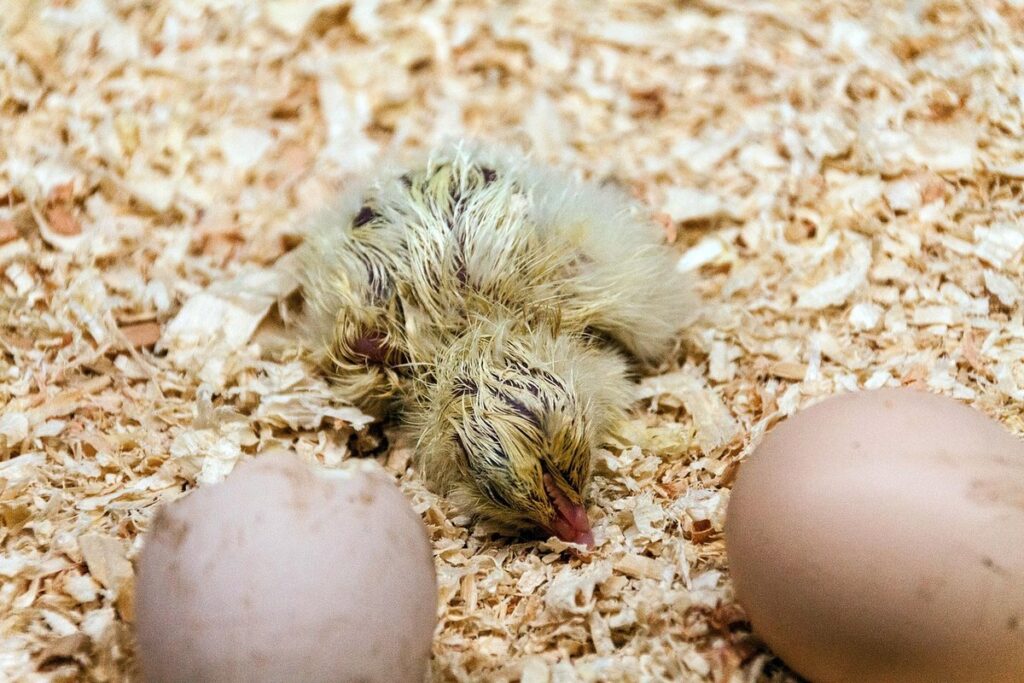
Understanding Chicken Egg Incubation Basics
To successfully incubate eggs, it’s essential to understand the basics of chick development and how to create an optimal environment for healthy growth. We’ll break down these fundamental principles next.
Benefits of Breeding Chickens from Scratch
Breeding chickens from scratch can be a highly rewarding experience for backyard farmers and hobbyists. Not only do you get to choose the breed that suits your climate, space, and needs, but it’s also an excellent way to save money on purchasing commercial eggs or chicks.
One of the significant benefits of hatching eggs is cost-effectiveness. By breeding chickens from scratch, you can produce high-quality chicks at a fraction of the cost compared to buying them from hatcheries or feed stores. For example, if you’re looking for heritage breeds that are hard to find in stores, breeding them from scratch can be an economical option.
Moreover, when you breed your own chickens, you have complete control over the genetics and lineage of your flock. This means you can choose specific traits like egg-laying capacity, meat quality, or feather color. You’ll also get a better idea of the chicken’s temperament and adaptability to your farm’s environment. By raising chickens from scratch, you’ll be able to create a customized flock that meets your unique needs and preferences.
Choosing the Right Breed for Incubation
When choosing a breed for incubation, several factors come into play. One crucial consideration is fertility rates – some breeds are naturally more fertile than others, which can impact the success of your hatch rate. For example, the Leghorn and Rhode Island Red breeds have consistently high fertility rates, while others like the Plymouth Rock may require additional support.
Egg size also plays a significant role in incubation. Larger eggs take longer to develop and may require adjustments to temperature and humidity settings. If you’re new to incubation, it’s often easier to start with smaller breed eggs, which can be a more forgiving option for beginners.
Temperature tolerance is another critical factor to consider. Different breeds have varying tolerances for heat stress, which can impact chick development and hatch rates. For instance, some heritage breeds may not handle high temperatures as well as commercial breeds like the Marans or Australorp. Researching your chosen breed’s temperature tolerance will help you create a more suitable incubation environment.
Ultimately, selecting the right breed requires balancing factors like fertility, egg size, and temperature tolerance with your own experience level and goals.
Understanding Chicken Embryonic Development
When you place an egg under the incubator’s gentle warmth and precise temperature control, you’re not just nurturing a potential chick – you’re participating in a remarkable biological process. The journey from fertilization to hatching is a complex series of events that deserves attention.
Fertilization occurs when a rooster’s sperm meets a hen’s yolk within the ovary, typically 24-26 hours before laying. The resulting zygote begins to divide and grow at an incredible rate, forming a cluster of cells called the blastoderm. This stage, known as morula formation, lasts around 12 hours.
As incubation progresses, the embryo undergoes gastrulation (48-72 hours), where the three primary germ layers – ectoderm, endoderm, and mesoderm – begin to differentiate and specialize. The chick’s major organs start to form during this period, including its heart, lungs, and brain.
Keep in mind that proper incubation temperature (around 99-100°F) and humidity levels are essential for a healthy embryo. A slight deviation can lead to developmental issues or even complete failure.
Preparing for Incubation: Equipment and Environment
Before you start incubating your eggs, it’s essential to prepare a suitable environment that mimics a natural setting. This includes selecting the right equipment to maintain optimal temperature and humidity levels for your developing chicks.
Setting Up Your Incubator
When setting up your incubator, it’s essential to focus on three critical components: temperature control, humidity management, and turning mechanisms. These elements work together to create an optimal environment for the developing chicks.
Temperature control is crucial, as a fluctuation of just 1-2 degrees Fahrenheit can be detrimental to the embryos. Most modern incubators come equipped with digital temperature controls that allow you to set precise temperatures between 99°F and 100.5°F (37°C to 38°C). It’s also essential to ensure even heat distribution throughout the incubator, as hot spots can cause issues.
Humidity management is equally important, with a relative humidity of around 50-60% required for healthy development. This can be achieved using a water reservoir or a humidifier, depending on your incubator model.
Turning mechanisms are also vital, as they prevent the eggs from sticking to each other and promote even development. Many incubators come with automated turning systems that rotate the eggs every few hours. If your incubator doesn’t have this feature, you can manually turn the eggs 3-5 times a day.
These three components work together to create an optimal environment for the developing chicks. By ensuring accurate temperature control, maintaining suitable humidity levels, and utilizing effective turning mechanisms, you’ll be well on your way to raising healthy, thriving chicks.
Creating an Optimal Brooding Area
Creating an optimal brooding area is crucial for newly hatched chicks to thrive. A stable environment helps them adjust to life outside the egg and reduces the risk of stress-related health issues.
When it comes to temperature, maintain a consistent warmth of around 90-95°F (32-35°C) during the first week after hatch. This will help the chick absorb moisture from its yolk sac and establish its gut flora. You can use heat lamps or ceramic heat emitters to regulate the temperature.
Proper ventilation is equally important to prevent the buildup of ammonia from droppings, which can be toxic to young chicks. Ensure good airflow by keeping the brooder well-ventilated and providing a dust-free environment. Aim for at least 1 square foot (0.1 sqm) of floor space per chick.
In terms of lighting, provide a low-intensity light source to simulate daylight hours, helping regulate the chick’s circadian rhythms. A photoperiod of 14-18 hours of light and 6-10 hours of darkness is ideal for young chicks. Consider using LED lights or fluorescent bulbs, as they produce minimal heat and are energy-efficient.
Remember, a well-designed brooding area will significantly impact the health and survival rate of your chicks. Take the time to create an optimal environment that meets their needs, and you’ll be rewarded with healthy, thriving birds.
Maintaining Proper Egg Handling and Storage
Proper handling and storage of eggs before incubation is crucial to prevent breakage and contamination. When collecting eggs from the coop, it’s essential to handle them gently to avoid jarring or bumping them against each other or hard surfaces. Always collect eggs frequently throughout the day to minimize their exposure to drafts and temperature fluctuations.
Store eggs in a designated carton or tray, pointed end down, in a dry, well-ventilated area away from direct sunlight. The ideal storage temperature is between 60°F to 70°F (15°C to 21°C), and relative humidity should be maintained at around 50-60%. Avoid storing eggs near strong-smelling foods or chemicals as these can transfer odors to the eggs.
Before placing eggs in the incubator, clean them gently with a soft brush to remove any dirt or debris. Use lukewarm water for this purpose, but avoid washing eggs too frequently or using harsh soap, which can strip away natural protective oils and lead to water penetration into the eggshell.
Incubation Process: Temperature Control and Monitoring
Temperature control is one of the most critical aspects of incubation, requiring precise monitoring to ensure optimal development for your chicks. Let’s explore how to get it just right in this section.
Setting the Ideal Incubator Temperature
When setting up an incubator for chicken eggs, maintaining the ideal temperature is crucial for successful development. The optimal temperature range varies slightly throughout the different stages of embryonic growth.
During the first 18 days, the ideal temperature is between 99°F and 100°F (37°C to 38°C). This warmth encourages cellular division and organ formation. As you approach day 18, it’s essential to drop the temperature by 1-2°F (0.5-1°C) to simulate the egg moving into a cooler environment in preparation for hatching.
For the remaining days, keep the incubator at a consistent 100°F (38°C). It’s also crucial to maintain a stable temperature within the incubator itself. Most modern incubators have built-in thermometer and heating elements that allow you to set precise temperatures.
To ensure accurate temperature control, monitor your incubator daily using a separate thermometer placed near the eggs. This will provide an additional layer of assurance that your chicks are developing in optimal conditions. By carefully managing the incubator’s temperature, you’ll be taking a significant step towards raising healthy and robust chicks.
Maintaining Consistent Humidity Levels
Maintaining consistent humidity levels is crucial during the incubation process to prevent dehydration and ensure healthy embryonic development. If the humidity is too low, the embryo can dry out and suffer from developmental issues, while excessively high humidity can lead to mold growth and other problems.
To monitor humidity levels, you’ll need a hygrometer, which measures the moisture content in the air. It’s essential to place the hygrometer close to the eggs but not directly above them, as this can create an artificial environment that doesn’t accurately reflect the conditions in the incubator.
Typically, the ideal humidity level for chicken embryos ranges from 50% to 60% during the first three weeks and gradually decreases to around 30-40% by day 18. To adjust humidity levels, you can use a water spray bottle or a humidifier. For example, if the reading is too low, you can mist the incubator with water to increase the moisture level.
Remember to check your hygrometer regularly to ensure it’s accurate and make adjustments as needed. By maintaining consistent humidity levels, you’ll help create an optimal environment for your chicks to develop and hatch healthily.
Monitoring and Recording Incubation Data
Monitoring and recording incubation data is crucial for achieving optimal conditions that promote healthy chick development. A digital thermometer is essential for tracking temperature fluctuations within 1/10th of a degree. Aim to maintain a consistent temperature between 99°F and 100°F (37°C to 38°C) during the first 18 days, with slight variations allowed on the last two days.
Egg turning patterns also require attention, as uneven distribution can cause embryo malformation or stillbirth. Automatic egg turners are available, which rotate eggs at set intervals, but manual turning is a viable alternative when not in use. Aim for 3-5 turns per hour, increasing frequency during the final week to prevent stuck yolks.
Humidity levels and air quality should also be monitored regularly using hygrometers and ventilation systems. Most incubators come equipped with built-in sensors that track temperature, humidity, and egg turning patterns in real-time. Take note of any unusual readings or changes to adjust settings accordingly. Recording data ensures accountability and allows for informed decision-making during critical stages of incubation.
Common Issues during Incubation: Troubleshooting Tips
When you encounter problems during incubation, it can be frustrating and overwhelming. Here are some common issues that may arise and our expert tips to help you troubleshoot them.
Recognizing Early Signs of Trouble
As an incubator owner, it’s essential to recognize early warning signs that may indicate trouble during the incubation process. Be vigilant and monitor your eggs closely for unusual behavior, as this can often signal a problem. For example, if you notice an egg suddenly becoming extremely cold or hot, or if its temperature gauge is fluctuating wildly, it could be a sign of a malfunctioning thermometer or a faulty incubator.
Another red flag is sudden changes in embryo development. If the embryo’s growth seems to stall or slow down drastically, or if you notice unusual movement patterns, it may indicate issues with humidity, temperature, or gas exchange within the incubator. Keep an eye out for other signs of trouble, such as eggs that are consistently turning too far or not at all, or those that seem to be absorbing excessive moisture.
If you suspect any of these warning signs, take immediate action to troubleshoot and correct the issue before it’s too late. Check your incubator’s settings and ensure everything is calibrated correctly. Consult online resources, forums, or expert advice if needed – don’t hesitate to seek help when you’re unsure. Remember, early intervention can make all the difference in ensuring healthy chick hatching.
Addressing Temperature and Humidity Disruptions
Temperature and humidity fluctuations can be detrimental to your incubation process. A 1-2°C change in temperature can affect embryo development, leading to lower hatch rates. It’s essential to monitor the temperature closely, ensuring it remains between 37.5°C and 38°C.
Humidity imbalances are also a common issue during incubation. Ideal humidity levels should be maintained at around 50-60% for the first 18 days, then decreased to around 30-40% for the remaining days. Failing to adjust humidity accordingly can lead to embryo death or poor hatch rates.
Equipment malfunctions can occur unexpectedly, causing disruptions in temperature and humidity control. Regularly inspect your incubator, ensuring all parts are functioning correctly. Keep a spare thermometer and hygrometer handy to quickly replace any faulty equipment.
To mitigate the effects of these disruptions, it’s crucial to have a backup plan in place. Store an extra 10-15 days’ worth of food and water in case power outages occur. Regularly check your incubator’s logs to identify potential issues before they become severe problems.
Managing Fungal Infections and Other Bacterial Issues
Recognizing fungal infections and bacterial contamination can be challenging, but it’s essential to address these issues promptly. Fungal infections often manifest as a white, cotton-like growth on the chick’s body or eggshell. Bacterial contamination, on the other hand, may cause a foul odor or visible signs of infection in the chick.
To prevent fungal and bacterial issues, maintain a clean incubation environment with proper ventilation. This includes regular cleaning of the incubator, changing water and food frequently, and ensuring adequate temperature control.
When treating infected chicks, start by isolating them from healthy ones to prevent further contamination. Administer an antibiotic or antifungal treatment as directed by the product’s instructions. Monitor the chick’s condition closely, adjusting the treatment plan if necessary.
In severe cases, culling may be unavoidable. However, with proper incubation and handling practices, you can significantly reduce the risk of fungal infections and bacterial contamination. For example, a study by the University of California found that maintaining optimal humidity levels reduced fungal growth by 70%. By prioritizing cleanliness and monitoring your chicks’ health closely, you can minimize the likelihood of these issues occurring.
Hatching and Post-Hatch Care: Raising Healthy Chicks
Now that your eggs have hatched, it’s essential to provide proper care for those adorable chicks to ensure they grow into healthy chickens. We’ll guide you through the critical steps of post-hatch care and nutrition.
Recognizing Signs of Imminent Hatch
As you near the end of the incubation period, it’s essential to recognize the signs that indicate an imminent hatch. This is crucial because it helps you prepare for the chick’s arrival and ensure a smooth transition from egg to brooder.
One of the first visual cues to look out for is pip marks on the shell. Pipping occurs when the chick starts to break through the air sac at the large end of the egg. You may notice small holes or cracks in the shell, which indicate that the chick is making its way out. Another sign of an impending hatch is wing movement. Chicks often start to move their wings before they fully emerge from the egg.
As you observe these signs, be prepared to candle the eggs more frequently. This will help you monitor the chick’s progress and ensure that it has enough oxygen to survive the hatching process. Keep in mind that some chicks may take longer than others to hatch, so don’t get discouraged if you notice one or two lagging behind.
Supporting Newborn Chicks
Providing post-hatch care is crucial for newborn chicks to survive and thrive. As soon as they emerge from the incubator, it’s essential to create a warm environment that mimics their natural brooding conditions. A temperature range of 90-95°F (32-35°C) is ideal during the first few days, with a gradual decrease over time.
Hydration is also vital for newborn chicks. Place a shallow dish of water in the enclosure to prevent drowning, and use an eyedropper or dropper bottle to provide a small amount of water on their beaks. This helps them learn how to drink from a waterer.
Feeding newborn chicks requires a high-quality starter feed that’s specifically formulated for young birds. Place the feeders at chick height to encourage eating, and provide a shallow dish of grit or oyster shells nearby to help with digestion. Make sure to remove any uneaten food after 24 hours to prevent spoilage and maintain cleanliness.
By paying close attention to warmth, hydration, and feeding, you can give your newborn chicks the best possible start in life and set them up for success as they grow into healthy, happy birds.
Gradual Introduction to Outdoors or Brooder
When it’s time to introduce your newly hatched chicks to the great outdoors, it’s essential to do so gradually. Sudden exposure to wind, sun, and predators can be overwhelming for young chickens, leading to stress, illness, or even death.
To ensure a smooth transition from brooder to free-range environment, start by moving the chicks outside during mild weather conditions, such as overcast days or early morning hours when temperatures are cooler. Begin with short sessions of 15-30 minutes and gradually increase the duration as they become more comfortable with their surroundings.
Aim for a transition period of 7-10 days, allowing the chicks to adjust to outdoor temperatures, humidity, and light exposure. Meanwhile, maintain the brooder’s warmth during this transition phase to provide a safe retreat from the elements.
As you move forward with the transition process, also introduce essential elements such as food and water sources specifically designed for free-range environments, including automatic feeders and watering systems that can withstand outdoor conditions.
Frequently Asked Questions
Can I use any type of egg for incubation, or do I need to purchase fertile eggs specifically designed for hatching?
You can’t go wrong with purchasing fertile eggs from a reputable breeder or supplier. Fertile eggs are more likely to hatch successfully and have fewer genetic defects compared to unfertilized eggs. However, if you’re looking to save money, some breeders may sell “hatching eggs” that still contain an embryo but have lower fertility rates.
How can I ensure consistent humidity levels in my incubator during long periods of egg incubation?
Maintaining consistent humidity is crucial for successful hatching. To ensure optimal humidity levels, use a water tray or reservoir and refill it as needed to maintain the desired level (40-50% relative humidity). You can also invest in a humidistat that automatically monitors and adjusts the moisture levels.
What are some common mistakes beginners make when setting up their incubator for the first time?
Newbies often forget to calibrate their temperature probes, leading to inaccurate temperature readings. Others neglect to maintain proper ventilation or fail to follow the manufacturer’s instructions for setting up the incubator. Make sure to read your manual carefully and perform any necessary calibration before starting the incubation process.
How long does it typically take for chicks to pip (break out of their shells) after the start of hatching?
Pipping can occur anywhere from 21 to 30 days into incubation, depending on factors like breed, temperature, and humidity. Keep a close eye on your eggs during this period, as pipping can be a relatively quick process, usually lasting only a few minutes.
Can I still expect successful hatch rates if my incubator is not specifically designed for egg hatching, but rather general-purpose use?
General-purpose incubators may not provide the precise temperature control and humidity management needed for optimal hatching. While it’s possible to achieve some success with these units, you can expect lower hatch rates compared to a dedicated incubator designed for chicken breeding.