
Are you thinking of bringing home some adorable Cochin bantam chicks? These charming birds can add so much joy to your life, but before you bring them home, it’s essential to learn how to raise them properly. Raising happy and healthy Cochin bantam chicks requires attention to detail, and that’s where our comprehensive guide comes in. From selecting the right breeder to ensuring they get the best nutrition, we’ll cover everything you need to know to give your new feathered friends the best start in life.
In this article, we’ll delve into the world of Cochin bantam chicks, covering key topics such as breeder selection, brooding, and common health issues. Whether you’re a seasoned chicken keeper or just starting out, our guide will provide valuable insights to help you raise happy, healthy Cochin bantams that bring years of enjoyment to your family.
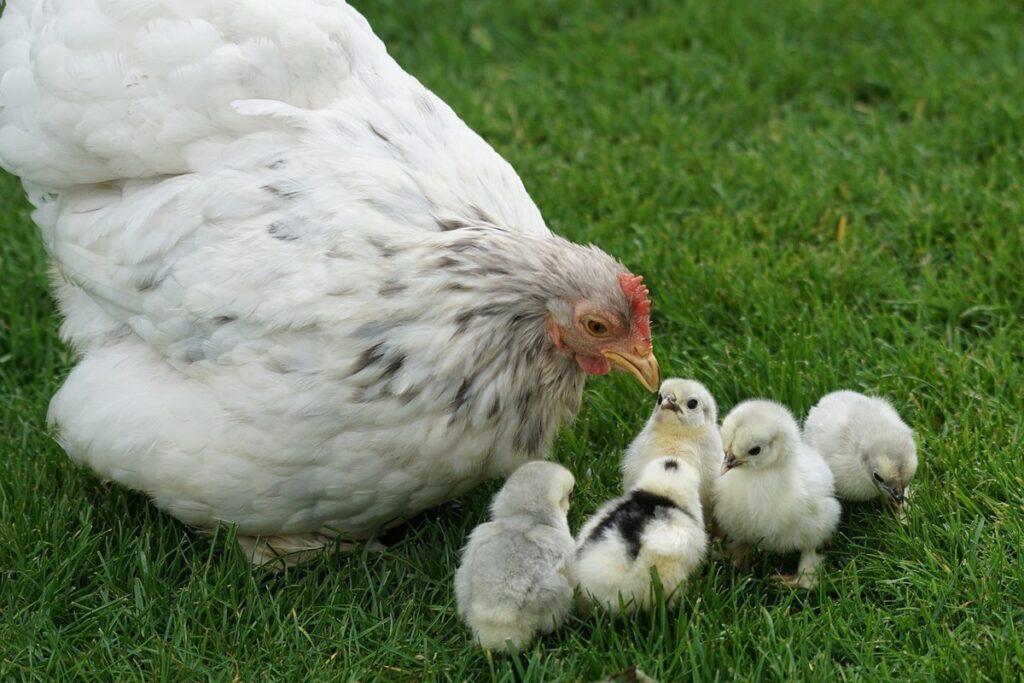
Introduction to Cochin Bantams
Welcome to raising healthy Cochins! In this next part of our guide, we’ll introduce you to the wonderful world of Cochin bantam chicks and their unique characteristics.
Origin and History of Cochins
The Cochin breed has a rich and fascinating history that spans centuries. Originating in China, this stunning bird was later developed in India, where it was bred for its unique characteristics and exceptional egg-laying abilities. The breed’s name “Cochin” is derived from the city of Cochín, which is located on the Malabar coast of India.
As European traders and travelers visited India, they discovered the remarkable Cochin breed and were eager to bring it back home. In the 17th century, the first Cochins were introduced to Europe, where they quickly gained popularity among poultry enthusiasts. Breeders in England began experimenting with the Cochin’s impressive size and temperament, creating smaller versions of the bird that would eventually become known as Bantams.
Interestingly, the bantam variety of the Cochin breed was developed by crossing the original Cochins with other smaller breeds, such as the Silkie. This unique breeding process resulted in a miniature version of the beloved Cochin, which boasts many of its larger counterpart’s desirable traits while being significantly more compact. Today, the Cochin Bantam remains one of the most popular and sought-after breeds among backyard chicken keepers and poultry enthusiasts alike.
Characteristics of Cochin Bantams
Cochin Bantams are a beloved breed among backyard chicken enthusiasts, and it’s easy to see why. Their endearing physical characteristics and friendly temperament make them a delight to raise and care for.
When it comes to their appearance, Cochin Bantams boast a stunning array of feather patterns and beak shapes. They come in a variety of colors and combinations, including black, white, buff, and blue, often with intricate markings and lace-like feathering on their hackles and saddle. Their beaks are typically short and straight, with a slight curve, giving them an endearing, button-nosed appearance.
But what truly sets Cochin Bantams apart is their temperament. These little birds are known for being exceptionally friendly and docile, making them a great choice for families with children or for inexperienced chicken keepers. They’re social birds that thrive on attention and interaction, so be prepared to spend plenty of time with your Cochin Bantam flock!
One key thing to remember when raising Cochin Bantams is to provide them with plenty of space to move around and exercise. While they may not require as much room as larger breeds, they still need opportunities to stretch their wings and engage in physical activity. Consider setting up a spacious coop or enclosure where your Cochin Bantams can roam freely and enjoy the great outdoors.
In terms of health, Cochin Bantams are generally a hardy breed, but they do require regular care and attention to prevent certain health issues. Keep an eye out for signs of respiratory problems, such as wheezing or coughing, and ensure your birds have access to plenty of fresh air and ventilation in their coop.
To help you identify potential health issues early on, it’s a good idea to keep track of your Cochin Bantams’ growth rates and weight. Aim for an average weight of around 1-2 pounds at maturity, and monitor their overall condition regularly. By being aware of these factors and taking proactive steps to maintain their health, you can help ensure that your Cochin Bantams live long, happy lives.
It’s worth noting that some breeders may refer to Cochins as “Silkies” due to their fluffy plumage. However, true Silkies are a distinct breed with a unique appearance and characteristics. If you’re new to raising bantam chickens, it’s essential to research and understand the differences between these breeds to ensure you’re getting the right birds for your needs.
Overall, Cochin Bantams make wonderful pets and additions to any backyard flock. With their stunning looks and delightful personalities, it’s no wonder they’ve become a favorite among chicken enthusiasts. By understanding their characteristics and providing them with proper care and attention, you can help create a happy and healthy environment for your Cochin Bantam chicks to thrive in.
Choosing Healthy Bantam Chicks
When selecting healthy bantam chicks, it’s crucial to prioritize their physical appearance and behavior, as these are often indicative of overall health. Look for vibrant plumage and lively, active behavior in your potential new pets.
Recognizing Quality Breeders
When seeking out quality bantam Cochin chicks, it’s crucial to find reputable breeders who prioritize health, genetics, and temperament. A trusted breeder will not only provide you with healthy chicks but also ensure their long-term well-being.
Start by researching local and national breed associations for recommendations on trusted breeders. You can also ask fellow chicken enthusiasts or online communities for referrals. Word of mouth is an excellent way to find a reliable source. When contacting potential breeders, be sure to ask about their health testing protocols, specifically for diseases common in Cochin breeds.
Look for breeders who are transparent about their breeding practices and can provide documentation on the health and ancestry of their chicks. A reputable breeder will also guarantee the quality and health of their chicks. Be wary of breeders who seem evasive or pushy – this is often a red flag. By doing your research and finding a trusted breeder, you’ll set yourself up for success in raising healthy Cochin bantam chicks. Remember, buying from a reputable source can save you time, money, and heartache in the long run.
Factors Affecting Chick Health
As you bring home those adorable cochin bantam chicks, it’s essential to remember that their health is heavily influenced by several key factors. Nutrition, sanitation, and disease management are the three pillars of chick care that must be prioritized during this critical period.
A well-balanced starter feed is crucial for providing your chicks with the necessary nutrients for growth and development. However, overfeeding can lead to a range of problems, including obesity and digestive issues. A good rule of thumb is to provide a starter feed specifically formulated for young chickens, and to follow the manufacturer’s guidelines for feeding amounts.
Proper sanitation is also vital in preventing the spread of diseases. Ensure that your coop is clean and free from any debris or bacteria. Wash your hands thoroughly before handling the chicks, and change their bedding regularly to prevent the buildup of ammonia and other toxins.
Regular health checks can also help identify potential issues early on. Keep an eye out for signs of illness, such as labored breathing, diarrhea, or loss of appetite. If you suspect that one of your chicks is unwell, consult with a veterinarian experienced in caring for backyard chickens to determine the best course of action.
By prioritizing these three factors – nutrition, sanitation, and disease management – you can give your cochin bantam chicks the best possible start in life and set them up for a healthy and thriving future.
Brooding and Raising Chicks
Now that you have your adorable cochin bantam chicks at home, it’s time to focus on providing a safe and nurturing environment for them to grow. This section covers the essential steps of brooding and raising healthy young chicks.
Setting Up a Safe Environment
When setting up a safe environment for your bantam chicks, it’s essential to provide them with an ideal brooder setup that meets their unique needs. A well-designed brooder will help prevent health issues and ensure a smooth transition to adulthood.
First and foremost, consider the ventilation system in your brooder. Proper airflow is crucial for maintaining a healthy environment, especially during the first few weeks of life when chicks are more susceptible to respiratory problems. Ensure that there’s adequate space between each chick to prevent overcrowding, which can lead to stress and increased disease susceptibility. Aim for at least 1-2 square feet of floor space per chick.
Next, provide optimal lighting conditions by installing heat lamps or infrared heat sources. The temperature should be maintained between 90°F to 95°F (32°C to 35°C) during the first week, gradually decreasing by 5°F (3°C) every few days until it reaches around 70°F (21°C). Make sure the light source is placed at a safe height to prevent burns. Ensure that there’s also a provision for easy cleaning and maintenance.
Lastly, ensure your brooder provides enough comfort for your chicks. Adequate space, soft bedding such as pine shavings or straw, and hiding places like boxes or small enclosures will help them feel secure and relaxed.
Nutrition and Hydration
As you begin raising your Cochin bantam chicks, it’s essential to understand their specific dietary needs. These adorable birds require a balanced diet that includes the right mix of proteins, vitamins, and minerals to grow strong and healthy.
For starter feed, look for a high-quality chick starter that contains around 18-20% protein content. This will help them build muscle mass and support rapid growth during the first few weeks. You can also supplement their diet with oyster shells or crushed eggshells as an additional source of calcium, which is crucial for bone development.
To monitor their hydration levels, make sure they always have access to fresh, clean water. Check the water dish daily to ensure it’s not contaminated and refill it as needed. A good rule of thumb is to provide about 1/4 cup of water per chick per day. You can also observe your chicks’ behavior; if they’re panting or seem lethargic, it may be a sign that they need more water.
Some other nutrients to keep in mind include probiotics and vitamin D3 supplements. Probiotics help maintain a healthy gut microbiome, while vitamin D3 is essential for calcium absorption and bone growth. Consult with your veterinarian or breeder to determine the best supplement plan for your Cochin bantams.
Common Health Issues in Bantams
As you start raising your cochin bantam chicks, it’s essential to be aware of some common health issues that can affect these tiny birds. Let’s take a closer look at what you need to know about keeping them healthy.
Respiratory Problems
Respiratory problems are one of the most common health issues affecting bantam chicks, including Cochins. Prolonged stress, poor ventilation, and exposure to drafts can all contribute to respiratory complications such as bronchitis and pneumonia. These conditions often manifest as labored breathing, wheezing, or even death.
Preventing these problems is crucial in raising healthy Cochin bantams. Vaccination plays a significant role in protecting your chicks against respiratory infections. Consult with your veterinarian about the best vaccination schedule for your flock. Ensure that your coop and run are well-ventilated, dry, and clean to reduce the risk of bacterial growth.
Maintain strict sanitation protocols by removing soiled bedding promptly, disinfecting equipment regularly, and avoiding overcrowding in the coop. Regularly inspect your chicks for signs of illness and address any issues promptly. Keep an eye out for symptoms such as ruffled feathers, lethargy, or labored breathing. Addressing these problems early can significantly reduce the risk of long-term health complications and ensure a healthy start for your Cochin bantams.
Parasite Control and Disease Prevention
Internal parasites and external pests can be a significant threat to the health of your Cochin bantam chicks. These unwanted visitors can cause stress, discomfort, and even disease in your flock.
Identifying internal parasites such as gastrointestinal worms is crucial for early detection and treatment. Check for signs like weight loss, diarrhea, or lethargy in your chicks. Regular fecal exams by a veterinarian can help identify the presence of internal parasites.
To manage infestations, deworming medication should be administered according to the manufacturer’s instructions. It’s essential to use the correct medication for the age and size of your flock, as overuse or misuse can harm your birds.
External parasites like lice and mites are also a concern. Look for signs such as excessive scratching, droopy wings, or crusty eyes. Use a gentle, medicated powder or spray on affected areas, following the product’s instructions carefully to avoid harming your chicks.
Regular cleaning of coops and runs, proper ventilation, and maintaining good hygiene practices can help prevent infestations in the first place.
Tips for Breeding Cochin Bantams
When it comes time to breed your Cochin Bantam chicks, there are a few things you’ll want to keep in mind to ensure healthy offspring and minimize potential issues.
Selecting the Right Stock
When selecting breeding stock for your Cochin bantams, there are several key factors to consider. First and foremost, it’s essential to choose birds with excellent conformation. This means looking for balanced silhouettes, proper proportions, and a sturdy build that can withstand the rigors of breeding. A well-conformed bird will be less likely to develop health problems and will also make for a more attractive show bird.
Temperament is another critical consideration when selecting breeding stock. You want birds that are friendly, docile, and easy-going, as these traits will be passed down to their offspring. Aim for birds that are calm under stress and handle well during breeding season.
Genetic diversity is also crucial when choosing your breeding stock. Look for birds with a diverse gene pool to reduce the risk of inbreeding and increase the chances of healthy chicks. Aim for a mix of birds from reputable breeders or from within your own flock, avoiding close relatives whenever possible. By considering these factors, you’ll be well on your way to selecting high-quality breeding stock that will produce healthy, thriving Cochin bantam chicks.
Raising Chicks from Hatch
Raising chicks from hatch requires dedicated attention and care. From the moment they emerge from their shells, your Cochins’ health and well-being depend on proper nutrition, socialization, and a safe environment.
For the first week, keep your chicks in a warm, draft-free area with adequate ventilation. Provide a heat source, such as a heat lamp or ceramic heat emitter, to maintain a temperature of around 90-95°F (32-35°C). Make sure the lighting is gentle, avoiding harsh glare that can stress the chicks.
Feed a starter feed specifically formulated for young chickens, and provide fresh water at all times. Use a shallow dish to prevent accidental drowning. Monitor the chicks’ health closely, watching for signs of illness or malnutrition.
As they grow, ensure your chicks have access to adequate space for movement and exercise. Provide a dust bath area where they can clean themselves and develop their plumage. Rotate toys and activities regularly to stimulate socialization and mental development.
By prioritizing proper care and attention during this critical phase, you’ll set the foundation for healthy, thriving Cochins that will bring joy to your flock.
Conclusion
Now that you’ve learned how to raise happy and healthy Cochin bantam chicks, let’s summarize the key takeaways from our guide so far.
Recap of Key Takeaways
In this article, we’ve covered the essential aspects of raising healthy Cochin bantam chicks. To recap, let’s revisit the key points that will help you successfully breed and raise thriving Cochins.
When it comes to selecting a breeder, make sure to research and choose a reputable one who prioritizes chick health and well-being. Look for a breeder with good reviews, transparent breeding practices, and a proven track record of healthy chicks. This is crucial in ensuring that your Cochin bantam chicks are healthy and robust from the start.
We’ve also discussed the importance of monitoring chick health closely during the first few weeks after hatching. Keep a close eye out for signs of illness or stress, such as lethargy, ruffled feathers, or changes in appetite. Establishing a clean and hygienic brooder environment is key to preventing disease and promoting healthy growth.
In terms of breeding best practices, we’ve emphasized the importance of maintaining accurate records and tracking your Cochin bantam’s pedigree. This will help you identify potential genetic health issues and make informed decisions about future breedings.
Additionally, proper nutrition and adequate space are vital for the health and well-being of your Cochins. Provide a balanced diet that includes a mix of protein, grains, and vegetables, and ensure that your birds have enough space to move around comfortably.
Some other key takeaways include:
* Vaccinating your chicks against common diseases, such as Marek’s disease and avian influenza
* Implementing biosecurity measures to prevent the introduction of disease into your flock
* Regularly cleaning and disinfecting equipment and living areas to maintain a healthy environment
By following these guidelines and best practices, you’ll be well on your way to raising happy, healthy Cochin bantam chicks that will bring joy and satisfaction to your life.
Frequently Asked Questions
How can I identify potential health issues in my Cochin bantam chicks before bringing them home?
Monitor for signs of lethargy, labored breathing, or unusual droppings. Research the common health issues associated with the breed and discuss your concerns with reputable breeders to ensure you’re getting healthy stock.
What if I notice a Cochin bantam chick showing abnormal behavior after bringing it home?
Observe the chick’s environment for any potential stressors such as overcrowding, inadequate nutrition, or unsanitary conditions. Ensure proper ventilation, lighting, and temperature control in the brooder to promote a stress-free environment.
How often should I expect to provide fresh water and food to my growing Cochin bantam chicks?
Supply clean, unfrozen water at all times and fresh feed daily, especially during the first few weeks of life when they rely heavily on their mother’s care. As they grow, gradually introduce more substantial feeding schedules.
What are some essential items I need to set up a safe environment for my Cochin bantam chicks?
In addition to a secure coop with adequate ventilation and protection from predators, provide bedding like wood shavings or straw, as well as feeders and waterers designed specifically for chicks. Ensure the area is free from hazards and easy to clean.
Can I raise multiple breeds of chickens together, including Cochin bantams?
Yes, but it’s crucial to introduce birds slowly and under close supervision to prevent aggression and stress. Research compatibility between breeds and consider factors like size differences, noise levels, and pecking orders when creating a harmonious flock.