
Are you thinking of adding some majestic charm to your backyard flock? Look no further than the stunning dark Brahma pullet. Not only do they bring a touch of elegance with their rich, dark plumage, but these birds are also known for their gentle nature and high productivity. However, raising happy and healthy dark Brahma pullets requires careful attention to detail.
In this article, we’ll take you through the essential steps to raise thriving dark Brahma pullets. From selecting the right chicks to designing a suitable coop and feeding them a balanced diet, every aspect of their care is covered. We’ll also delve into expert tips on breeding and managing your flock for maximum productivity. Whether you’re a seasoned poultry keeper or just starting out, our comprehensive guide will equip you with all the knowledge needed to raise happy, healthy, and productive dark Brahma pullets.
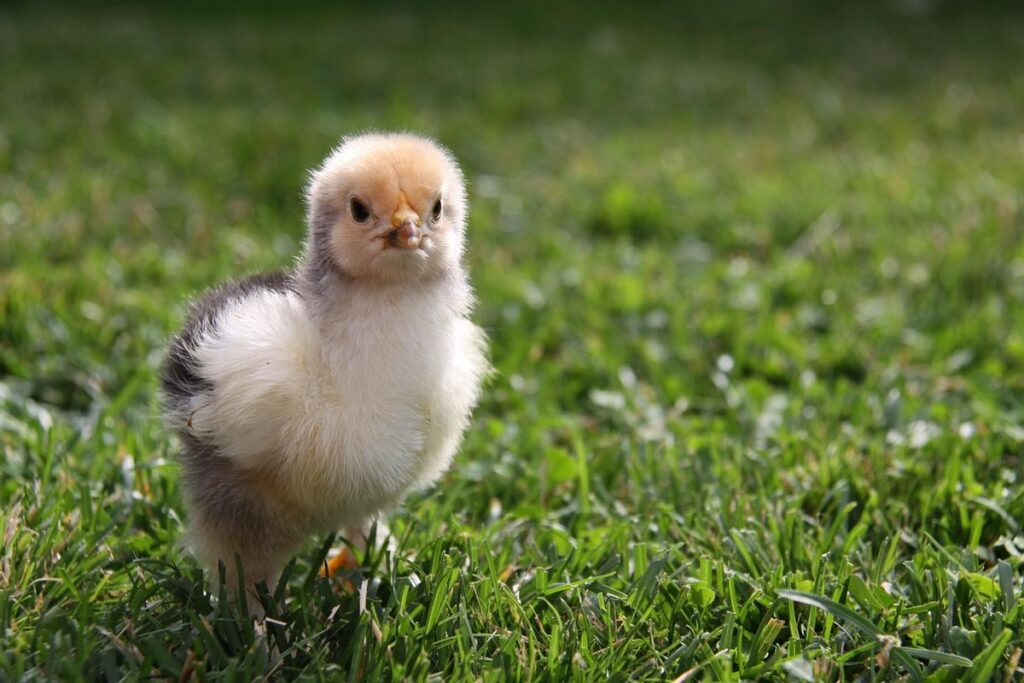
Introduction to Dark Brahma Pullets
Let’s start by diving into the basics of these amazing birds, including their unique characteristics and benefits as a flock addition. You’ll learn what makes dark Brahma pullets special.
What Are Dark Brahma Pullets?
The Dark Brahma pullet is a unique and fascinating breed that has gained popularity among backyard chicken enthusiasts. Originating from England in the late 19th century, this breed was developed to excel in both egg-laying and meat production. What sets the Dark Brahma apart from other breeds is its exceptional size, gentle nature, and impressive egg-laying capabilities.
Compared to other large fowl breeds, the Dark Brahma pullet boasts an impressive weight of around 4-5 pounds, making it a stunning addition to any flock. But what’s truly remarkable about this breed is its ability to lay up to 200 brown eggs per year, with some individuals producing even more. This high egg production is due in part to the Dark Brahma’s gentle and docile nature, which makes them an ideal choice for backyard farmers who want to enjoy a stress-free egg-laying experience.
If you’re considering adding Dark Brahmas to your flock, be prepared to provide plenty of space for these birds to roam and exercise. With their impressive size and energy levels, it’s essential to ensure that your coop is spacious enough to accommodate them comfortably.
Benefits of Keeping Dark Brahma Pullets
Raising dark Brahma pullets offers numerous benefits for backyard chicken keepers. One of the most appealing aspects of these birds is their gentle nature. Unlike some other breeds, dark Brahmas are known to be friendly and docile, making them an excellent choice for families with children or those who want a low-maintenance flock.
In addition to their temperament, dark Brahma pullets are also prolific layers. They can produce up to 200 brown eggs per year, which is impressive considering they’re not as large as some other breeds. This makes them an excellent option for small-scale egg production.
Dark Brahmas are also incredibly adaptable and can thrive in small spaces, making them perfect for urban or suburban backyards with limited room. They require minimal space to roam and can even be kept in a small coop if needed. With proper care and attention, dark Brahma pullets can provide years of enjoyment and productivity for chicken keepers of all skill levels.
By considering these advantages, you can make an informed decision about whether dark Brahmas are the right fit for your flock.
Choosing Healthy Dark Brahma Pullets
When it comes to choosing healthy dark Brahma pullets, there are several factors you should consider before bringing them home to your farm or backyard flock. These birds’ temperament and hardiness play a significant role in their overall health.
Selecting the Right Brooder or Starter Kit
When selecting a brooder or starter kit for your dark Brahma pullets, it’s essential to choose equipment that meets their specific needs. A well-designed brooder will help prevent health issues and ensure the birds grow strong and healthy.
Consider the following must-haves when choosing a brooder: adequate ventilation, space for movement, easy access for feeding and watering, and protection from predators. A starter kit with a heating system is also crucial, especially during cold weather. Dark Brahma pullets need a temperature range of around 90°F to 95°F (32°C to 35°C) during the first week.
When selecting a brooder or starter kit, think about the space where you plan to keep it. Ensure there’s enough room for the birds to move around comfortably and stretch their wings. A good rule of thumb is to provide at least 2-3 square feet (0.2-0.3 square meters) of floor space per bird.
When choosing a starter kit, consider investing in one that includes everything you need to get started, such as feeders, waterers, and nesting boxes. This will save you time and money in the long run.
Health Considerations in Young Poultry
When it comes to raising healthy Dark Brahma pullets, understanding common health issues that can affect young poultry is crucial. One of the most significant concerns is Marek’s disease, a viral infection that can cause weight loss, respiratory problems, and even death. This disease is highly contagious and can spread quickly through a flock.
To prevent Marek’s disease, it’s essential to follow a proper vaccination schedule. Typically, chicks are vaccinated at 14-17 days of age with a live virus vaccine. It’s also crucial to maintain good biosecurity measures, such as keeping new birds isolated for 30 days before introducing them to the rest of the flock and regularly cleaning and disinfecting the coop.
Another common health issue in young poultry is hypovitaminosis A, which can lead to issues like stunted growth, weak bones, and impaired immune function. To prevent this condition, ensure that your birds have access to a balanced diet rich in vitamin A. Consider adding dark leafy greens or sweet potatoes to their feed to boost their intake.
In addition to vaccinations and proper nutrition, maintain excellent flock hygiene by keeping the coop clean, providing adequate ventilation, and monitoring your birds’ health regularly for early signs of disease. By taking these precautions, you can minimize the risk of common health issues and raise a robust and productive flock of Dark Brahma pullets.
Housing and Enrichment for Dark Brahma Pullets
When it comes to housing your dark Brahma pullets, you’ll want to provide them with a safe and comfortable space that also encourages exercise and exploration. This section will cover essential considerations for creating an enriching environment for your girls.
Coop Design and Layout Requirements
When designing a coop for Dark Brahma Pullets, it’s essential to consider their unique needs and requirements. These birds are large and active, so they need ample space to roam and exercise within the coop.
Aim for at least 3-4 square feet of floor space per bird inside the coop, and an additional 2-3 square feet of outdoor run or enclosed area for them to stretch their wings. This will not only keep your Dark Brahmas happy but also prevent boredom and stress-related behaviors.
Proper ventilation is another critical aspect of coop design. Dark Brahmas are prone to respiratory issues, so ensure that your coop has adequate airflow to circulate fresh air and remove moisture. A good rule of thumb is to provide one window or ventilation panel for every 10 birds in the coop.
In addition to space and ventilation, predator protection is also crucial. Dark Brahmas are vulnerable to predators such as foxes, coyotes, and hawks. To safeguard your flock, consider using hardware cloth or chicken wire with openings of no more than 1 inch in diameter to cover windows, vents, and any gaps around the coop’s exterior.
By incorporating these design elements into your coop, you’ll be creating a safe and healthy environment for your Dark Brahma Pullets to thrive.
Providing Adequate Light and Perches
When it comes to raising Dark Brahma Pullets, providing adequate light and perches is crucial for their overall health and productivity. Sufficient lighting is essential for optimal egg production, as chickens need light to stimulate their reproductive cycle. A minimum of 14 hours of light per day is recommended, with a photoperiod that gradually reduces during the winter months to simulate natural daylight.
To achieve this, you can install LED grow lights or supplemental lighting in your coop. These energy-efficient options provide concentrated light while minimizing heat buildup and reducing the risk of fire. In terms of perches, Dark Brahma Pullets need sturdy bars for exercise and roosting. Install 2-3 inches of space between each bar to accommodate their size and prevent overcrowding.
Regularly inspect your coop’s lighting and perch setup to ensure they meet your birds’ needs. You can also consider adding a dust bath area or scratching posts to keep your Dark Brahma Pullets active and engaged. By prioritizing light and perches, you’ll create an environment that promotes egg-laying efficiency, reduces stress, and supports the overall well-being of your flock.
Feeding and Nutrition for Dark Brahma Pullets
When it comes to feeding and nutrition, dark Brahma pullets have unique needs that require attention to ensure they stay healthy and thrive. In this section, we’ll cover the basics of their dietary requirements.
Nutritional Requirements at Different Stages
As your Dark Brahma pullets grow from brooder to laying age, their nutritional requirements change significantly. It’s essential to provide them with a balanced diet that meets their specific needs at each stage.
From day-old chicks to 4-6 weeks of age, the focus is on growth and development. At this stage, dark Brahmas require a starter feed with a protein content of around 20%. This helps promote rapid growth and feathering. You can supplement their diet with crushed oyster shells or calcium powder to support strong bone development.
Between 4-6 weeks to 18-20 weeks, the emphasis shifts from growth to maintenance. The pullets now need a grower feed with a slightly lower protein content of around 16-18%. This diet will continue to promote overall health and prepare them for egg-laying. Consider adding a small amount of dark leafy greens like kale or spinach to their diet for an extra boost.
As your girls approach laying age, around 20 weeks, they require a layer feed with a protein content of around 16-18%. This diet should also include adequate calcium levels to support strong eggshell production. Ensure you’re providing fresh water and maintaining a clean feeding area at all times to promote optimal health and productivity.
Dietary Options: Commercial Feed vs. Homemade
When it comes to feeding your Dark Brahma pullets, you have two main options: commercial feed and homemade. While both can be effective, there are pros and cons to consider for each.
Commercial feed is a convenient option that’s widely available at most farm supply stores. It’s formulated to provide all the necessary nutrients for growth and production, eliminating the need for additional supplements or mix-ins. However, some critics argue that commercial feed can be too processed, stripping away essential vitamins and minerals found in whole foods.
On the other hand, homemade feed allows you to control exactly what goes into your birds’ diets. You can choose from a variety of ingredients like oats, corn, and vegetables to create a nutrient-rich mix tailored to their specific needs. This approach also lets you avoid added chemicals and preservatives often found in commercial feeds.
One thing to keep in mind when making homemade feed is the risk of nutritional deficiencies if not done properly. For example, if you’re relying too heavily on corn, your birds may not be getting enough protein from other sources.
Managing Dark Brahma Flocks
When it comes time to manage your flock, knowing how to care for and maintain a group of Dark Brahmas is crucial for their health and productivity. This section will cover essential tips for successfully managing your Dark Brahma pullets in a backyard setting.
Social Structure and Group Dynamics
Establishing a harmonious social hierarchy within your Dark Brahma flock is crucial for their optimal health and productivity. Since these birds are known to be friendly and docile, you might assume that they’ll naturally get along with each other. However, even the most peaceful breeds can develop conflicts when introduced to new environments or companions.
To establish a harmonious social structure, it’s essential to introduce your pullets in stages. Start by introducing two or three birds together, allowing them to form bonds and establish their dominance hierarchy before adding more members to the flock. This gradual introduction process will reduce stress and aggression among the birds.
When managing group dynamics, keep an eye out for signs of stress or conflict, such as feather pecking, screaming, or aggressive behavior. Ensure adequate space (around 3-4 square feet per bird) and a balanced diet to prevent competition for resources. By creating a harmonious social environment, you’ll foster a thriving flock with happy, healthy Dark Brahma pullets that will reward you with excellent egg production and enjoyable companionship.
Record Keeping and Monitoring Health
When managing Dark Brahma flocks, record keeping is essential for monitoring their health and identifying potential issues early on. You should maintain a health log to track daily observations, vaccinations, and medical treatments. This information will help you identify patterns or trends that may indicate a problem with the flock.
A good starting point is to create a spreadsheet or use an app specifically designed for poultry record keeping. Include columns for date, bird ID, vaccination records, medication administered, and any notable health issues observed. You can also track feeding schedules, water consumption, and egg production to gain insights into their overall well-being.
Regular monitoring of your flock’s health is crucial in preventing the spread of disease. Set aside time each day to walk through the coop, observing for signs of stress, illness, or injury. Keep a clean environment by removing waste regularly and providing adequate ventilation.
Breeding and Showing Dark Brahmas
If you’re interested in breeding or showing Dark Brahmas, understanding their unique characteristics is crucial to selecting birds that excel in both arenas. This includes identifying desirable traits and knowing what to look for in a potential show bird.
Overview of Breeding Principles and Practices
Breeding dark Brahmas requires careful consideration of breeding principles and practices to produce healthy and productive birds. When selecting breeding stock, prioritize individuals with desirable traits such as exceptional egg-laying ability, robust health, and attractive plumage. It’s also essential to maintain genetic diversity within the flock to prevent inbreeding and reduce the risk of inherited disorders.
To achieve this, consider introducing new bloodlines or genetics from reputable breeders. Regularly monitor your birds’ performance and make adjustments as needed to ensure the desired traits are being passed down through generations. Recognize potential issues such as broodiness, egg size, and feather quality, and take steps to address them through selective breeding.
Aim for a balanced gene pool by incorporating at least three or four sires into your breeding program. This will help maintain genetic diversity and reduce the likelihood of inherited problems.
Preparing for Showing: Tips and Best Practices
Preparing for Showing: Tips and Best Practices
As you work towards developing your dark Brahma pullets into show-quality birds, it’s essential to consider their temperament, conformation, and overall presentation. Before taking them to a show, make sure they are well-groomed and familiar with being handled.
Here are some tips to get your birds ready for the big day:
* Acclimate your birds to regular handling and nail trimming to prevent anxiety during shows.
* Practice presenting your birds in front of an audience or a mirror to help them become comfortable with their surroundings.
* Ensure your birds’ feathers are clean, well-maintained, and free of mites or parasites that can negatively impact their appearance.
* Familiarize yourself with the breed standard for Dark Brahmas to understand what judges look for when evaluating these birds.
By following these steps and being mindful of your birds’ needs, you’ll be well-prepared to showcase your dark Brahma pullets at any poultry show.
Conclusion: Maximizing Your Dark Brahma Flock’s Potential
By following the guidelines outlined in this comprehensive guide, you’ll be well on your way to raising healthy and productive Dark Brahma pullets. To maximize their potential, remember that these birds thrive on a balanced diet and adequate exercise. Ensure they have access to fresh water and nutritious feed at all times. As they mature, consider implementing a flock rotation system to prevent overgrazing and promote overall health.
Regularly monitoring the flock’s condition will also help you identify any potential issues early on. Be sure to provide enough space for your birds to move around and engage in natural behaviors like scratching and dust bathing. With proper care and attention, your Dark Brahma pullets will reward you with impressive egg-laying abilities and a robust immune system. By being mindful of their needs and providing the right environment, you’ll be able to unlock their full potential and enjoy the many benefits that come with raising these remarkable birds.
Frequently Asked Questions
Can I raise dark Brahma pullets if I have limited space?
Yes, with careful planning, you can raise a small flock of dark Brahmas even on a small plot of land. Consider vertical integration by using wall-mounted perches and nesting boxes to maximize space efficiency.
How do I handle broody behavior in my dark Brahma pullet?
Dark Brahma pullets are prone to broodiness, but this doesn’t necessarily mean they’ll become good mothers. If you notice a pullet becoming broody, separate her from the rest of the flock and provide an alternative nesting site. This will prevent her from stopping egg-laying and reduce stress on the other birds.
What’s the optimal age for introducing new dark Brahma pullets to my existing flock?
When introducing new birds, wait until they’re around 12-16 weeks old. Introducing them too early can lead to pecking order issues and stress among both the new and existing birds. Ensure you also provide a separate quarantine area for any new additions.
How do I monitor my dark Brahma pullets’ health without over-relying on commercial feeds?
Regularly check your flock’s feed conversion ratio, observe their droppings, and monitor egg production to gauge overall health. Also, consider incorporating locally sourced fruits, vegetables, and grains into their diet for added nutritional diversity.
Can I use a DIY coop design or do I need professional help?
You can definitely design and build your own coop using recycled materials like pallets or reclaimed wood. Just ensure it meets local building codes and provides adequate ventilation, lighting, and protection from predators. Research online tutorials and consult with experienced poultry keepers for inspiration and guidance.