
Raising healthy ducklings from hatching to maturity can be a delightful experience, but it requires attention to their unique needs. As you welcome these adorable feathered friends into your backyard or farm, you’ll want to ensure they develop strong social bonds and grow into thriving adults. The behavior of ducklings is influenced by their environment and care requirements, making it essential to understand how to provide the right conditions for their growth.
In this article, we’ll delve into the fascinating world of duckling development, social behavior, and essential care requirements. You can expect expert tips on everything from proper nutrition and habitat setup to recognizing signs of stress or illness in your flock. By the end of this post, you’ll be well-equipped with knowledge to raise happy, healthy ducklings that will become a joy to have around.
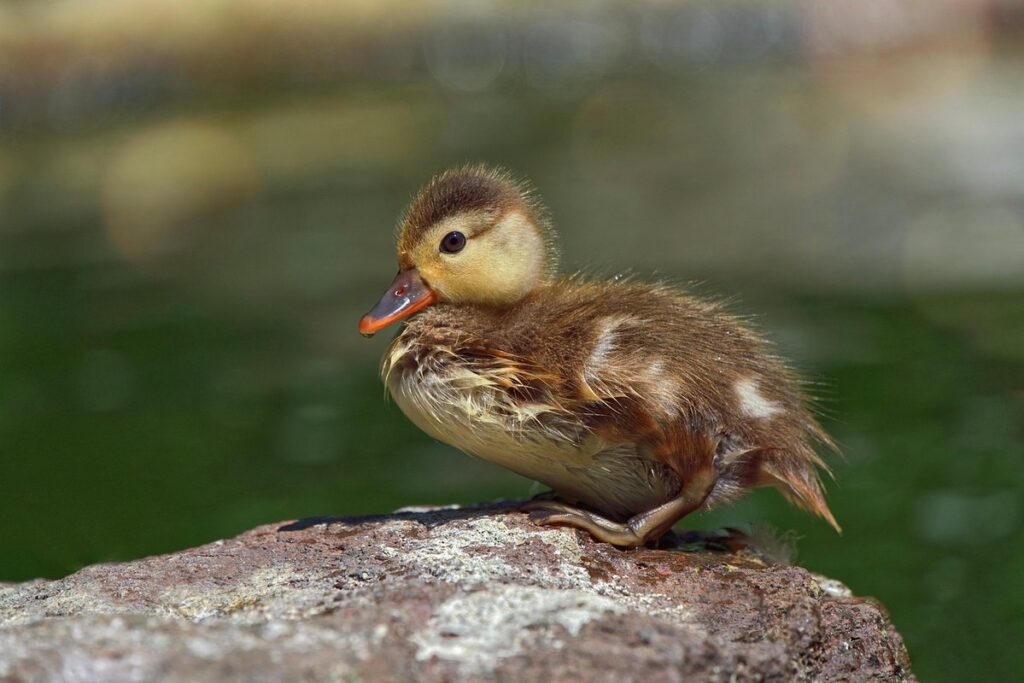
Understanding Duckling Development
From the moment they hatch, ducklings go through a rapid growth phase that requires proper care and attention. Let’s dive into the stages of development to ensure their health and well-being.
Stages of Embryonic Development
The journey of a duckling’s life begins long before it emerges from its egg. To understand and care for your waterfowl properly, it’s essential to grasp the different stages of embryonic development.
From fertilization, the process starts with the union of sperm and egg in the oviduct. The resulting zygote then undergoes several cell divisions, forming a blastoderm that implants itself into the uterine wall. Over the next 24-28 days, the embryo develops through several stages: morula (a cluster of cells), gastrula (organ formation), and finally, the fully formed duckling with feathers, beak, and webbed feet.
As your eggs incubate, they go through a critical stage called “pip,” where the duckling pecks at the eggshell to escape. This can be an anxious time for waterfowl keepers, but knowing what to expect can make all the difference. By understanding these developmental stages, you’ll be better equipped to provide optimal care and attention to your newly hatched ducklings.
Factors Influencing Hatch Rate and Viability
The success of raising healthy waterfowl largely depends on the initial stage of development: hatching. Several factors can impact hatch rate and viability, making it essential to understand their effects. Temperature is one crucial aspect, as a deviation from the optimal range of 99°F to 100°F (37°C to 38°C) can significantly reduce hatch rates. Similarly, maintaining humidity levels between 50% to 60% helps in successful incubation.
Egg quality also plays a vital role, with clean and intact eggs having higher chances of hatching. Any cracks or broken eggshells can lead to contamination and reduced viability. Moreover, older eggs (those laid earlier) may have lower hatch rates due to the decreasing fertility of the female duck over time. Regular checks on temperature and humidity levels along with egg quality inspection are essential for optimizing hatch rates.
It’s also worth noting that incubation trays or turners can make a significant difference in the hatching process, ensuring uniform temperature distribution and minimizing any potential issues related to egg positioning or rotation.
Recognizing Health Issues at Hatching
As a duck breeder or owner, it’s crucial to recognize potential health issues at hatching. This is a critical stage where ducklings are most vulnerable to developmental problems. Common health concerns during or immediately after hatching include hypoxia, deformities, and fungal infections.
Hypoxia occurs when the egg has not fully developed, causing the yolk sac to be too large for the duckling’s body, making it difficult for the chick to breathe. A healthy brood should have around 10-15% of chicks showing signs of hypoxia at hatching. However, if this percentage exceeds 20%, it may indicate a problem with egg production or incubation.
Deformities can also arise from improper egg handling or temperature fluctuations during incubation. Look for signs such as twisted legs, curved beaks, or unevenly developed wings. If you notice any of these deformities, consult an experienced breeder to determine the cause and possible remedies.
Fungal infections, like downy feathers falling off, can be caused by poor ventilation in the brooder or inadequate care during incubation. Regular cleaning and disinfecting of equipment, as well as maintaining proper humidity levels, can help prevent these issues.
When inspecting your ducklings at hatching, check for any signs of distress, lethargy, or difficulty breathing. If you notice anything unusual, separate the affected duckling immediately to prevent the spread of disease among the brood.
Physical Characteristics and Growth Patterns
Let’s take a closer look at how your ducklings develop physically, from their unique feathering to their growth rates and adult size.
Morphological Development
As ducklings grow and develop physically, they undergo several remarkable changes. One of the most noticeable transformations is the growth of feathers. At hatching, ducklings are covered in downy feathers that provide warmth but offer little protection from the elements. However, within a few weeks, their first flight feathers begin to emerge, starting with the neck and shoulders. These initial feathers help shield them from wind, rain, and cold temperatures.
As ducklings mature, their beaks also grow and become more defined. Initially, their beaks are small and soft, but as they age, they become longer, stronger, and more prominent. This change is crucial for foraging and feeding on aquatic plants and insects.
Another significant development in duckling physical growth is the formation of webbed feet. As their legs grow, the skin between their toes thickens and eventually forms webs, allowing them to paddle and swim efficiently. By around 4-6 weeks old, most ducklings have fully developed webbed feet, enabling them to dive and forage underwater with ease.
Sexual Dimorphism and Identification
As you observe your ducklings growing and developing, it’s essential to learn how to identify males from females based on their physical characteristics. This knowledge will help you monitor their health, ensure proper care, and make informed decisions about introducing them to breeding programs.
One of the most noticeable differences between male and female ducklings is their plumage. Female ducklings typically have a more vibrant yellow or orange coloration on their feathers, while males tend to be duller with less intense hues. Another distinct feature is size: males usually grow larger than females, so keep an eye out for any duckling that’s noticeably bigger than its siblings.
Behavioral differences also aid in sex identification. Males often exhibit more aggressive behavior during courtship displays, such as strutting and preening, whereas females tend to be less boisterous. Observe your ducklings’ interactions and take note of any dominant personalities – these are likely males trying to establish dominance. By paying attention to these physical characteristics and behavioral cues, you’ll become proficient in identifying male and female ducklings within a few weeks.
Nutritional Needs for Optimal Growth
When it comes to raising healthy waterfowl, ensuring that your ducklings receive the right nutrients is crucial for their optimal growth and development. Let’s take a closer look at some of the essential nutrients required by ducklings.
Protein is one of the most critical components of a duckling’s diet, as it helps build strong muscles and supports overall growth. A good-quality commercial duck starter or grower feed typically contains around 16-20% protein, which is perfect for ducklings up to 8 weeks old. You can also supplement their diet with small amounts of protein-rich foods like mealworms, crickets, or chopped hard-boiled eggs.
Calcium is another vital nutrient that supports strong bone development in ducklings. A deficiency in calcium can lead to softening of the bones and even deformities. To ensure your ducklings get enough calcium, add crushed eggshells or oyster shells to their feed. Aim for about 1-2% calcium content in their diet.
In addition to protein and calcium, ducklings also require essential vitamins like vitamin A, D3, and E to support immune function and overall health. Always choose a balanced commercial feed that includes these vital nutrients, and don’t hesitate to consult with a veterinarian if you have any concerns about your duckling’s nutrition.
Social Behavior and Communication
Social behavior is a crucial aspect of duckling development, shaping their interactions with you, other ducks, and their environment. Understanding these behaviors will help you build strong bonds with your feathered friends.
Imprinting and Socialization
Imprinting and socialization play crucial roles in duckling development. During their first few weeks of life, ducklings are most receptive to imprinting, a process where they form strong bonds with their caregivers, often mistaking them for their mothers. Successful domestication relies on establishing this connection early on.
To foster healthy imprinting, it’s essential to provide ducklings with regular interaction and handling from an early age. This can be achieved by gently picking up the ducklings, speaking softly, and moving around the enclosure together. As they grow, introduce them to new sights, sounds, and experiences to broaden their understanding of their environment.
Some strategies for successful domestication include:
* Handling ducklings daily, ideally at the same time each day
* Creating a predictable routine that includes feeding times, exercise, and play
* Gradually introducing new environments and companions to prevent stress
By implementing these strategies, you can establish strong bonds with your ducklings, setting them up for a happy and healthy life in their new home.
Recognizing and Addressing Behavioral Issues
As ducklings grow and develop their social skills, they may encounter behavioral issues that can affect their overall health and well-being. Aggression is a common issue that arises when ducklings are competing for food, space, or attention from their mother. To address aggression, ensure each duckling has access to enough food, water, and space to reduce competition. You can also try separating the aggressive duckling from the rest of the group for a few hours a day.
Fearfulness is another behavioral issue that may arise in ducklings, often caused by lack of exposure or handling during their critical period (0-12 weeks). To combat fearfulness, handle your ducklings gently and regularly from an early age. Start with short sessions, gradually increasing time as they become more comfortable with human interaction.
Stress is a major contributor to behavioral issues in ducklings. Identify and address potential stressors such as overcrowding, unsanitary living conditions, or inadequate shelter. Provide a safe, stress-free environment by ensuring your ducklings have adequate space, access to clean water, and proper ventilation. Regular health checks can also help detect any underlying health problems contributing to behavioral issues.
To minimize the risk of behavioral issues, be proactive in monitoring your duckling’s behavior and address any concerns promptly. Keep an eye out for changes in appetite, droppings, or overall demeanor. Early intervention is key to resolving behavioral issues before they escalate into more serious problems.
Communication Methods and Body Language
When interacting with their surroundings and each other, ducklings use various forms of communication to convey emotions, needs, and intentions. Vocalizations play a significant role in their language, including cheeps, quacks, and whistles that alert others to potential threats or signal hunger. These sounds are often accompanied by visual displays such as spreading wings, lowering necks, or displaying feathers.
Ducklings also rely heavily on body language to convey emotions and intentions. A relaxed duckling will display an open posture with wings spread wide, while a stressed one may tuck its head and tail under its wing. By paying attention to these cues, you can gauge the emotional state of your ducklings and respond accordingly.
Observe your ducklings’ behavior closely to recognize individual patterns and characteristics. For instance, some may be more vocal than others or display distinct visual displays when interacting with their environment. Understanding these unique traits will help you build a stronger bond with your feathered friends and create a harmonious flock.
Environmental and Management Factors
As you care for your ducklings, it’s essential to consider their environmental and management needs, from housing and water quality to feeding and socialization practices. Proper management can make a huge difference in their overall health and well-being.
Brooder Design and Temperature Control
A well-designed brooder is essential for ducklings’ optimal growth and development. When it comes to temperature control, proper management can make all the difference between healthy and underweight ducklings.
For starters, a good brooder should provide enough space for each duckling to move around comfortably – at least 2-3 square feet per bird is recommended. The enclosure should also be well-ventilated to prevent ammonia buildup from droppings and keep the air clean. A temperature range of 90-95°F (32-35°C) during the first week is ideal, gradually reducing by 5°F (3°C) each week thereafter.
Maintaining proper temperature can be achieved using heat lamps or ceramic heat emitters. Place the heat source at one end of the brooder to allow ducklings to move away if they feel too hot. It’s also crucial to monitor the temperature closely and adjust as necessary – a thermometer is an essential tool in any brooder setup.
Remember, consistency is key when it comes to temperature control. Avoid sudden changes in temperature, which can cause stress and discomfort for your ducklings. By getting this right, you’ll set them up for a healthy start in life.
Lighting, Ventilation, and Hygiene
Maintaining a healthy environment for your ducklings is crucial for their development and overall well-being. Lighting, ventilation, and hygiene are key factors to consider when creating an optimal environment.
Adequate lighting is essential for ducklings’ visual development. Ensure that the brooder or enclosure has sufficient natural light or use high-quality grow lights to provide a photoperiod of 14-16 hours. This will help regulate their circadian rhythms and promote healthy growth.
Ventilation is equally important, as it helps maintain optimal temperatures and prevents the buildup of ammonia from droppings. Aim for a brooder with a ventilation rate of at least 1 square foot per duckling to prevent moisture accumulation.
Hygiene is also critical in preventing disease outbreaks. Clean the brooder regularly, disinfecting all surfaces with a solution of one part white vinegar to nine parts water. Remove soiled bedding and replace it with fresh material daily. Regularly inspect your ducklings’ droppings for signs of illness or stress.
Remember, maintaining a healthy environment requires regular attention and effort. By prioritizing lighting, ventilation, and hygiene, you can create an optimal setting for your ducklings to thrive.
Biosecurity Measures and Disease Prevention
As a duck keeper, preventing disease transmission among your flock is crucial for their health and well-being. Implementing robust biosecurity measures is key to reducing the risk of outbreaks. Vaccination protocols are an essential part of this process.
Vaccinations can help protect against common diseases such as duck plague and avian influenza. However, it’s essential to work with a veterinarian to develop a vaccination plan tailored to your flock’s specific needs. This may involve administering vaccinations at different stages of development, ensuring the ducklings have a robust immune system from an early age.
Quarantine procedures are also vital in preventing disease transmission. When introducing new ducklings or birds to your existing flock, isolate them for a period of 30-60 days to monitor their health and behavior. This will allow you to identify any potential issues before they spread throughout the flock. Regular cleaning and disinfection of enclosures and equipment can also help prevent disease transmission.
By following these biosecurity measures, you can significantly reduce the risk of disease among your ducklings and ensure a healthy start to their lives.
Health Issues and Emergency Care
When caring for ducklings, it’s essential to be prepared for potential health issues that may arise, such as respiratory problems or injuries. Knowing what to watch for can help you provide prompt and effective emergency care.
Common Diseases Affecting Ducklings
As a duck keeper, it’s essential to be aware of the common diseases that can affect your ducklings. These young birds are vulnerable to various illnesses due to their underdeveloped immune systems and exposure to environmental pathogens.
Avian cholera is one such disease that can be fatal if left untreated. Caused by the bacterium Pasteurella multocida, it affects ducks of all ages but is most prevalent in ducklings. Symptoms include lethargy, loss of appetite, diarrhea, and abdominal distension. To prevent avian cholera, ensure your water supply is clean and free from contaminants.
Pasteurellosis, another bacterial disease, can cause respiratory problems, such as sneezing, coughing, and labored breathing. Viral hemorrhagic conjunctivitis (VHC) is a highly contagious eye infection that causes inflammation, redness, and discharge in the eyes of infected ducklings. To avoid these diseases, maintain good hygiene practices, provide adequate ventilation, and ensure your ducks have access to clean food and water.
Regular veterinary check-ups can also help identify potential health issues early on.
First Aid and Emergency Procedures
As a duckling raiser, it’s essential to know what to do in case of an emergency. Ducklings are prone to injuries and illnesses, especially during the first few weeks after hatching. Knowing basic first aid techniques can make all the difference between life and death.
When dealing with common injuries such as broken wings or legs, gently support the affected area with a soft cloth or towel. For more severe breaks, it’s best to consult a veterinarian for proper treatment. In cases of dehydration or heatstroke, provide cool water and shade immediately.
Some common illnesses in ducklings include respiratory infections and parasites like mites and lice. If you notice any unusual behavior such as labored breathing or lethargy, seek veterinary attention promptly. For minor issues like scaly leg mites, use a gentle mite powder or dust according to the manufacturer’s instructions.
Remember, prevention is key. Keep your duckling area clean, provide a balanced diet, and ensure proper ventilation to reduce the risk of illness. By being prepared and knowing what to do in case of an emergency, you can give your feathered friends the best possible start in life.
Frequently Asked Questions
How do I provide a suitable temperature range for my ducklings?
A proper brooder setup is crucial for maintaining the ideal temperature range of 90-100°F (32-38°C) during the first week after hatching. You can use heat lamps or ceramic heat emitters to achieve this. Monitor your ducklings’ comfort levels and adjust the temperature as needed to prevent overheating or chilling.
What are some signs that my duckling is experiencing stress or illness?
Be aware of unusual behaviors such as lethargy, loss of appetite, labored breathing, or changes in droppings. Keep an eye out for physical symptoms like ruffled feathers, discharge from the eyes or nostrils, or visible wounds. Consult a veterinarian experienced in waterfowl care to diagnose and address any health issues promptly.
How do I create a safe and sanitary environment for my ducklings?
Prioritize cleanliness by regularly disinfecting food and water areas, removing soiled bedding, and ensuring good ventilation. Maintain adequate space per bird (at least 2-3 sq ft/sq inch) to prevent overcrowding and stress. Keep predators away from your brooder area and ensure the flock has access to fresh water at all times.
Can I introduce new ducklings to a mature flock?
When introducing new birds, do it gradually and under close supervision to minimize the risk of aggression or stress. Start by keeping them separate but allowing visual contact before gradually releasing them together in a controlled environment. Monitor behavior closely during this transition period to prevent any conflicts.
What are some common diseases affecting ducklings that I should be aware of?
Familiarize yourself with potential health threats such as coccidiosis, respiratory infections, and fungal diseases. Practice good biosecurity measures like regular cleaning, proper nutrition, and minimizing contact with wild birds or contaminated environments to reduce the risk of disease outbreaks.