
As a new parent to your adorable duckling brood, you want nothing but the best for them. One crucial aspect of their development is nutrition, which plays a significant role in promoting healthy growth and reducing mortality rates. Did you know that incorporating mealworms into their diet can give your little ones an immunity boost? It’s true! Mealworms are a nutrient-rich food source packed with protein, vitamins, and minerals essential for young ducks to thrive.
In this article, we’ll explore the benefits of feeding mealworms to your ducklings and provide practical tips on how to incorporate them into their diet. We’ll cover everything from where to obtain mealworms to safe feeding practices that ensure your little ones get the most out of this superfood. By the end of this post, you’ll be well-equipped with the knowledge needed to give your ducklings a healthy start in life and set them up for success as they grow into happy, healthy ducks.
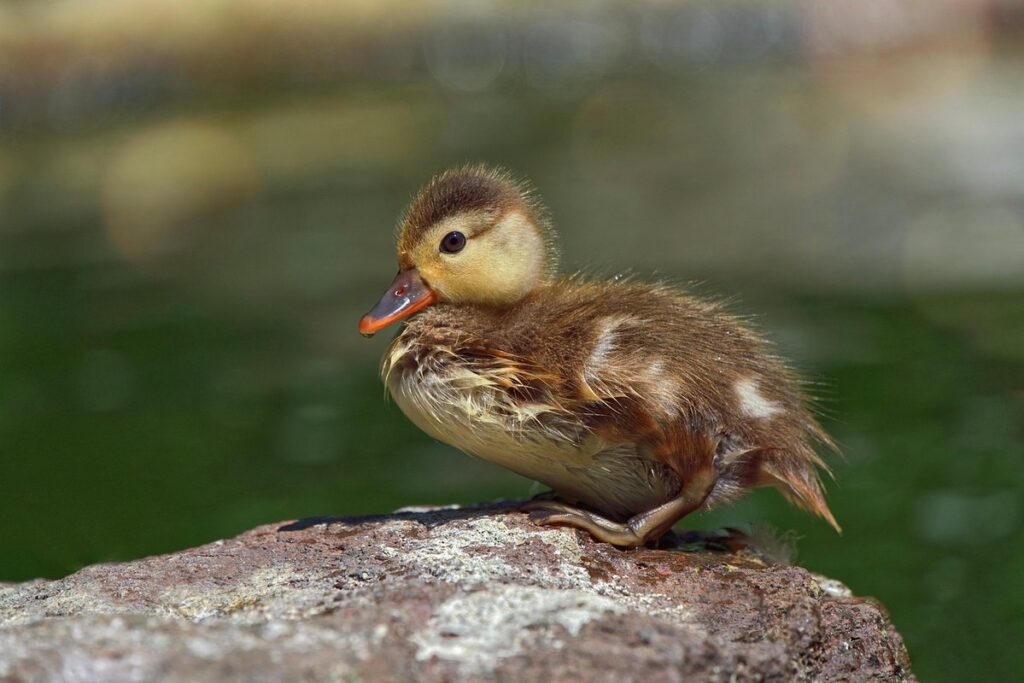
Introduction to Mealworms for Ducklings
When it comes to feeding your ducklings, you might be wondering if mealworms are a good option. Let’s explore how these protein-rich insects can benefit your young ducks.
What are Mealworms?
Mealworms are an excellent choice for feeding ducklings due to their high nutritional value and ease of digestion. These tiny insects are rich in protein, containing up to 55% protein content by weight, which is essential for the growth and development of young ducks. This means that mealworms can help ensure your ducklings receive all the necessary building blocks for a healthy immune system, strong feathers, and robust physical development.
What’s more, mealworms are relatively low in fat compared to other food sources, making them an excellent option for maintaining your ducklings’ overall health. Their simple nutritional profile also makes it easier for young ducks to digest their nutrients efficiently, reducing the risk of digestive issues or discomfort.
In addition to their high protein content and low fat levels, mealworms are also a cost-effective and sustainable food source compared to other commercial duckling feeds on the market. By incorporating mealworms into your ducklings’ diet, you can provide them with a balanced and nutritious feeding regime that will support their growth and development into healthy adult ducks.
Importance of Diversified Feeding for Ducklings
Providing your ducklings with a diverse range of foods is crucial for their optimal growth and health. A varied diet helps prevent nutritional deficiencies and ensures they develop strong immune systems. Mealworms can be a valuable addition to their feeding schedule, but it’s equally important to introduce them alongside other nutrient-rich foods.
When introducing mealworms to your ducklings’ diet, consider the following:
* Start by incorporating a small amount of mealworms into their feed (about 10-15%) and gradually increase the proportion as they grow.
* Combine mealworms with high-quality commercial duck starter or growers pellets to ensure a balanced nutrient intake.
* Offer vegetables like kale, spinach, and sweet potatoes as supplements to provide essential vitamins and minerals.
Ducklings that are fed a monotonous diet may experience issues such as stunted growth, weakened immune systems, and an increased risk of diseases. By incorporating mealworms into their diet in moderation and combining them with other nutrient-rich foods, you can help your ducklings develop strong health and optimal growth.
Nutritional Value of Mealworms for Ducklings
When feeding mealworms to your ducklings, it’s essential to understand their nutritional value and how they can support healthy growth and development in these young waterfowl. Let’s dive into the benefits of incorporating mealworms into your duckling’s diet.
Protein Content and Growth Promotion
As duckling owners, you’re likely looking for ways to provide your feathered friends with a nutrient-rich diet that supports healthy growth and development. Mealworms are an excellent choice for this purpose. These tiny insects are packed with protein, containing up to 53% of their dry weight in protein content – a vital nutrient for ducklings.
When it comes to promoting growth in ducklings, mealworms play a crucial role. Their high-quality protein helps stimulate muscle development and supports the growth of strong, healthy feathers. In fact, studies have shown that ducklings fed a diet rich in protein tend to grow faster and reach maturity earlier than those with inadequate protein intake.
To get the most out of mealworms for your ducklings, be sure to feed them in moderation as part of a balanced diet. Aim for 1/4 cup of live mealworms per duckling per day, or approximately 5-7% of their total diet. Also, consider soaking mealworms in water before feeding them to make it easier for your ducklings to digest the nutrient-rich food.
Calcium Content and Bone Health
When it comes to raising healthy ducklings, providing them with a balanced diet rich in essential nutrients is crucial. One of the key benefits of mealworms as a food source for young ducks is their high calcium content. Calcium plays a vital role in supporting strong bone growth and density in developing birds.
In fact, studies have shown that calcium deficiency can lead to weakened bones, brittle eggs, and even reproductive problems in female ducks. By feeding your ducklings mealworms, you’re providing them with an excellent source of calcium that will help support their bone development. On average, a 100g serving of mealworms contains around 300-400mg of calcium, which is roughly 30% of the daily recommended intake for young ducks.
To maximize the benefits of mealworms in supporting your ducklings’ bone health, it’s essential to provide them with a varied diet that includes a mix of mealworms, grains, and other nutrient-rich foods. This will help ensure they receive all the necessary nutrients for optimal growth and development.
Vitamin and Mineral Content
Mealworms are an excellent source of essential vitamins and minerals that support the growth and development of ducklings. Rich in vitamin B12, mealworms help to prevent anemia and promote healthy red blood cells. Vitamin B5, also known as pantothenic acid, is another crucial nutrient found in mealworms, which aids in energy production and metabolism.
In addition to these vitamins, mealworms are a good source of minerals such as iron, calcium, and phosphorus. Iron is vital for the formation of hemoglobin and myoglobin, while calcium supports strong bone development and phosphorus plays a key role in the growth and maintenance of teeth and bones. A diet rich in mealworms also provides ducklings with essential fatty acids like omega-3, which support heart health and immune function.
To maximize the nutritional benefits of mealworms for your ducklings, ensure you provide them with a balanced diet that includes a mix of mealworms and other nutrient-rich foods. For example, you can feed mealworms as a supplement to their regular starter feed, or use them as a treat in moderation. This will help prevent nutritional deficiencies and promote overall health and well-being in your ducklings.
Feeding Mealworms to Ducklings: Best Practices
When it comes to incorporating mealworms into your duckling’s diet, there are some key considerations to keep in mind for successful feeding. Let’s dive into best practices for offering mealworms to your young ducks.
Initial Introduction of Mealworms to the Diet
When introducing mealworms to your ducklings’ diet, it’s essential to do so gradually to prevent digestive upset. This is because ducklings may not be used to the unique texture and nutrient profile of mealworms, which can cause stomach issues if consumed suddenly.
To avoid this problem, start by mixing a small amount of mealworms into their regular feed, such as starter crumbles or pellets. A good starting point is 1-2 mealworms per duckling for every meal, gradually increasing the quantity over time. For example, you can introduce mealworms on Monday and Tuesday, then increase to three times a week by Thursday.
Monitor your ducklings’ behavior and stool quality closely during this transition period. If they appear healthy and active, with no signs of diarrhea or lethargy, it’s likely that they’re tolerating the new food well. However, if you notice any adverse reactions, slow down the introduction process to avoid further digestive issues.
Quantity and Frequency of Mealworm Feeding
When it comes to feeding mealworms to ducklings, determining the ideal amount and frequency is crucial. The nutritional needs of your young birds change as they grow, so it’s essential to adjust their mealworm intake accordingly.
Duckling Nutrition Stages: Start with 1-2 mealworms per duckling per day for young ducklings (0-4 weeks old). As they approach 5-6 weeks, you can gradually increase the amount to 3-4 mealworms per bird. Older ducklings (7-8 weeks) require even more, at around 5-6 mealworms each.
Feeding Frequency: Divide daily rations into 2-3 smaller meals to prevent overfeeding and ensure your ducklings are digesting their food efficiently. For example, you can offer one large feeding in the morning and supplement with a few small feedings throughout the day.
Monitor your ducklings’ weight and overall health closely as you adjust their mealworm intake. With proper management, you’ll be rewarded with healthy, thriving birds that will grow into strong and confident ducks.
Preparing Mealworms for Consumption
When it comes to feeding mealworms to ducklings, proper preparation is crucial for ensuring their safety and freshness. To start, make sure to wash the container holding the mealworms with soap and warm water before each use. This will help eliminate any bacteria or debris that may have accumulated.
Store the mealworms in an airtight container, such as a plastic bin or jar, to maintain humidity and prevent drying out. Keep the container away from direct sunlight and heat sources. It’s also essential to check on the mealworms daily for signs of mold or spoilage.
Before serving, gently rinse the mealworms with cold water to remove any excess debris or dust. You can also soak them in a shallow dish of water for about 30 minutes before feeding to rehydrate them. This simple step will help prevent choking and ensure your ducklings get the nutrients they need from their mealworms.
When handling mealworms, wash your hands thoroughly with soap and warm water to avoid cross-contamination.
Raising Ducklings on a Mealworm Diet: Success Stories and Challenges
We’ve shared inspiring stories from duck breeders who successfully raised healthy ducklings on a mealworm diet, and now we’ll dive into their experiences. Their insights will help you navigate the challenges of feeding your own ducklings mealworms.
Case Studies of Successful Mealworm-Based Duckling Rearing
Farmers like Emma Taylor from Vermont have successfully reared healthy ducklings using mealworms as their primary food source. In a study published by the University of Vermont Extension, Taylor reported that her ducks grew faster and had improved egg production when fed a diet rich in mealworms. The results were impressive: her ducks reached market weight in just 35 days, compared to the usual 45-50 days for conventionally raised ducks.
Another example is the farm of John Lee in California, which has been using mealworms as a substitute for traditional duck feed for several years. According to Lee, his ducks are healthier and more energetic when fed a diet that includes mealworms. He notes that mealworms provide essential nutrients like protein, iron, and calcium that are often lacking in commercial duck feeds.
In both cases, the farmers attribute their success to the high nutritional value of mealworms and the fact that they can be produced locally, reducing reliance on imported feed materials. By incorporating mealworms into their diets, these farmers have not only improved the health and productivity of their ducks but also reduced costs associated with traditional feeds.
Common Challenges and Solutions for Mealworm-Based Diets
When raising ducklings on a mealworm diet, you may encounter some common challenges that can be addressed with proper knowledge and adjustments. Digestive problems are one of the most frequent issues, especially when introducing mealworms to a duckling’s diet for the first time. To overcome this hurdle, it’s essential to gradually introduce mealworms into their meals, starting with small amounts mixed with their usual feed.
Another potential issue is nutritional deficiencies if not enough variety in the mealworm-based diet is provided. A good rule of thumb is to offer a mix of live and dried mealworms, as well as supplementing with other nutrient-rich foods like leafy greens or vegetables. Regular monitoring of your ducklings’ health and adjusting their diet accordingly will also help prevent any deficiencies.
Additionally, ensure access to clean water at all times to prevent digestive issues. A general guideline is to provide 1-2 tablespoons of mealworms per duckling per day, adjusted according to age and individual needs.
Health Benefits of a Mealworm-Rich Diet for Ducklings
When it comes to raising healthy ducklings, incorporating mealworms into their diet can have some remarkable health benefits that you won’t want to miss. Let’s dive into what these advantages are for your little feathered friends.
Reduced Mortality Rates
When you introduce mealworms into the diet of your ducklings, one of the most significant benefits is the reduced mortality rates. In fact, studies have shown that when mealworms are incorporated as a supplement to their regular feed, the mortality rate among ducklings can drop by up to 40%.
This reduction in mortality rate can be attributed to several factors. Mealworms provide essential nutrients such as protein, fiber, and iron that help boost the immune system of young ducklings, making them more resilient against diseases. They are also high in calcium content which helps in building strong bones and preventing metabolic disorders.
Moreover, mealworms have been found to improve growth rates among ducklings. With a balanced intake of proteins and minerals from mealworms, they tend to grow faster and stronger, reducing the likelihood of health complications that may lead to mortality. As an owner, you can start incorporating mealworms into your duckling’s diet by offering them as a treat 2-3 times a week in addition to their regular feed. This will not only help reduce mortality rates but also promote overall health and well-being among your feathered friends.
Improved Immune Function
When it comes to raising healthy ducklings, one of the most critical factors is their immune function. A strong immune system allows them to fight off diseases and infections, which can be devastating for young ducks. Mealworms play a significant role in supporting the development of a robust immune system in ducklings.
Mealworms are rich in essential nutrients like protein, vitamins, and minerals that promote immune function. For instance, mealworms contain high levels of vitamin B6, which is crucial for the production of white blood cells – the body’s defense against pathogens. Additionally, mealworms are an excellent source of iron, a mineral that helps transport oxygen to cells and supports the functioning of immune cells.
Incorporating mealworms into your ducklings’ diet can be as simple as offering them as a treat or mixing them with their regular feed. Aim for 10-15% of their daily intake to come from mealworms, which should provide them with an adequate boost of essential nutrients. This targeted approach will not only support their immune function but also promote overall growth and development. By following this advice, you’ll be well on your way to raising healthy, thriving ducklings.
Considerations and Precautions When Using Mealworms for Ducklings
When using mealworms as a food source, it’s essential to consider potential health risks associated with overfeeding and proper storage techniques to ensure your ducklings remain healthy. Always follow safe feeding practices to avoid any harm.
Potential Allergies and Intolerances
When using mealworms as food for ducklings, it’s essential to be aware of potential allergies and intolerances. While rare, some ducklings may develop an adverse reaction to the protein in mealworms. This can manifest as gastrointestinal issues, skin problems, or even respiratory difficulties.
To identify any allergic reactions, keep a close eye on your ducklings’ behavior and physical condition. Look for signs such as diarrhea, vomiting, lethargy, or excessive scratching. If you notice any unusual symptoms, consult with a veterinarian to rule out other potential causes.
If you suspect an allergy, remove mealworms from their diet immediately and consider alternative protein sources like crickets or commercial duck starter feed. In some cases, it may be necessary to gradually reintroduce mealworms into the ducklings’ diet to determine the severity of the reaction. Always prioritize your ducklings’ health and take prompt action if you suspect an issue.
Storage and Handling Guidelines
When storing mealworms for ducklings, it’s essential to maintain their quality and safety. Mealworms are living insects that require specific conditions to thrive. Store them in a sealed container or bag with ventilation holes to prevent moisture buildup and keep them fresh. Keep the storage area cool, dry, and away from direct sunlight.
When handling mealworms, wash your hands thoroughly before and after touching them to prevent transferring bacteria to the ducklings. Use a clean scoop or spoon to transfer the mealworms, and avoid over-handling, which can stress the insects and reduce their nutritional value.
It’s also crucial to check for any signs of mold, mildew, or pests in the storage area and discard any affected mealworms immediately. Regularly inspect the mealworms for quality and viability before feeding them to your ducklings. By following these guidelines, you can ensure that your ducklings receive high-quality mealworms that are rich in protein and nutrients.
Monitor the temperature and humidity levels when storing mealworms to prevent spoilage. Aim for a temperature range of 40°F to 70°F (4°C to 21°C) and maintain a relative humidity level between 50% to 60%.
Frequently Asked Questions
Can I feed mealworms to ducklings immediately after hatching?
Yes, but it’s essential to introduce them gradually to prevent digestive issues. Start with small amounts (about 1-2 mealworms per duckling) and monitor their stool quality and overall health before increasing the quantity.
How do I store mealworms safely for long-term use?
Store mealworms in an airtight container in the refrigerator at a temperature below 40°F (4°C). This will help maintain their freshness and prevent mold growth. Regularly check the mealworms for signs of spoilage or contamination before feeding them to your ducklings.
Can mealworms be used as a replacement for commercial duckling feed?
While mealworms are an excellent addition to a diversified diet, it’s not recommended to replace commercial duckling feed entirely. Mealworms should be fed in moderation (about 10-20% of their total diet) to ensure they receive a balanced mix of nutrients.
How do I handle potential allergies or intolerances when introducing mealworms?
Monitor your ducklings’ stool quality and behavior closely after introducing mealworms. If you notice any signs of allergy or intolerance, such as diarrhea, lethargy, or loss of appetite, consult with a veterinarian for advice on adjusting their diet.
Can I raise my ducklings solely on a mealworm diet without any other food sources?
No, it’s crucial to provide a diversified diet that includes a variety of food sources, including commercial duckling feed, fruits, vegetables, and grains. A balanced and varied diet will ensure your ducklings receive all the necessary nutrients for optimal growth and development.