
Raising healthy ducks from hatch day can be an exciting yet intimidating experience for new breeders. Many people are drawn to the idea of having a flock of adorable ducklings, but it’s essential to have a solid understanding of their needs before bringing them home. A poorly set up brooder or inadequate nutrition can lead to health issues and stunted growth in your beloved ducks.
In this comprehensive guide, we’ll walk you through everything you need to know about raising healthy ducks from hatch day. We’ll cover the importance of selecting the right breed for your climate and space constraints, setting up a safe and comfortable brooder, providing a balanced diet that meets their nutritional needs, and recognizing common health issues in young ducklings. Whether you’re a seasoned breeder or just starting out, this article aims to provide you with all the information necessary to give your hatch day duck eggs a strong start in life.
Understanding Hatch Day and Its Importance
When it comes to raising healthy ducks from day one, understanding hatch day is crucial – knowing what happens during these early stages will set you up for success.
What is Hatch Day?
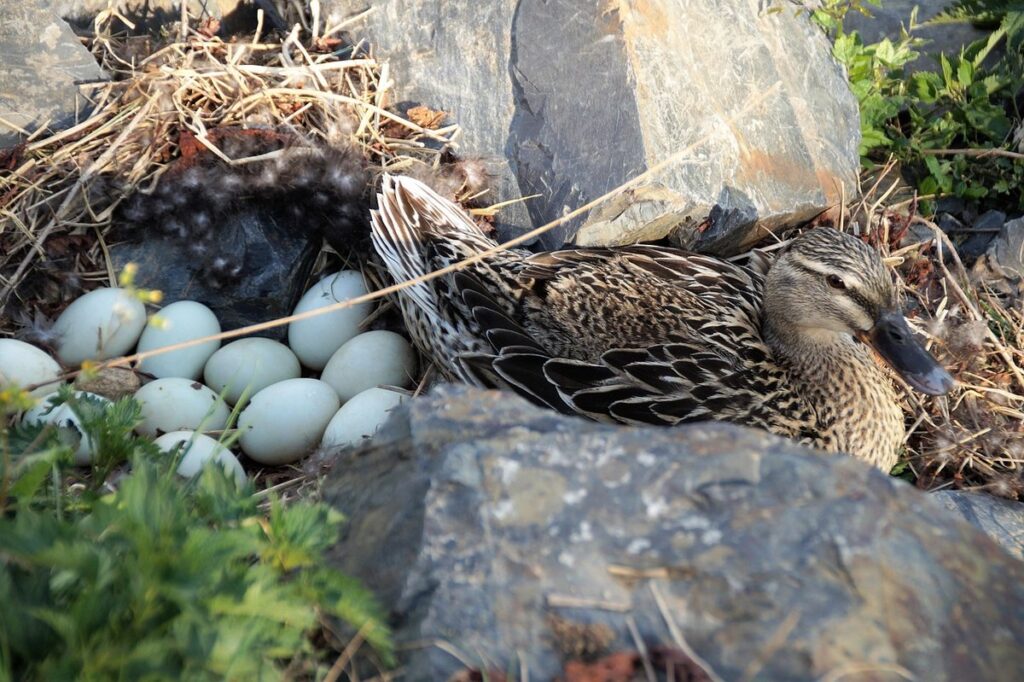
On hatch day, you’ll be eagerly awaiting the arrival of new ducklings. But what exactly is this milestone? Simply put, hatch day is the moment when a fertile duck egg finally cracks open to reveal its newly hatched contents – a fluffy ball of down and a squirming baby duck.
This stage is of utmost importance as it marks the transition from embryo development inside the eggshell to the start of an independent life outside. Hatch day typically occurs 28 days after incubation has begun, although this can vary depending on factors like breed and environmental conditions.
A successful hatch day is a critical indicator that your duck eggs are healthy and well-incubated. Factors such as proper temperature regulation, humidity levels, and turning of the eggs all play a crucial role in ensuring a high hatch rate. If you’re new to raising ducks, it’s essential to pay attention to these details to ensure a smooth and successful hatch day experience.
When observing your ducklings’ first moments outside the eggshell, keep an eye out for signs of good health such as strong, steady breathing, dry down, and active movement.
Preparing for Hatch Day: Setting Up Your Brooder
When it’s time for hatch day, you’ll want to ensure that your brooder is ready to provide a safe and healthy environment for your new ducklings. This means setting up the perfect spot for them to grow and thrive.
First and foremost, choose a brooder that’s specifically designed for ducks or waterfowl. These units usually have a large enough space to accommodate growing wings and legs, and are often equipped with ventilation systems to prevent ammonia buildup from droppings. Look for one with a secure door or lid to keep curious predators out.
Temperature control is also crucial. Ducklings need warmth to stay healthy, especially in the first few weeks of life. A good brooder should have adjustable heat sources, such as heat lamps or ceramic heat emitters, to maintain a consistent temperature between 90-95°F (32-35°C).
In terms of hygiene, make sure your brooder is easy to clean and disinfect. You’ll be collecting droppings daily, so a brooder with removable trays or easy-to-clean surfaces will save you time and effort in the long run.
Choosing the Right Duck Breed for Your Flock
When it comes time to selecting duck breeds for your flock, it’s essential to consider their temperament, egg-laying abilities, and needs to ensure a harmonious and thriving environment. With so many breeds to choose from, this decision can be daunting!
Factors to Consider When Selecting a Breed
When selecting a duck breed for your flock, there are several key factors to consider. Temperament is one of the most important considerations. Some breeds, like Muscovy ducks, can be quite aggressive and may not be suitable for families with small children or other pets. On the other hand, breeds like Wood Ducks are known for their friendly and docile nature.
Another critical factor is egg production. If you’re looking to raise ducks for eggs, you’ll want to choose a breed that’s prolific layer, such as Khaki Campbells or Indian Runners. These breeds can produce up to 300 eggs per year, making them ideal for small farms or homesteads.
Noise level is also an important consideration. Some breeds, like Pekin ducks, are known for their loud quacking, which may not be suitable for backyard flocks in residential areas. Space requirements are also essential to consider. Larger breeds, such as Embden Geese, require more space and may not be suitable for small backyards.
Ultimately, the right breed for you will depend on your specific needs and circumstances. It’s essential to research different breeds and consider factors like temperament, egg production, noise level, and space requirements before making a decision.
Popular Duck Breeds for Small-Scale Backyard Flocks
When it comes to raising healthy ducks from day one, choosing the right breed for your small-scale backyard flock is crucial. With numerous breeds to select from, some stand out as ideal choices for tiny farms and homesteads. Let’s take a look at some popular duck breeds that are perfect for small flocks.
The Khaki Campbell is an excellent choice for its high egg-laying capacity – around 300 eggs per year! This breed is relatively low-maintenance, quiet, and has a friendly disposition. Another top pick is the Golden 300 Hybrid, which also boasts impressive egg production (around 250-300 eggs annually) and weighs around 5 pounds.
The Muscovy duck breed is a great option for beginners due to its hardiness and robust immune system. They are relatively low-maintenance but do have a distinctive noise level – be prepared for some loud quacking! For those who prefer a smaller flock, the Wood Duck breed makes an excellent choice with their striking appearance and relatively quiet demeanor.
These breeds offer unique advantages and characteristics that make them perfect for small-scale backyard flocks. When choosing your duck breed, consider factors such as egg production, noise level, and required space. By selecting a suitable breed, you’ll be well on your way to raising healthy, happy ducks from day one!
Caring for Your Ducklings on Hatch Day
Now that your duck eggs have hatched, it’s time to get started on caring for those adorable ducklings. This is where their health and well-being really begin.
Ensuring Proper Nutrition and Hydration
When it comes to raising healthy ducklings on hatch day, nutrition and hydration play a crucial role. From the moment they pip out of their eggs, ducklings need a nutrient-rich diet to fuel their growth and development.
Start by providing fresh water for your ducklings at all times. Change the water frequently to ensure its cleanliness and prevent bacterial growth. As for food, it’s essential to introduce starter feed within the first 24 hours of hatching. A good quality starter feed should contain a balanced mix of protein, carbohydrates, and fats.
Aim for a starter feed with around 20-22% protein content, as ducklings require a high amount of protein to grow their feathers, muscles, and other tissues quickly. You can also supplement their diet with crushed oyster shells or cuttlebone to provide essential calcium for strong bone development.
Remember, a healthy gut is the key to raising happy and thriving ducklings. Provide a shallow dish for your ducklings to bathe in, as this will help them absorb vital nutrients from their food.
Managing Temperature and Humidity in the Brooder
Temperature and humidity play a vital role in maintaining optimal health and growth rates for ducklings on hatch day. A sudden drop or spike in temperature can be detrimental to their development. Aim to maintain a consistent brooder temperature between 90°F to 95°F (32°C to 35°C) during the first week of life. Avoid placing the brooder near drafty windows, air conditioning vents, or heating radiators.
Humidity levels are equally crucial, ranging from 50% to 60%. You can achieve this by using a humidifier or misting the brooder lightly with water daily. High humidity encourages healthy feather growth and helps prevent respiratory issues.
To ensure optimal conditions, it’s essential to monitor temperature fluctuations closely. A good rule of thumb is to make adjustments in increments of 1-2°F (0.5-1°C) every few hours until you reach the desired range. This gradual approach will help minimize stress on your ducklings and promote healthy growth.
By maintaining a consistent brooder environment, you’ll be providing your new arrivals with the best possible start to life. Remember, it’s all about creating a safe and nurturing space for them to thrive in their early days.
Common Health Issues in Ducklings on Hatch Day
As you inspect your newly hatched ducklings, it’s essential to be aware of common health issues that can arise on hatch day, such as yolk sac problems and hypothermia. These conditions can be easily spotted if you know what to look for.
Identifying Potential Problems Early On
As you bring home your newly hatched ducklings on hatch day, it’s essential to be vigilant for potential health issues that can arise. Respiratory problems are a common concern, often caused by the sudden change from egg to air. Keep an eye out for labored breathing, wheezing, or gasping sounds. If you notice any of these symptoms, provide a humidifier in their enclosure and make sure they have access to fresh air.
Hypothermia is another risk on hatch day, as ducklings are sensitive to cold temperatures. Monitor the temperature in their enclosure and ensure it’s between 90-95°F (32-35°C) for the first few days after hatching. Avoid placing them near drafts or cold surfaces. Keep an eye out for lethargy, shivering, or failure to eat.
Metabolic bone disease is a condition that can arise from inadequate nutrition during this critical growth phase. Provide a balanced starter feed specifically formulated for ducklings, and ensure they have access to fresh water at all times. Regularly inspect their beaks and legs for signs of weakness or deformity.
Preventative Measures to Minimize the Risk of Illness
When it comes to raising healthy ducklings on hatch day, preventative measures are crucial to minimize the risk of illness. One of the most effective ways to prevent disease is by maintaining a clean brooder. This means regularly cleaning and disinfecting the area where your ducklings will be living. A dirty brooder can harbor bacteria and viruses that can spread quickly among the young birds.
To monitor temperature and humidity, it’s essential to understand the optimal range for ducklings. Aim for a temperature between 90°F to 95°F (32°C to 35°C) and maintain a relative humidity of 40-50%. Proper ventilation is also vital to prevent ammonia buildup from the droppings. Make sure to provide adequate air circulation by installing windows, vents, or fans.
Remember, consistency is key. Stick to your cleaning schedule, monitor temperature and humidity levels regularly, and ensure proper ventilation at all times. This will create a healthy environment for your ducklings to grow and thrive. By implementing these preventative measures, you’ll significantly reduce the risk of illness and set your ducks up for a happy and healthy life.
Raising Ducklings from Hatch Day to Weaning
As you begin your duck-raising journey, it’s essential to know how to care for your ducklings from the moment they hatch until they’re ready for weaning and independence. This section covers the crucial steps for successful duckling development.
Milestones in Development and Growth
As you embark on raising your ducklings from hatch day to weaning, it’s essential to be aware of the significant milestones that mark their development and growth. Around 4-6 weeks post-hatch, your ducklings will undergo a dramatic transformation with the onset of molting. This process is characterized by a sudden shedding of down feathers, making way for new adult plumage.
During this time, ensure your ducklings have access to a balanced diet rich in protein and essential nutrients to support their rapid growth. A significant aspect of managing molting successfully lies in providing a stress-free environment. Avoid any drastic changes in their surroundings or routine, as this can lead to undue stress, causing them to lose more feathers than necessary.
Feathering, which typically begins around 6-8 weeks post-hatch, is an exciting milestone in your ducklings’ development. This stage requires patience and gentle handling, as the new feathers are fragile and prone to breakage. To minimize this risk, ensure they have adequate space to move about freely, promoting healthy feather growth.
Once your ducklings reach 10-12 weeks post-hatch, it’s time to start introducing them to their adult diet. Weaning from their starter feed is a crucial step in their transition to adulthood. Gradually introduce small portions of the adult food into their routine while ensuring they still have access to their starter feed for a few more days.
Tips for Gradually Transitioning to Free-Ranging
As your ducklings grow and develop, it’s essential to plan for their transition from a brooder to free-ranging. This process should be gradual to ensure they’re prepared for the outdoors and reduce the risk of stress, injury, or disease.
Before making the switch, consider the size of your outdoor space. A minimum of 2-3 square feet per duck is recommended, but this can vary depending on breed and individual needs. Make sure you have a secure enclosure to prevent escape attempts and protect your birds from predators such as foxes, coyotes, or hawks.
Disease management is also crucial during the transition period. Ensure that your outdoor area is well-ventilated and provided with adequate shelter from extreme weather conditions. Regularly inspect your ducks for signs of disease, and maintain a clean environment by removing waste and debris promptly.
When introducing your ducklings to free-ranging, start with short periods outside, gradually increasing the duration over several weeks. Supervise them closely during this time to prevent accidents or injuries.
Advanced Topics in Raising Healthy Ducklings
As you gain more experience raising healthy ducklings, you may encounter some tricky situations that require a bit more expertise to navigate successfully. This is where mastering advanced topics comes into play.
Integrating Ducks with Existing Flocks
Introducing new ducklings to an existing flock can be a challenging but crucial part of raising healthy ducks. Proper socialization is key to ensuring that the new arrivals fit in seamlessly and grow into happy, thriving members of the group.
When introducing new ducklings, it’s essential to do so gradually to avoid stressing either the old or young birds. Start by placing the new ducklings in a separate enclosure nearby, allowing them to become familiar with each other’s sounds and scents. Once they seem comfortable with each other’s presence, you can begin supervised interactions.
For optimal results, make sure to integrate the new ducklings during a time when the existing flock is most relaxed, such as after breakfast or before roosting. This will help minimize stress on both groups and promote positive interaction.
Some useful strategies for successful integration include providing a safe space for the new arrivals to retreat to if needed, and ensuring that food and water sources are plentiful and easily accessible to all birds.
Managing Molt and Stress in Mature Ducks
As you’ve raised your ducks through their early stages of life, it’s essential to consider their mature years as well. Managing molt and stress in adult ducks is crucial for maintaining their overall health and well-being.
Molt, or the shedding of feathers, can be a stressful time for mature ducks. To minimize this stress, ensure they have access to plenty of fresh water and maintain a balanced diet rich in protein and calcium. You can also supplement with omega-3 fatty acids and vitamins to support feather growth and maintenance.
Environmental modifications can also play a significant role in reducing stress during molt. Consider increasing the size of your ducks’ enclosure or adding visual barriers to reduce competition for resources. Regular cleaning and disinfection will also help prevent the spread of disease.
A healthy molt is essential for maintaining the overall health of your mature ducks. With proper nutrition, environmental modifications, and regular care, you can support their transition through this critical life stage.
Frequently Asked Questions
How do I recognize when my ducklings are experiencing stress or discomfort due to their environment?
Stress can be a significant issue for young ducklings, especially if their brooder isn’t set up correctly. Look out for signs of stress like excessive pecking at each other’s feathers, lethargy, or changes in droppings. If you suspect your ducklings are stressed, check the temperature and humidity levels in the brooder to ensure they’re within a comfortable range (around 90-100°F for the first week). Make adjustments as necessary to create a calm and stable environment.
Can I raise different breeds of ducks together in the same brooder?
While it’s technically possible to raise multiple breeds together, it’s not always recommended. Different breeds may have varying needs when it comes to space, temperature, or nutrition. Mixing breeds can lead to competition for resources and potential health issues if their specific requirements aren’t met. If you do choose to raise multiple breeds together, research each breed thoroughly to ensure you’re providing the best possible environment.
How often should I clean the brooder to prevent disease?
Cleaning the brooder is an essential part of keeping your ducklings healthy. Aim to change bedding daily and perform a thorough cleaning (disinfecting everything with a safe solution) every 1-2 weeks, depending on the size of the brooder and the number of ducklings. This will help reduce the risk of disease and keep your ducklings happy and healthy.
What are some common mistakes to avoid when introducing new ducklings to their water source?
When introducing new ducklings to their water source, it’s essential to ensure the water is safe for them to swim in. Avoid using tap water that may contain chlorine or other chemicals that can harm your ducklings. Instead, use a water filter or let the water sit overnight to allow any impurities to evaporate.
How do I balance providing enough food for my growing ducklings without overfeeding?
Providing adequate nutrition is crucial for healthy growth in young ducklings. Aim to offer a starter feed that’s around 20-22% protein, and gradually increase the percentage as your ducklings grow (up to 24-26%). Ensure fresh water is always available, and monitor your ducklings’ weight and overall health to adjust feeding amounts accordingly.