
Raising Embden goslings can be a thrilling experience for any poultry enthusiast, but it requires careful attention to detail to ensure they grow into healthy and thriving adults. These adorable young geese are born with a strong instinct to follow their mother’s lead, making early training and socialization crucial for their development. However, many beginners struggle to provide the right care and nutrition for their Embden goslings, leading to health issues and growth problems down the line. In this ultimate guide, we’ll cover everything you need to know about raising happy and healthy Embden goslings, from proper feeding and hydration to identifying common health issues and providing a safe and stimulating environment for them to grow and thrive. By following our expert advice, you can raise strong and confident Embden geese that will be the pride of your backyard flock.
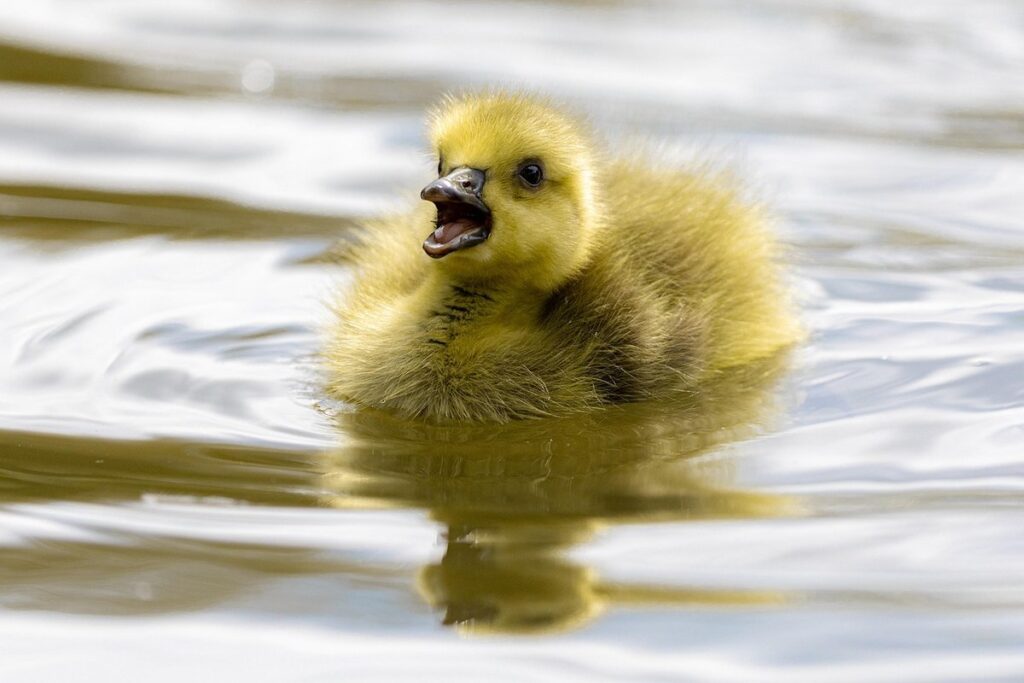
Introduction to Embden Goslings
If you’re new to raising goslings, this is a great place to start learning about one of the most popular breeds: the adorable and gentle Embden. Let’s dive in and explore what makes them special.
Brief History of Embden Geese
The Embden goose has its roots in Germany, where it was first bred in the late 19th century. The breed originated from the Toulouse and White Chinese geese that were brought to Europe by European explorers. German farmers crossed these breeds with local geese, resulting in a robust and hardy bird well-suited for harsh climates.
The Embden goose quickly gained popularity as a farm animal due to its impressive ability to fly long distances while still being docile enough to be kept on small farms. They were used to patrol farm borders, protecting livestock from predators and alerting farmers to potential threats. Their intelligence, loyalty, and strong maternal instincts made them ideal for this role.
As the 20th century progressed, Embden geese became a staple in European agriculture, particularly in Germany, where they remain a beloved breed today. Their adaptability and high-quality down have also made them sought after by farmers looking to diversify their operations. If you’re considering raising Embden goslings, understanding their origins and history can help you appreciate the unique qualities that make this breed so valuable.
Characteristics of Embden Goslings
When you first lay eyes on Embden goslings, it’s hard not to be charmed by their adorable appearance. As they emerge from the nest, these little balls of fluff are a sight to behold. But beyond their cuteness, there are some distinct physical characteristics that set them apart.
On average, Embden goslings will weigh in around 2-3 ounces (50-75 grams) and measure about 6-7 inches (15-18 cm) in length. While they may be small, they’re already sporting a fluffy layer of down feathers, which will eventually give way to their distinctive feathering pattern.
You’ll notice that Embden goslings have a mix of white and gray feathers on their backs, with a lovely golden sheen on their wings and tail. Their faces are a soft pinkish-gray color, and they often sport a small crest on top of their heads. As they grow and mature, their feathering will become more pronounced, but at first glance, it’s easy to see the foundation for their beautiful plumage.
Keep in mind that every gosling is unique, just like human babies! Their individual characteristics may vary slightly, but you can bet on them developing into healthy, happy Embden geese with proper care and attention.
Nutrition and Care for Embden Goslings
To ensure the health and happiness of your Embden goslings, it’s essential to provide them with a balanced diet and proper care from an early age. This section will guide you through their nutritional needs and daily care requirements.
Basic Care Needs of Embden Goslings
Providing Embden goslings with proper care is crucial for their growth and development. When it comes to housing, ensure that you have a dedicated area specifically designed for them. A well-ventilated coop with adequate space for movement is essential. Aim for at least 2-3 square feet of floor space per bird.
Ventilation is also critical in preventing respiratory issues and maintaining a healthy environment. Install windows or vents that can provide cross-ventilation, and make sure to clean the area regularly. Keep in mind that Embden goslings are prone to respiratory problems, so it’s essential to maintain good air quality.
Sanitation requirements are equally important. Ensure that food and water dishes are placed at a comfortable height for the birds, and keep the feeding area clean at all times. Remove any debris or waste promptly, and disinfect the area with a solution of 1 part white vinegar to 9 parts water. Regularly cleaning their environment will help prevent diseases and promote overall health.
Dietary Requirements for Embden Goslings
When it comes to feeding Embden goslings, it’s essential to provide them with a balanced diet that meets their unique nutritional needs. As soon as they start pecking at food around 4-5 days old, you can begin supplementing their diet with starter feed specifically designed for waterfowl. This type of feed is usually a mix of grains and proteins, providing the necessary energy and nutrients for growth.
For the first few weeks, it’s recommended to offer starter feed free-choice, allowing your goslings to eat as much or as little as they want. You can also provide crushed oats or wheat as an additional source of fiber and nutrition. As they grow and develop, you can gradually introduce a more varied diet that includes vegetables such as leafy greens, carrots, and sweet potatoes.
Some general guidelines for feeding Embden goslings include:
* Offer starter feed 2-3 times a day
* Provide fresh water at all times
* Supplement with fruits and vegetables daily
* Limit treats to no more than 10% of their total diet
By following these guidelines and providing your Embden goslings with a balanced and nutritious diet, you’ll be well on your way to raising happy and healthy birds.
Health Issues in Embden Goslings
As you work towards raising healthy and happy Embden goslings, it’s essential to be aware of some common health issues that may arise during their development. Understanding these potential problems will help you take preventative measures and provide top-notch care for your young birds.
Common Diseases Affecting Embden Geese
As an Embden goose owner, it’s essential to be aware of the common diseases that can affect these magnificent birds. Respiratory problems are one of the most prevalent issues facing Embden geese, particularly during their first few weeks of life. Newborn goslings are vulnerable to respiratory distress due to their underdeveloped lungs and sensitive nasal passages.
One of the primary causes of respiratory problems in Embden geoses is cold stress. Sudden changes in temperature or exposure to wet conditions can cause their air sacs to become inflamed, leading to labored breathing and potentially life-threatening complications. To minimize this risk, it’s crucial to provide a warm and dry environment for your goslings, especially during the first few weeks.
In addition to respiratory issues, Embden geese are also susceptible to internal parasites such as worms and protozoa. These can lead to weight loss, diarrhea, and lethargy in affected birds. Regular deworming programs and a balanced diet rich in fiber and nutrients can help prevent parasite infestations.
To maintain the health of your Embden goslings, make sure to monitor their behavior closely for any signs of illness or distress. Consult with a veterinarian experienced in caring for waterfowl as soon as you notice any unusual symptoms.
Vaccination and Prevention Strategies for Embden Goslings
To keep Embden goslings healthy, it’s essential to implement a solid vaccination and prevention strategy from an early age. Typically, Embden goslings receive their first vaccinations at around 1-2 weeks old, with follow-up shots administered every 2-3 weeks until they’re about 18 weeks old.
The core vaccinations for Embden goslings usually include Newcastle disease (ND), Infectious bronchitis (IB), and Infectious laryngotracheitis (IL). It’s also crucial to administer a vaccine against Avian influenza, particularly during outbreaks in your area. Your veterinarian can help you determine the specific vaccination schedule and ensure it aligns with local regulations.
In addition to vaccinations, maintaining good hygiene practices is vital in preventing diseases. Keep the coop clean and disinfected regularly, and wash your hands thoroughly before handling the goslings. Isolate new birds for a few weeks to prevent potential health risks from introducing a sick bird into the flock.
Implementing these measures will significantly reduce the risk of your Embden goslings contracting serious illnesses, allowing them to grow strong and healthy under your care.
Raising Embden Goslings for Meat Production
If you’re considering raising Embden goslings for meat production, you’ll want to learn the essential steps involved in their care and development from hatching to market weight. This section will guide you through that process.
Understanding the Growth Rate of Embden Geese
As you raise Embden goslings for meat production, understanding their growth rate is crucial to ensure they reach market weight efficiently. The growth rate of Embden geese is remarkable, and with proper care, they can mature quickly.
On average, Embden goslings grow at a rate of 0.75-1.25 pounds per day during the first few weeks after hatching. By the time they’re around 12-14 days old, they’ll weigh about 4-5 pounds. This rapid growth continues until they reach market weight at around 20-24 weeks.
A well-cared-for Embden gosling can gain up to 3-4 pounds per week in some cases. To give you a better idea, here’s a rough breakdown of their growth rate:
* Week 1-2: 0.75-1.25 pounds per day
* Week 3-6: 1.5-2.5 pounds per day
* Week 7-12: 2-3 pounds per day
As you plan your meat production, keep in mind that these growth rates can vary depending on factors like nutrition, health, and living conditions. Make sure to provide the best possible care for your Embden goslings to ensure they reach their full potential weight quickly and efficiently.
Butchering and Processing Embden Goslings
Butchering and processing Embden goslings for meat production requires careful planning and attention to detail. When the birds reach market weight, typically around 8-10 weeks old, it’s time to start preparing them for consumption. The first step is to humanely slaughter the goslings, making sure they are completely unconscious before beginning the process.
Next, you’ll need to eviscerate the bird, removing the innards and cleaning out the cavity. This can be done using a sharp knife or specialized equipment, depending on your setup. Be sure to follow proper sanitation procedures to avoid contamination and ensure a safe final product.
After evisceration, you can start processing the meat for packaging and storage. This may involve cutting, grinding, or portioning the meat, depending on your intended use. For example, if you’re planning to sell whole goslings, you’ll need to focus on retaining as much moisture as possible during processing.
When handling and storing Embden goose meat, it’s essential to keep in mind its unique characteristics. Due to their high fat content, they can become rancid quickly if not stored properly. Use airtight containers or vacuum-seal packaging to maintain freshness and ensure a high-quality product.
Show and Breeding Embden Geese
If you’re serious about showing or breeding Embden geese, here’s where you’ll find essential information on selecting the right goslings for your goals. We’ll cover everything from breed characteristics to important factors in choosing the perfect gander.
Judging Embden Geese in the Show Ring
When you’re called upon to judge Embden geese in a show ring setting, it’s essential to know what characteristics and traits make an Embden goose stand out from the rest. First and foremost, observe the bird’s overall appearance. A well-bred Embden goose should have a broad, flat head with a slight convex curve at the base of the beak. The eyes should be large and expressive, set wide apart on either side of the head.
Next, examine the bird’s plumage. Embden geese are known for their distinctive white or cream-colored feathers with a subtle orange or buff tint, giving them a warm, golden glow. The hackles (feathers on the back) should be long and flowing, while the saddle feathers (on either side of the rump) should be firm and well-placed.
As you move around the bird, listen for its distinctive honk – it’s deep and resonant, with a hint of warmth to it. Pay attention to the goose’s overall demeanor too; Embdens are known for their gentle nature, so a confident but calm bird is often more desirable than one that’s high-strung or aggressive.
When evaluating an Embden goose in the show ring, remember to consider its conformation and movement as well. Does the bird have good weight and muscle tone? Are its wings properly aligned with its body? Can it move with ease and agility, or does it seem stiff or labored?
Ultimately, judging Embden geese requires a keen eye for detail and a deep understanding of what makes this breed special. By paying close attention to these characteristics, you can make informed decisions about which birds are truly standouts in the show ring.
Breeding Strategies for Embden Goslings
When breeding Embden goslings, it’s essential to focus on creating healthy and fertile offspring. One key strategy is to select parents with desirable traits such as robust growth, excellent temperament, and high fertility. Ensure that both sire and dam have a good record of producing healthy chicks.
To increase the chances of getting fertile goslings, breeders should aim for spring mating. This allows the eggs to incubate during the cooler months, reducing the risk of heat stress on the developing embryos. It’s also crucial to monitor egg production closely, as Embden geese typically lay around 30-40 eggs per clutch.
Another vital aspect is providing optimal nutrition and care for the parents-to-be. Feed a high-quality commercial goose feed or a formulated diet specifically designed for breeding birds. Ensure access to clean water, shelter, and adequate space to roam. A well-cared-for dam will be more likely to produce healthy chicks.
When selecting goslings, look for those with good conformation, feathering, and leg quality. Avoid picking out weak or deformed young birds, as these may indicate underlying health issues. By following these breeding strategies, you’ll be well on your way to raising a robust and fertile flock of Embden goslings.
Conclusion
As we bring our journey through raising Embden goslings to a close, let’s summarize the key takeaways from your adventure so far.
Recap of Key Takeaways
As you’ve now gained valuable insights into the world of Embden goslings, it’s essential to recap the key takeaways from this article. By doing so, you’ll be better equipped to provide optimal care and attention to these charming birds.
When raising Embden goslings, ensure they receive a balanced diet rich in protein and calcium. This will support their rapid growth and development during the first few weeks of life. A good starting point is to offer a starter mash specifically formulated for young waterfowl, supplemented with fresh vegetables and fruits. For example, you can mix 50% starter mash with 25% chopped carrots and 25% chopped apples.
In addition to diet, proper health care is crucial. Be vigilant for signs of respiratory issues, such as labored breathing or nasal discharge. If you notice any unusual behavior or physical symptoms, consult a veterinarian experienced in waterfowl care immediately. Regular cleaning of the brooder and coop will also help prevent disease transmission.
It’s equally important to provide adequate space and enrichment for your Embden goslings. Ensure they have at least 2-3 square feet per bird in the brooder and gradually increase this as they mature. Incorporate toys, such as balls or puzzle feeders, to stimulate their natural behavior and curiosity. By following these guidelines and adapting them to your specific situation, you’ll be well on your way to raising happy, healthy Embden goslings.
Some final considerations include providing a safe and comfortable environment for your birds. This includes keeping the coop draft-free and maintaining an ideal temperature range of 70-80°F (21-27°C). With attention to these critical factors and regular monitoring, you’ll be rewarded with a thriving flock that brings joy and excitement to any backyard or farm.
Frequently Asked Questions
What are the critical health issues I should watch out for in my Embden goslings during their first few weeks of life?
During the first few weeks, it’s essential to monitor your Embden goslings for signs of respiratory problems, such as labored breathing or persistent coughing. Keep a close eye on their overall behavior and appetite, as these can be indicative of underlying health issues like coccidiosis or hypovitaminosis A.
How often should I provide fresh water and feed to my Embden goslings?
As a general rule of thumb, Embden goslings need access to fresh water at all times. For feeding, it’s recommended to offer starter crumble or game bird starter feed once or twice daily, adjusting the quantity as they grow to prevent overfeeding.
Can I raise Embden goslings in a flock with other breeds, and if so, what are some considerations?
While it’s possible to raise multiple breeds together, introducing different species can be challenging. To minimize conflicts, ensure that all birds have enough space (at least 10 square feet per bird), provide separate feeding and watering stations, and monitor their behavior closely for signs of aggression.
How long does it take for Embden goslings to reach maturity, and what are the key milestones?
Emden goslings typically reach maturity between 6-8 months. Key milestones include achieving full feather growth (around 3-4 months), reaching egg-laying age (around 5-6 months for females), and completing their second molt.
What’s the ideal temperature range for Embden goslings, especially during extreme weather conditions?
Emden goslings are relatively hardy but still require protection from harsh temperatures. Aim to provide a sheltered area with adequate ventilation and maintain a minimum of 40°F (4°C) for brooder temperatures. Avoid exposing them directly to temperatures above 80°F (27°C).