
Raising healthy goslings can be a thrilling experience for any bird enthusiast, but it requires careful attention to detail. If you’re planning to bring home adorable little geese, it’s essential to know how to choose the right ones and give them the best possible start in life. A thriving gosling is not just a cute companion, but also a lifelong friend that will provide endless joy and entertainment. In this article, we’ll take you through everything you need to know about raising goslings, from selecting healthy birds at hatching to managing their growth and development into happy, well-adjusted geese. Whether you’re an experienced bird breeder or a newcomer to the world of backyard poultry, our expert guide will provide valuable insights and practical tips for raising thriving gosling geese.
Understanding Gosling Geese Basics
Let’s start with understanding goslings’ basic needs, including their dietary requirements and essential care practices to ensure a healthy start. This foundation is crucial for raising thriving waterfowl.
What is a Gosling Goose?
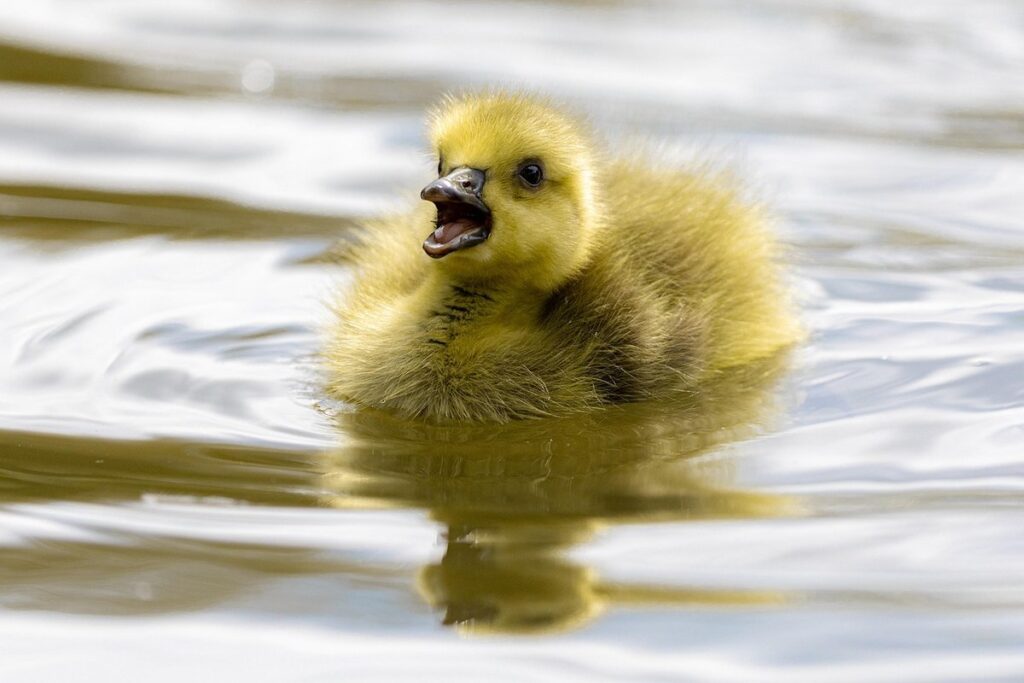
A gosling goose is the juvenile offspring of a domesticated goose. These young birds are adorable and relatively small compared to their adult counterparts. At birth, goslings have soft, fluffy down feathers that provide insulation, as well as sharp eyesight and strong legs for mobility.
One key characteristic of goslings is their instinctive behavior, which is often driven by their natural habitat instincts. For example, they will follow a parent goose or even a human caregiver to learn essential survival skills like finding food and water sources.
It’s essential to note that gosling geese can be confused with ducklings due to their similar appearance. However, there are distinct differences: geese have a more rounded body shape and longer necks compared to ducks. Additionally, goslings tend to grow faster than ducklings, reaching maturity in about 6-8 months.
As a waterfowl owner, recognizing the unique characteristics of gosling geese can help you provide tailored care for these young birds, ultimately contributing to their healthy development and growth into thriving adult geese.
Identifying Goslings
When it comes to identifying goslings, it’s essential to know what to look for. One of the most distinctive features of young geese is their appearance, which differs significantly from that of adults.
At birth, goslings are covered in a downy layer of soft, grayish-brown feathers. As they grow, this plumage gradually changes to a mix of brown and white, eventually giving way to the characteristic white patches on the face and forehead seen in adult geese. Beak shape is another key identifier – gosling beaks are small and pinkish-orange, whereas those of adults are larger and orange.
In terms of size, goslings grow rapidly during their first few weeks of life. By around 4-6 weeks old, they’ll have quadrupled in weight and reached about one-third of their adult height. Keep an eye out for these growth milestones to ensure your goslings are developing healthily.
Importance of Gosling Development
Understanding gosling development is essential for raising healthy geese. Goslings grow rapidly during their first few weeks of life, and their growth rate can be a good indicator of overall health. On average, goslings double their weight every week during this period. As a responsible goose breeder or owner, it’s crucial to ensure they’re receiving the right nutrition to support this growth.
A balanced diet that includes high-quality starter feed, fresh water, and adequate space for exercise is vital. Geese require more protein in their early stages of development, so look for feeds with around 20% protein content. It’s also essential to provide supplements like calcium and vitamin D3 to ensure strong bone growth.
Socialization is another critical aspect of gosling development. Goslings are social animals and need interaction with their human caregivers and other geese from an early age. Handling them gently and regularly will help build trust, making them easier to handle and more confident as they mature.
Choosing Healthy Goslings
When selecting healthy goslings for your flock, there are several key factors to consider, including origin, breed, and overall physical condition. By choosing wisely, you’ll set them up for a long and happy life.
Selecting the Right Breed
When it comes to selecting the right breed of goose for your backyard farm or small-scale waterfowl keeping operation, there are several factors to consider. These include egg-laying capacity, temperament, and climate tolerance.
For example, if you’re looking for a breed that excels at laying eggs, consider the Embden or Toulouse geese, which can produce up to 60 eggs per year. On the other hand, if you prioritize a friendly, docile temperament, the Sebastopol or African geese might be a better fit.
Climate tolerance is another important consideration, particularly if you live in an area with harsh winters or extreme temperatures. Some breeds, such as the Chinese or Swiss geese, are well-suited to cold climates and can thrive even in areas with prolonged snow cover.
When selecting a breed, it’s essential to research its specific needs and characteristics to ensure compatibility with your farm’s climate, available space, and desired management practices. With so many excellent breeds to choose from, taking the time to select the right one will set you up for success and help you raise healthy, thriving goslings.
Factors Affecting Gosling Health
When it comes to raising healthy goslings, understanding the various factors that can impact their health is crucial. Nutrition plays a significant role, as goslings require a balanced diet rich in proteins, vitamins, and minerals to support their rapid growth and development. A lack of essential nutrients can lead to stunted growth, weakened immune systems, and increased susceptibility to diseases.
Parasite control is another vital aspect to consider, as internal parasites like worms can wreak havoc on goslings’ health if left unchecked. Regular deworming, a clean environment, and proper waste management practices can help prevent parasite infestations.
Genetic factors also come into play, with some breeds being more prone to certain health issues due to their genetic makeup. Choosing a reputable breeder who prioritizes gosling health is essential in minimizing the risk of inherited health problems.
Proper management practices, such as providing adequate shelter, social interaction, and regular exercise, can also significantly impact goslings’ overall well-being. By being aware of these environmental and genetic factors, you can take proactive steps to ensure your goslings grow into strong, healthy birds.
Gosling Care and Nutrition
When it comes to raising healthy goslings, proper care and nutrition are crucial for their development. In this section, we’ll delve into the essential feeding guidelines and tips for a thriving flock.
Dietary Requirements for Goslings
When it comes to feeding your goslings, providing the right nutrients is crucial for their optimal growth and development. Young geese require a diet rich in protein, vitamins, and minerals to support their rapid development.
A starter feed specifically formulated for waterfowl should be your primary source of nutrition for your goslings. This type of feed contains around 18-20% protein, which is essential for building strong muscles and supporting growth. You can also supplement with insects like mealworms or crickets, but avoid giving them too many treats as this can lead to nutritional imbalances.
In addition to a balanced starter feed, goslings need access to clean water at all times to stay hydrated. Make sure their water source is free from contamination and is changed frequently to prevent bacterial growth. You’ll also want to provide a grit supplement to help with digestion and mineral absorption. A good rule of thumb is to offer 1-2% of the gosling’s body weight in starter feed per day, divided into multiple meals throughout the day.
Housing and Environmental Considerations
When it comes to raising goslings, providing adequate shelter is crucial for their growth and development. A well-ventilated enclosure with a dry, clean area for roosting and nesting is essential to prevent respiratory problems and keep them free from disease. Consider building or purchasing an outdoor coop specifically designed for waterfowl, with a predator-proof roof and walls.
You’ll also want to ensure proper sanitation by installing a reliable drainage system to prevent standing water, which can breed mosquitoes and promote the spread of diseases like avian cholera. A clean feed trough and watering system are equally important, as dirty equipment can harbor bacteria that can cause digestive issues in goslings.
To make your gosling’s living space even more healthy and safe, consider adding some beneficial plants to the enclosure, such as lavender or mint, which have natural mosquito-repelling properties. By prioritizing a clean, well-ventilated environment, you’ll be setting your goslings up for optimal health and growth throughout their lives.
Raising Goslings: Best Practices
As a new goose parent, ensuring your gosling develops strong habits is crucial. This section will cover essential tips for raising healthy and well-adjusted goslings from day one to beyond fledging.
Socialization and Handling
Socialization plays a crucial role in shaping a gosling’s behavior and development. From an early age, it’s essential to provide them with positive interactions and handling techniques that promote trust and reduce stress. A well-socialized gosling will grow into a confident and friendly adult goose.
When interacting with your goslings, remember to approach them calmly and gently. Avoid sudden movements or loud noises, as these can frighten them. Instead, move slowly and deliberately, allowing the goslings to become accustomed to your presence. Start by offering treats, such as bread or mealworms, to help them associate you with positive outcomes.
Proper handling is also vital for minimizing stress in goslings. Hold them securely but gently, supporting their body weight and keeping their wings tucked in. Be careful not to squeeze too hard, as this can cause discomfort and lead to behavioral issues later on. By socializing your goslings correctly from an early age, you’ll set the foundation for a strong bond between you and your feathered friends.
Vaccination and Disease Prevention
Vaccination and disease prevention are crucial aspects of raising healthy goslings. Avian influenza, botulism, and other diseases can be devastating to a waterfowl flock. A vaccination program is essential in preventing the spread of these illnesses.
You’ll want to consult with a veterinarian experienced in poultry care to determine which vaccinations your goslings need. Typically, this includes initial vaccinations at 4-6 weeks old for avian influenza and other common diseases. Booster shots will be necessary several weeks later to ensure protection throughout the first year.
Preventing disease also involves maintaining excellent water quality, providing a balanced diet, and ensuring proper sanitation of living quarters. This includes daily cleaning of feeders, waterers, and nesting areas to minimize bacterial growth.
Regular monitoring of your flock’s health can help identify potential issues early on. Keep an eye out for signs of illness such as labored breathing, lethargy, or unusual droppings. If you notice any of these symptoms, consult with a veterinarian immediately to prevent the spread of disease and ensure your goslings receive prompt treatment if needed.
Integrating Goslings into a Flock
When introducing goslings to your existing flock, it’s essential to consider their age, energy levels, and temperament to ensure a smooth transition. This process requires patience and careful planning to prevent stress on both the new additions and established birds.
Introducing New Goslings to Adults
When introducing new goslings to an existing flock of adults, it’s essential to consider the stress and potential conflicts that may arise. Start by separating the gosling from its mother a few days before the introduction to help it bond with you and become more confident in its environment.
Begin by introducing the gosling to a small group of friendly adult geese, preferably those that are calm and gentle. This will allow the gosling to get accustomed to their presence without feeling overwhelmed. Gradually increase the number of adults the gosling interacts with over time.
To minimize stress during the introduction process, ensure a safe and spacious area for the new gosling to roam freely. Provide adequate shelter and food sources to prevent competition among the birds. Monitor their behavior closely and intervene promptly if you notice any signs of aggression or fear. With patience and proper planning, your new goslings can peacefully coexist with the adults in your flock.
Some breeders recommend pairing a young gosling with an older, experienced goose as a mentor to help it adjust to the adult environment. This pairing can be particularly beneficial for goslings that have been hand-reared or lack socialization skills from their mother.
Establishing a Pecking Order
Establishing a pecking order is crucial when integrating goslings into an existing flock. It’s natural for geese to establish dominance and submission roles, but without a clear hierarchy, aggression can escalate. When introducing new goslings, it’s essential to create a harmonious environment by establishing a stable pecking order.
When you introduce goslings to an adult flock, the older birds may view them as competition for resources. Without proper guidance, this could lead to fighting and stress among the birds. To prevent aggression, ensure that the new goslings have access to food, water, and shelter without being intimidated by their elders.
Start by monitoring the behavior of both the goslings and adult geese. Identify any signs of dominance or submission, such as aggressive posturing or submissive crouching. Once you’ve observed a clear pecking order emerging, intervene if necessary to prevent conflicts.
For example, if you notice one adult goose consistently bullying the new goslings, separate them temporarily to prevent further aggression. Provide a safe space for the goslings to grow and develop without feeling threatened.
Managing Gosling Growth and Development
As a responsible gosling parent, it’s essential to provide your young goose with the right environment and care to promote healthy growth and development. This section will walk you through the key milestones and considerations for raising happy, thriving goslings.
Monitoring Weight Gain and Health
Monitoring weight gain and overall health is crucial for identifying potential issues early on. As a gosling grows, it’s essential to keep track of its weight gain, growth rates, and overall well-being. This information will help you identify any deviations from the norm, allowing you to take corrective action before problems escalate.
To monitor your goslings’ growth, weigh them regularly using a reliable scale specifically designed for poultry. Record their weights and note any significant changes. A general rule of thumb is to expect goslings to gain about 10-15% of their body weight daily during the first few weeks after hatching.
Keep an eye out for signs of illness or discomfort, such as changes in appetite, droopy wings, or labored breathing. If you notice any unusual behavior, consult with a veterinarian experienced in waterfowl care to rule out any potential health issues. Regular monitoring will enable you to provide the necessary support and adjustments to ensure your goslings develop into strong, healthy birds. By doing so, you’ll minimize the risk of long-term problems and set them up for a successful life.
Adjusting Care Based on Seasonal Changes
As you raise your goslings from hatch to maturity, it’s essential to adjust their care and management practices according to seasonal changes. The temperature, humidity, and daylight hours will fluctuate significantly throughout the year, impacting your birds’ growth and development.
In the spring, as temperatures rise and daylight hours increase, goslings require more space to roam and forage. Their diets should be gradually transitioned from starter feed to a mix of grasses, aquatic plants, and grains. Be sure to provide fresh water sources, such as shallow pools or ponds, to accommodate their increased activity levels.
In the summer months, it’s crucial to maintain proper ventilation in your goslings’ enclosure to prevent heat stress. This can be achieved by installing shade structures, using misting systems, or providing access to cooler areas of the property.
As daylight hours shorten and temperatures drop in autumn and winter, reduce the goslings’ access to water sources to minimize the risk of hypothermia. Supplement their diets with high-calorie foods, such as grains and fats, to support their growth during periods of limited forage availability.
By adjusting your care practices according to seasonal changes, you’ll ensure your goslings receive the optimal environment for healthy growth and development. Monitor local weather patterns and adjust their management accordingly to provide them with a smooth transition through the seasons.
Frequently Asked Questions
Can I raise goslings indoors or do they require outdoor space?
Goslings can be raised indoors, especially during their first few weeks of life when they’re most vulnerable to predators. However, it’s essential to provide a safe and spacious area for them to grow and exercise. A minimum of 2-3 square feet per bird is recommended, with adequate ventilation and protection from extreme temperatures.
How often should I vaccinate my goslings against diseases?
The vaccination schedule for goslings varies depending on the specific disease and your location. Generally, it’s recommended to start vaccinating at around 4-6 weeks of age, with booster shots given every 2-3 months until they’re fully grown. Consult with a veterinarian to determine the best vaccination plan for your flock.
What if I notice uneven weight gain in my goslings? Should I be concerned?
Yes, uneven weight gain can indicate potential health issues or nutritional deficiencies. Monitor your goslings’ growth regularly and ensure they have access to balanced feed and clean water at all times. If you notice significant weight disparities among your birds, consult with a veterinarian to identify the underlying cause.
Can I introduce new goslings to an existing flock of adult geese?
Introducing new goslings to a mature flock requires careful planning to avoid stress and aggression. It’s recommended to start by introducing them gradually, using a phased integration approach that allows both groups to become familiar with each other’s presence. Monitor their behavior closely and intervene if necessary.
How can I manage gosling growth and development during seasonal changes?
Adjusting care based on seasonal changes is crucial for maintaining healthy goslings. Provide extra shelter and protection from extreme temperatures, wind, or precipitation. Also, be prepared to adjust feeding habits according to changing environmental conditions. For example, provide more energy-rich feed during winter months when daylight hours are shorter.