
As a new parent to goslings, you’re probably eager to ensure their health and well-being from an early age. But taking proper care of these adorable waterfowl requires more than just feeding them and providing a safe environment. Nutrition plays a critical role in their growth, and it’s essential to provide the right balance of food to meet their changing needs. From creating a suitable enclosure to keeping accurate health records, there’s a lot to consider when caring for your goslings.
In this article, we’ll cover all the must-know tips on how to care for your young goslings. We’ll delve into nutrition and feeding strategies, as well as provide guidance on setting up their environment, maintaining cleanliness, and what to keep in your first aid kit. By following these comprehensive care tips, you can help your waterfowl grow strong and healthy.
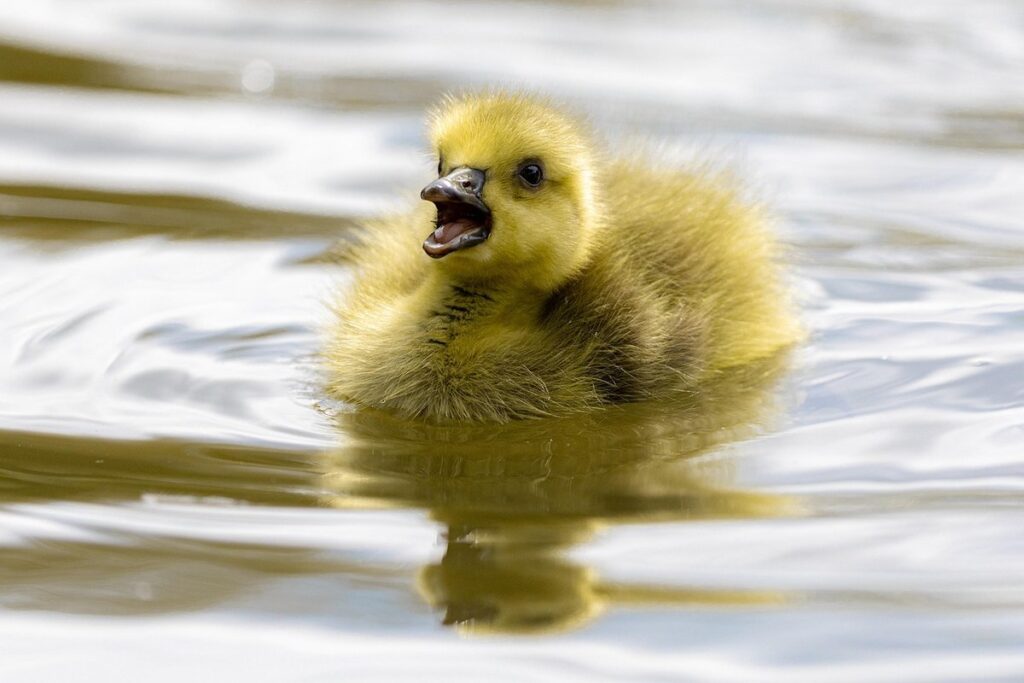
Understanding Goslings and Their Needs
To raise healthy waterfowl, it’s essential to understand the unique needs of goslings, from their diet to habitat requirements. Let’s dive into these crucial aspects of gosling care.
Recognizing Gosling Behavior and Body Language
As you care for your goslings, it’s crucial to recognize signs of health, stress, and contentment. Healthy goslings are active, energetic, and curious, while stressed or unhealthy ones may exhibit changes in behavior and body language. Look out for these key indicators:
A healthy gosling should be alert and responsive, with bright eyes and a fluffy coat. They should be eager to explore their surroundings and interact with their siblings. On the other hand, signs of stress include panting, pacing, or hiding. If you notice any of these behaviors, it’s essential to investigate the cause and provide a safe and comfortable environment.
Contentment is evident when goslings are relaxed, foraging, or engaging in normal activities like eating, drinking, or sleeping. Monitor their appetite and stool quality, as changes can indicate digestive issues. Regularly inspect their plumage, checking for any signs of mites, lice, or fungal infections. By staying vigilant and recognizing these subtle cues, you’ll be able to identify potential problems early on, ensuring your goslings receive the best possible care.
Nutrition for Goslings: A Balanced Diet
A well-balanced diet is essential for goslings to grow into healthy and robust waterfowl. From the moment they hatch, goslings require a starter feed that’s rich in nutrients and calories. Look for feeds specifically formulated for goslings, as they have different nutritional needs than adult geese.
A good quality starter feed should contain around 18-20% protein, which is essential for growth and development. You can also supplement their diet with fruits and vegetables, such as leafy greens and berries, to provide a boost of vitamins and minerals. However, be cautious not to over-supplement, as this can lead to an imbalanced diet.
It’s also important to ensure the goslings have access to clean water at all times. A good rule of thumb is to provide around 1/4 cup of starter feed per gosling per day, divided into several feedings. This will help prevent overcrowding and allow them to eat comfortably. Always monitor your goslings’ weight and adjust their feeding accordingly to ensure they’re growing at a healthy rate.
Choosing the Right Gosling Environment
When it comes time to introduce your new goslings to their outdoor environment, choosing the right spot is crucial for their growth and development. Selecting a safe and suitable location will help ensure a healthy start for your young waterfowl.
Housing Options for Goslings: Shelter and Space
When it comes to providing a safe and healthy environment for your goslings, suitable housing is crucial. Goslings need shelter from extreme temperatures, wind, and predators, as well as adequate space to move around and exercise.
There are several types of shelters you can provide for your goslings, depending on the climate and available space. A simple wooden shed or a fenced enclosure with a roof will protect them from harsh weather conditions. If you live in an area with extreme temperatures, consider providing a heated or cooled shelter to maintain a stable temperature range.
For smaller spaces, such as backyards or balconies, a gazebo or a portable coop can be an excellent option. Make sure it’s well-ventilated and has adequate space for your goslings to move around comfortably. A good rule of thumb is to provide at least 2-3 square feet of floor space per gosling.
When choosing a shelter, also consider the location. Ensure it’s away from potential predator habitats, such as fields or forests, and close enough to your home for easy monitoring. By providing a suitable shelter and adequate space, you’ll be giving your goslings the best chance at growing into healthy, happy waterfowl.
Health Considerations for Gosling Environments
When creating a gosling environment, it’s crucial to prioritize their health and well-being. A safe and healthy environment is essential for goslings to grow strong and thrive. One of the most critical factors to consider is ventilation. Goslings need fresh air to breathe, and inadequate ventilation can lead to respiratory problems. Ensure that your enclosure has proper airflow by installing windows, vents, or a screened roof.
Sanitation is also vital in a gosling environment. Keep their living space clean by removing soiled bedding regularly and disinfecting feeding and watering areas frequently. Prevent the spread of diseases by isolating sick birds and practicing good hygiene when handling them. Predator protection is another essential consideration. Goslings are vulnerable to predators such as foxes, coyotes, and hawks. Secure your enclosure with sturdy fencing or netting that’s at least 3 feet high to prevent escape attempts.
Regularly inspect your gosling environment for potential hazards and take steps to mitigate them. By prioritizing ventilation, sanitation, and predator protection, you’ll create a safe haven for your young waterfowl to grow and develop into healthy, happy birds.
Gosling Health: Common Issues and Solutions
As you navigate the joys of raising waterfowl, it’s essential to be aware of common health issues that can affect your goslings. We’ll cover some of these potential problems and provide practical solutions to help keep them healthy.
Identifying and Treating Waterfowl Diseases in Goslings
As a gosling owner, it’s essential to be aware of common diseases that can affect these young birds. Goslings are prone to respiratory infections, such as bronchitis and pneumonia, which can be caused by bacteria or viruses. These infections often manifest with symptoms like coughing, sneezing, and labored breathing.
Identifying the disease early on is crucial for effective treatment. Keep an eye out for changes in your goslings’ behavior, appetite, and stool quality. If you notice any unusual signs, consult a veterinarian experienced in treating waterfowl. They will perform a physical examination, take blood samples, and possibly conduct a fecal exam to determine the underlying cause of illness.
Preventative measures are also vital in maintaining your goslings’ health. Ensure they have access to clean water and a balanced diet rich in vitamins and minerals. Vaccinations can be administered at an early age to protect against certain diseases. Maintaining good hygiene practices, such as cleaning their enclosure regularly, will help prevent the spread of diseases.
Some common diseases affecting goslings include:
• Respiratory infections (bronchitis and pneumonia)
• Parasitic infestations (such as worms and mites)
• Bacterial infections (like salmonellosis)
To treat waterfowl diseases in goslings effectively, follow these steps:
- Consult a veterinarian experienced in treating waterfowl
- Administer antibiotics or antiviral medications as prescribed by the vet
- Provide supportive care, such as rest and hydration, to aid recovery
Managing Gosling Injuries and Emergencies
As a gosling caregiver, it’s essential to be prepared for emergencies and know how to manage common injuries that may arise. Recognizing the signs of distress is crucial in providing timely intervention. Watch out for unusual behavior such as lethargy, loss of appetite, or difficulty breathing.
If you notice any wounds on your goslings, clean them gently with a mild antiseptic solution, avoiding harsh chemicals or scrubbers that can further irritate the skin. Apply antibiotic ointment to prevent infection and cover the wound with a bandage to protect it from dirt and bacteria. For more severe injuries, such as broken wings or legs, consult a veterinarian for proper care.
In case of an emergency, have a first aid kit on hand with essentials like gauze pads, scissors, and tweezers. Keep a list of local veterinarians who specialize in waterfowl care handy, as well as their contact numbers. Stay calm and act quickly to minimize the risk of further complications or even death. Regular monitoring and prompt attention can make all the difference in ensuring your goslings receive the best possible care.
Gosling Training and Socialization
When it comes to raising confident waterfowl, socialization and training are crucial steps in a gosling’s development. We’ll cover essential tips on how to introduce your goslings to new people and environments safely.
Introduction to Gosling Training: Basic Commands and Handling
When introducing basic commands and handling techniques to your goslings, it’s essential to establish trust and create a strong bond between them and their caregiver. This process should begin early on, ideally from day one of gosling care.
Start by gently picking up your gosling, supporting its body and legs, and getting it accustomed to being handled. You can also try placing treats in front of the goslings to encourage them to come towards you willingly. Remember, goslings are naturally drawn to shiny objects, so use this to your advantage by placing a small bell or other reflective item near their enclosure.
Begin with short sessions (5-10 minutes) and gradually increase handling time as they become more comfortable. Practice simple commands like “come,” “stay close,” and “step up” on a perch or platform. Reward good behavior with treats, such as cracked corn or birdseed. Be patient and gentle; goslings may not take to being handled immediately, but with consistent effort, you’ll soon develop a strong bond.
Handling your goslings regularly will help them become confident and socialized birds that are more manageable for visitors and less likely to fly away in fear when handled by others.
Socializing Goslings with Humans and Other Animals
Socializing goslings with humans and other animals is crucial for their development and well-being. From an early age, it’s essential to introduce them to various environments, people, and animals to prevent behavioral problems and foster friendly relationships. Start by placing the goslings in a safe area where they can explore and interact with each other.
When introducing humans, begin with gentle handling and gradual exposure to different voices, movements, and textures. Use positive reinforcement techniques, such as offering treats or rewards, when the goslings respond calmly to human interaction. This will help them associate humans with comfort and trust. Be cautious not to overwhelm the goslings, especially in their first few weeks.
For socializing with other animals, begin by introducing them to calm and gentle species, like chickens or ducks. Watch for signs of aggression or stress and intervene promptly if necessary. By following these steps and being patient, you’ll be able to raise confident and friendly waterfowl that interact well with both humans and other animals.
Gosling Health Records and First Aid Kits
When it comes to caring for your new goslings, keeping accurate health records is crucial to ensure their well-being and detect any potential issues early on. We’ll walk you through how to maintain a complete health record and assemble an essential first aid kit.
Creating a Comprehensive Gosling Health Record
Maintaining accurate health records for goslings is crucial to monitor their well-being and detect any potential issues early on. This includes tracking their weight, appetite, and stool quality, as well as monitoring for signs of illness or injury such as lethargy, labored breathing, or discharge from the eyes or nostrils.
When creating a comprehensive health record for your goslings, be sure to include essential information such as their birth date, breed, and any known genetic predispositions. You should also keep track of vaccination records, deworming treatments, and any other medical interventions they may receive.
Regular weight checks can help you identify potential issues with feeding or health, while monitoring appetite and stool quality can indicate digestive problems or nutritional deficiencies. Keep a log of your observations and note any changes or concerns you have. This will allow you to monitor their progress over time and make informed decisions about their care.
By keeping accurate records, you’ll be able to spot potential issues before they become major problems and provide the best possible care for your goslings.
Assembling a Gosling First Aid Kit: Essential Supplies and Materials
When caring for goslings, it’s crucial to have an effective first aid kit readily available. This essential tool can make all the difference in treating minor injuries and preventing more serious complications from developing. As a responsible waterfowl parent, you’ll want to assemble a comprehensive Gosling First Aid Kit with must-have items tailored specifically to their needs.
Some basic supplies include bandages, antiseptic wipes, tweezers, and scissors. These are staples for any first aid kit, but when it comes to goslings, there are some specialized equipment that’s particularly useful. For instance, a syringe or dropper for administering eye drops or medicated solutions is vital. You’ll also want to include a thermometer specifically designed for poultry, as well as an Epsom salt solution for treating respiratory issues.
Consider adding a few waterfowl-specific supplies like a gosling-sized heat lamp or a specialized incubation tray with airholes and temperature control. These items can be a lifesaver in critical situations. Remember to always check the expiration dates of your supplies and restock as needed to ensure you’re prepared for any emergency that may arise.
Frequently Asked Questions
How do I keep my goslings’ living environment clean, especially during their rapid growth phase?
Cleaning the enclosure regularly is crucial for maintaining a healthy environment for your goslings. Remove soiled bedding, disinfect surfaces, and ensure adequate ventilation to prevent ammonia buildup.
What are some common signs of illness in goslings that I should look out for daily?
Monitor your goslings’ behavior, appetite, and stool quality regularly. Watch for changes in droppings (e.g., watery diarrhea), lethargy, loss of feathers or weight, and unusual vocalizations.
How can I ensure my gosling’s diet is providing all the necessary nutrients during different growth stages?
Consult with a veterinarian to determine the best feeding strategy based on your goslings’ age, breed, and individual needs. Rotate their food sources to minimize nutritional deficiencies and ensure access to fresh water at all times.
What should I do if one of my goslings is injured or shows signs of stress due to environmental changes?
Keep a first aid kit readily available with supplies like bandages, antiseptic wipes, and warm compresses. Monitor the affected bird closely, provide a quiet, safe space for recovery, and consult a veterinarian if the situation worsens.
How can I prepare my home or gosling enclosure for potential diseases that might affect waterfowl?
Keep your environment clean by regularly disinfecting surfaces and equipment, ensuring proper ventilation to reduce ammonia levels, and separating sick birds from healthy ones. Consult with local veterinarians and bird experts to stay informed about regional disease risks and prevention strategies.