
Are you considering bringing some adorable guinea keets into your life, but not sure where to start? Or maybe you’re already a proud owner looking for expert advice on how to care for these charming birds. Whichever category you fall into, caring for guinea keets requires attention to their specific needs, from choosing the right breed that suits your lifestyle to creating a safe and nurturing environment.
In this article, we’ll delve into the essential aspects of guinea keet care, including nutrition, socialization, and long-term health. We’ll also explore how to identify potential health issues and provide tips on how to prevent them. By the end of this guide, you’ll be well-equipped with the knowledge needed to give your guinea keets a happy and healthy life. Whether you’re a seasoned bird owner or just starting out, our expert advice will help you create a thriving environment for these amazing birds.
Understanding Guinea Keets
To raise healthy guinea keets, it’s essential to understand their unique characteristics and needs. This section will break down what makes guinea keets special and how you can tailor your care accordingly.
Introduction to Guinea Keets
If you’re new to guinea keets, let’s start with the basics. These charming birds originated from Africa and are known for their distinctive appearance and unique personalities. One of the first things you’ll notice about guinea keets is their size – they are typically smaller than standard chicken breeds, growing up to 2-3 pounds in weight.
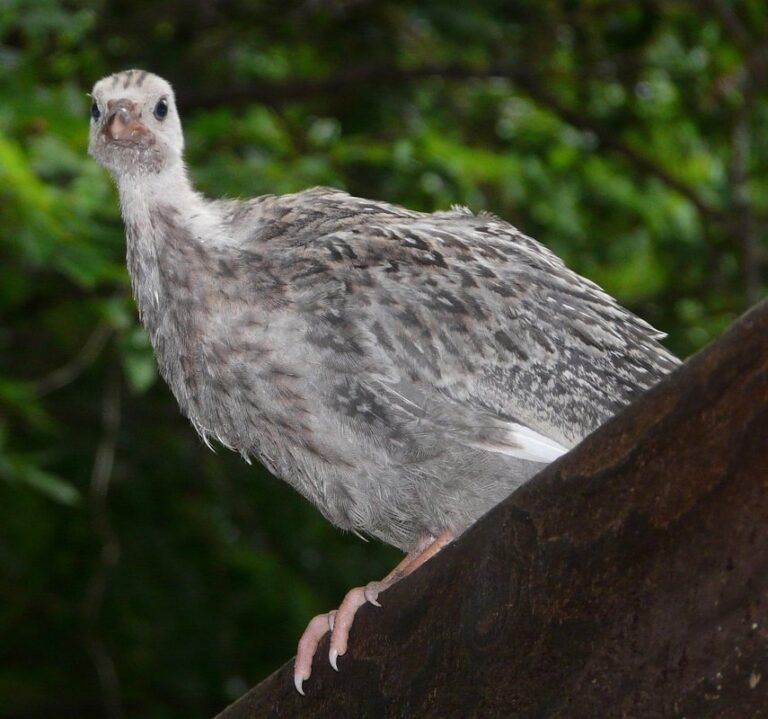
Guinea keets are also recognized by their stocky build, feathered legs, and vibrant plumage, which comes in a variety of colors such as blue, fawn, lavender, and white. Their appearance is often described as more ‘dumpy’ than other breeds, with some owners affectionately referring to them as ‘chunky monkeys.’
In terms of temperament, guinea keets are known for being social birds that thrive on interaction and companionship. They are relatively low-maintenance pets or additions to farms, requiring less space and care compared to other larger chicken breeds. This makes them an excellent choice for backyard flocks or homesteads with limited resources.
Some owners have reported great success raising guinea keets in small enclosures or even as indoor pets, provided they receive adequate space to move around and exercise regularly. If you’re considering adding guinea keets to your farm or family, it’s essential to research their specific needs and ensure you can provide them with the attention and care they require to thrive.
Choosing the Right Breed
When it comes to choosing the right breed of guinea keets for your flock, there are several factors to consider. With over 20 recognized breeds, each with its unique characteristics, selecting the perfect one can be overwhelming.
First and foremost, consider your climate and living situation. Some breeds, like the Nigerian Red and Lavender Araucana, are better suited for cooler climates due to their thick coats and hardiness. On the other hand, heat-tolerant breeds such as the Sudanese and American Guinea, thrive in warmer temperatures.
Think about the temperament you want your guinea keets to have. Some breeds, like the White Nubian, are known for their friendly and docile nature, making them perfect for families with children. Others, like the Egyptian, can be more aggressive and may require additional attention.
In terms of growth rate, some breeds mature faster than others. For example, the Nigerian Red typically reaches full size within 20-25 weeks, while the Sudanese can take up to 35 weeks. Knowing your breed’s growth rate will help you plan for their nutritional needs and coop space.
Ultimately, research and carefully consider each breed’s characteristics before making a decision.
Environment and Housing
When it comes to raising healthy guinea keets, providing a suitable environment and housing is crucial for their well-being. A safe and comfortable coop will help keep your feathered friends happy and thriving.
Providing a Safe Enclosure
When it comes to guinea keets, providing a safe enclosure is crucial for their well-being and growth. The enclosure should be secure enough to prevent escape attempts and protect the birds from predators like foxes, coyotes, and hawks.
A sturdy fence is essential to enclose the area. Opt for a minimum of 3-foot-tall fencing with openings no larger than 1 inch to prevent the keets from squeezing through. Consider using hardware cloth or chicken wire with openings as small as possible to ensure maximum security. Also, bury the fencing at least 12 inches underground to prevent burrowing predators.
In addition to fencing, a secure shelter is necessary for providing guinea keets with protection from harsh weather conditions and predators that may be lurking around the coop. The shelter should be predator-proof and provide adequate ventilation, dry bedding, and adequate space for the birds to move around comfortably. It’s also essential to ensure that the shelter is well-maintained, clean, and free from drafts.
When designing an enclosure, consider the guinea keets’ natural behavior of roaming freely and exercising regularly. Provide a spacious area where they can move around freely and engage in activities like foraging, scratching, and dust-bathing. A minimum of 10 square feet of space per bird is recommended to ensure their physical and mental well-being.
Heating and Ventilation
When it comes to raising guinea keets, providing a suitable environment is crucial for their growth and well-being. One often overlooked aspect of guinea keet care is temperature control and ventilation. These conditions can significantly impact the health and happiness of your feathered friends.
Guinea keets are sensitive to extreme temperatures, so it’s essential to maintain a comfortable range between 65°F (18°C) and 75°F (24°C). During the colder months or in drafty areas, you may need to use heat sources specifically designed for guinea keet brooders. These can be as simple as heat lamps or ceramic heat emitters, which provide gentle warmth without the risk of burns.
Proper ventilation is equally important to prevent respiratory issues and maintain air quality. Make sure your coop has adequate airflow by installing windows, vents, or using mesh panels. It’s also essential to provide regular dust baths for guinea keets to help them regulate their body temperature and maintain healthy skin.
Keep in mind that it’s not just about providing enough ventilation; you should also ensure the air is free from pollutants like ammonia from droppings and bedding. To achieve this, change the litter frequently, clean out the coop regularly, and consider using a UV light to help break down organic compounds.
Nutrition and Diet
When it comes to raising healthy guinea keets, providing them with a balanced diet is crucial for their growth and overall well-being. In this section, we’ll cover essential nutrition tips and dietary recommendations for your keets.
Keets’ Nutritional Needs
When it comes to guinea keets’ nutritional needs, it’s essential to provide them with a balanced diet that meets their specific requirements. These young birds need a diet rich in protein to support their rapid growth and development. A good quality commercial starter feed or keet feed should be the main staple of their diet, as it provides the necessary nutrients for optimal growth.
Calcium is also crucial for guinea keets, particularly during the first few weeks after hatching when they are developing strong bones and feathers. You can supplement their feed with crushed eggshells or oyster shells to provide an extra boost of calcium. Ensure that fresh water is always available, as dehydration can set in quickly.
In addition to a balanced commercial feed, guinea keets also benefit from fresh fruits and vegetables. Introduce these treats gradually, starting with small amounts to prevent digestive upset. Leafy greens like kale and spinach are excellent choices, while fruits like berries and melons provide essential vitamins and minerals.
It’s also crucial to note that overfeeding can be detrimental to guinea keets’ health. Monitor their weight and adjust their feed accordingly.
Feeding Keets from Hatching to Maturity
Feeding keets from hatching to maturity is a crucial aspect of their development. From day one, it’s essential to provide them with a nutritionally balanced diet that meets their unique needs at each stage. When keets hatch, they need a starter feed rich in protein (around 20-22%) and calcium to support bone growth. You can start offering a commercial keet starter or a homemade mix of oats, sunflower seeds, and mealworms.
As keets grow into pullets (around 4-6 weeks), you’ll need to transition them to a layer feed with lower protein content (16-18%). Ensure they always have access to fresh water, changing it daily to prevent bacterial growth. Supplementing their diet with treats like fruits, vegetables, and leafy greens is also beneficial, but be mindful of overfeeding as this can lead to digestive issues.
By week 12, keets are almost mature and will require a mix of layer feed and calcium supplements to support strong eggshell production. Remember to monitor their weight and adjust feeding amounts accordingly to prevent overeating. Proper nutrition is key to raising healthy guinea keets, so pay close attention to their dietary needs at each stage.
Health and Hygiene
Maintaining good health and hygiene is crucial for your guinea keets’ overall well-being, so let’s dive into some essential tips on keeping them clean and healthy.
Common Diseases Affecting Guinea Keets
As you care for your guinea keets, it’s essential to be aware of potential health issues that can arise. One of the most significant threats to their well-being is Newcastle disease, a viral infection that affects birds worldwide. This highly contagious disease can spread quickly through contact with infected droppings, contaminated feed or water, and even human handling.
Coccidiosis is another common issue guinea keets may encounter. This parasitic disease causes gastrointestinal problems, such as diarrhea, weight loss, and lethargy. To prevent coccidiosis, ensure your keets have access to clean, dust-free living conditions and provide a balanced diet rich in calcium and vitamins.
Other health concerns for guinea keets include blackhead disease, respiratory infections, and mites. Regular veterinary check-ups, proper sanitation, and prompt medical attention can help mitigate these issues. Monitor your keets’ behavior, appetite, and droppings to identify potential problems early on. Keep a close eye out for signs of stress or illness, such as labored breathing, loss of feathers, or changes in dropping color.
By staying vigilant and taking proactive steps to prevent common diseases, you can help ensure the health and well-being of your guinea keets.
Biosecurity Measures for Your Flock
As a guinea keets owner, it’s essential to prioritize biosecurity measures to protect your flock from disease. One of the most effective ways to prevent the spread of illness is through proper equipment disinfection. This involves regularly cleaning and sanitizing feeders, waterers, and nesting boxes with a solution of 1 part bleach to 10 parts water. Be sure to rinse thoroughly and allow them to air dry before refilling or replacing.
Another crucial aspect of biosecurity is managing visitors to your flock. When friends or family members come to visit, make sure they understand the importance of maintaining a clean environment and handling birds safely. Provide hand sanitizer for all visitors, and encourage them to wash their hands thoroughly with soap and water after interacting with the birds.
Controlling pests is also vital in preventing disease transmission. Regularly inspect your flock’s living area for signs of rodents, snakes, or other unwanted critters, and take action promptly if you notice any issues.
Handling and Socialization
Now that your keets are growing, it’s time to start handling them regularly to help them become tame and trusting of human interaction. Proper socialization is also crucial for their overall well-being and temperament.
The Importance of Early Socialization
Socializing guinea keets from an early age is crucial for their development and well-being. It helps them become confident, friendly, and less likely to be fearful of new environments and people. Introduce them to humans by spending quality time with them daily, handling them gently, and speaking in soothing voices. This will help them bond with you and trust your presence.
When it comes to socializing with other birds, start with guinea keets from 2-3 weeks old and introduce them to chickens or other friendly birds. Supervise their interactions closely to ensure no conflicts arise. You can also consider separating the birds at night to prevent stress on any single bird.
Exposure to new environments is just as important. Take your guinea keet outside regularly, allowing it to explore under close supervision. Introduce them to different surfaces, such as grass, sand, and wood chips, to help them become familiar with various textures.
By socializing your guinea keets early on, you’ll set the stage for a happy, healthy bird that’s easy to handle and interact with. Remember, patience is key when it comes to socialization – don’t rush the process, and let your guinea keet dictate its own pace.
Safe Handling Techniques for Guinea Keets
When handling guinea keets, it’s essential to be gentle and mindful of their fragile nature. Keets are easily startled, so sudden movements can cause them to panic and even injure themselves. To restrain a keet gently, support its body weight by placing one hand under the chest and the other under the belly. This will help distribute the keet’s weight evenly and prevent any pressure on its delicate bones.
When lifting a keet, make sure to scoop it up carefully, rather than picking it up directly from underneath. You can place your hands on either side of the keet, just behind the wings, and lift it gently upwards. Be mindful not to pick them up by their legs or tail feathers, as this can cause stress and even injury.
It’s also crucial to handle fragile keets with care, particularly during the first few weeks after hatching. Their bones are still developing, and excessive handling can lead to damage or misalignment. Limit handling to short sessions, keeping in mind that guinea keets are naturally skittish and may benefit from a more relaxed approach.
Raising Guinea Keets from Hatchlings to Adults
As you welcome your guinea keets into their new home, it’s essential to know what to expect as they grow from tiny hatchlings to confident adults. In this next part of our care guide, we’ll walk you through every stage of development.
Stage 1: Hatching to Brooder Age (0-4 weeks)
Caring for new hatchlings requires attention to detail and a gentle touch. As soon as they pip out of their eggs, guinea keets are vulnerable to temperature fluctuations and humidity levels that can affect their development.
For the first week after hatching, it’s essential to maintain a brooder temperature between 90°F to 95°F (32°C to 35°C) with a humidity level around 50-60%. You’ll need to provide a heat source, such as a heat lamp or ceramic heat emitters, placed at one end of the brooder to create a warmth gradient. This allows keets to regulate their body temperature and prevents overheating.
During this period, feed keets a high-protein starter mix specifically formulated for game birds. Offer water in shallow dishes to prevent drowning risks. Aim to provide 1-2 ounces (30-60 grams) of food per keet per day, divided into 4-6 meals. Monitor their growth and adjust the feeding schedule accordingly.
Keep the brooder clean by removing soiled bedding daily and disinfecting surfaces with a pet-safe cleaner. This will help prevent the spread of disease and maintain a healthy environment for your keets to thrive in.
Stage 2: From Brooder to Grower (4-8 weeks)
At 4-8 weeks old, guinea keets have outgrown their brooder and are ready to transition into a grower phase. This period is crucial for their development, and it’s essential to provide them with the right environment and care.
Firstly, adjust their diet by offering more protein-rich foods such as mealworms or crickets. You can also introduce small amounts of fresh vegetables like kale or spinach. However, avoid giving them too much calcium as this can cause kidney stones in guinea fowl.
As keets grow, they require more space to move around comfortably. Ensure their enclosure is at least 2-3 square feet per bird and provide adequate ventilation to prevent ammonia buildup from their droppings.
To keep your keets entertained and stimulated, introduce new enrichment activities such as hiding food or treats around the enclosure or providing them with toys like balls or bells. This will help reduce boredom and stress. Consider adding a separate play area outside of their coop where they can forage and exercise freely under close supervision.
Stage 3: Maturity and Integration into the Flock
As guinea keets grow and mature, it’s essential to introduce them to your existing flock or prepare them for their new home. This stage is crucial in socializing the birds, teaching them important survival skills, and preventing behavioral problems.
When integrating guinea keets into an existing flock, start by introducing them in a neutral area where all birds feel comfortable. Monitor their behavior closely, ensuring they’re not being bullied or harassed by more dominant birds. A good rule of thumb is to introduce young guinea keets at 4-6 weeks old, when they’re still dependent on their mother but learning to interact with other birds.
To ensure a smooth transition, keep the number of new additions small and gradual. This will prevent overwhelming your existing flock and allow them to bond with the newcomers. Make sure to provide enough space for each bird, ensuring that no one is feeling crowded or threatened. With patience and proper introduction, guinea keets can thrive in their new home and become valued members of your flock.
Additional Tips and Considerations
As you continue to care for your guinea keets, it’s essential to consider a few more details to ensure their health and well-being is maintained throughout their lives. Let’s dive into some crucial additional tips and considerations.
Integrating Guinea Keets with Other Poultry
When introducing guinea keets to an existing flock, it’s essential to do so gradually to prevent stress and potential aggression. This process is known as acclimation. Begin by keeping the guinea keets separate from the rest of the flock for a few days, allowing them to get accustomed to their new surroundings.
During this time, ensure both groups have access to food, water, and shelter without interacting with each other. Once you’ve introduced them gradually, keep a close eye on their behavior and body language. Watch for signs of stress or aggression, such as aggressive posturing, loud vocalizations, or pecking.
To minimize tension, start by allowing the guinea keets to explore the area under supervision before releasing them with the rest of the flock. Once they seem comfortable, proceed to supervised interactions in a neutral zone. If introducing grown guineas to chicks or younger birds, it’s best to keep them separated until the chicks are at least a few weeks old. By taking these precautions and acclimating the guinea keets properly, you can ensure a smooth integration with your existing flock.
Long-Term Care and Well-being of Your Flock
As you continue to care for your guinea keets, it’s essential to focus on their long-term well-being. One crucial aspect of this is ensuring continued access to clean water. Regularly inspect the watering system and change the water frequently to prevent bacterial growth. Also, make sure the waterer is placed in a quiet area where your keets can drink without feeling stressed.
A balanced diet is also vital for maintaining their health. Provide a high-quality starter feed for the first few weeks, then gradually transition to a layer feed or pellets as they mature. Supplement with fresh fruits and vegetables daily, but avoid overfeeding, which can lead to digestive issues. Consider setting up a dust bath area where your keets can clean themselves naturally.
Regular flock health checks are also necessary. Monitor their behavior, droppings, and plumage for any signs of illness or stress. Keep an eye out for common guinea keet health issues like respiratory problems, parasites, or nutritional deficiencies. If you notice anything unusual, consult a veterinarian experienced in caring for poultry to ensure your flock stays healthy and thriving.
Frequently Asked Questions
Can I raise guinea keets indoors, especially during harsh winters?
Yes, it’s absolutely possible to raise guinea keets indoors, provided you create a well-ventilated environment with proper temperature control. Ensure your brooder or enclosure is large enough for the keets to move around comfortably and provide adequate light sources to simulate natural daylight. This will help them grow strong and healthy.
How often should I clean the water and food dishes of my guinea keets?
Regular cleaning of water and food dishes is crucial to maintain hygiene and prevent bacterial growth. Change the water at least twice a day, and clean the food dish after each meal to prevent contamination. This will keep your keets’ digestive system healthy and functioning properly.
What are some common health issues I should watch out for in guinea keets?
Be on the lookout for signs of respiratory problems, such as labored breathing or wheezing, and monitor their droppings regularly for any changes in color or consistency. Additionally, ensure your keets have access to a balanced diet and adequate shelter from extreme temperatures to prevent heat stress.
Can I integrate guinea keets with existing chickens in my flock?
Yes, but it’s essential to introduce them slowly and under close supervision to prevent conflicts and injuries. Start by separating the two groups and allowing them to become familiar with each other through scent marking or visual introductions before finally integrating them into a shared enclosure.
How long does it take for guinea keets to mature?
Guinea keets typically reach maturity between 16-20 weeks of age, depending on factors such as breed, nutrition, and living conditions. Be patient and provide your keets with the right care and attention during this growth phase, and they will reward you with a happy and healthy adulthood.